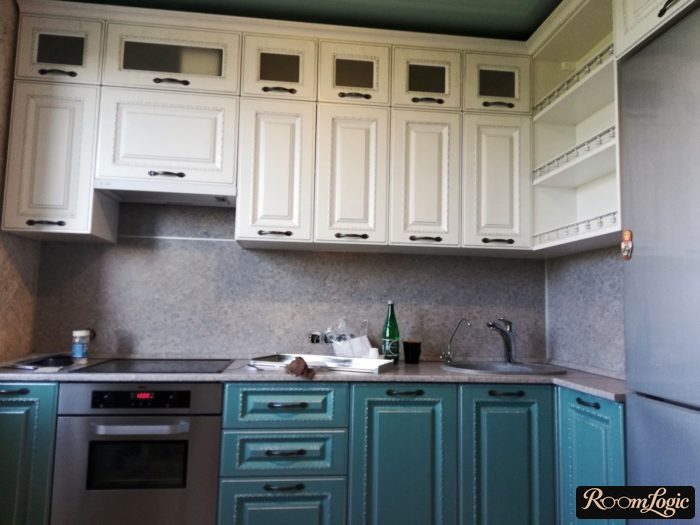
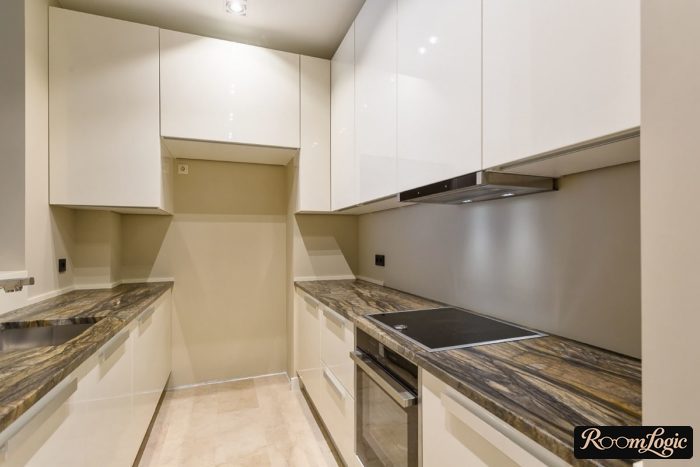
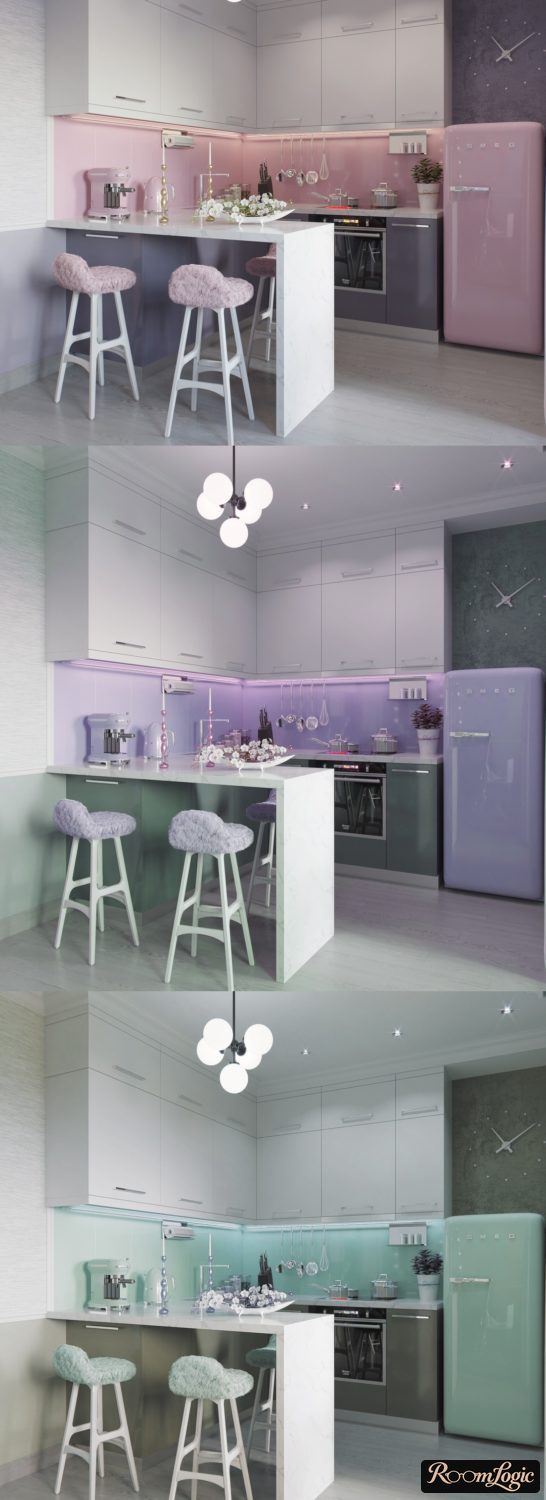
Seven clear tips from professionals on how to choose kitchen cabinets and how to cleverly use cabinet companies.
Decide in advance how many people are in your family and how large the room is. Everything else has already been decided for you and put into a specific list. The rest of the article has technical information and optional design tricks.

7 Useful Tips for Choosing Kitchen Cabinets
“Professionals” can advise you on choosing kitchen cabinets, but they often have an interest in increasing the total price. Not every expense makes sense.
- Order cabinets from local manufacturers. Competition in this market is fierce, and many shops use high-quality modern equipment, materials, and hardware. If you order from overseas, you will simply pay extra for foreign labor and shipping. The quality will not necessarily be better.
- Use particleboard for the cabinet boxes, MDF for the fronts, and wood-look laminate for the countertop (the other laminate patterns look awful in person; wood looks cool) or engineered stone, which is much more expensive.
- For the backsplash, use either glass or spend the money on 16-22 square feet of cool tile (do not even think about using white grout on a tile backsplash).
- The best color for kitchen cabinet fronts is glossy white. It is almost magically practical – dirt is not visible on it at all. AT ALL.
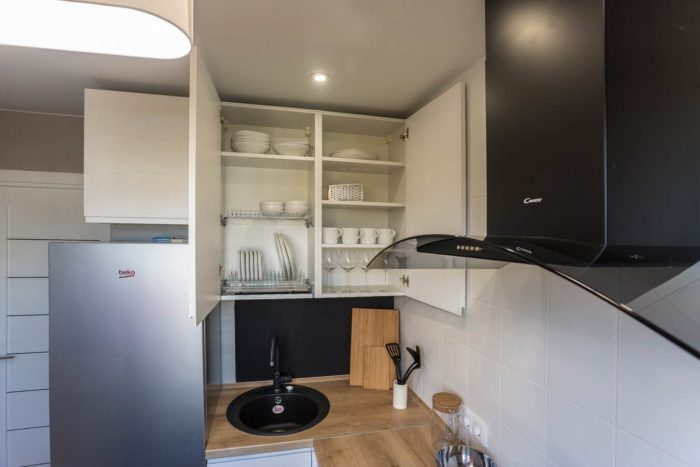
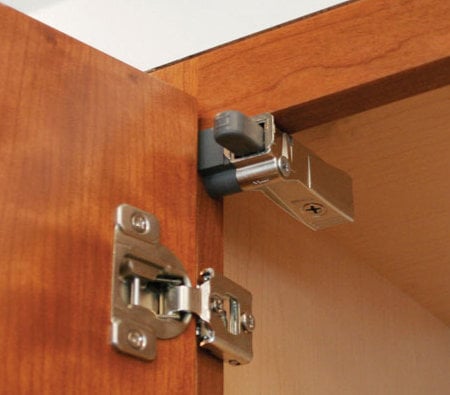
- It is better to plan ordinary hinged doors for the upper cabinets. Soft-close hinges cost only a few dollars each. Lift-up mechanisms for upper cabinets cost much more and offer no advantages. Drawers below really are more convenient, but they are more expensive too – see whether the budget is enough.
- Do not forget to think about how the refrigerator door opens. It should open away from the work area. Seriously, refrigerator doors can be reversed. Think about it and do it, or you will suffer.
- Start by visiting custom cabinet companies, but do not get hung up on them. Use them as consultants and to get free kitchen plans. Choose where to order only after looking at at least three companies.
Next we will cover design styles, materials, and details, but you already know how to choose kitchen cabinets better than most people in this world.
This article is strictly practical. If you just want attractive photos for inspiration, see the article on kitchen design.
How to Choose a Kitchen Cabinet Set
A set of kitchen cabinets has several surfaces: cabinet doors (fronts), cabinet boxes, shelves, and countertops. For general knowledge, we will go through the options, although in reality there is only 1 correct choice, and we will clearly point it out. Most of the photos will show large kitchens because they are cool. If yours is small, there are a bunch of real photos and specific details here: Cabinets for a Small Kitchen.
Which Kitchen Cabinet Material Is Best
4 main materials:
- Solid wood
- Particleboard
- MDF
- Plywood
Solid wood is the most expensive and delicate material. It is made from solid wood and is therefore relatively soft, meaning it scratches easily. It is often used with absolutely no imagination, especially in traditional style, where MDF would look exactly the same while costing less and holding up better. It can look very cool in modern styles like loft when used without moldings and similar details, but those kitchens cost an absurd amount. Read my article about loft style in a kitchen.
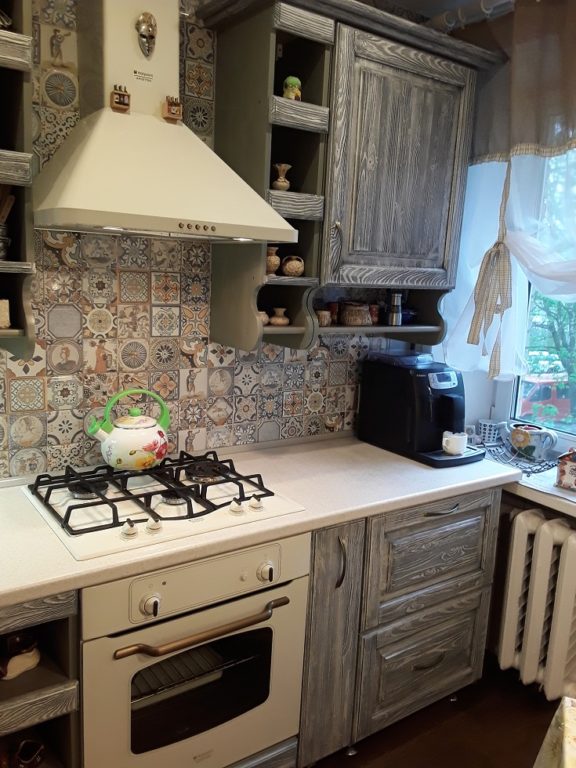
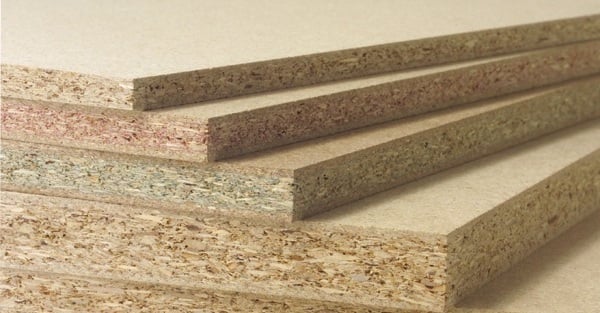
Particleboard is made from wood chips that are glued and pressed together. It is cheap and strong, but it is vulnerable to heat and moisture. In a kitchen, it is used for cabinet boxes or fronts. It is too delicate for fronts, although it is cheap.
Particleboard can emit formaldehyde. In the U.S., choose panels labeled TSCA Title VI compliant, and make sure all exposed edges are sealed.
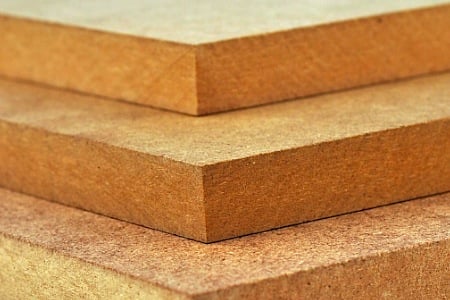
MDF panels are made by pressing very fine wood fibers, almost sawdust. They are then bonded with resin, which makes the material strong and more moisture-resistant. Because of this, MDF is stronger than particleboard and solid wood, handles moisture better, and is generally cool, but it also costs more than particleboard (and less than solid wood).
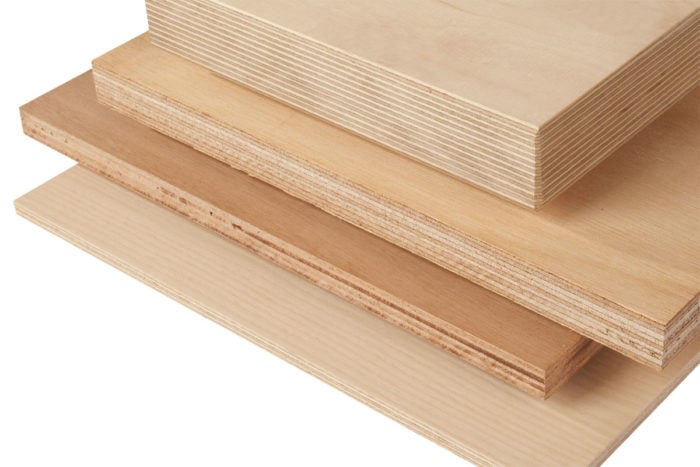
Plywood is made from natural wood but costs less than solid wood. It is made by gluing thin layers of wood together. A quality panel can use 5 or more plies. It is an environmentally friendly material that resists steam, moisture, and temperature changes. Although it is used less often in kitchen cabinets because other materials keep improving and it cannot compete.
Cabinet Fronts and Boxes
Cabinet boxes are usually made of particleboard. The material is cheap, and the boxes do not face much heat or moisture. But make sure the cabinetmakers finish even the hidden back edges.
Fronts are the visible part of the kitchen, and they also take all the wear. The main materials to choose from are:
- Painted MDF
- Laminate
- Acrylic
- Thermofoil
Their photos are shown in order. You cannot tell them apart from a few steps away.
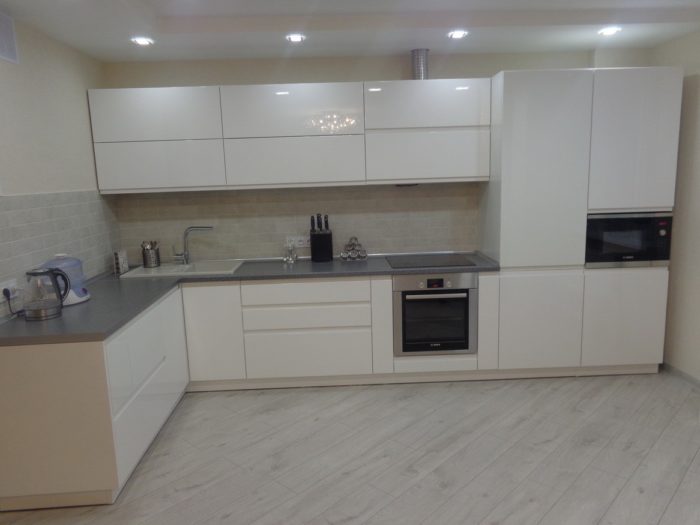
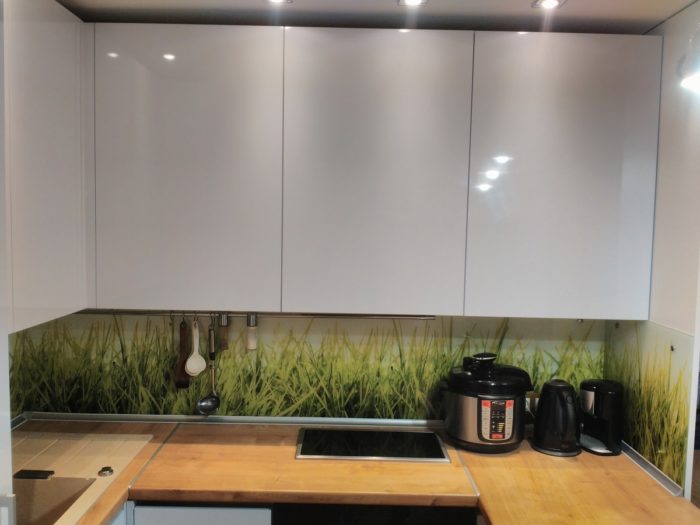
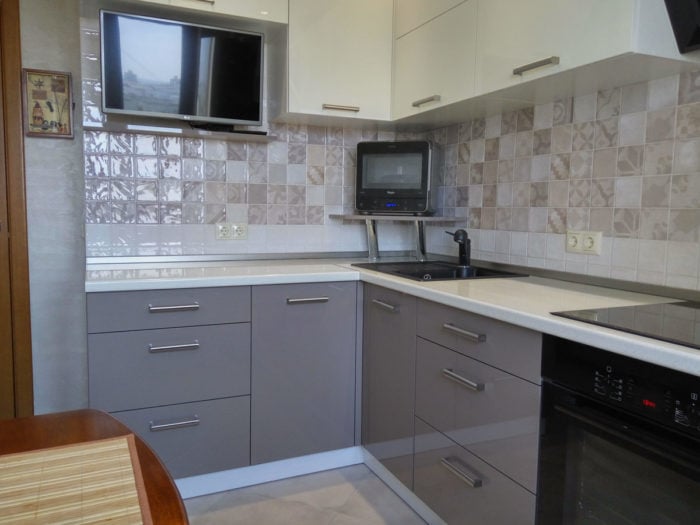
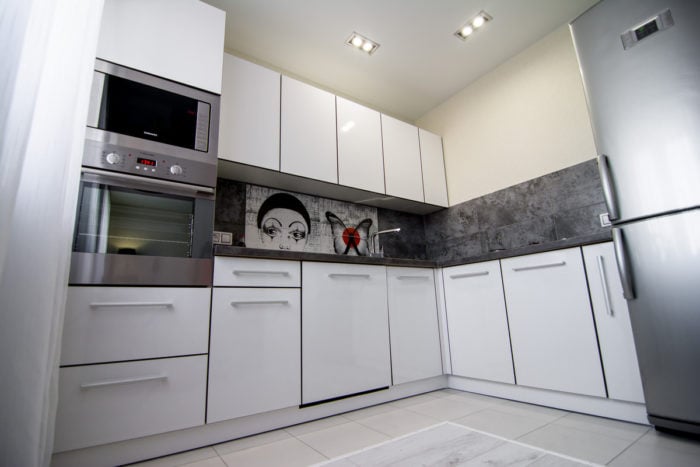
As you can see, we removed particleboard, framed MDF, aluminum profiles, solid wood, and all kinds of ridiculous rare things like stainless steel and glass from the options. Some because of an inflated price without significant advantages, others (particleboard) because they do not hold up well, and aluminum profiles because they look awful. If the budget is extremely tight, choose particleboard, but you will have to use it more carefully.
When choosing from the four remaining options, you are essentially choosing the finish on the MDF (laminate and acrylic are just coatings; there is MDF inside too). They differ in price, texture, and edges. Painted fronts have no visible edge, but they are the most expensive and delicate (they chip and scratch). We recommend laminate or acrylic, or thermofoil if you want something a little cheaper and a little worse.
By the way, MDF fronts can be curved if you want. But curved kitchen fronts went out of style a long time ago, and rightly so.
Cabinet boxes – particleboard. Fronts – MDF. This is the only correct solution. Just trust experience.
Countertop
Suitable countertop materials:
- Natural and engineered stone
- Laminate over particleboard
- Glass
- Aluminum
- Stainless steel
And the last 3 are complete nonsense.
In practice, your choice is laminate over particleboard if the budget is limited, or natural or engineered stone if money is not a problem.
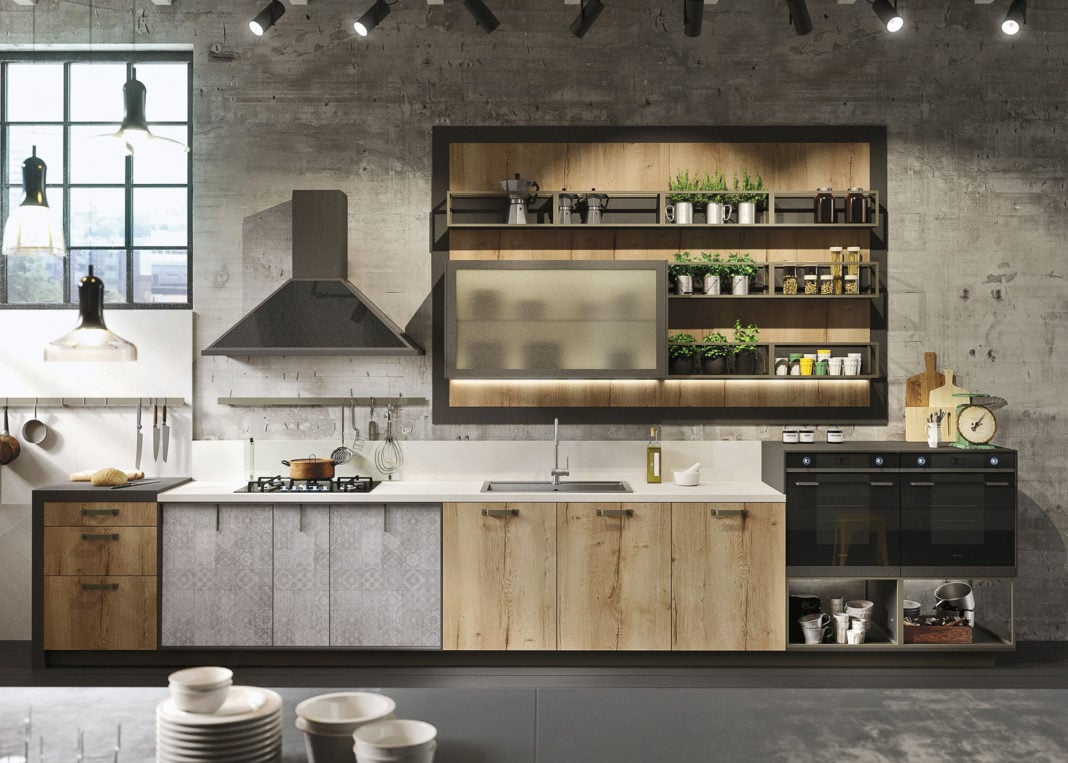
Engineered stone is good because an L-shaped countertop can be made without seams and can be molded with an integrated sink. And almost all engineered-stone options (also called acrylic or solid surface) look cool. Laminate countertops, on the other hand, look good only in wood patterns, especially a convincing natural-oak pattern. Seriously, stone-look laminate looks pathetic. Never choose it.
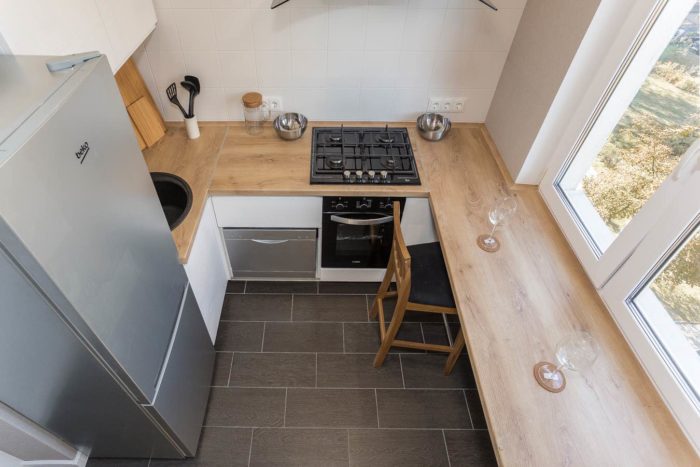
If the geometry of the kitchen allows it, we strongly recommend a breakfast bar. They have been popular for so long that they probably will not go out of style. You can make it wide and get a bar-height table. The article linked above has a bunch of details; there is no room for more information about breakfast bars in this article.
Kitchen Backsplash
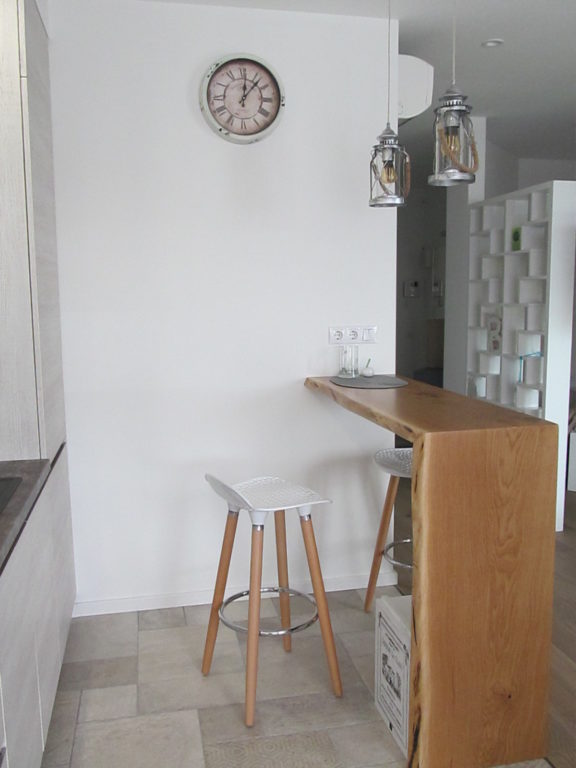
People underestimate backsplash design because it is small, although the kitchen interior depends heavily on it. This is a serious mistake because its small size is exactly why you can make the backsplash really cool. Choosing slightly more expensive cabinet fronts has a noticeable effect on the price of the kitchen, while you can afford to cover 20 square feet of backsplash with even very expensive tile.
The 2 sensible backsplash options are tile and glass. Since a backsplash is about 16-22 square feet, you can afford cool, expensive tile.
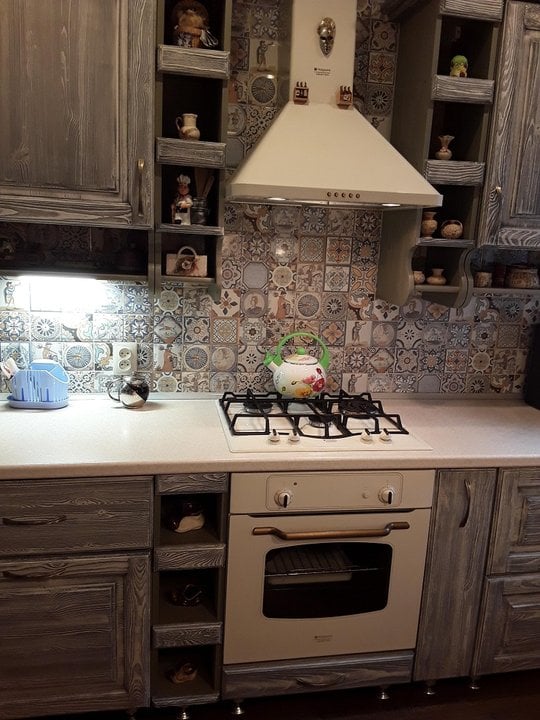
We have already written about modern kitchen backsplashes, and there are a bunch of photos there too.
Kitchen Shape and Features
The Best Kitchen Cabinet Hardware
The first thing many people do not realize is that hardware can account for up to 30% of the cost of the whole kitchen. This depends less on the hardware manufacturer and more, first, on the layout and, second, on the greed of the particular cabinet company. Deal with the second by visiting several companies and comparing prices. We will spend a little time on the first.
There are a huge number of opening and sliding mechanisms for kitchen cabinets. Far more than you can imagine and far more than you actually need. The three main mechanisms are:
- Hinges for swing doors
- Slides and boxes for drawers
- Lift hardware for, naturally, lift-up fronts
And here is the most important point: hinges for swing doors are the cheapest option. By the way, whenever we talk about these mechanisms, we mean ones with soft-close hardware. Soft-close hinges cost only a few dollars each, meaning only a few dollars per swing door. The price of lift-up and drawer mechanisms depends on the size and weight of the fronts, but on average they range from expensive to very expensive.
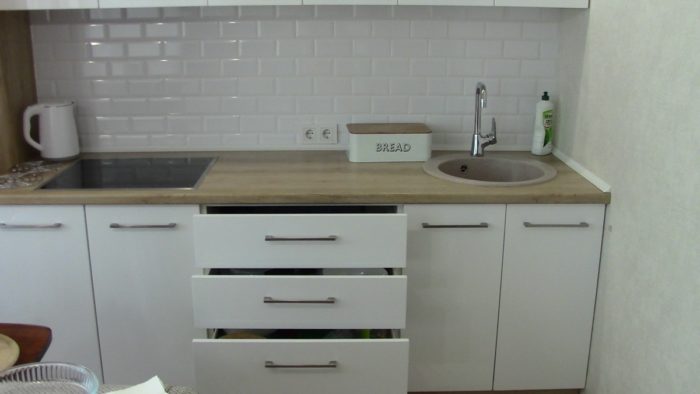
If you want to save a reasonable amount without hurting the appearance or function, plan swing doors for most of the kitchen, use drawers where they are really needed (a silverware drawer and 1-2 for pots, and so on), and try to avoid lift mechanisms, especially ones that lift more than 1 front.
Lift-up upper fronts:
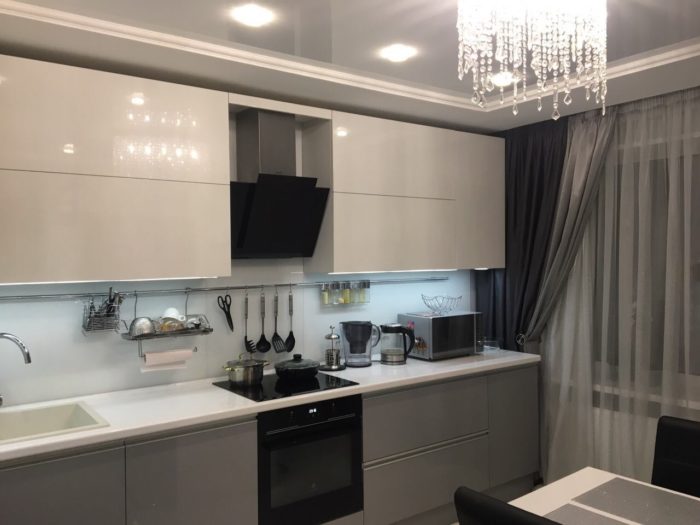
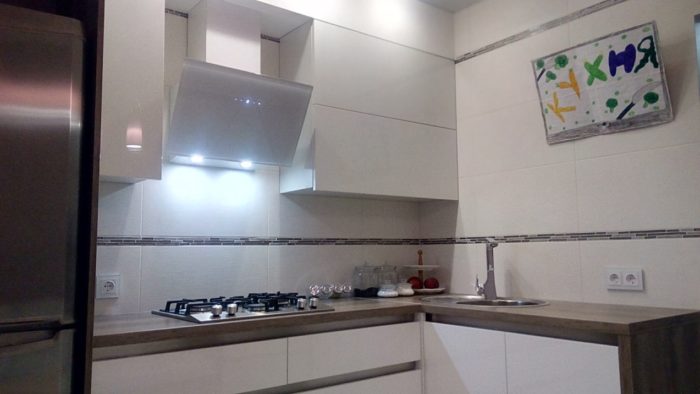
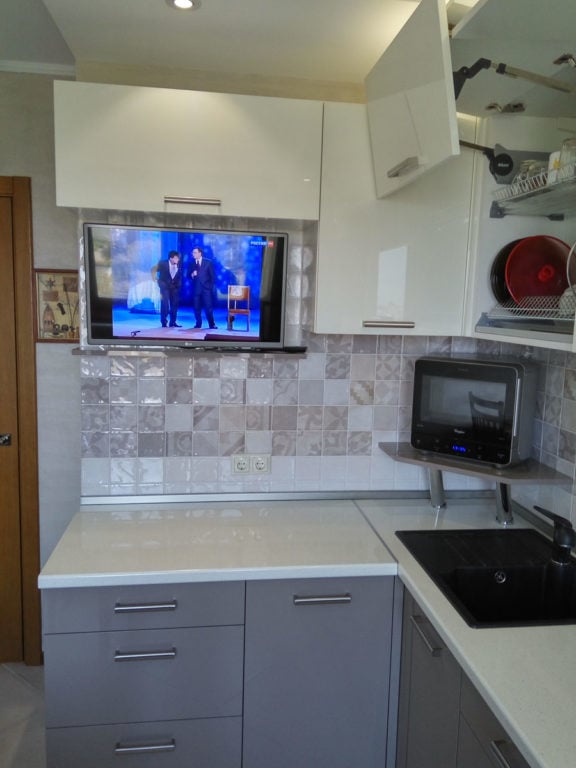
Swing fronts:
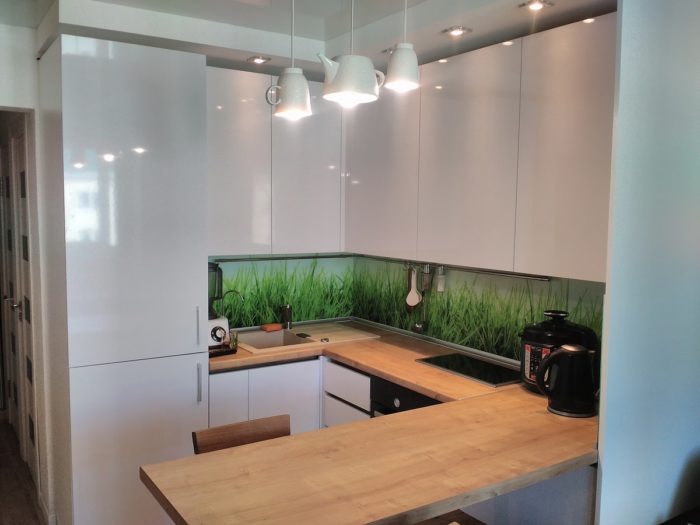
Drawers are needed in at least 1 module:
Choose handles according to your taste, keeping in mind the rule that no handles at all are better than handles when convenience does not suffer. For example, upper swing fronts do not need handles at all. They are easy to open from the bottom.
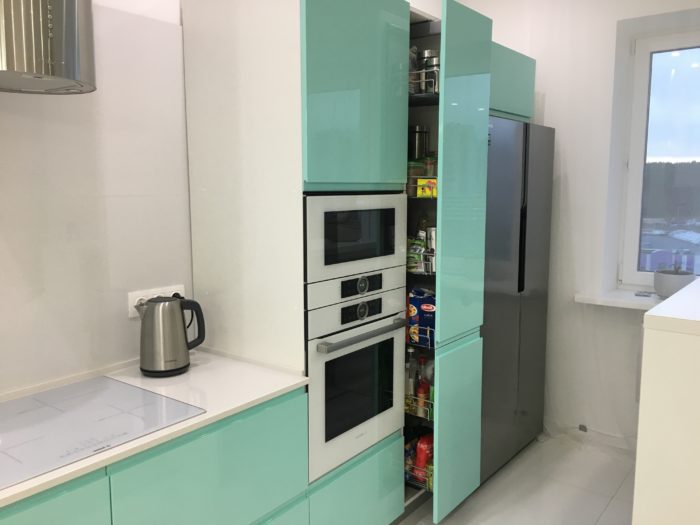
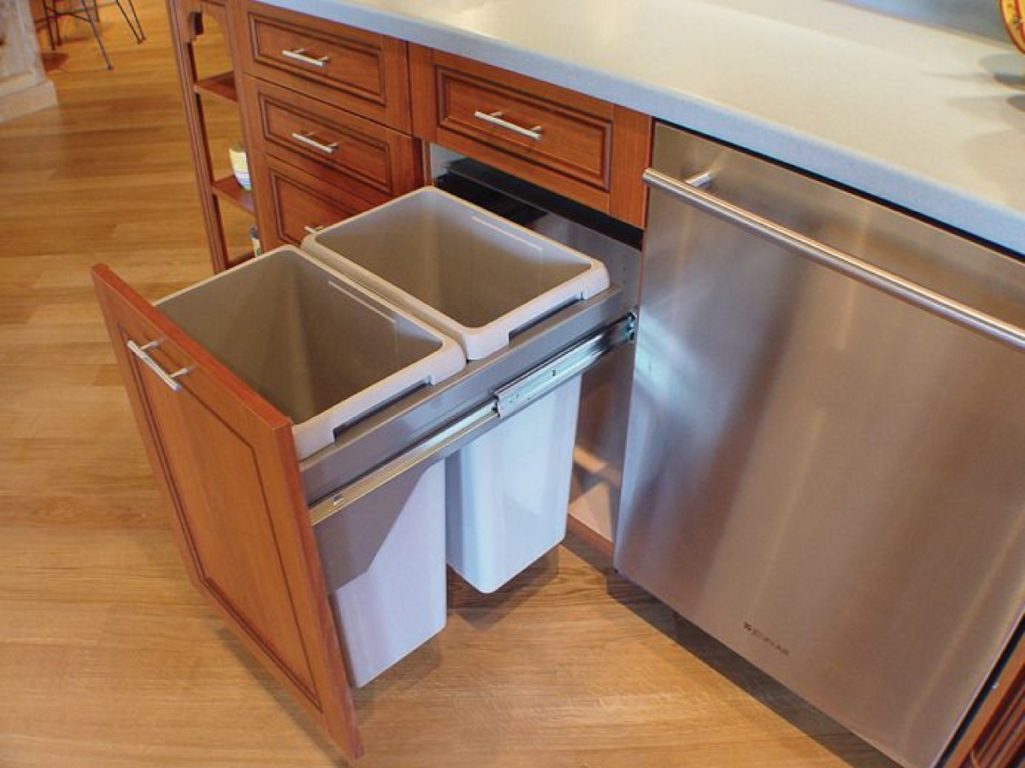
There is a bunch of different hardware for corners, trash cans, push-to-open doors, and so on, but none of that is required. It is better to pester the particular cabinetmakers with questions about it.
Which Kitchen Shape to Choose
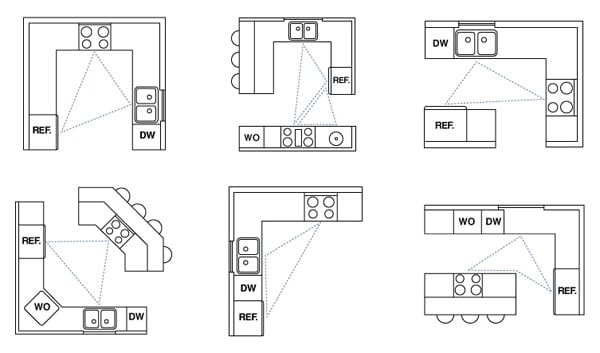
Standard ways to arrange cabinets in kitchens up to 65 square feet are L-shaped (L-shaped and U-shaped), linear, and island layouts. Small kitchens and kitchens that are close to square should be L-shaped. A linear arrangement works better in a long, narrow galley kitchen. You can also put cabinets on two walls instead of one, with the two runs parallel to each other.
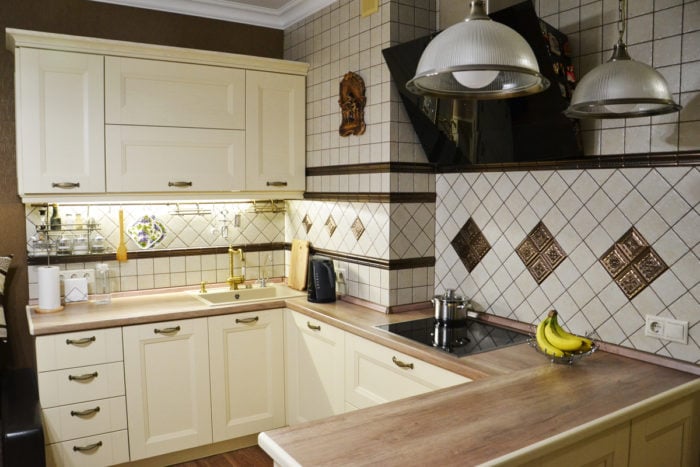
In an island or peninsula layout, the work area with the range and sink moves to the center of the kitchen. Kitchens with islands look cool, but first, they work only in large homes, and second, running drain and water lines to a sink on the island is not easy. But it looks very expensive.
The cabinet arrangement should follow the way you move through the kitchen while cooking: from the refrigerator to the work area, then the sink, the counter for cutting and preparing food, and finally the cooktop or wall oven.
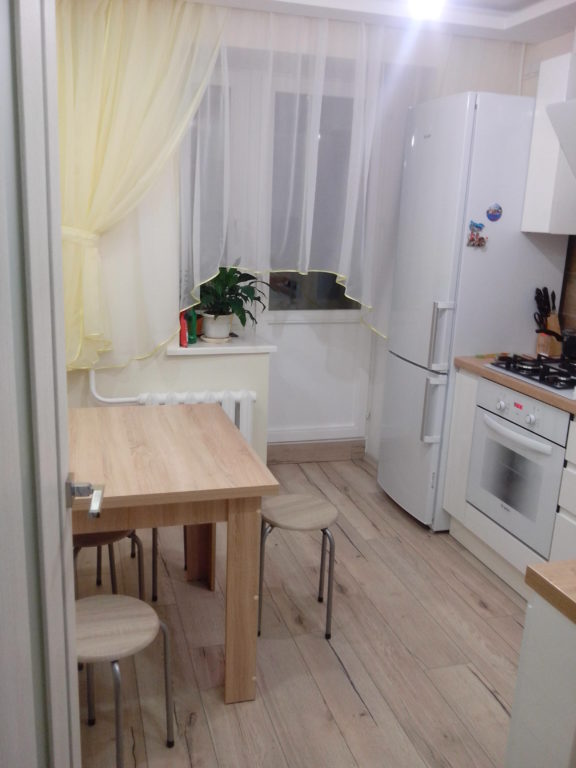
All modern refrigerators have reversible doors. They should open away from the cooking area.
Choosing Where the Kitchen Is Made
First, we will describe kitchens from different countries the way brochures do. Then we will tell you how things really are.
Germany. German quality speaks for itself – automated production prevents defects. But this furniture is also expensive. Manufacturers focus on modern-style cabinet sets, although the products are large and therefore work only in spacious kitchens.
Italy. An example of style, refined taste, and originality. The cabinets are often made with manual labor. Famous designers take part in creating the designs. Although Italian manufacturers make cabinets for every style, traditional kitchens are the most popular.
Sweden and Finland. This furniture combines simplicity, function, and environmental friendliness. Choosing Scandinavian manufacturers lets you get a natural-looking but stylish and functional kitchen for a moderate amount of money.
Local U.S. shops. Many local manufacturers use the same computerized equipment and global materials as larger foreign companies. Their quality can be comparable to imported cabinets, while the price can be several times lower. They also understand local homes and make cabinets to fit real kitchens.
In reality, people work everywhere, and they mess up as much as they can get away with while keeping their jobs. Competition in custom kitchen cabinets is simply fierce, so even small local shops now make them well. They often use the same equipment for processing fronts, and much of the material and hardware comes from the same large suppliers.
So the only advantage of imported kitchen cabinets is bragging rights. It sounds so cool to say that your kitchen came from Italy instead of being cut in a warehouse on the edge of town. The truth is that there may be no difference in quality at all, or it will be tiny. Overseas labor, shipping, customs, and a bunch of middlemen all go into the price of the kitchen. That is why imported kitchens cost more. It is not because of quality.
Choosing a Kitchen Color
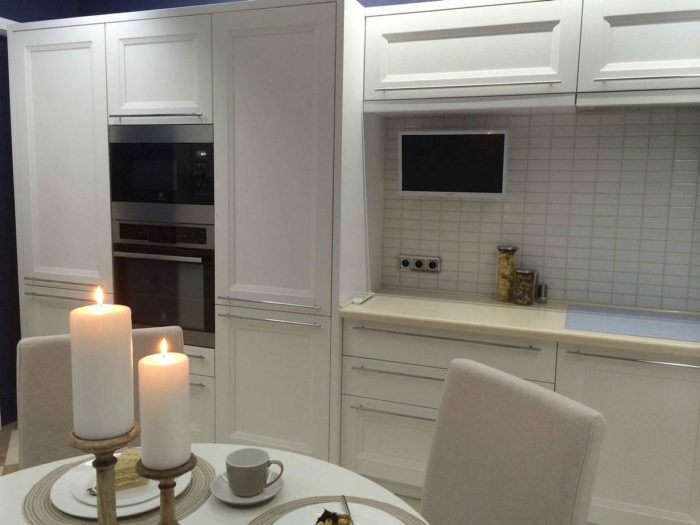
This is mostly a matter of taste, but there is one universal option – a white kitchen with wood countertops. It is the ideal combination of appearance, price, and practicality. It is also almost impossible to ruin. Seriously, many people have tried and made everything else look absolutely awful, but the result was still at least decent.
Glossy white is the best color for a kitchen. Just trust our experience. It is super practical; dirt is not visible on it at all. AT ALL. Yes, that is counterintuitive, but trust us, it is true.
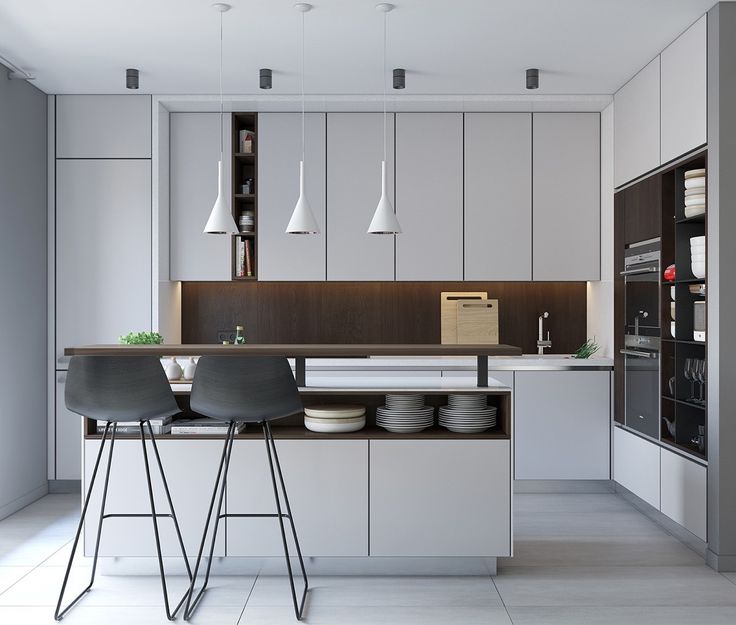
All other kitchen colors are a matter of instinct. In practice, if someone has a favorite color and has always imagined the kitchen of their dreams in that color, it is impossible to talk them out of it. We only strongly advise against black and other dark colors. Black is a cool color, but not for kitchen cabinet fronts. It is extremely impractical in a kitchen and looks boring. The exception is matte black on a small part of the fronts. It looks cool, but the practicality problems remain.
Colors from white to gray are good and give you the smallest chance of making a mistake. Wood works as an addition too, but if there is too much of it, the appearance suffers. Bright colors greatly increase the chance of a tacky look.
We hope this information is useful to you and that our bluntness saves at least someone from mistakes when choosing kitchen cabinets. Good luck!
And here is a picture of the list from the beginning of the article: