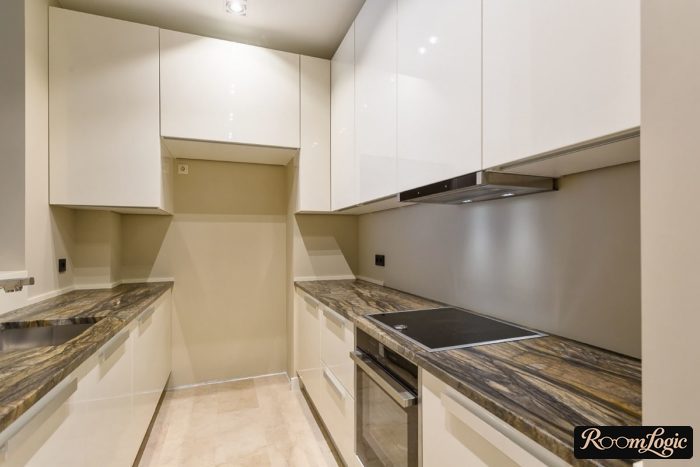
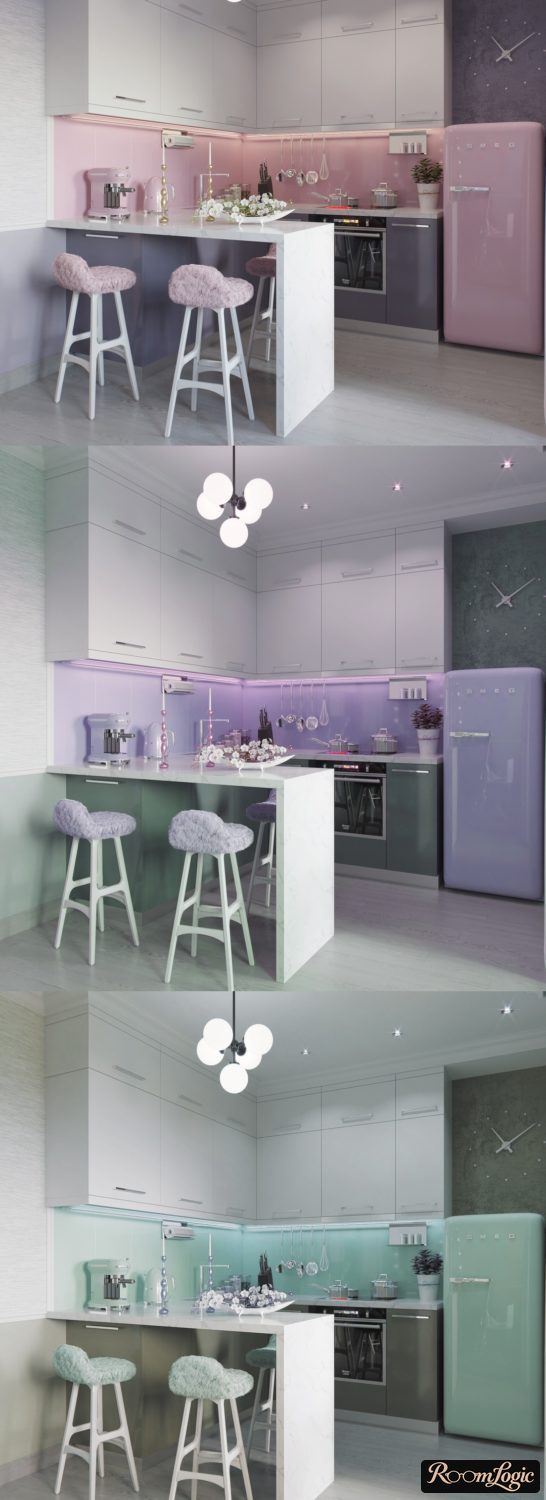
The role of the kitchen backsplash is underestimated:
Because the area is small, you can make the backsplash a cool accent without spending a ton of money.
The 2 most modern backsplash options are tile and glass. But we will go through the pros and cons of every material.
I will not keep reminding you about this, but consider the size of the kitchen and the density of objects that comes with it. The smaller the area, the greater the concentration of kitchen utensils and the fewer details the backsplash itself should have (meaning no patterns, colors, and so on).
Technical Details When Choosing a Backsplash
Backsplash Area Dimensions
The standard backsplash height is about 20–24 inches, depending on the height of the people in the home and the type of range. With tile, a common layout is two 12-inch rows plus the grout joint, although this is no longer a strict rule and tile comes in many sizes. If the range hood is not built in, place it at the clearance required by the appliance manufacturers, often around 24–30 inches above the cooking surface, which means the backsplash will be taller. This is important if you plan to use a glass panel because it will cost a little more to make, or you will have to finish the wall between the edge of the glass and the hood with something else. When calculating the height, allow about 1 inch at the top so the backsplash extends behind the cabinets.
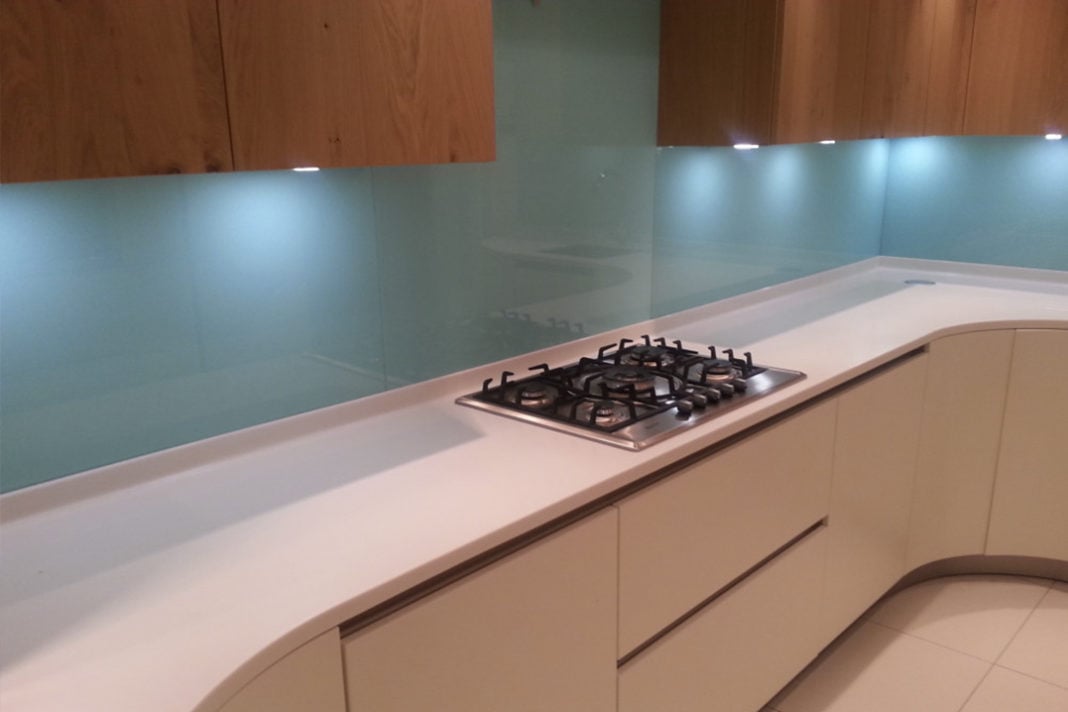
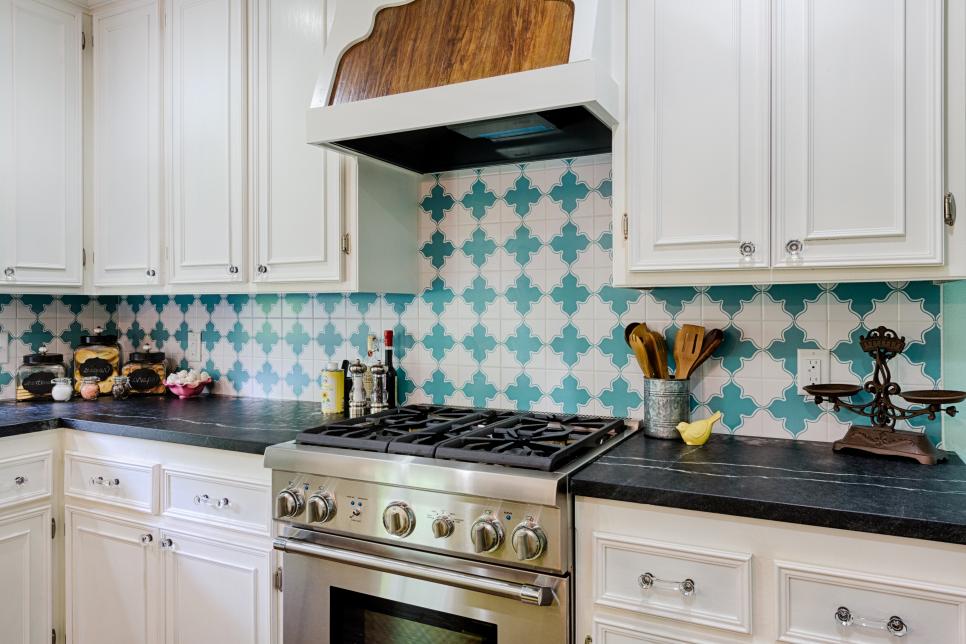
The work surface should continue around the entire kitchen, not be limited to little islands behind the sink and range. Although water and dirt get behind the sink and range more often, the other areas are still not safe. This is not the place to save money.
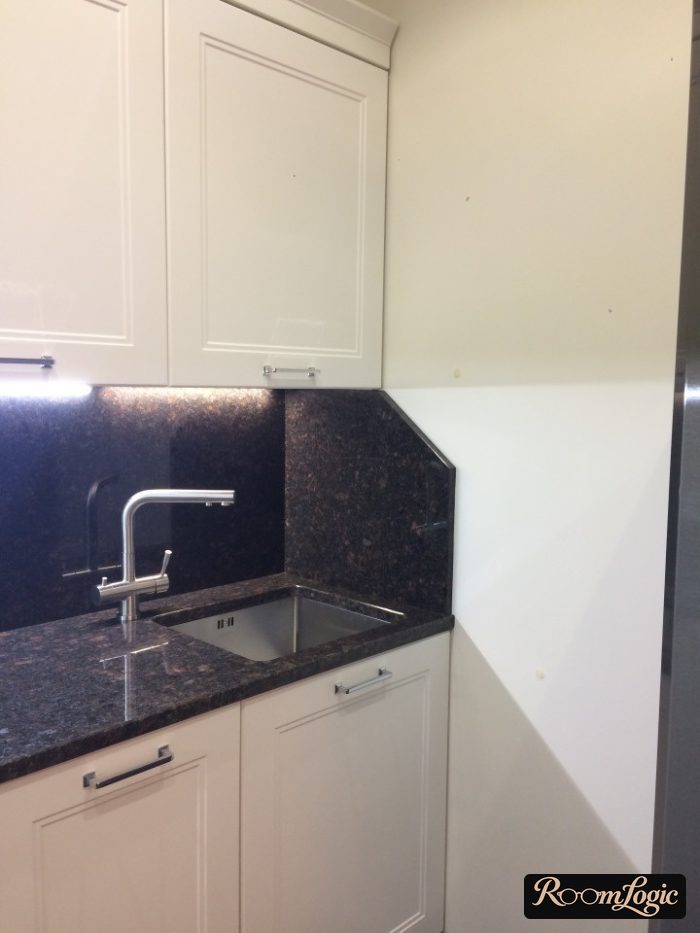
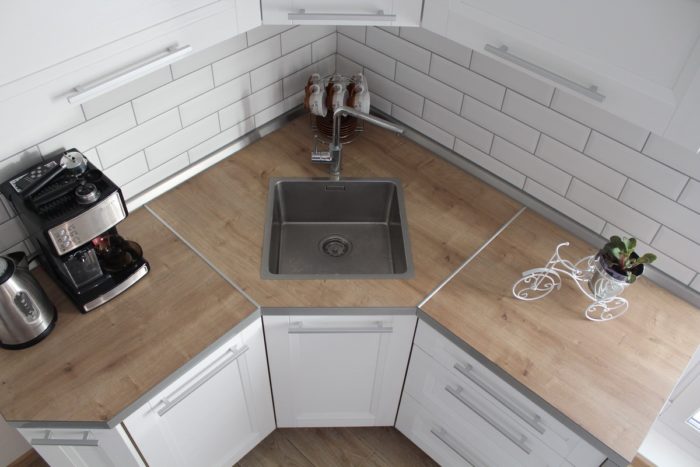
If the sink is in the kitchen corner, continue the backsplash onto the perpendicular wall too – the areas around the sink are always the dirtiest.
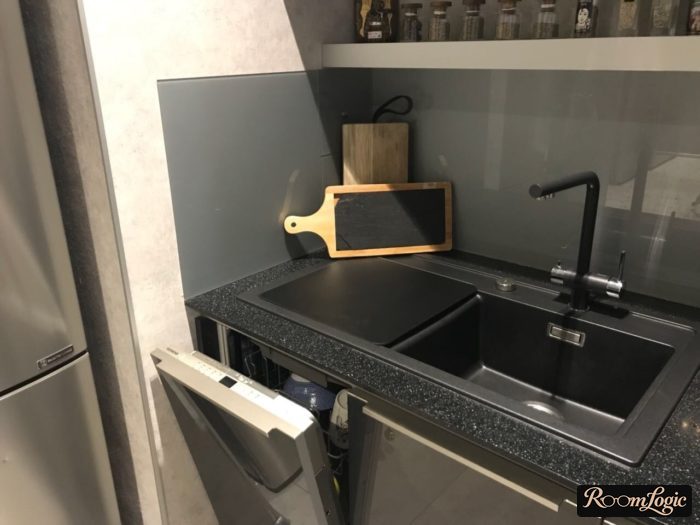
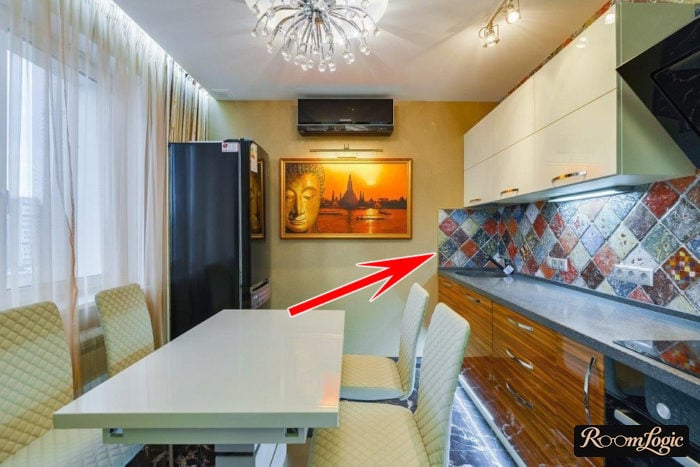
Backsplash Design and Color
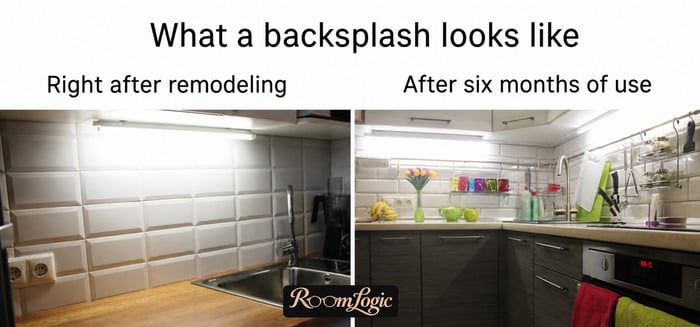
The backsplash color matters for kitchen design, but not for practicality. There are many kinds of kitchen dirt, so whatever backsplash color you choose, there will be contrasting spots that show on it.
That is why texture is the most important thing in a backsplash. The texture should not be uniform because every spot will show immediately. And the opposite is true: small spots are not visible at all on a contrasting, uneven texture. The best option is an imitation of a natural material: concrete, marble, wood, or stone. Or any patterns; patterns are often used in Scandinavian kitchens.
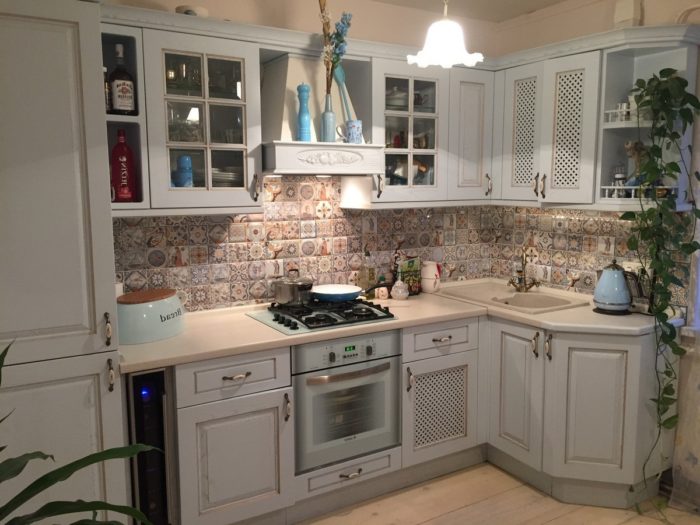
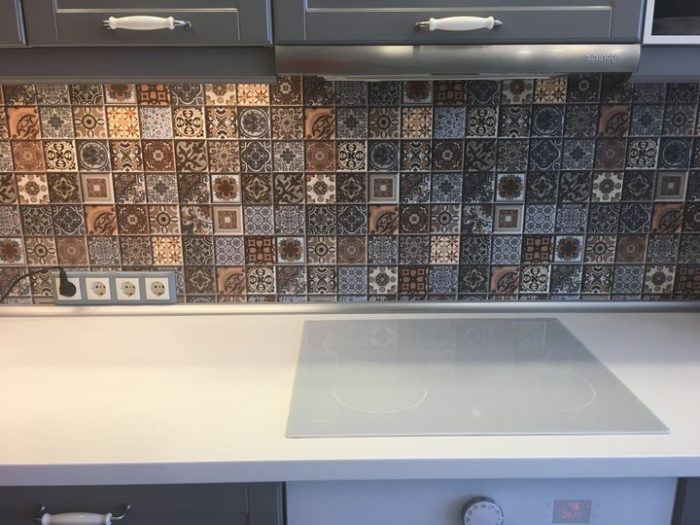
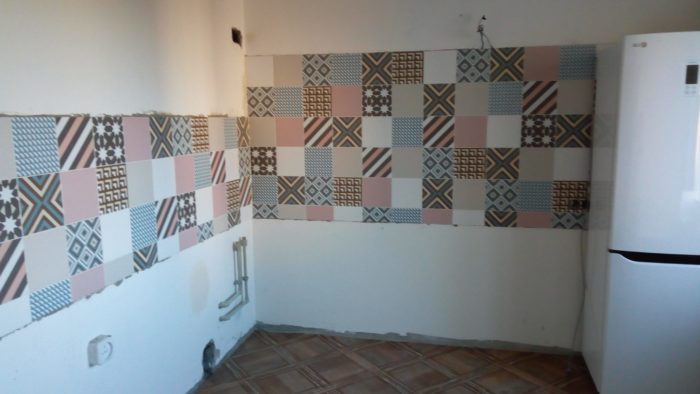
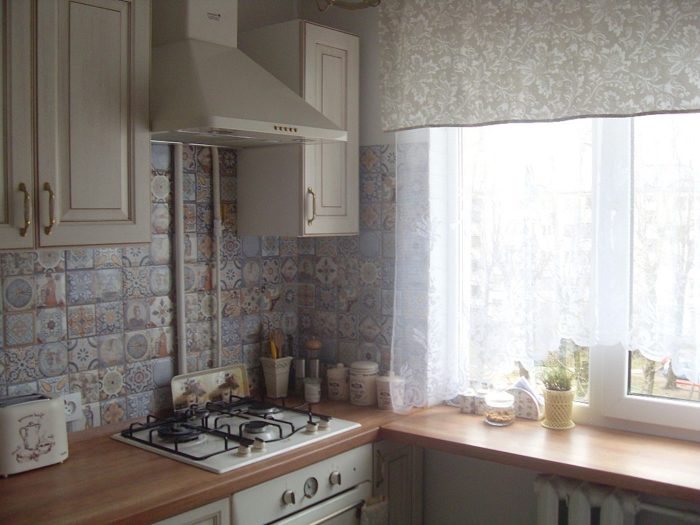
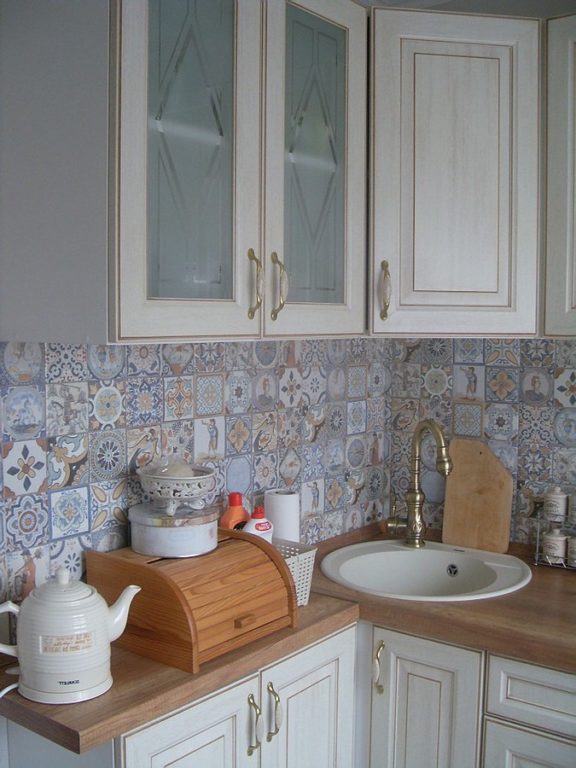
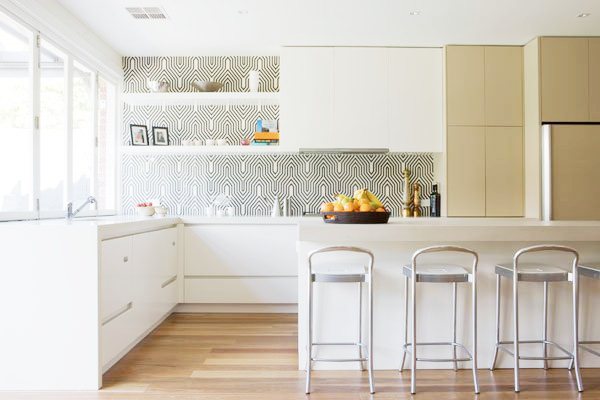
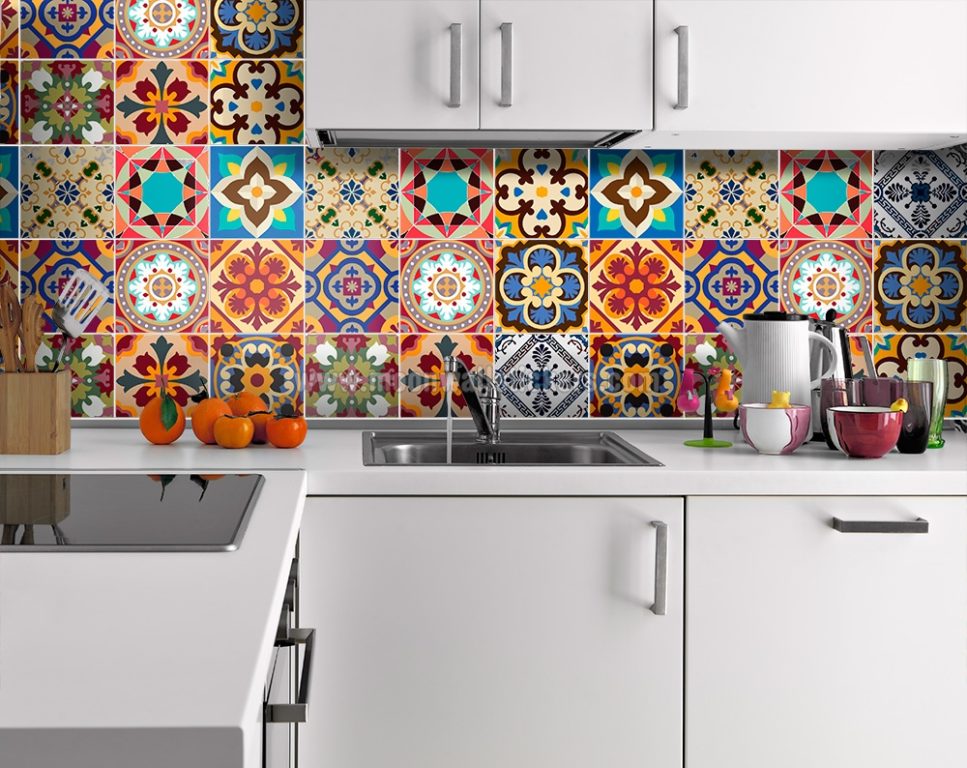
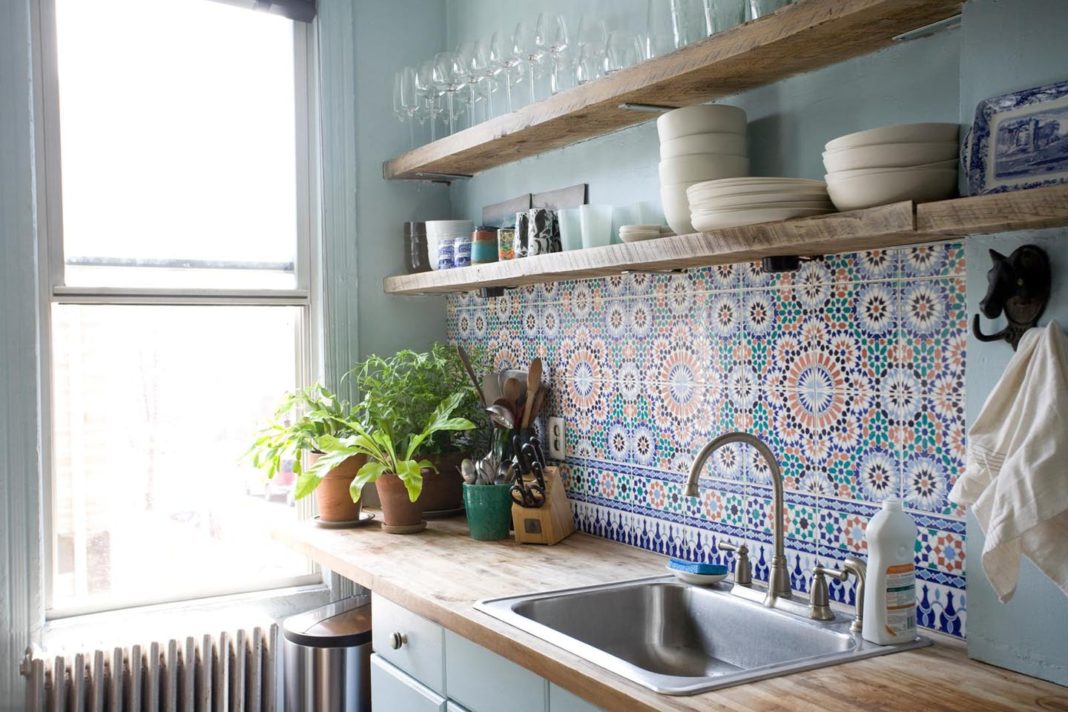
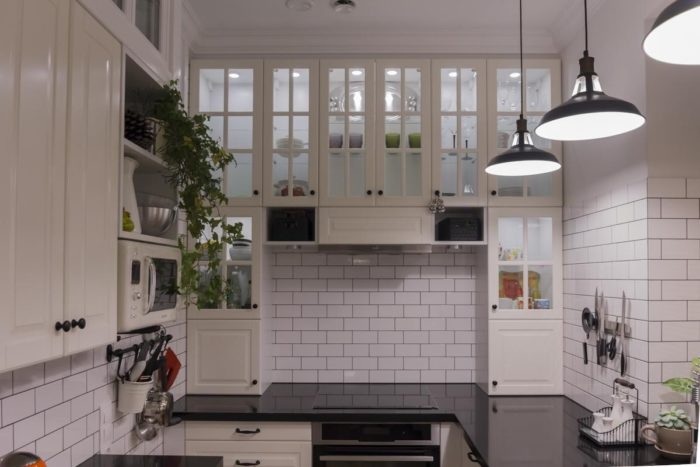
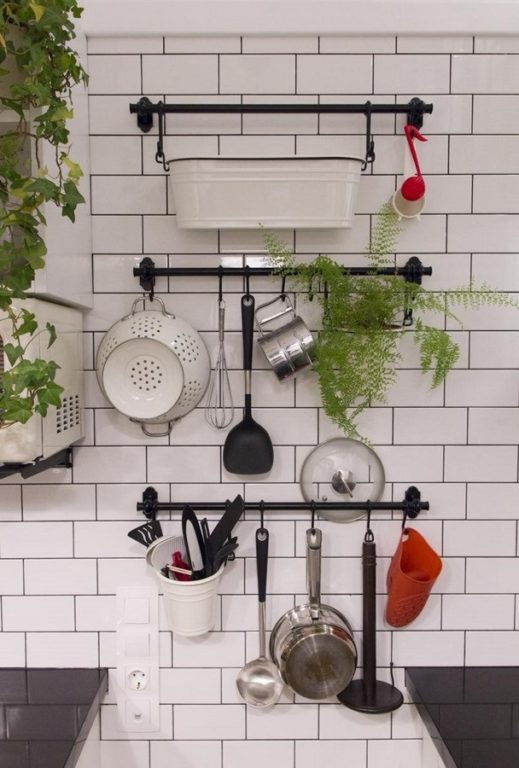
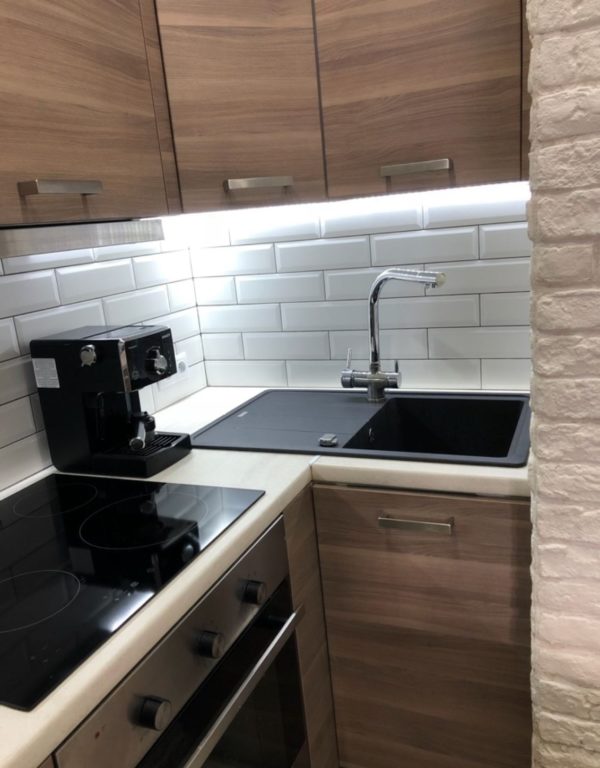
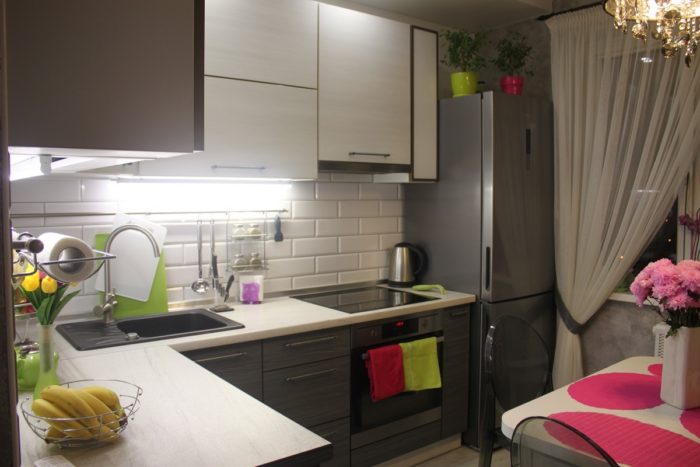
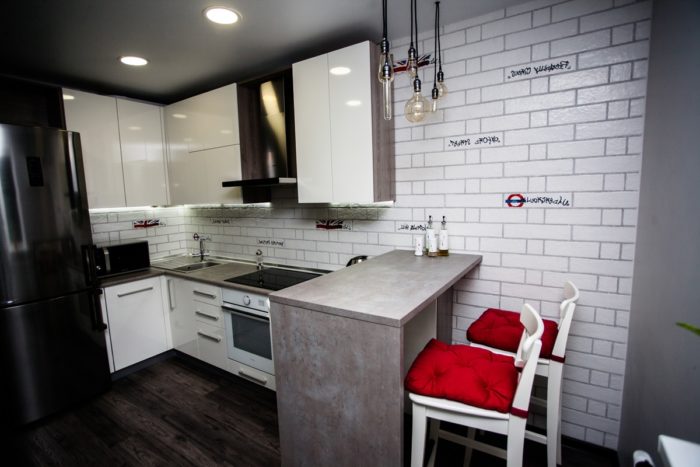
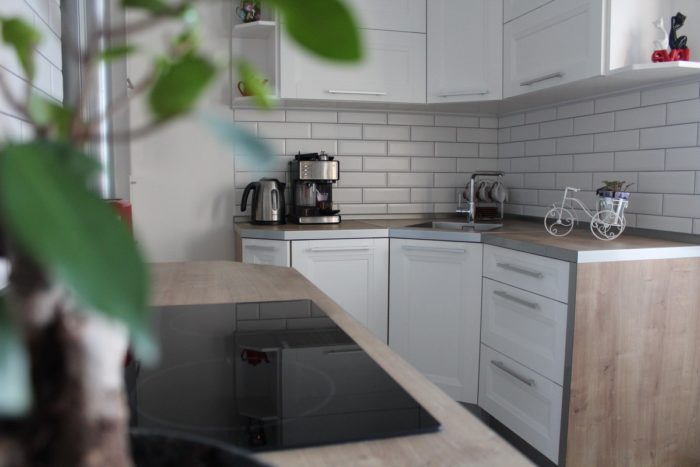
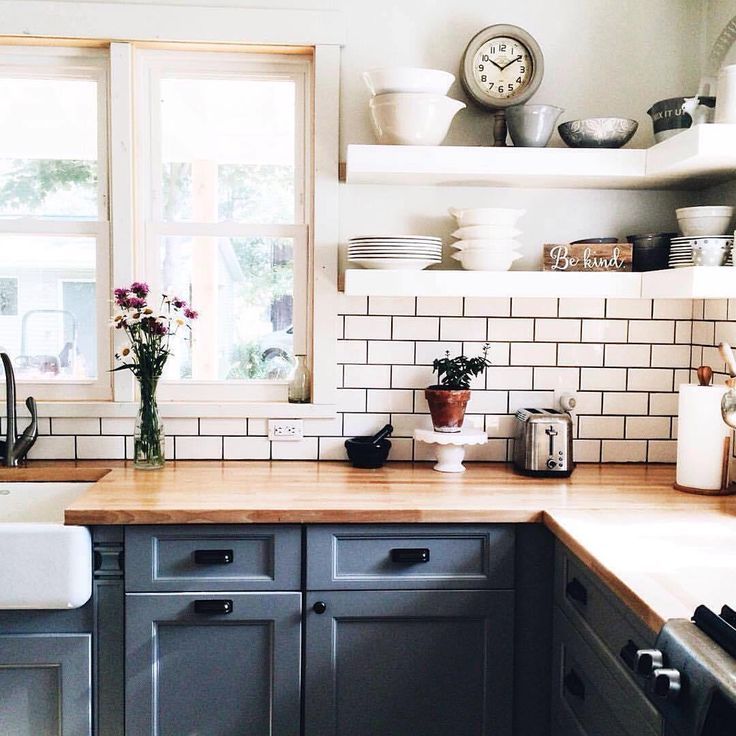
Light tile is much more practical than dark tile because most spots are wet, and water leaves mineral spots after it dries. Although light tile is a perfectly workable option, the backsplash grout should not be white. Dark shades of gray are best in appearance and practicality (see the article about gray kitchens). White tile with dark gray grout looks quite good:
If you want something bright, look in advance at kitchen curtain photos and, separately, curtains for patio doors. Glass backsplashes and textiles are the 2 best accents, and they should work together.
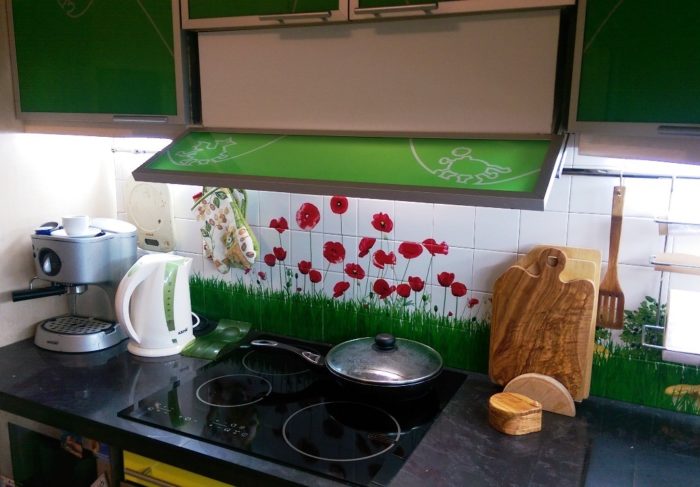
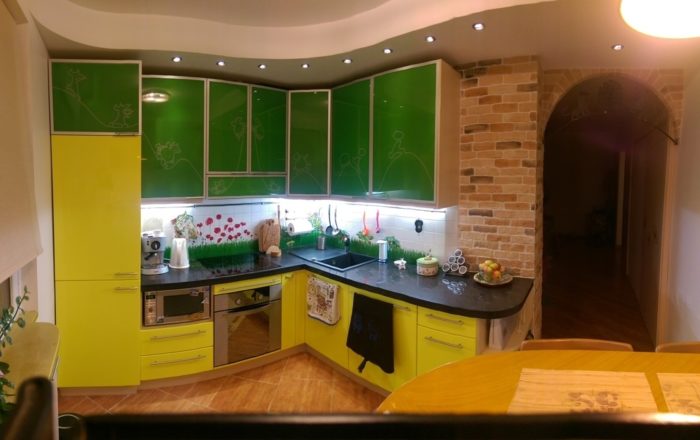
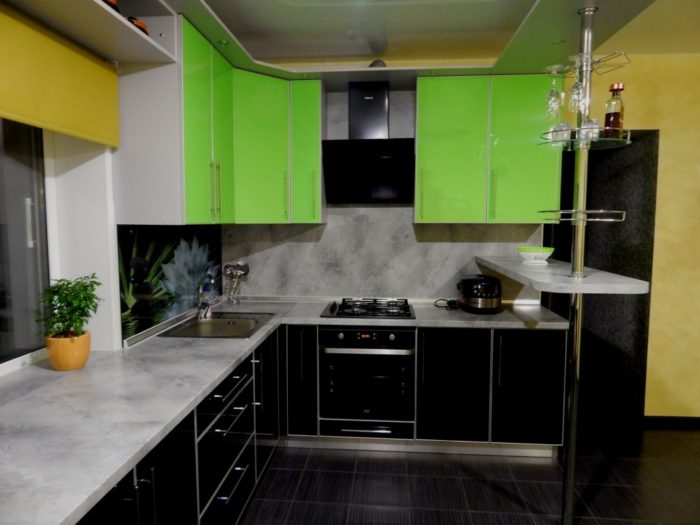
If you plan to make the kitchen monochrome, remember that you will always have many cooking items that are not easy to find in black and white. Combining a monochrome kitchen with shades of green, such as lime green, is a good idea. This natural combination is always relevant, and most importantly, plenty of kitchen utensils come in lime green, including cutting boards, oven mitts, trivets, and so on. There is an interesting combination: a white kitchen with wood countertops and a glass backsplash with an image of grass behind it. The colors are borrowed entirely from nature.
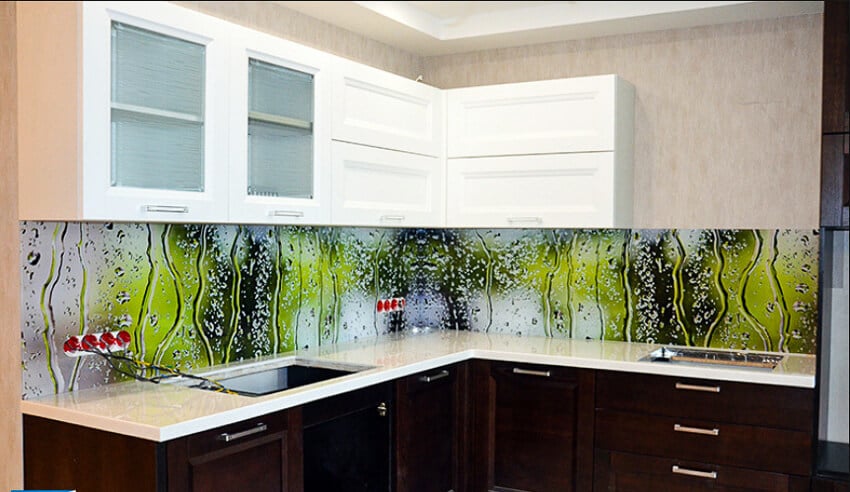
If you have a small kitchen (lots of photos), use only solid-color options without complications.
Materials for a Kitchen Backsplash
Let’s sort out the options and what to choose:
- Ceramic tile
- Glass
- The same material as the countertop: laminated MDF or particleboard
- Mosaic
- Plastic
- Photo tile
We will look at all of them, but.
Only the first 3 are sensible modern options. They meet the requirements for durability and practicality, and the number of possible looks is almost infinite. The third option is closely tied to choosing kitchen cabinets.
Photo tile is bad and loses to glass. Plastic looks cheap and bad; you can always find inexpensive tile that will still look much better than plastic.
1. Tile Kitchen Backsplash
We will compare tile specifically with glass. Features of tile:
- A huge selection of sizes, colors, and textures.
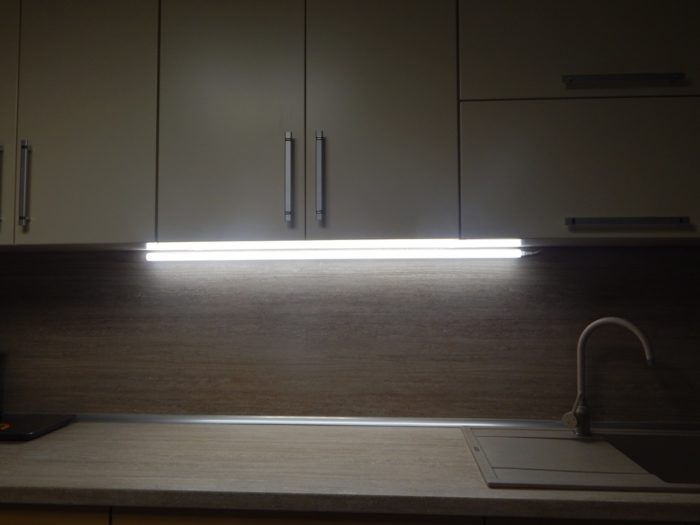
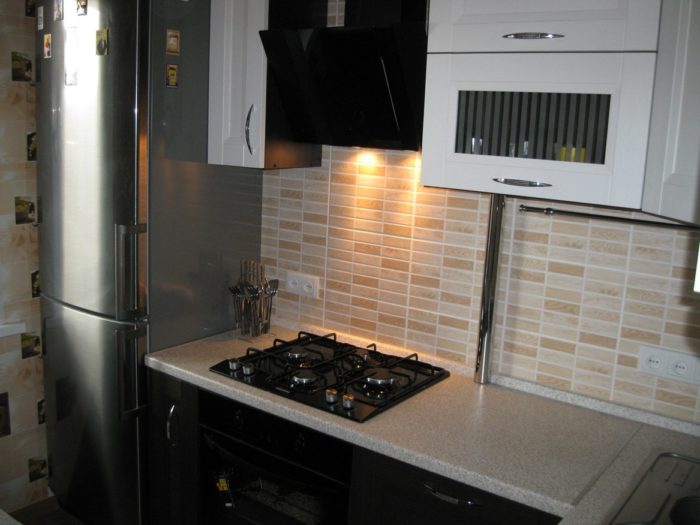
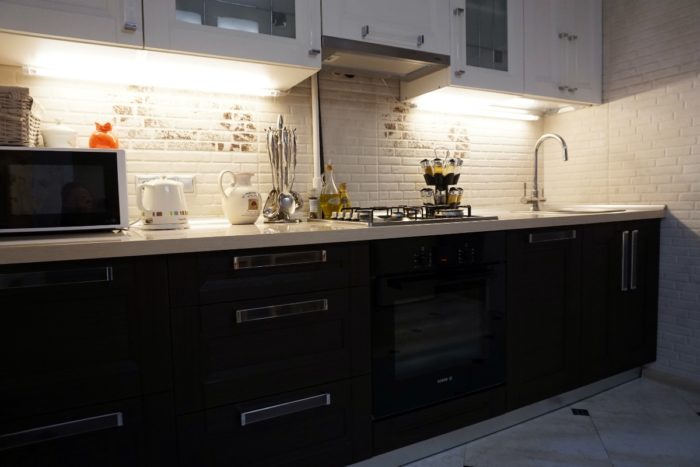
- Unlike glass, it can have deep texture, which means it will look much cooler under the lighting that is almost always built into the upper cabinets.
- The drawback is the joints between the tiles. This is not as critical if you know how to choose tile grout, but still.
The photos below focus on lighting as the main difference from the other options.
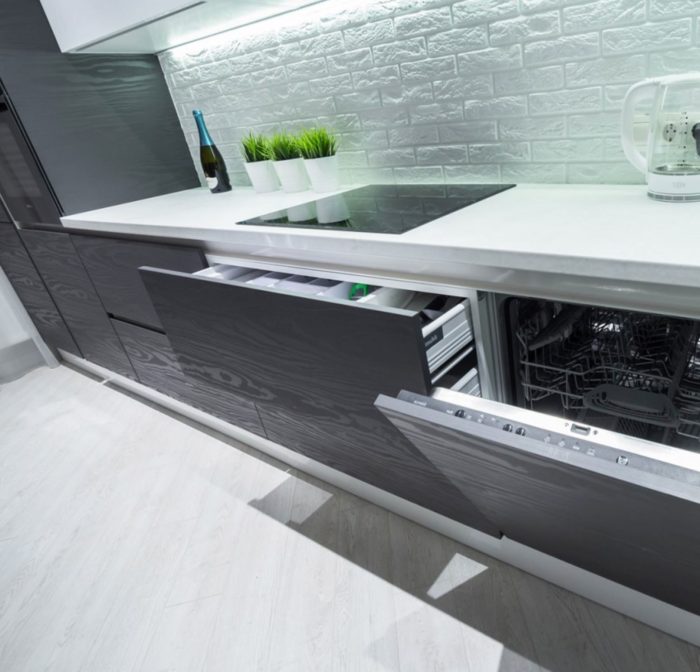
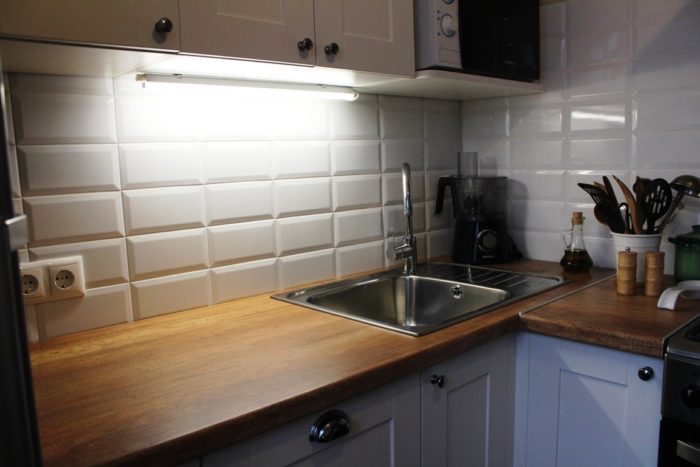
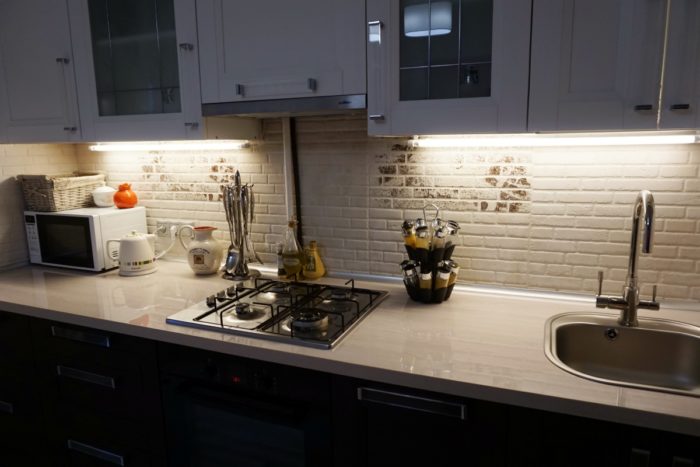
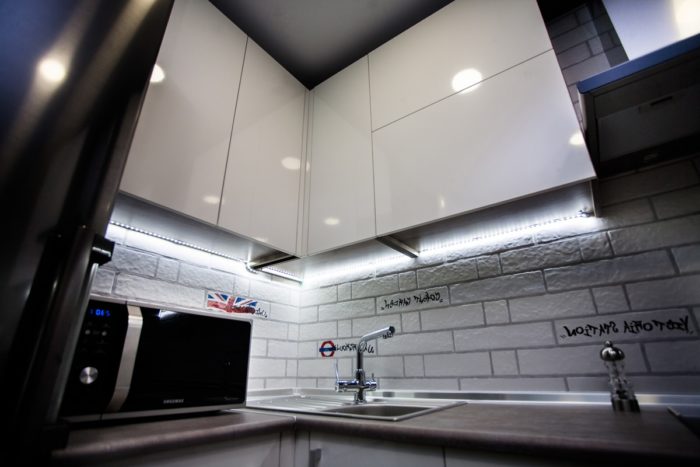
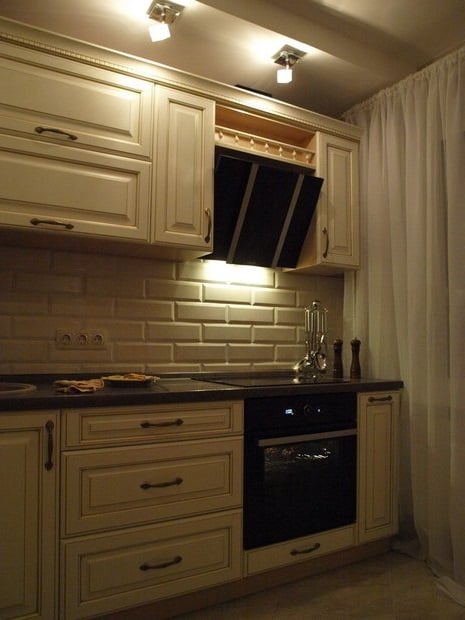
The backsplash area is rarely more than 22 square feet, even in large kitchens. That means you can buy expensive, cool tile and make the backsplash truly stylish. It is stupid to waste this opportunity – choosing more expensive cabinet fronts or a countertop will cost a large sum, while spending more on 22 square feet of backsplash is manageable.
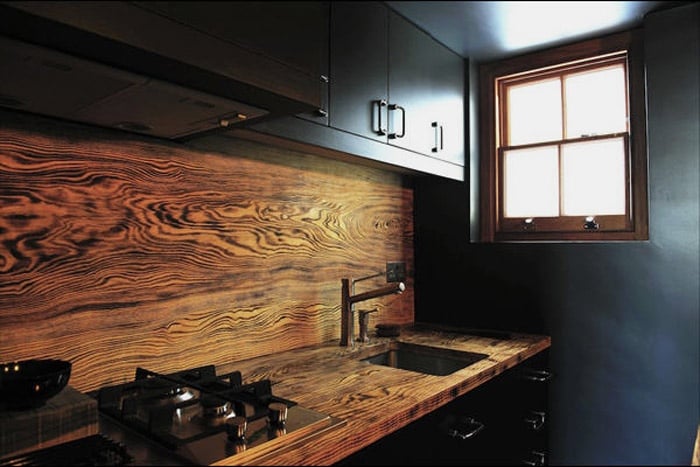
Tile imitating wood, concrete, or marble looks cool, but only when it imitates the texture too, not just the pattern.
White subway tile is still in style and probably will not leave it. It looks too stylish in both traditional and modern interiors. There is also no risk that it will look bad – white subway tile is the most common and proven option.
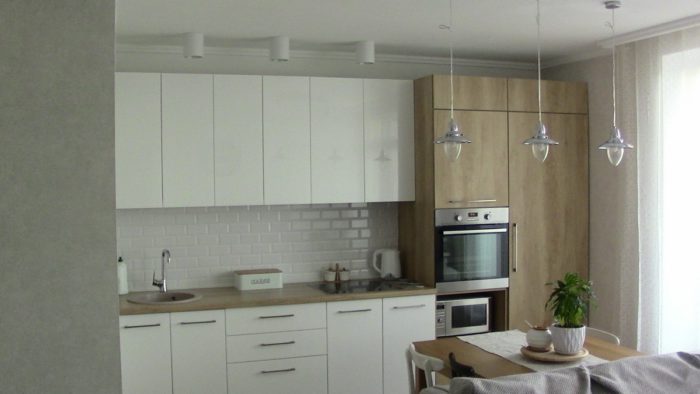
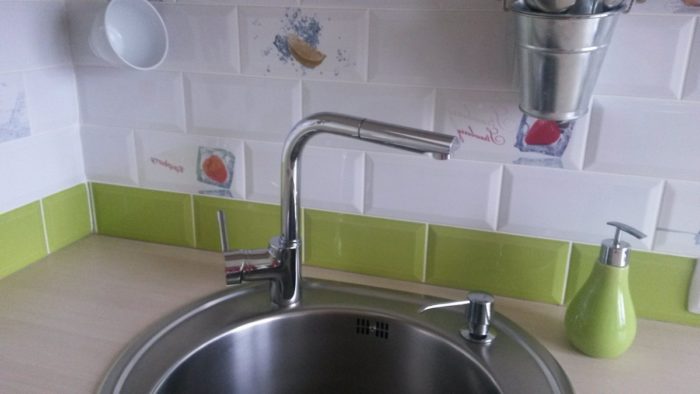
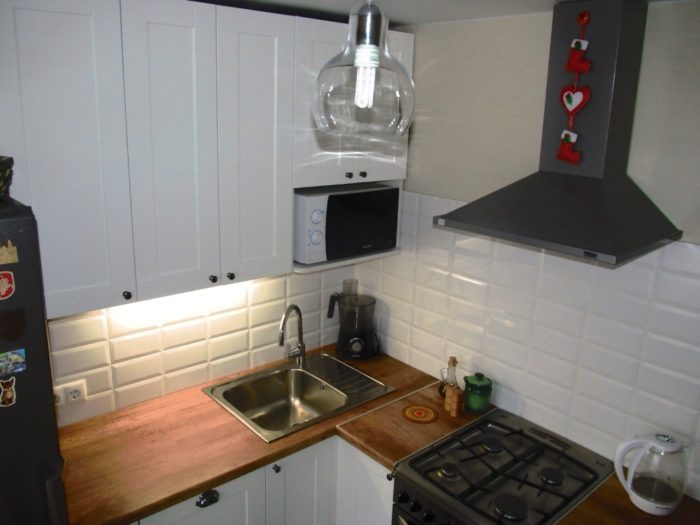
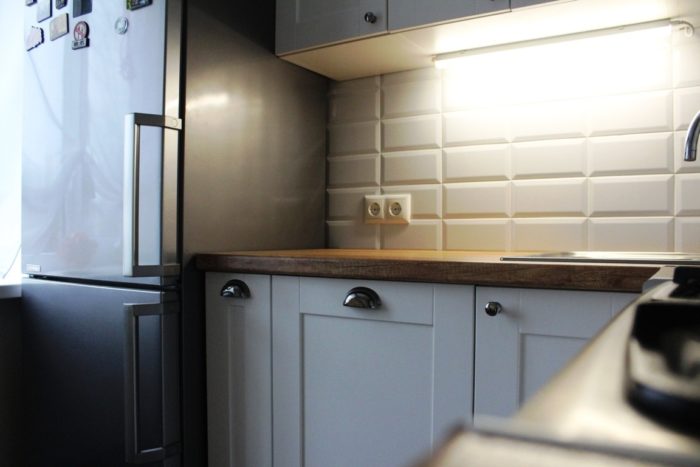
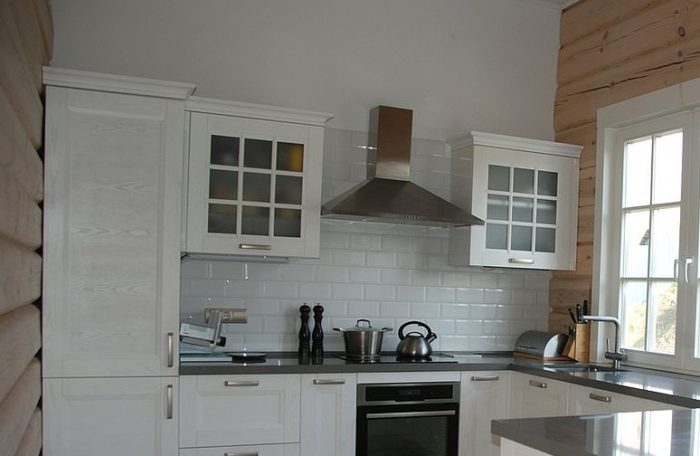
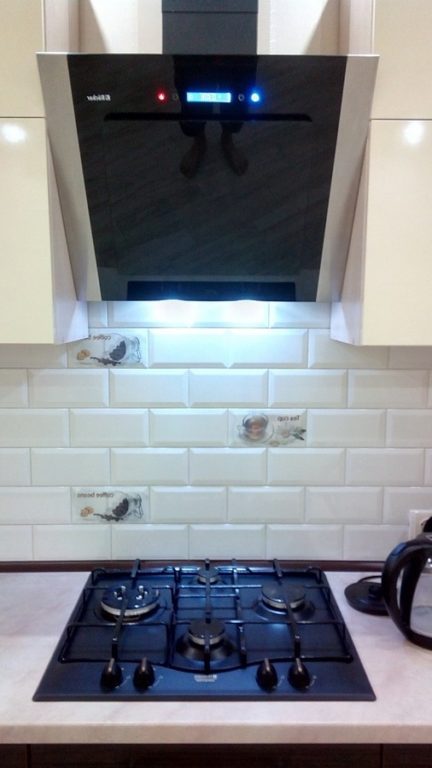
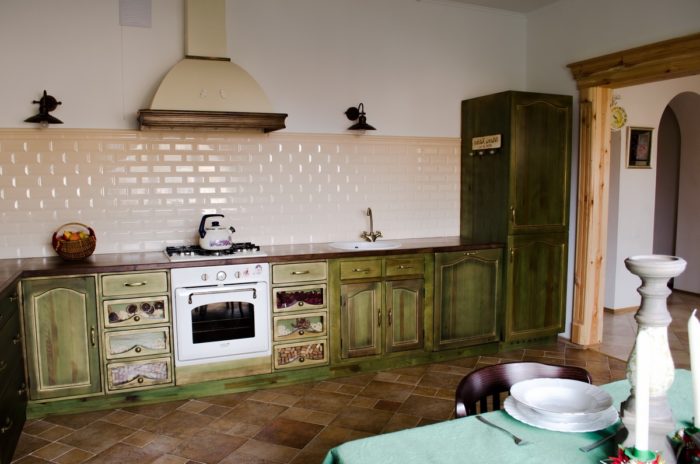
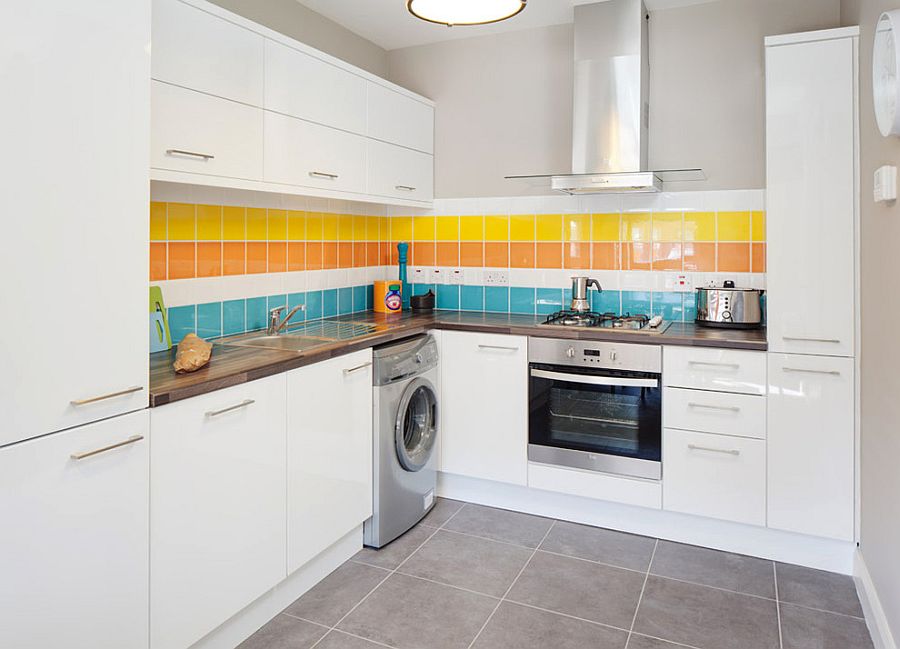
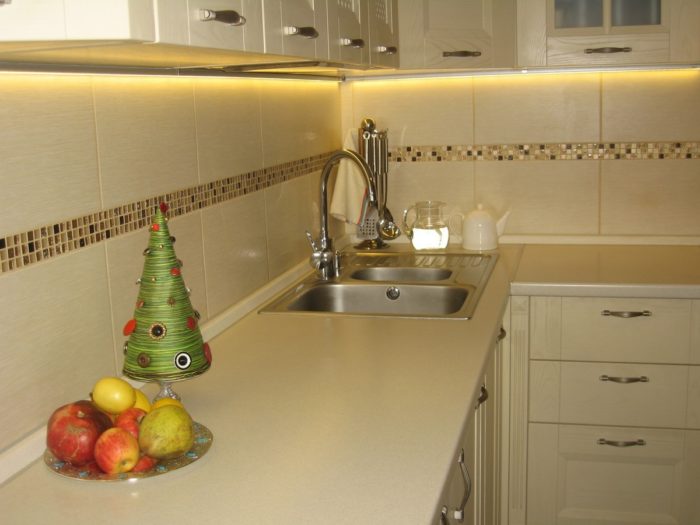
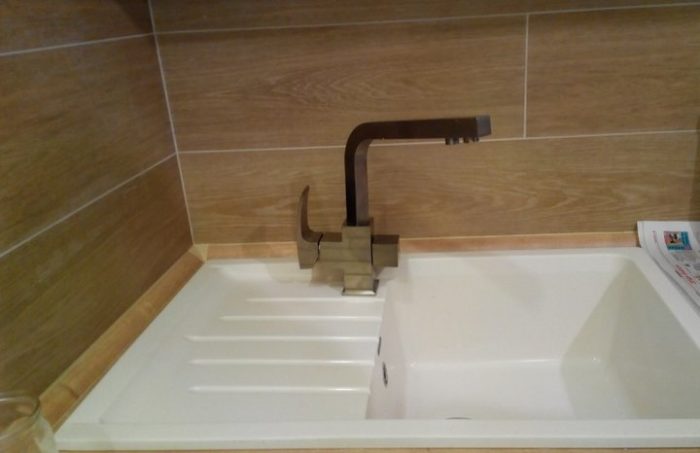
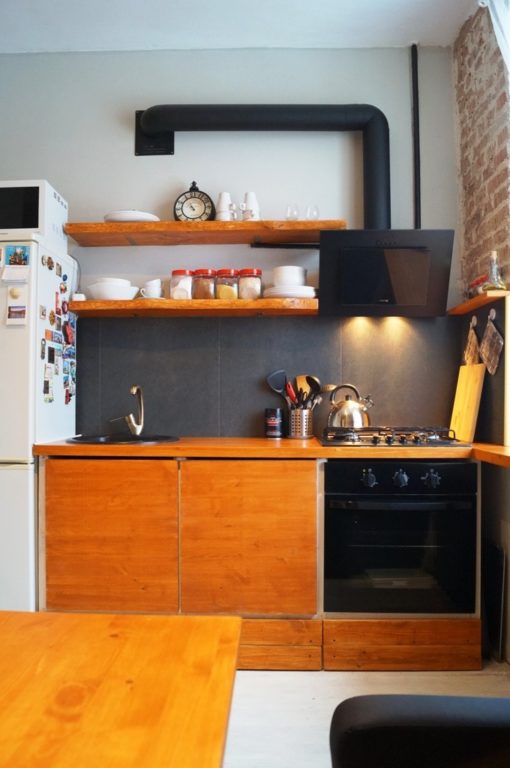
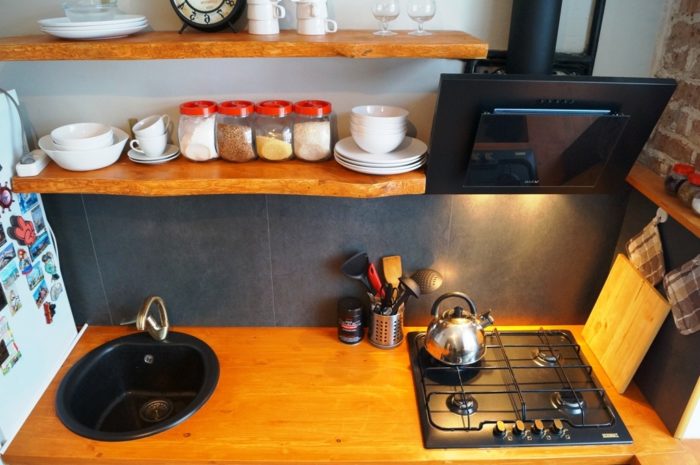
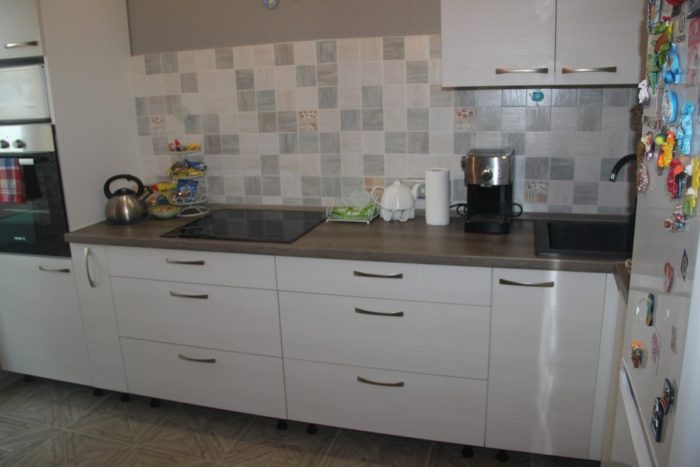
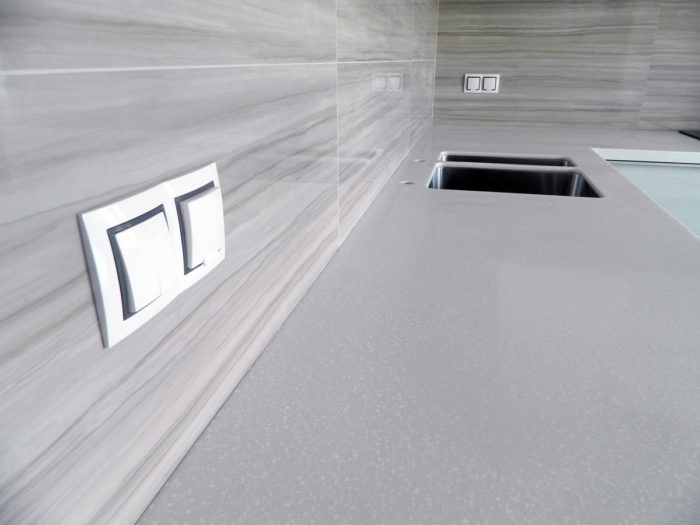
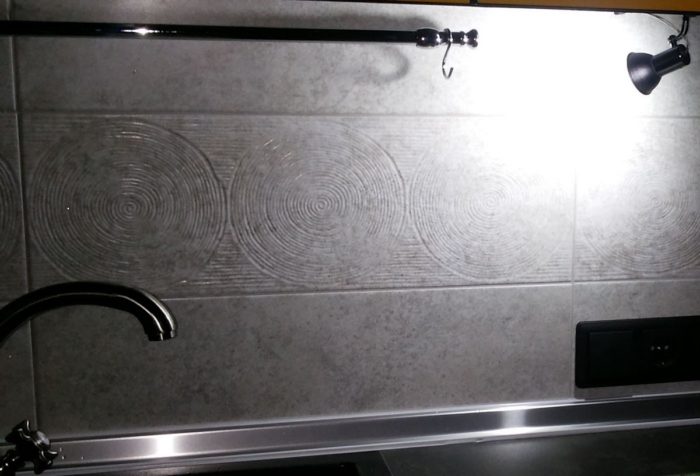
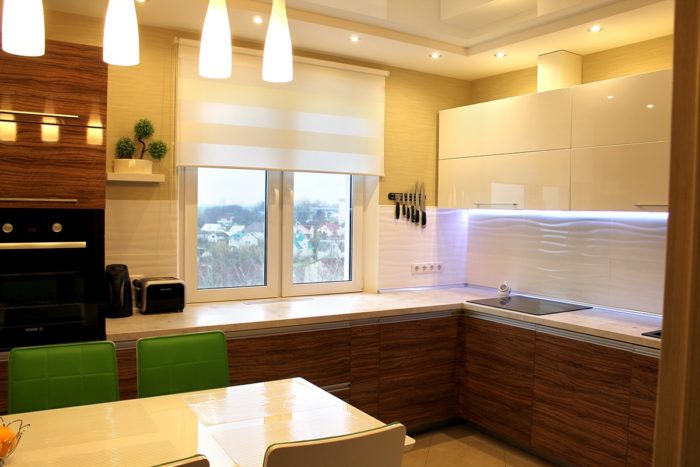
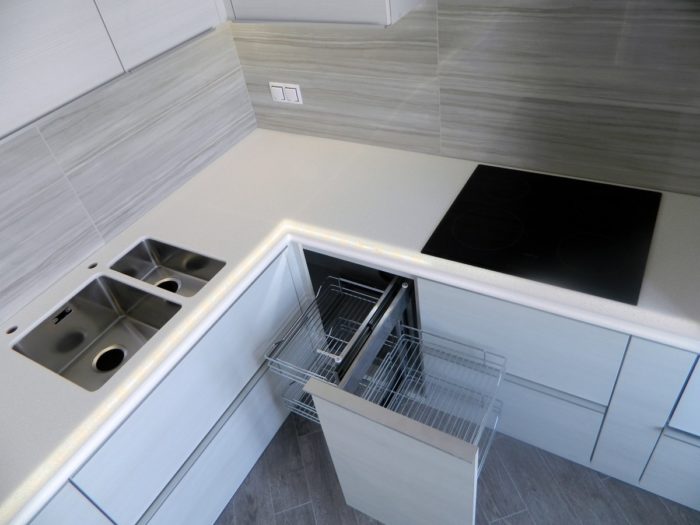
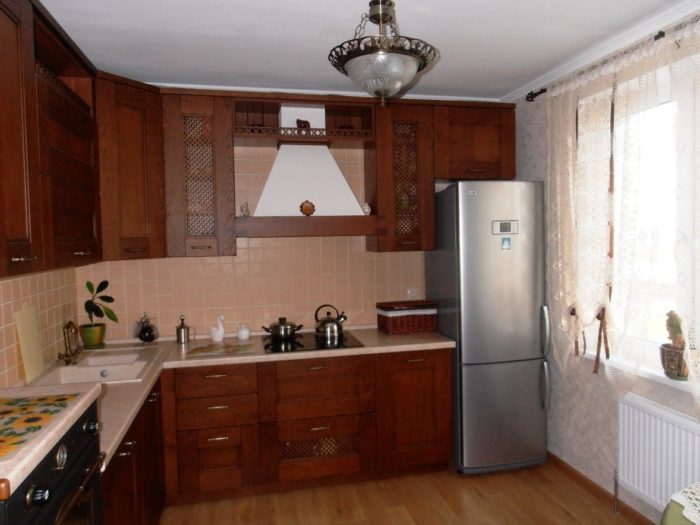
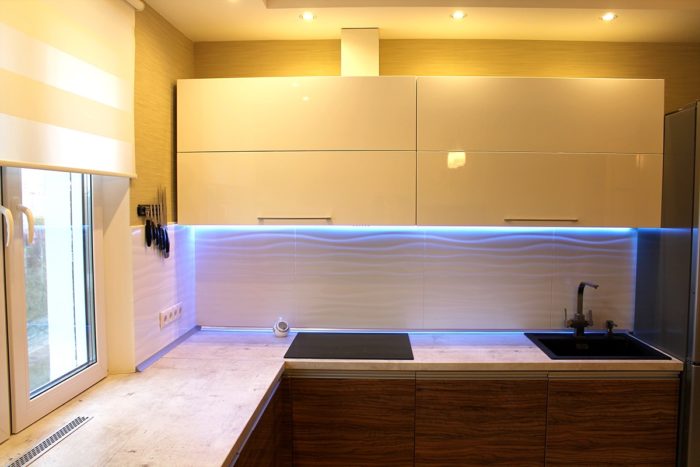
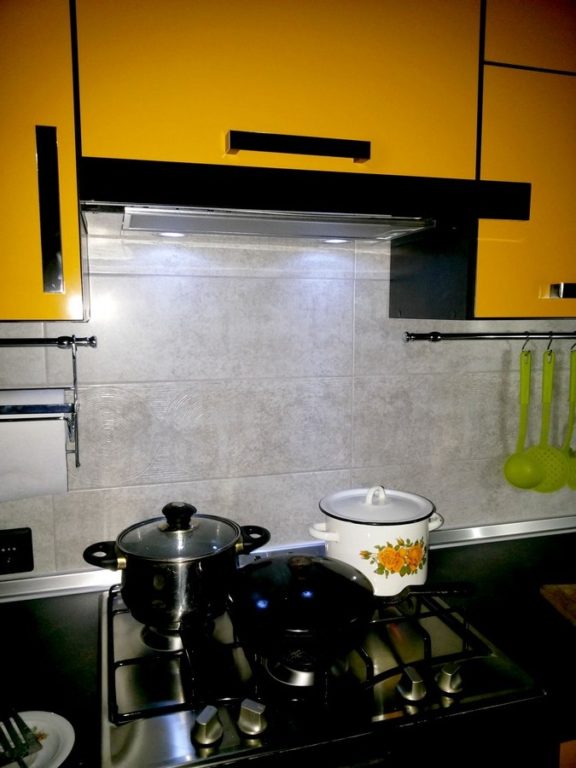
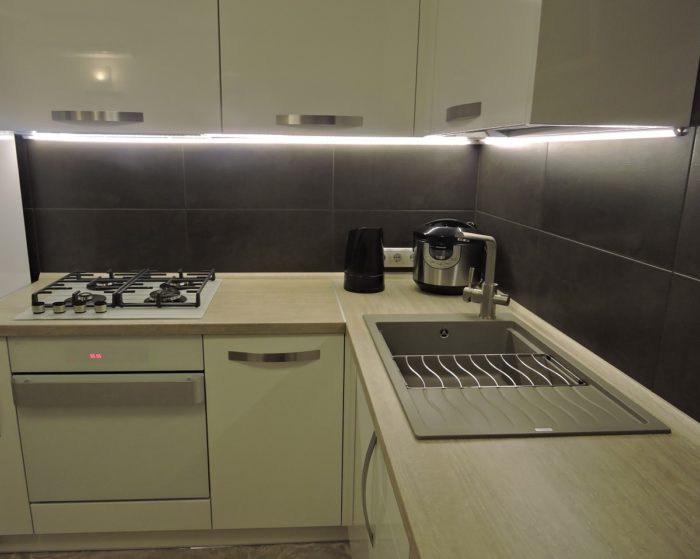
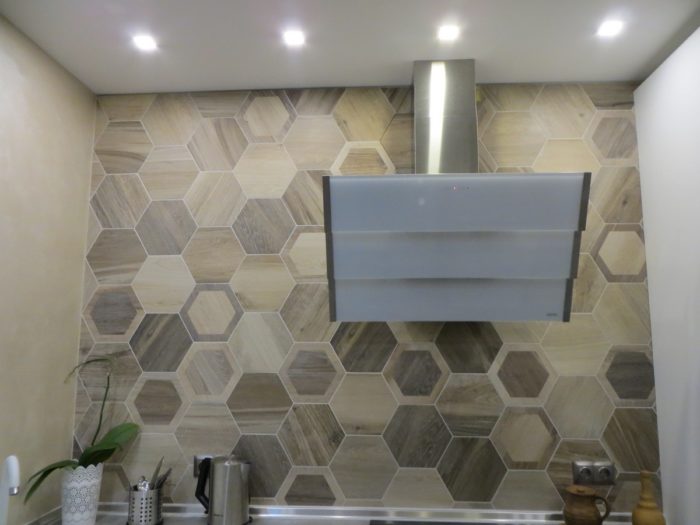
In traditional design styles, there is no backsplash alternative to tile:
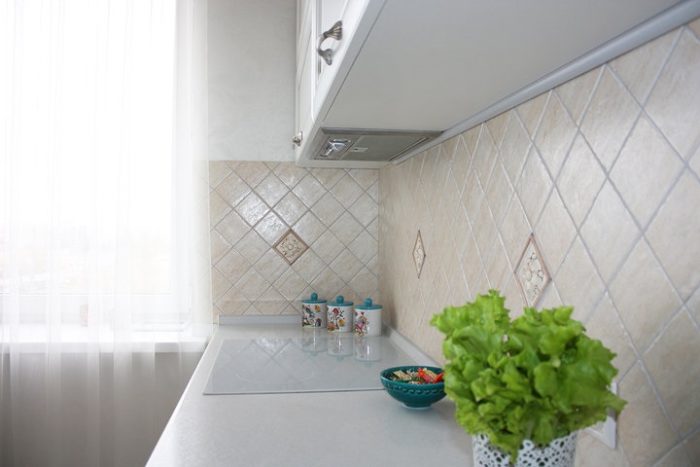
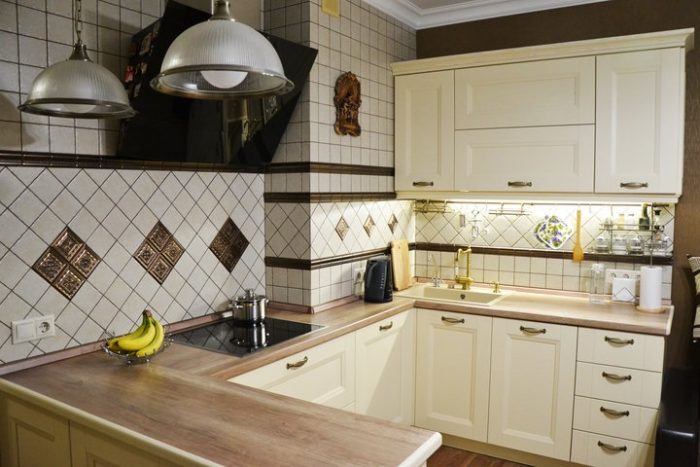
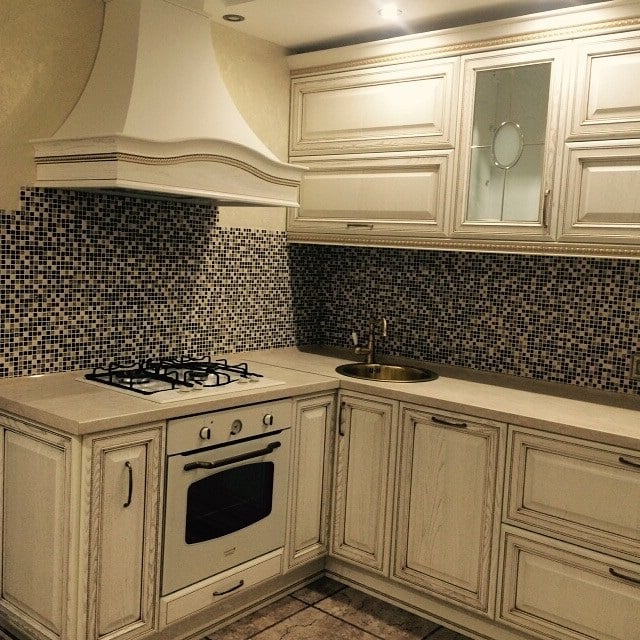
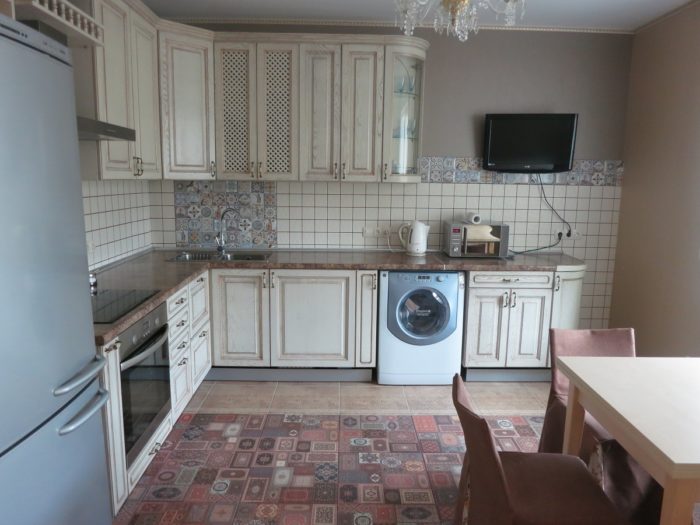
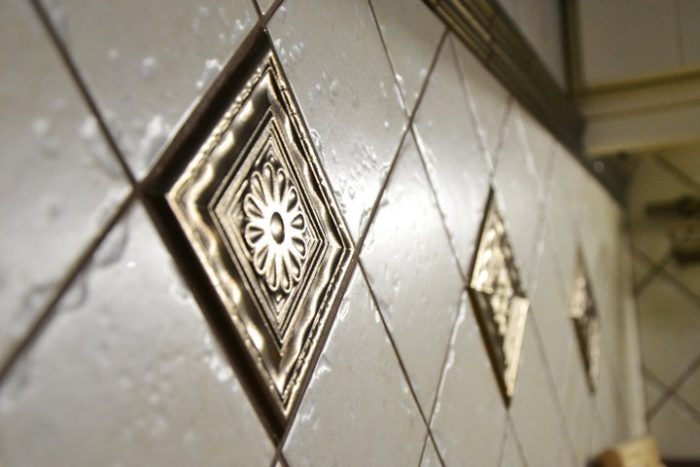
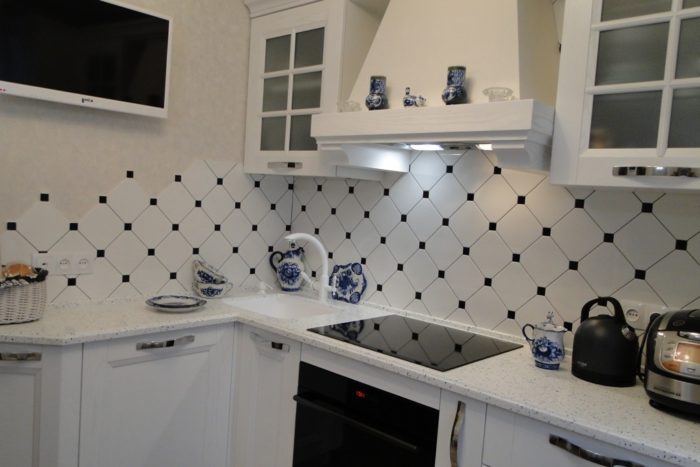
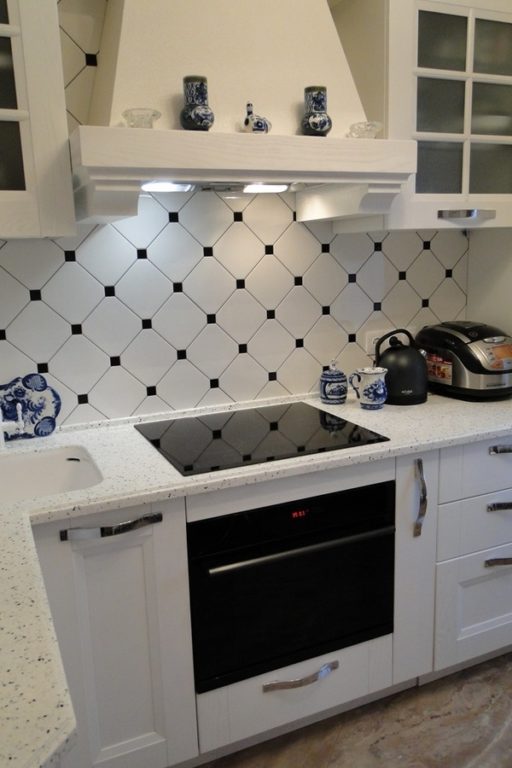
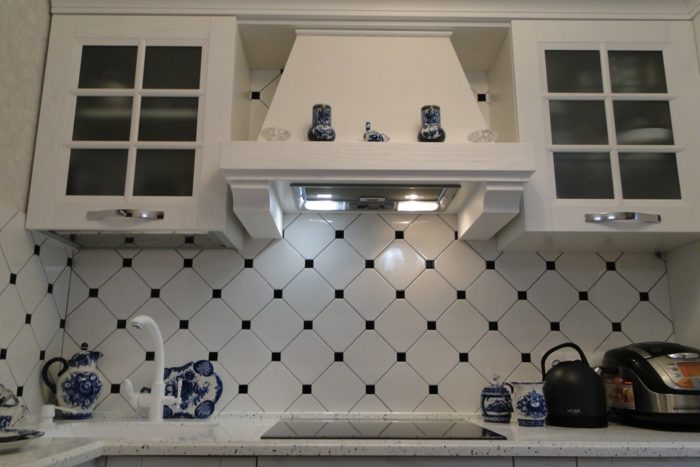
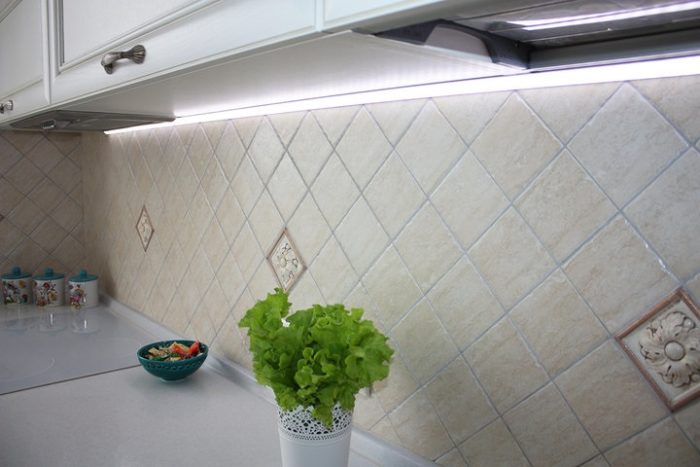
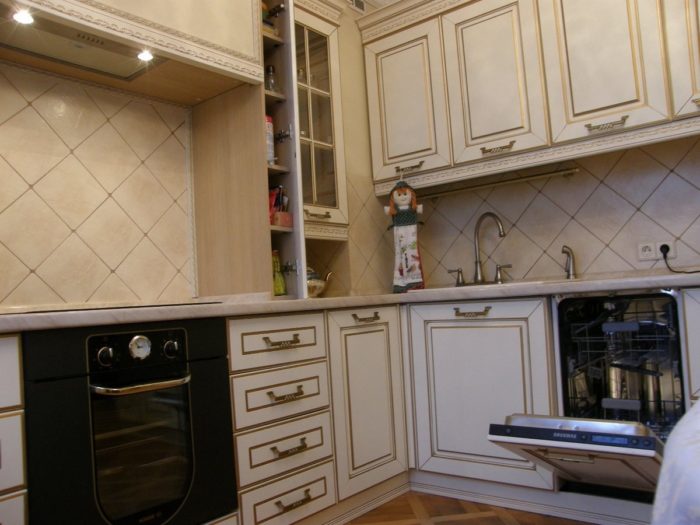
Photo Tile for a Kitchen Backsplash
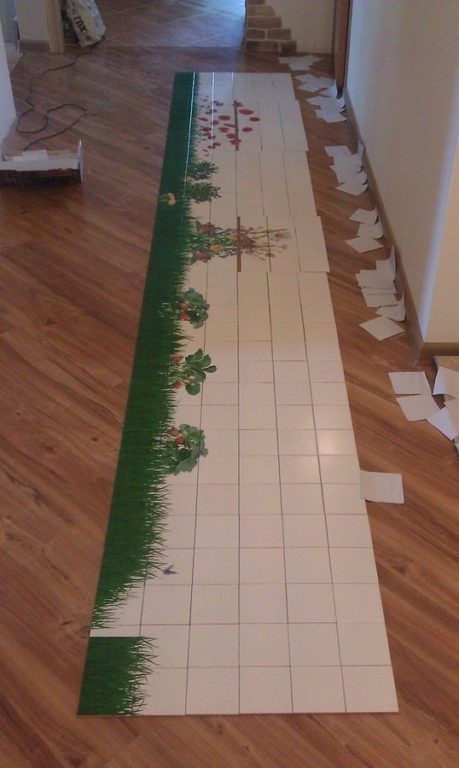
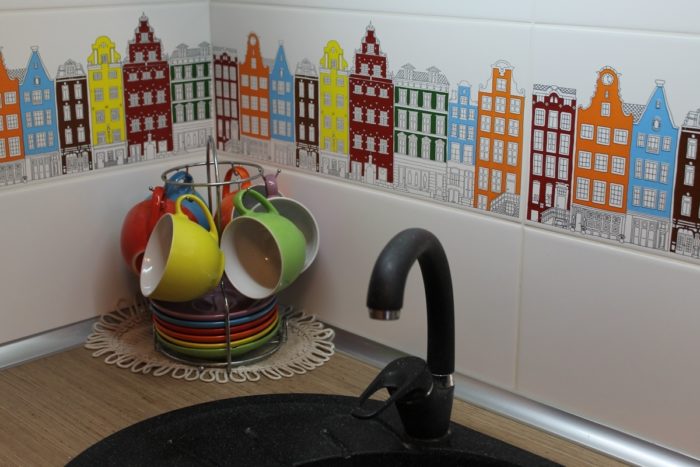
Printing a photo on tile loses to a glass backsplash in absolutely every way. If you want an image, you can order any one and put it behind glass. If we were talking about a large area, such as a bathroom wall, photo tile might make sense, but not for a kitchen backsplash.
One advantage is the ability to make the design yourself, in a way that makes it clear the design is your own and unique. You can do that with a glass panel too, but your own work on tile feels more interesting.

2. Glass Kitchen Backsplash
A tempered-glass panel is a perfectly smooth and strong backsplash material. There are two glass-surface options based on transparency: matte and glossy. Most importantly, any image you can find online at a high enough resolution can be placed behind the glass.
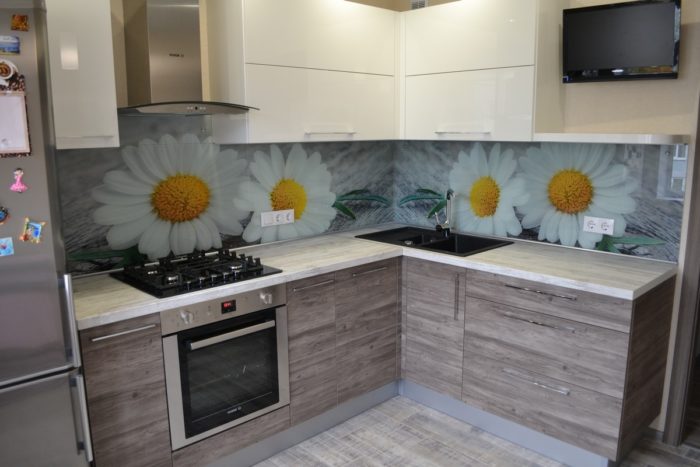
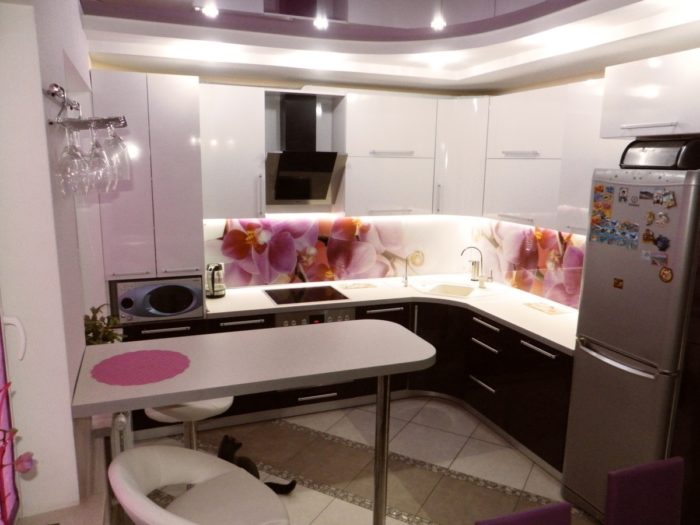
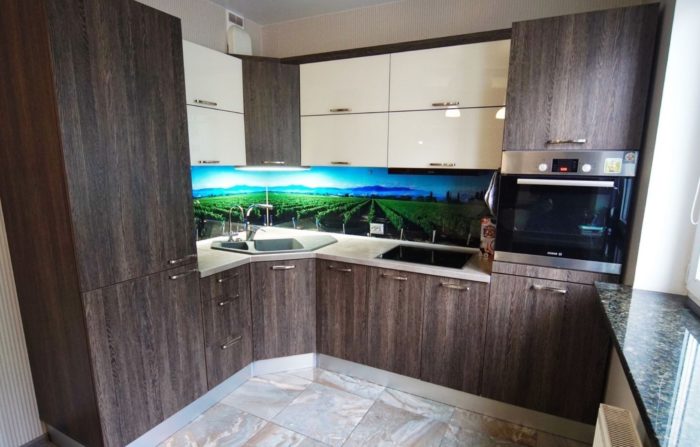
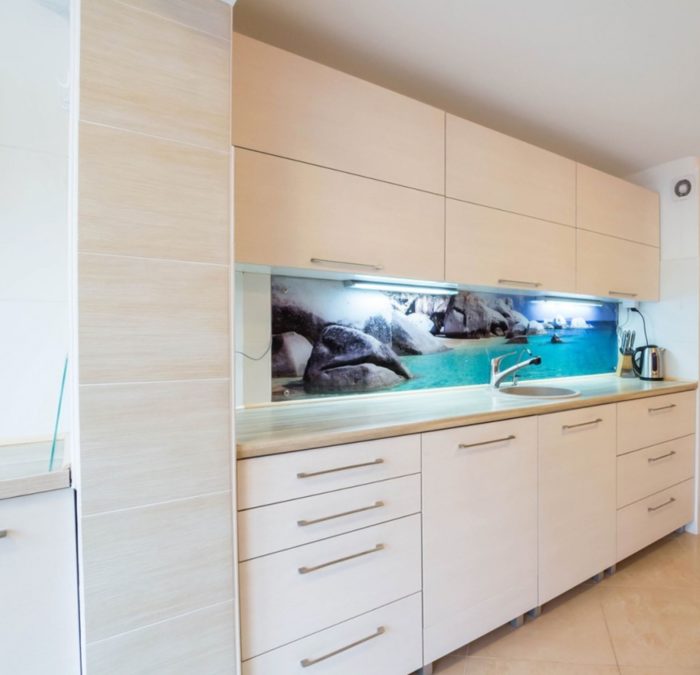
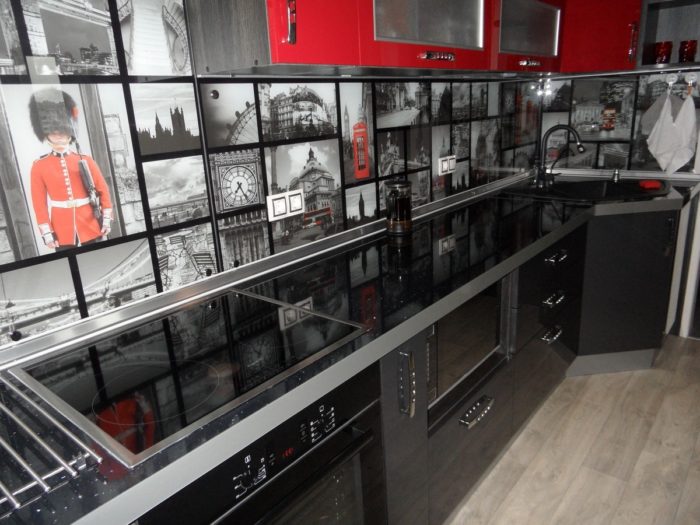
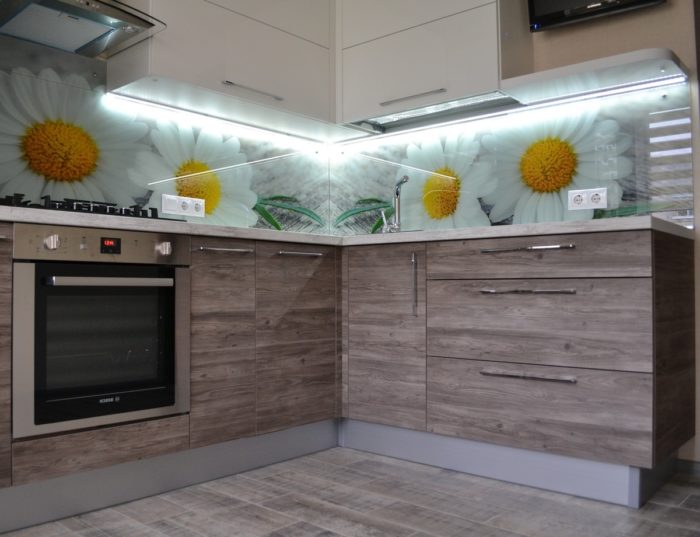
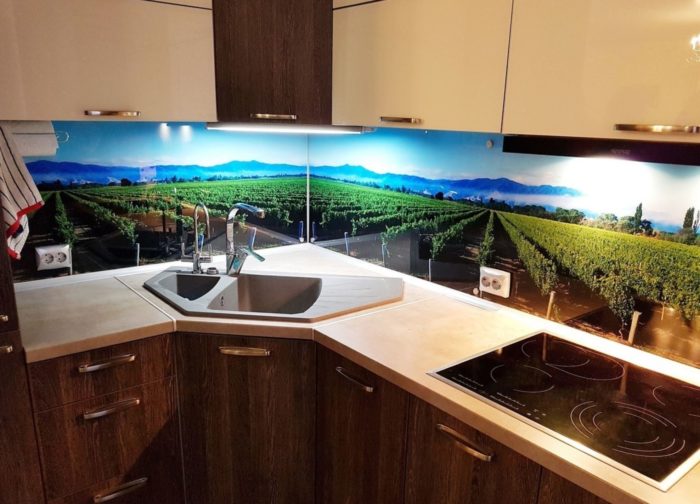
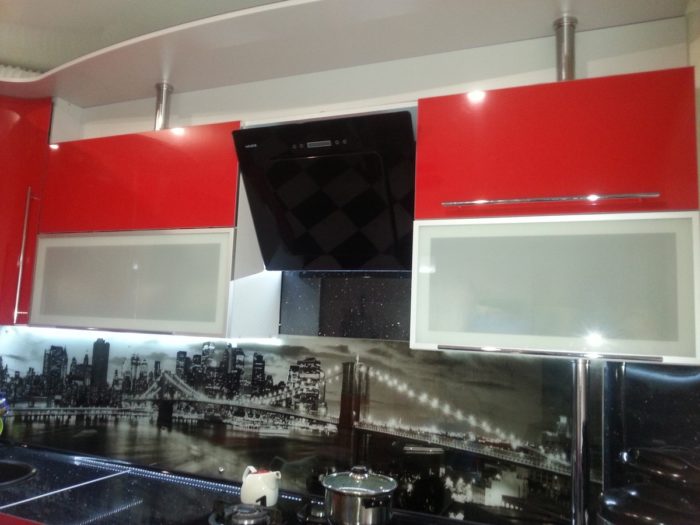
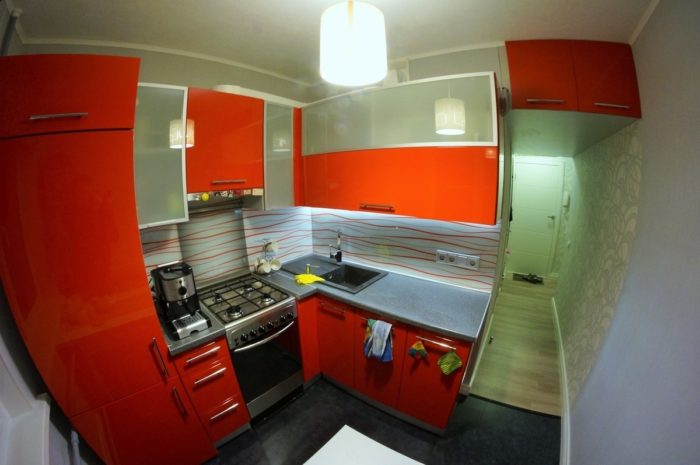
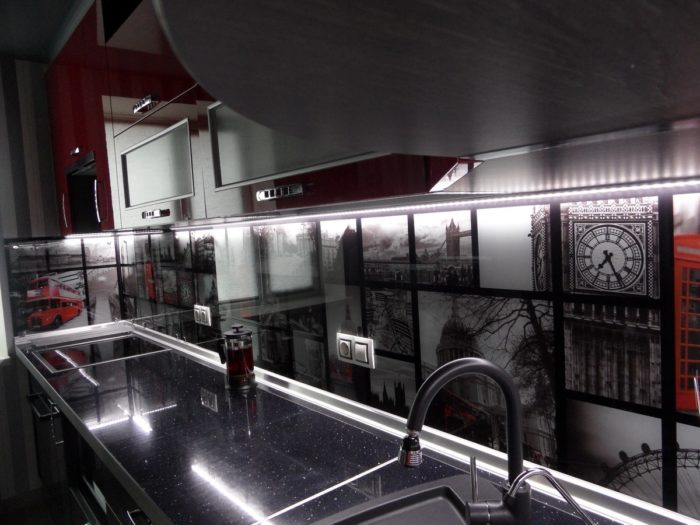
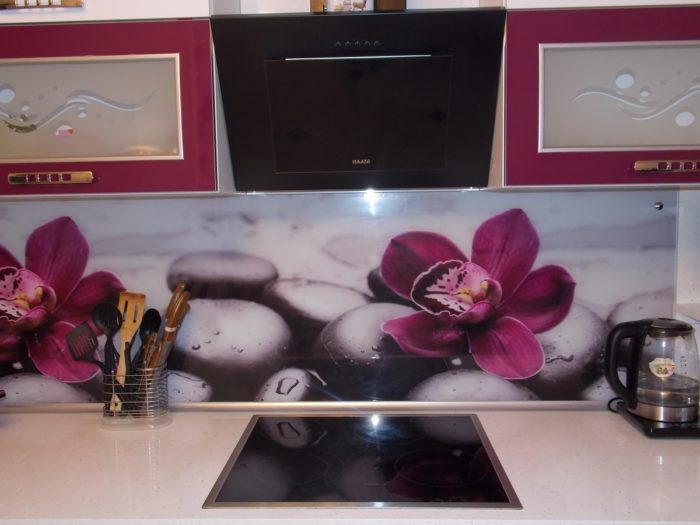
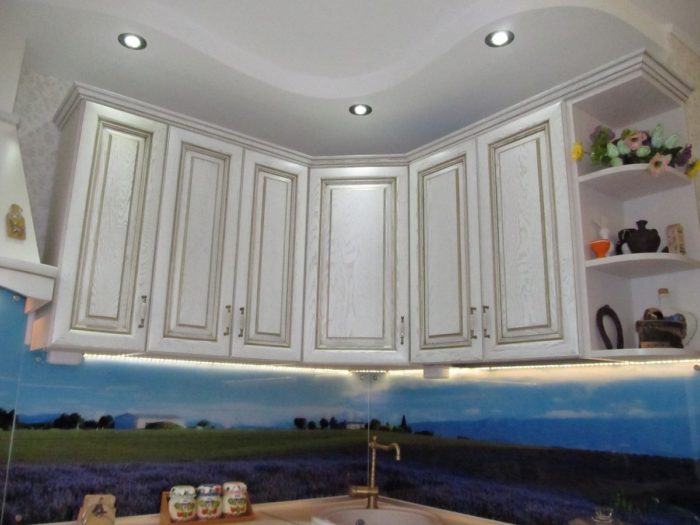
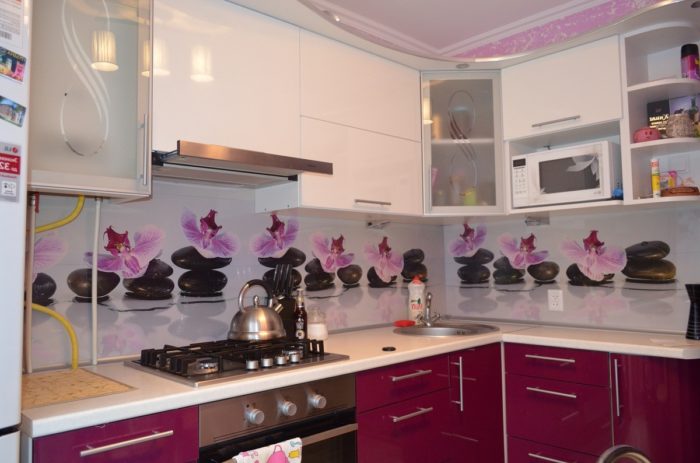
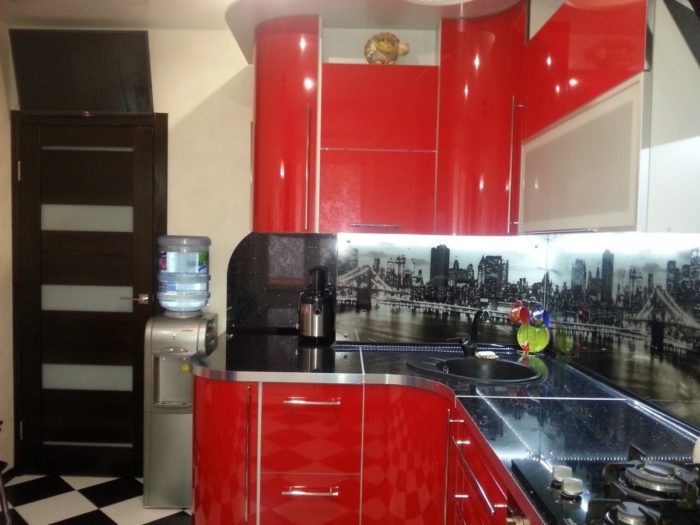
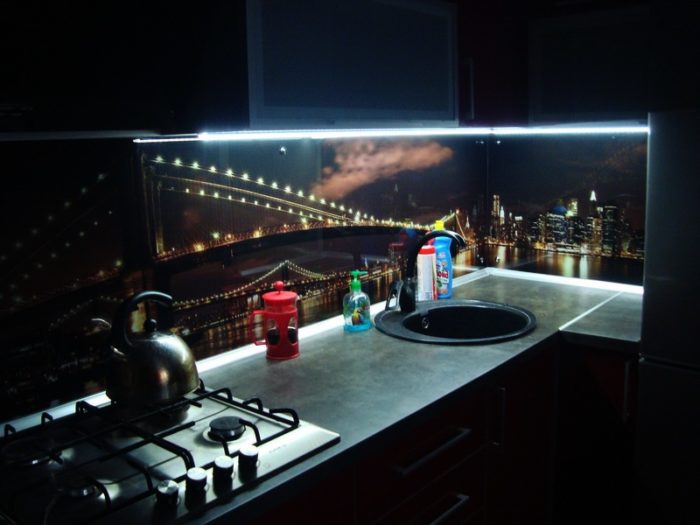
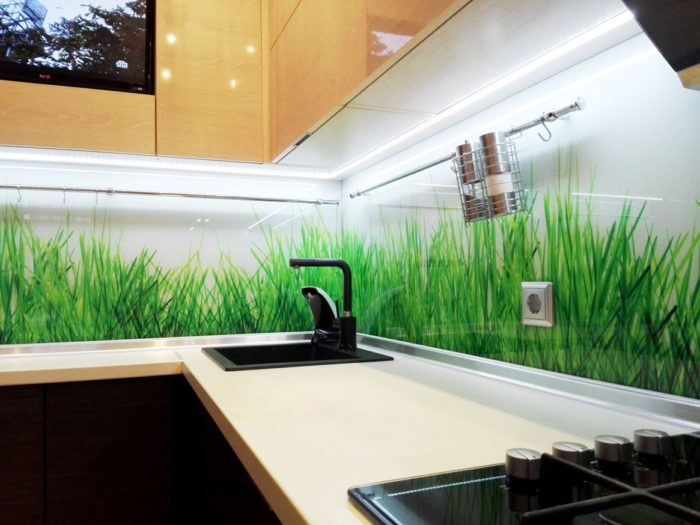
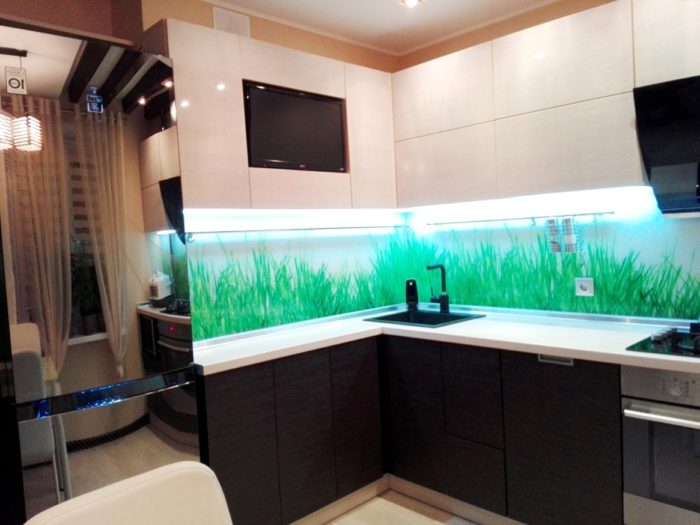
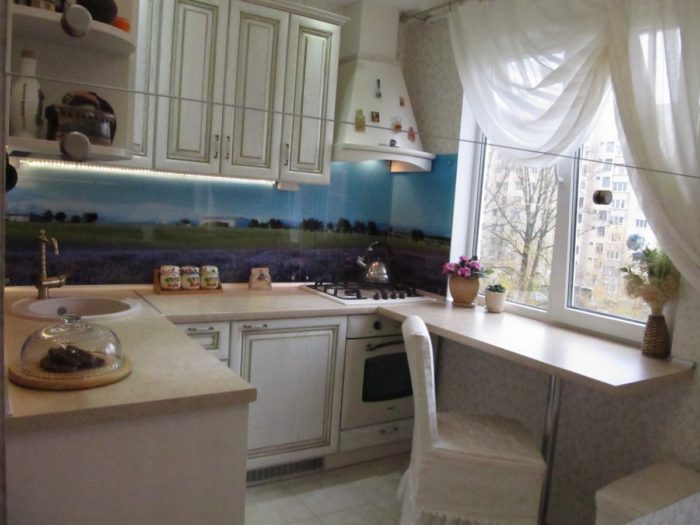
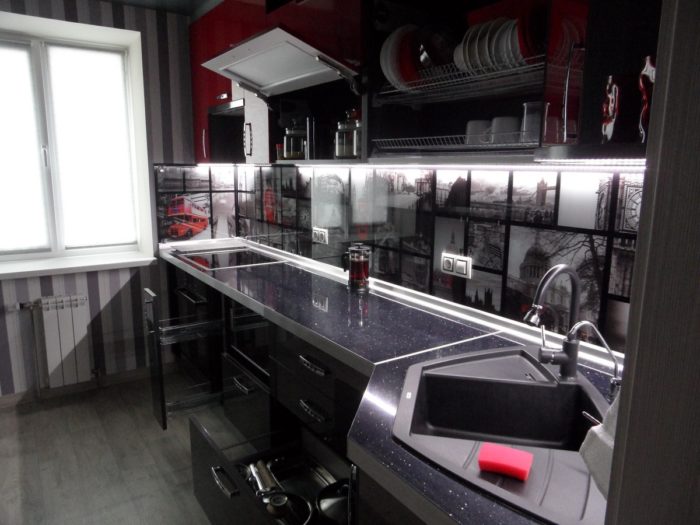
Although my advice is to use color, not a photo or drawing. During normal use, there will be a lot of objects that break up the composition, and you can make the wrong choice from the start.
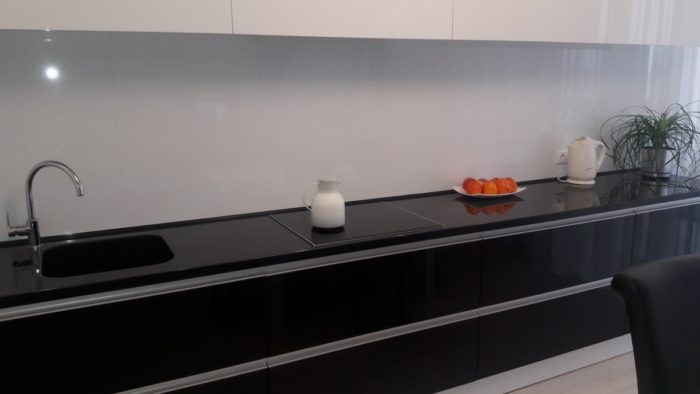
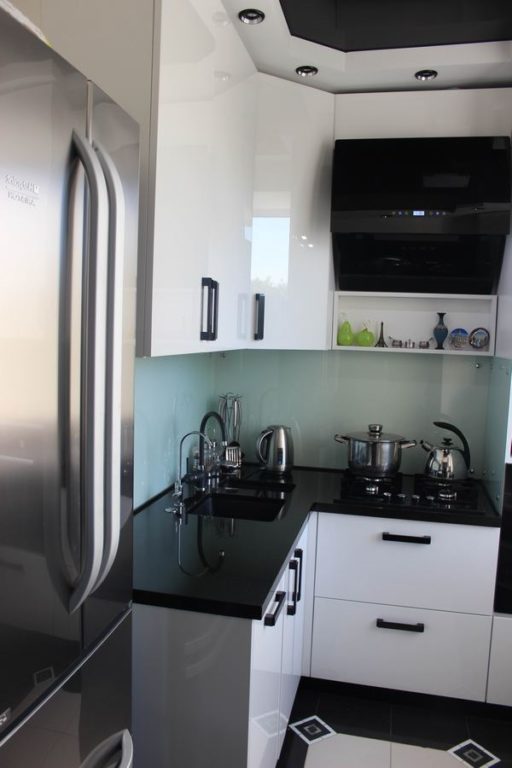
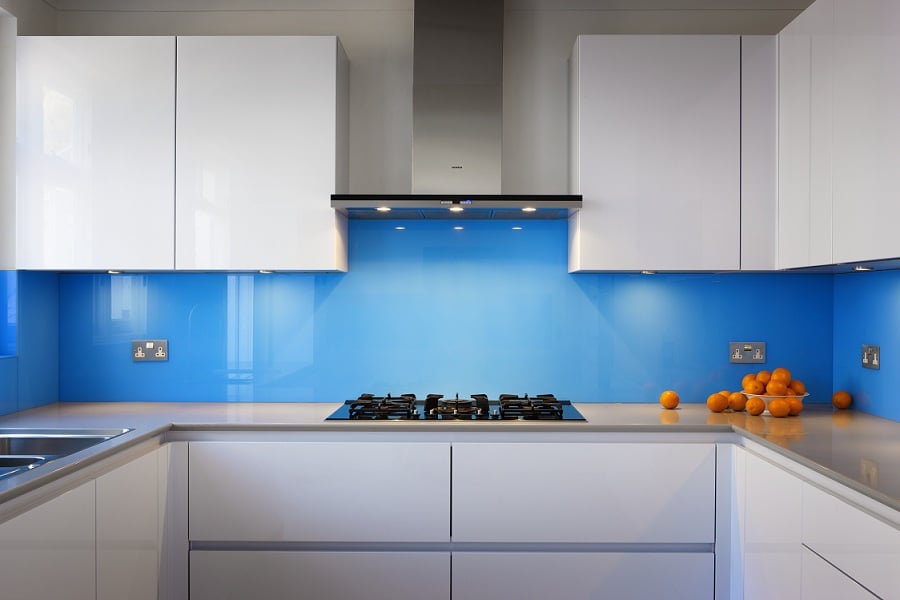
Options like this without images are standard in high-tech kitchens.
In practicality, glass competes with tile:
- Simple installation for the customer: you go to 1 place and order everything installed.
- Dirt cannot soak into the smooth, nonporous surface. Even if you do not clean the glass panel for a long time, it can always be washed back to its original condition.
- Unlimited customization: any images and photos.
- It loses in texture variation: a smooth surface is very practical, but deep texture can look very cool (especially under lighting).
The drawback of a glass backsplash is the price. A glass panel costs about $9–18 per linear foot, which is comparable to decent tile. The price is reasonable because the two options compete about equally across all their qualities.
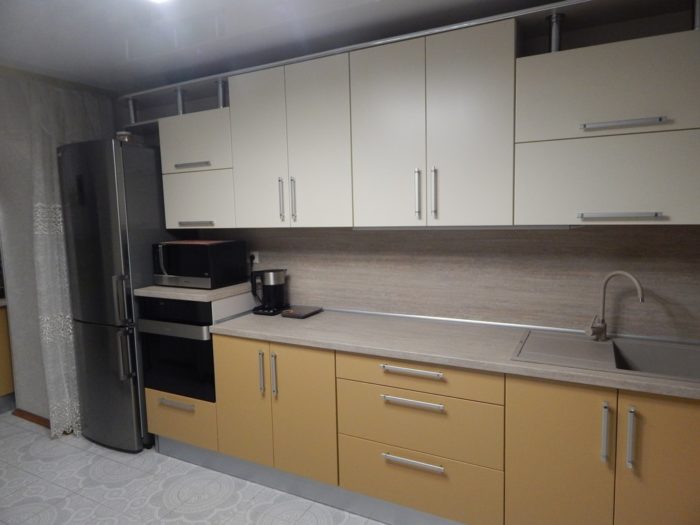
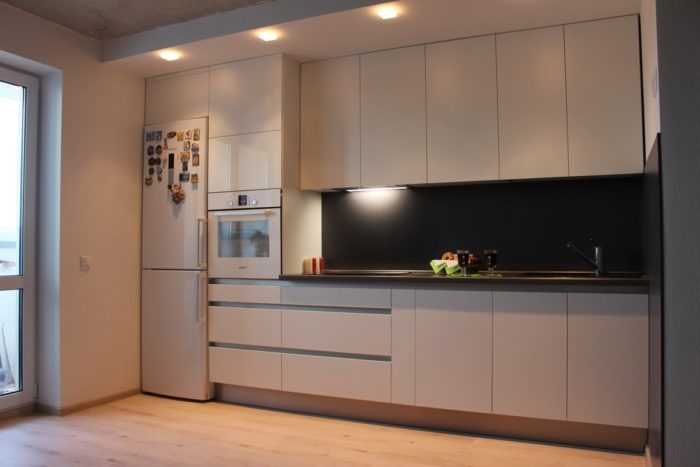
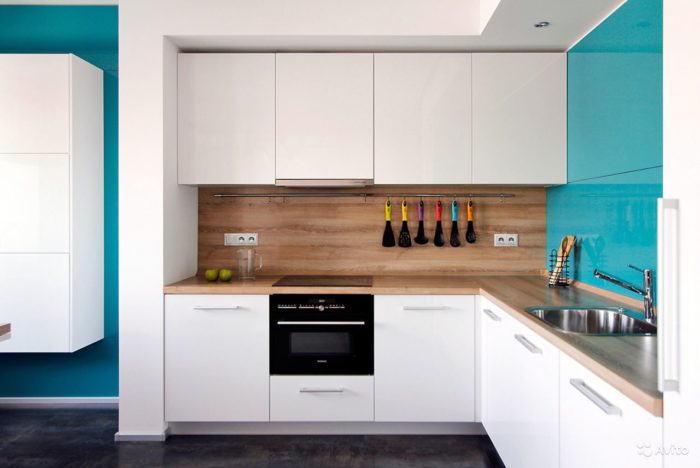
3. MDF and Particleboard Kitchen Backsplash
You could also make one from solid-surface material, but that makes no economic sense. Laminate over particleboard, on the other hand, is quite good for the price and quality.
The MDF and particleboard used for a backsplash are the same basic materials used for cabinet fronts or countertops. A laminate panel is an engineered-wood core covered with durable plastic. Countertops are made the same way. Features:
- Easy installation without leveling the walls first.
- Equally easy removal if needed.
- Easy care.
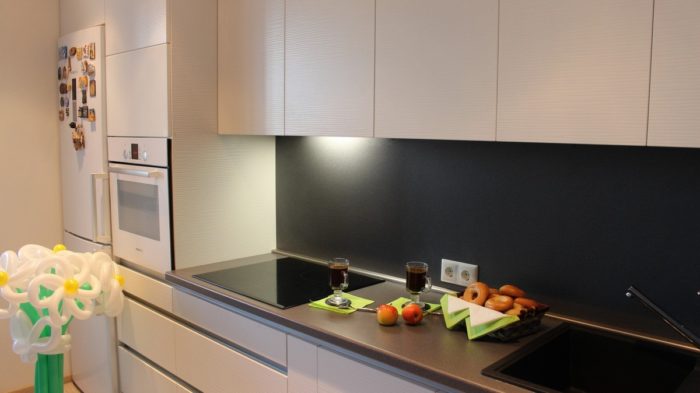
- It can match the exact color and texture of the countertop or cabinet fronts.
- Cheap in both price and appearance; keep combustible panels outside the appliance manufacturer’s required range and cooktop clearances and use an approved noncombustible finish where required.
4. Mosaic Kitchen Backsplash
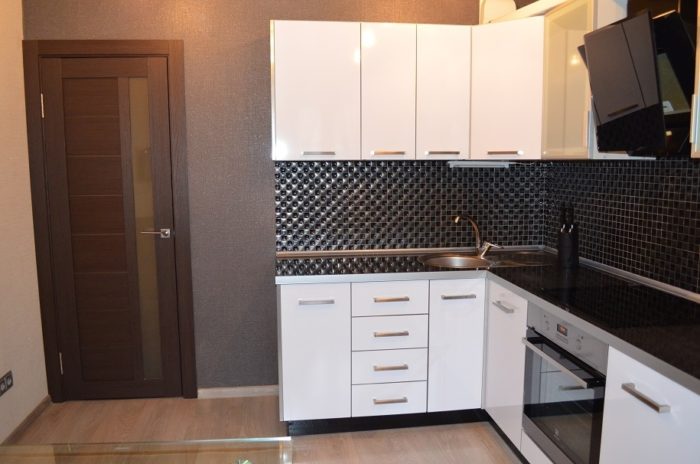
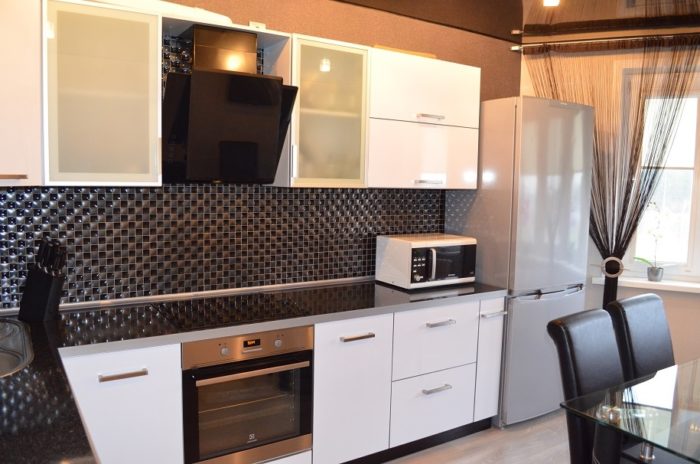
This option looks very cool and current, but it has one serious detail. Mosaic means a huge number of joints. Regular tile may have 1 horizontal and 3–5 vertical joints, while mosaic has hundreds. So using regular cement grout for a mosaic backsplash is not a great option – it will lose its appearance very quickly. That leaves epoxy grout, but it is very expensive, you will need a lot of it, and not every tile installer knows how to work with it. So you will either have to spend the money or give up the mosaic idea.
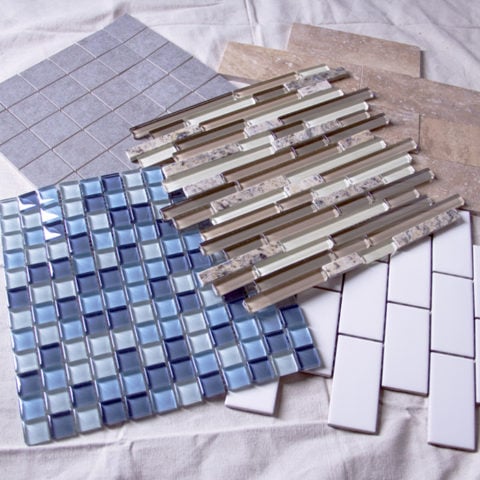
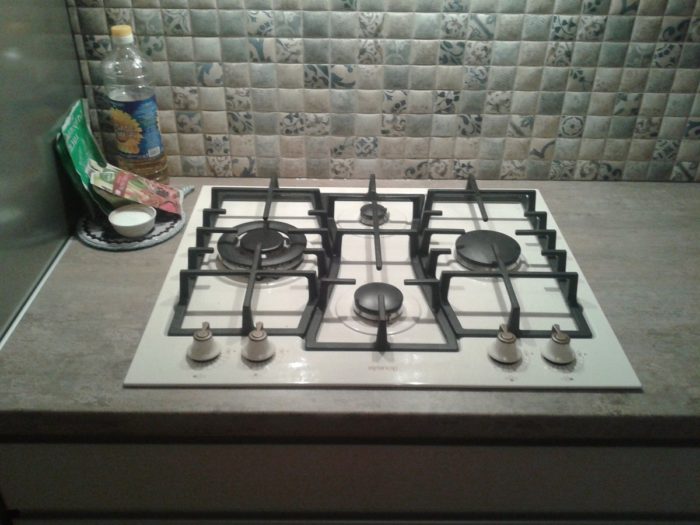
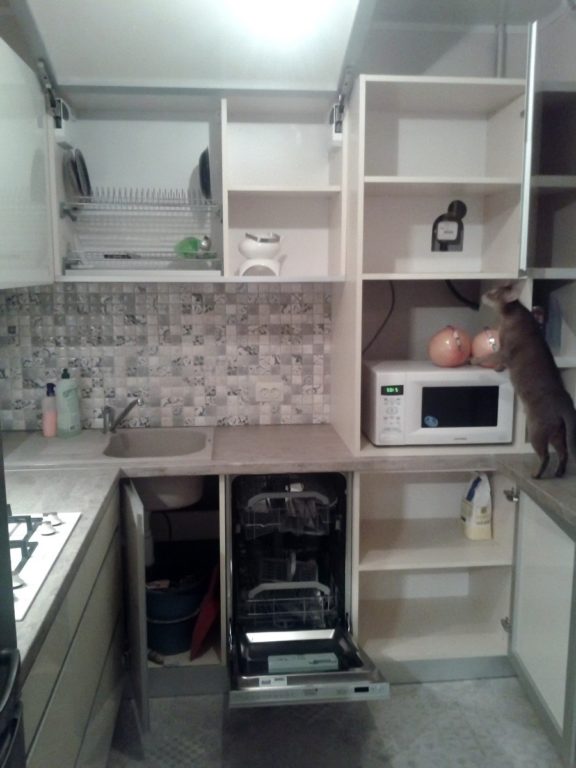
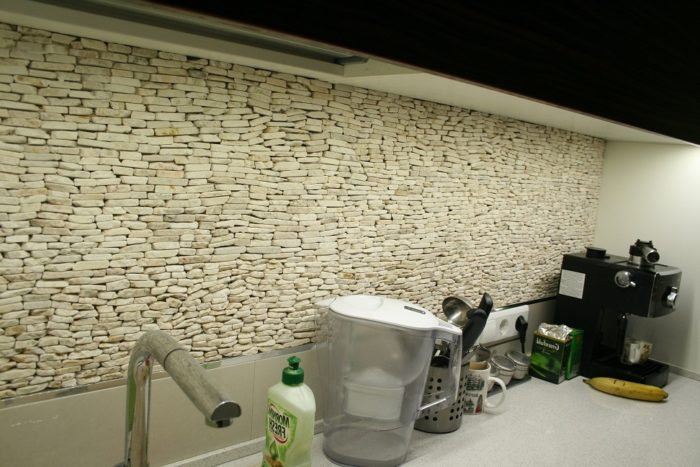
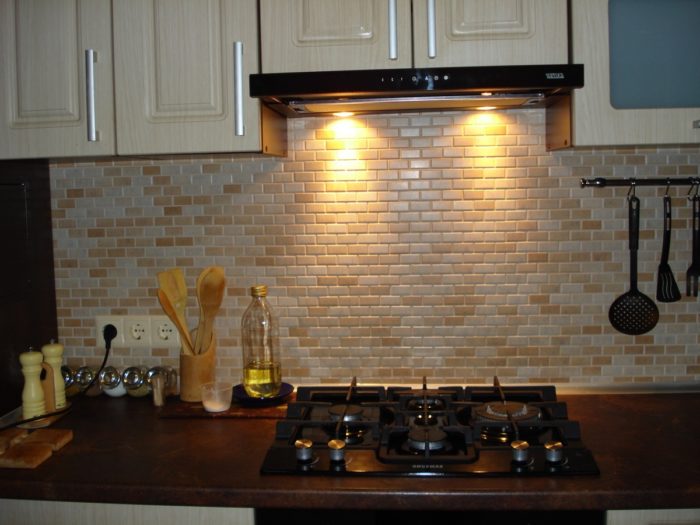
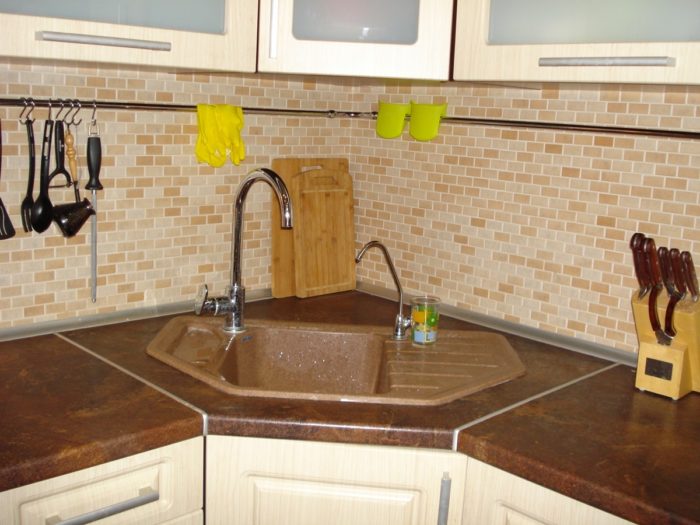
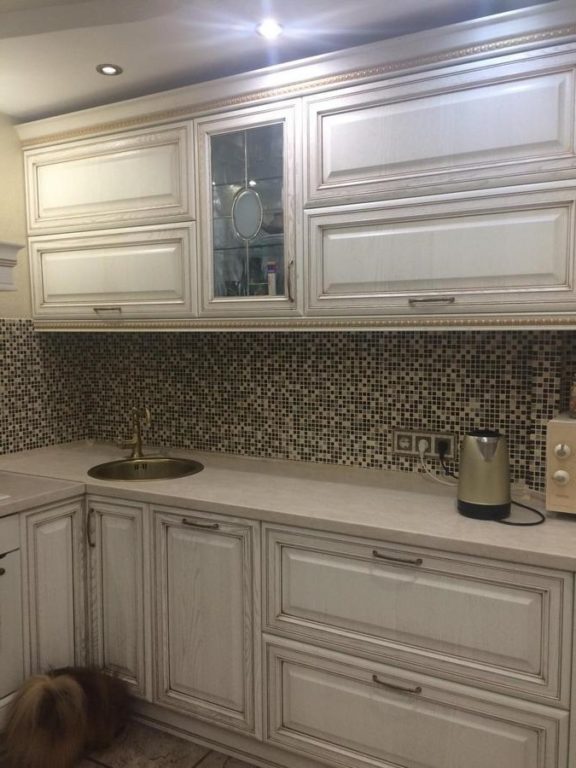
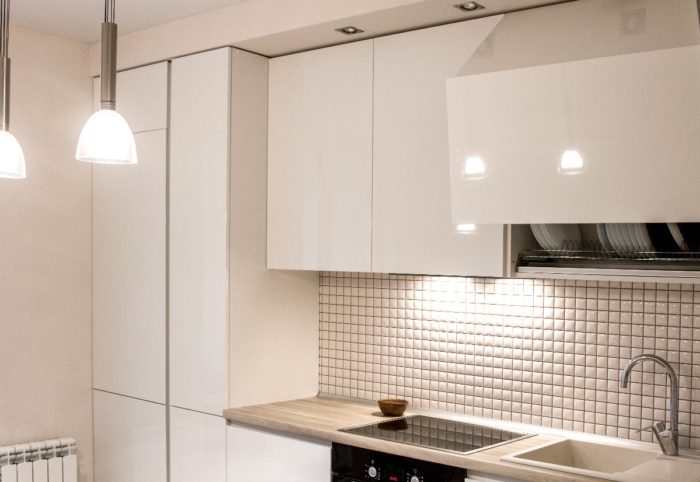
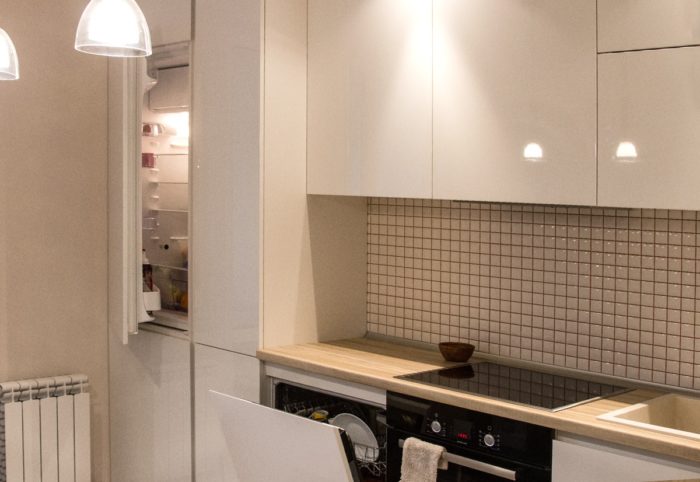
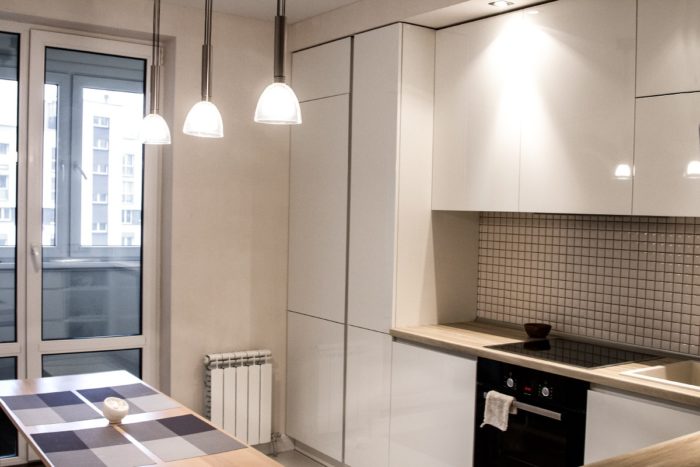
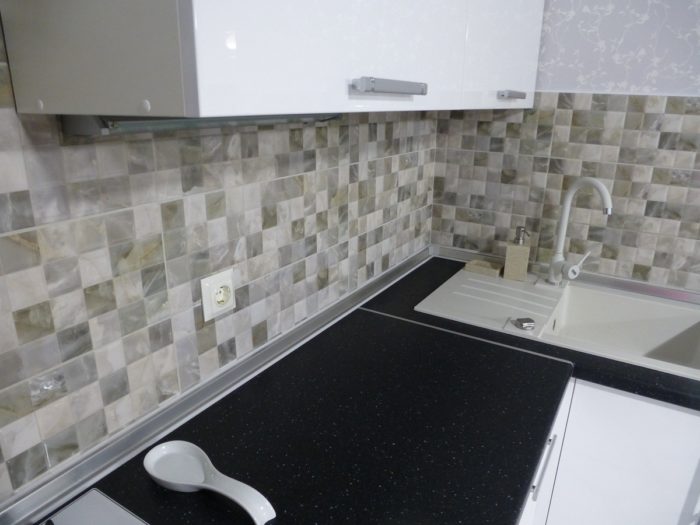
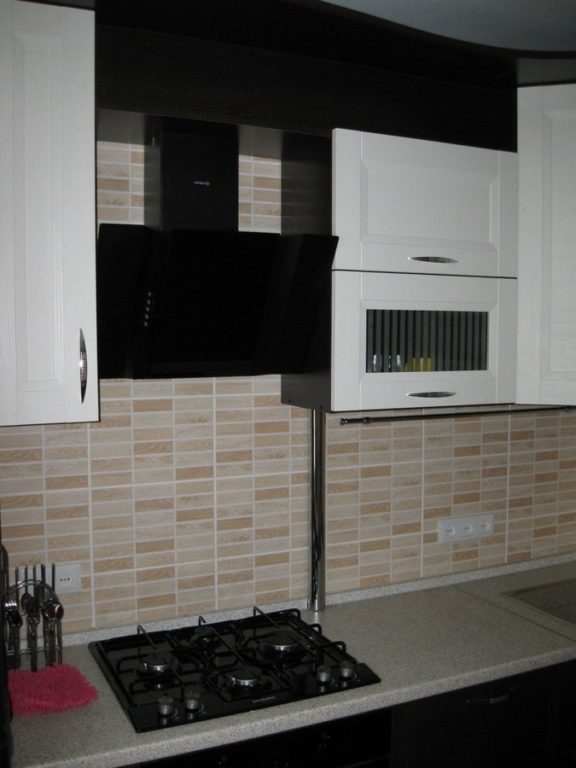
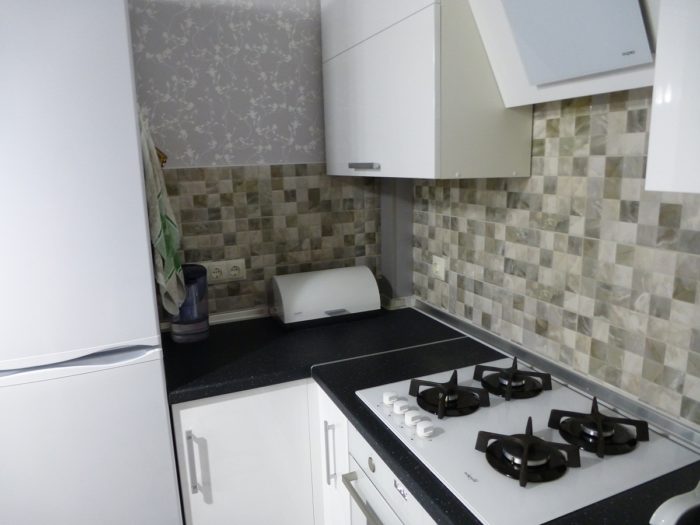
But there is an alternative backsplash option – false mosaic. This is tile that imitates mosaic in its texture and pattern. Mosaic-look tile will cost much less, and the amount of grout joint will be dozens of times smaller, which matters for a backsplash. If the tile installer is experienced and the grout color exactly matches the false joints on the tile, there will be almost no visual difference.
5. Mirror Backsplash
Mirrors are the rarest kitchen backsplash material, although they can look luxurious. One option is a beveled mirror, but this is specifically about a luxurious appearance. Cooking in such a kitchen is difficult – cleaning will take just as much time.
Be careful when choosing mirrors for the work backsplash because a reflective surface doubles the mess or clutter on the counters. To avoid that impression, the kitchen must always be kept perfectly clean, with no unnecessary objects left on the surfaces. Hanging rails are obviously out too.
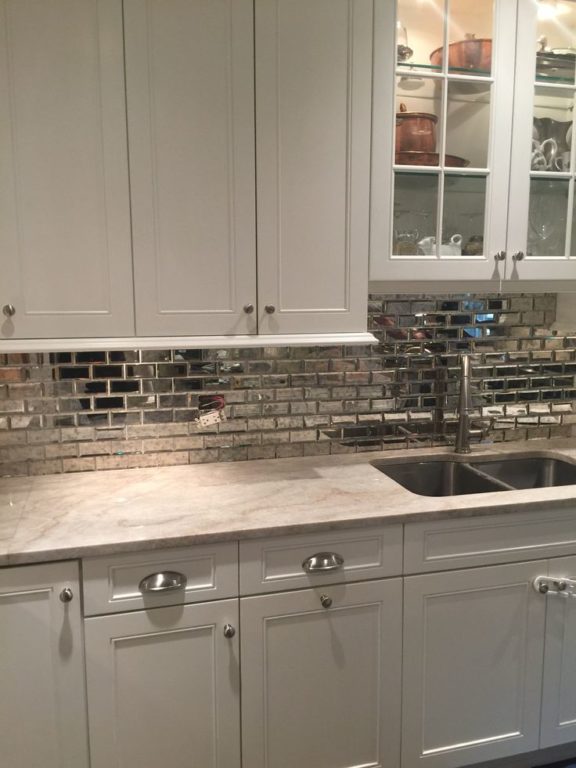
If you want reflections and light, it is still better to use glossy tile or glass. Mirrors work only for a kitchen that is hardly used for its intended purpose at all.
6. Plastic Kitchen Backsplash
A plastic backsplash is a budget option for finishing the kitchen work wall. A plastic panel has a modern appearance and is easy to install. It is impossible to distinguish from a glass panel in photographs, but it looks obviously worse in person. If money is tight, it is better to consider a laminate panel.
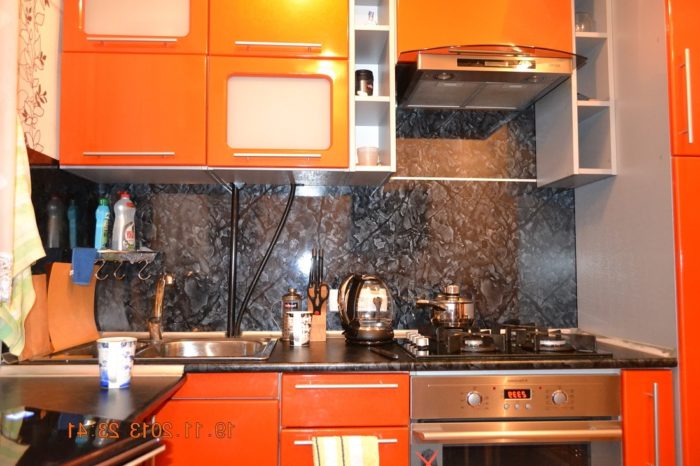
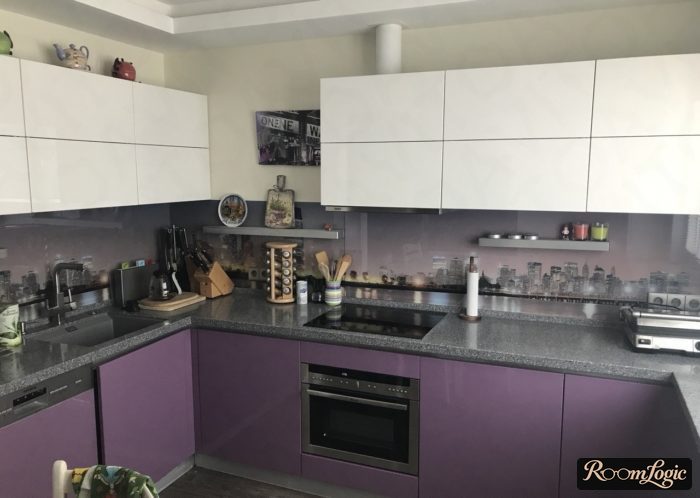
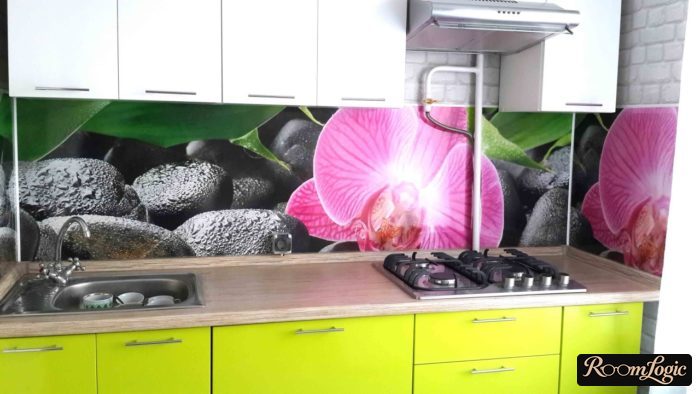
To sum up: a kitchen backsplash can be the brightest accent in the interior, and because the area is small, you do not have to spend a ton of money on it. The 2 best modern options are glass and tile. Laminate is a decent budget option. Choose according to your taste, and good luck with your remodel!