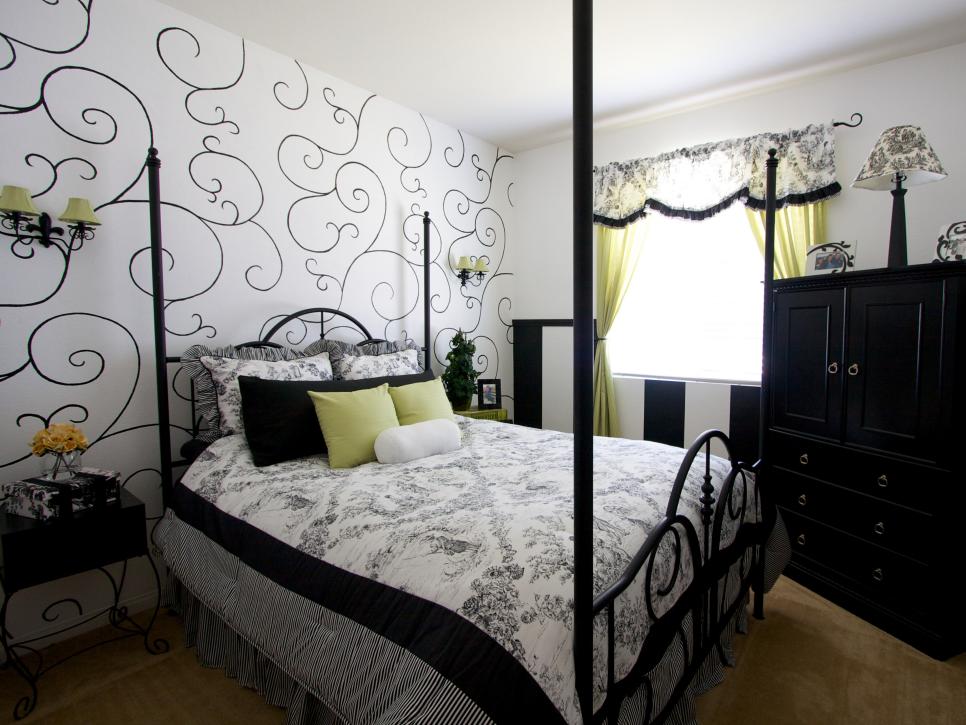
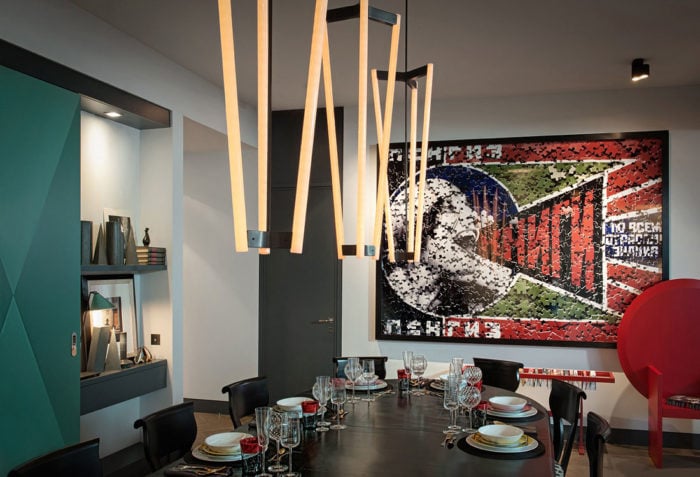
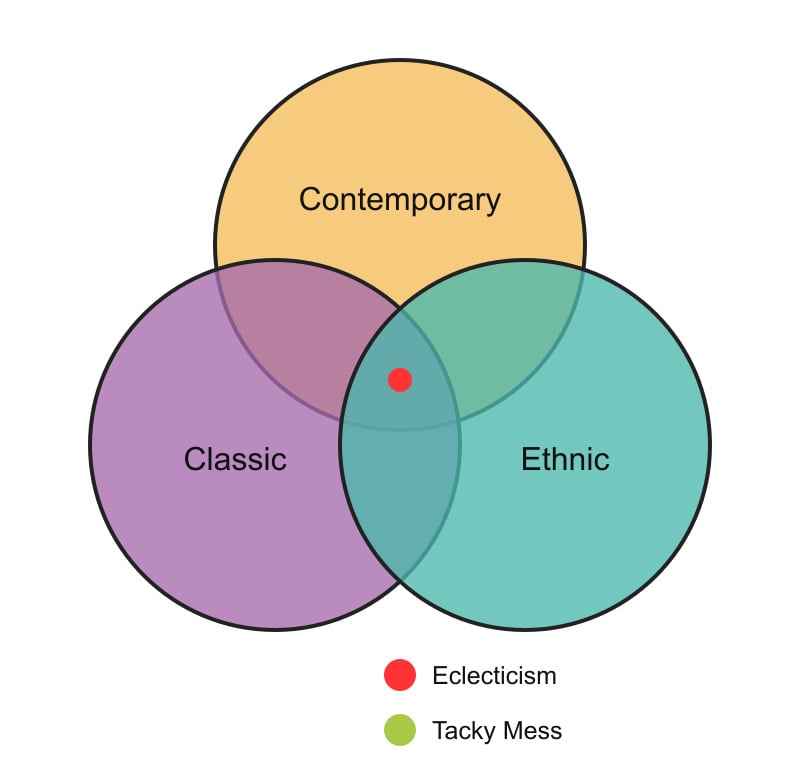
There are many ways to classify interior design styles, but in general they can be divided into three groups:
- Contemporary
- Classic
- Ethnic
This division lets me formulate a good rule: never mix styles from different directions. Of course, there are exceptions, but they are rare and complicated, so the rule applies in most cases.
Never mix contemporary, classic, and ethnic styles in one interior.
Contemporary Styles
My recommendation is to choose your design style from the contemporary group. The goal is to get a stylish and functional interior, not an “expensive” or luxurious one.
All contemporary directions mix well with one another, and the boundaries between them are very loose. This lets us combine elements of different styles and make a truly unique design.
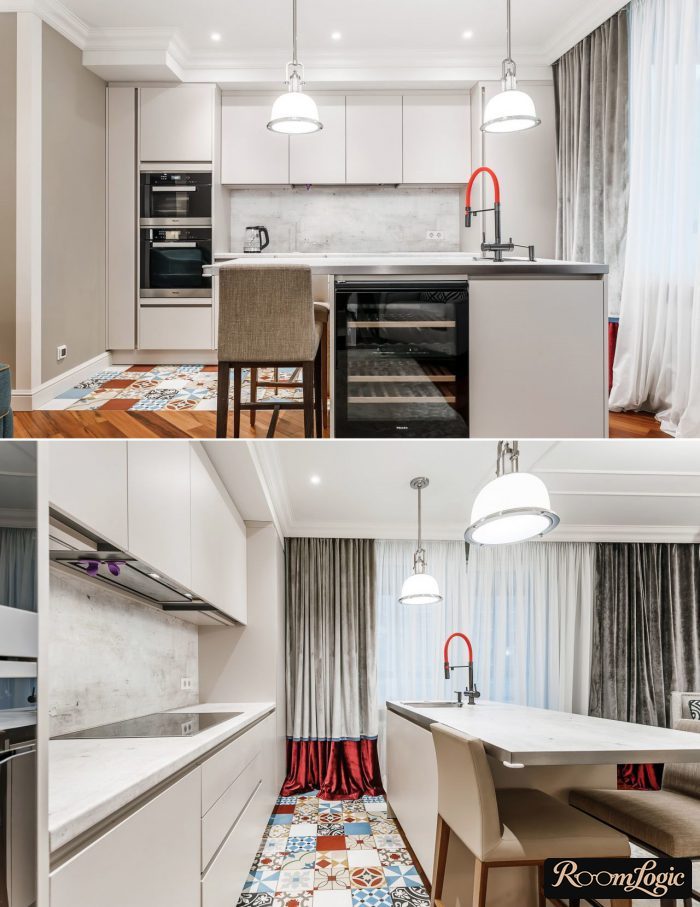
For example, here is a collection of unusual kitchen designs, where it is often impossible to say what style they are.
Minimalism
Pure minimalism is rarely used in an interior. Although it is visually the ideal style for small spaces, in practice it falls short on function.
But minimalism is the foundation for the other contemporary styles. That is why it comes first.
In other words, the basic finishes in almost all current interior styles are done as in minimalism, and then decor, furniture, and lighting take the design in other directions.
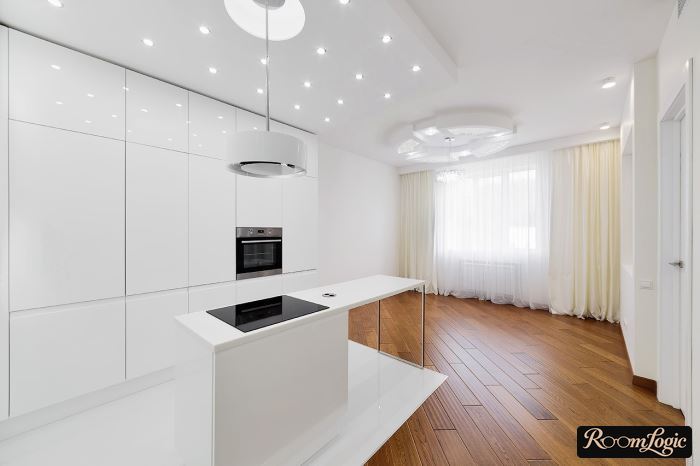
The walls are painted white. The floor is parquet or laminate. The ceiling is flat and white, often with no light fixtures at all – a common American approach where all the light comes from wall sconces and floor lamps.
Cabinet furniture has straight corners, without flowing lines or curves. Ornaments and decor are completely excluded. The flowing lines come from upholstered furniture. Large storage cabinets are either built in or made up to the ceiling and matched to the wall color.
The style does not accept accessories that exist only for beauty. Every object in the interior should perform a specific function; otherwise, it does not belong here. Contemporary, unobtrusive paintings, usually abstract ones, can be used as decoration.
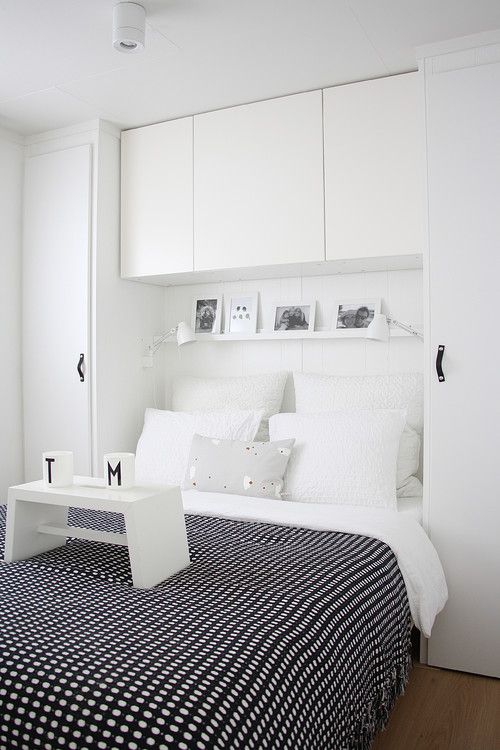
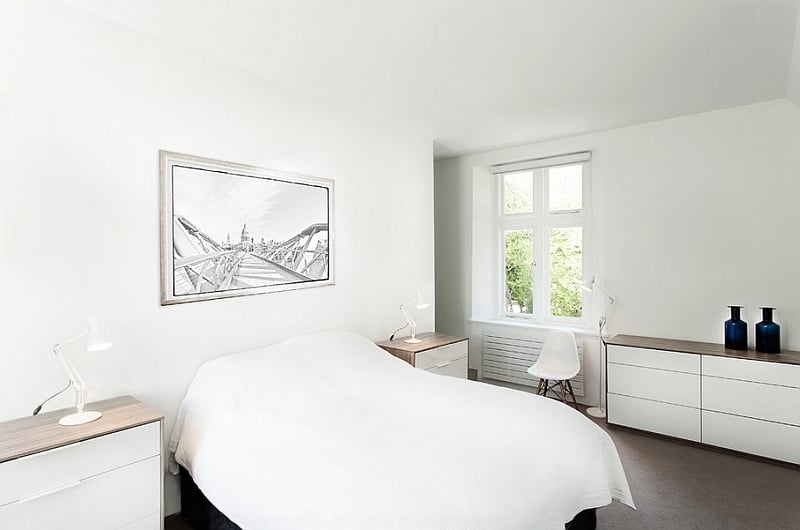
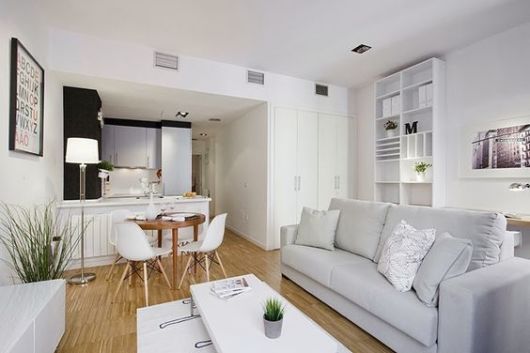
Scandinavian Style
My subjective opinion: this is the best, most current, easiest, lowest-risk interior style, with an excellent balance of beauty and function.
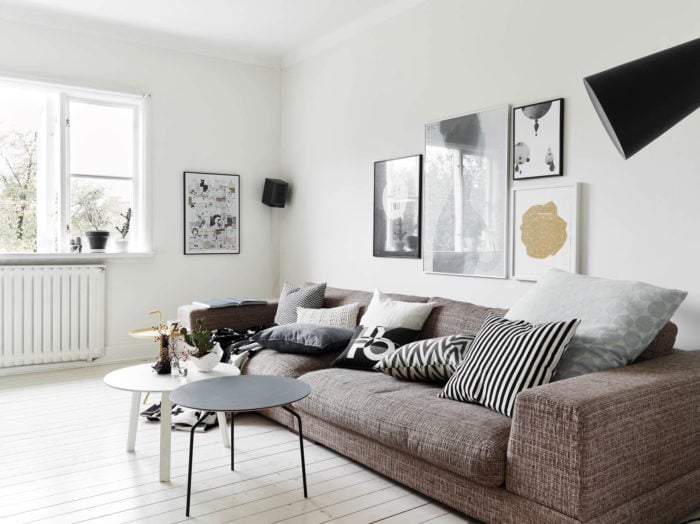
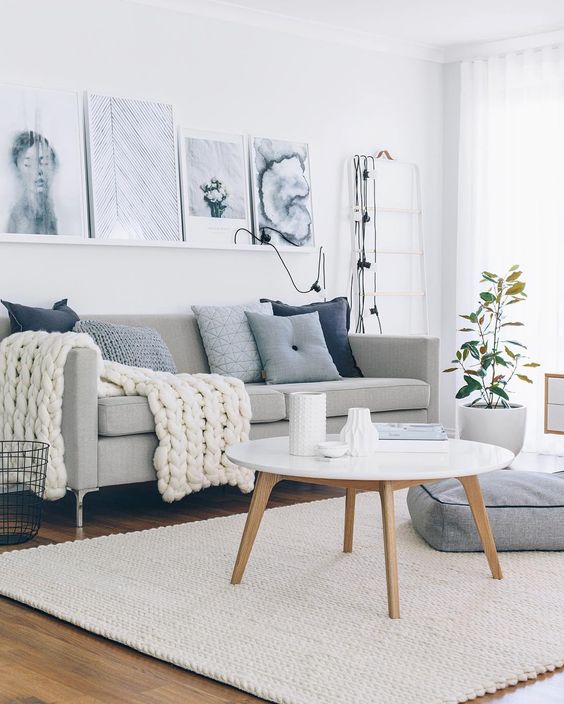
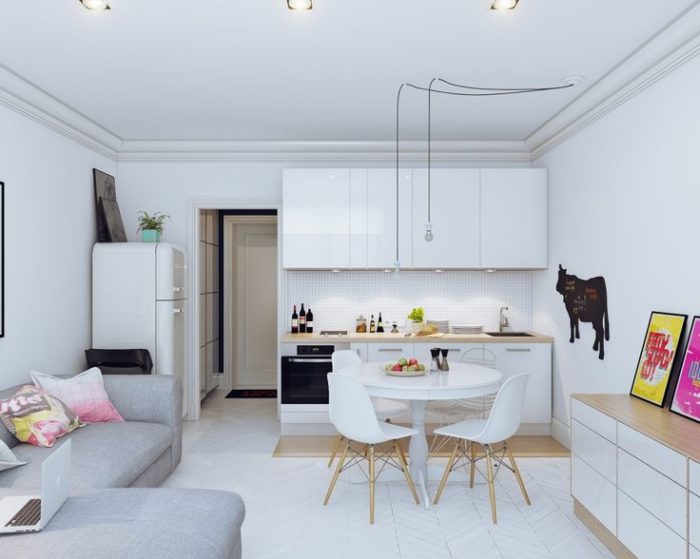
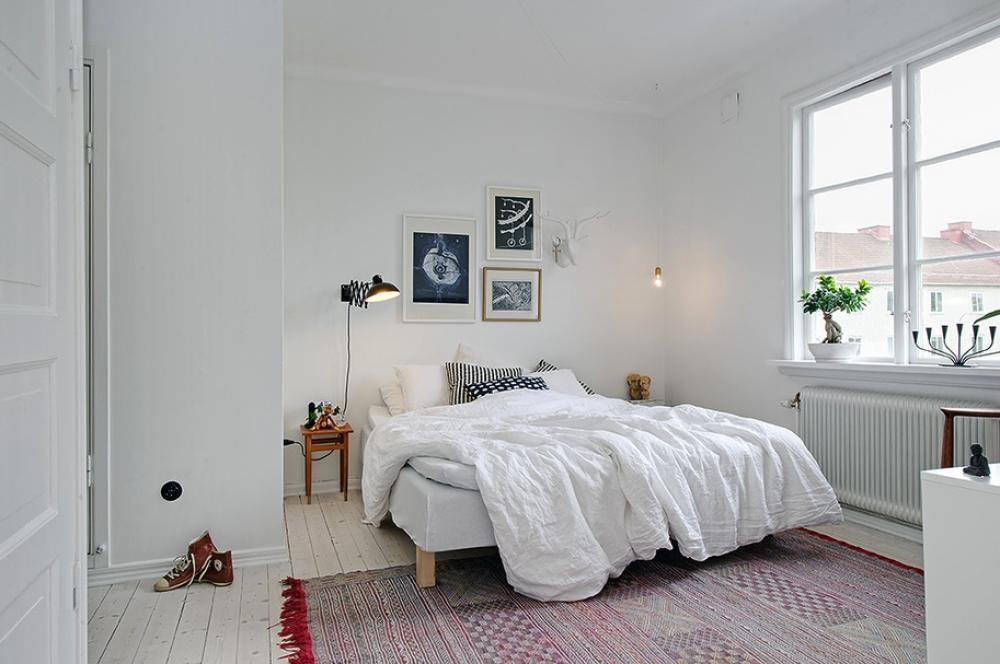
Scandinavian style is similar to minimalism but has more variety in colors and materials. The foundation is white, simplicity, light wood, and muted accent colors. Although it belongs to the contemporary group, some objects may have a retro style.
Unlike minimalism, it allows many inexpensive accessories with a history and plenty of textiles. Most people see it as the coziest design style.
- Scandinavian interior design.
- A Scandinavian bathroom.
- A Scandinavian kitchen.
- A neoclassical kitchen – do not let the name fool you. Ideologically, it is closer to contemporary styles. The only classic elements are the routed cabinet fronts and other things that do not increase the budget or reduce function.
Loft
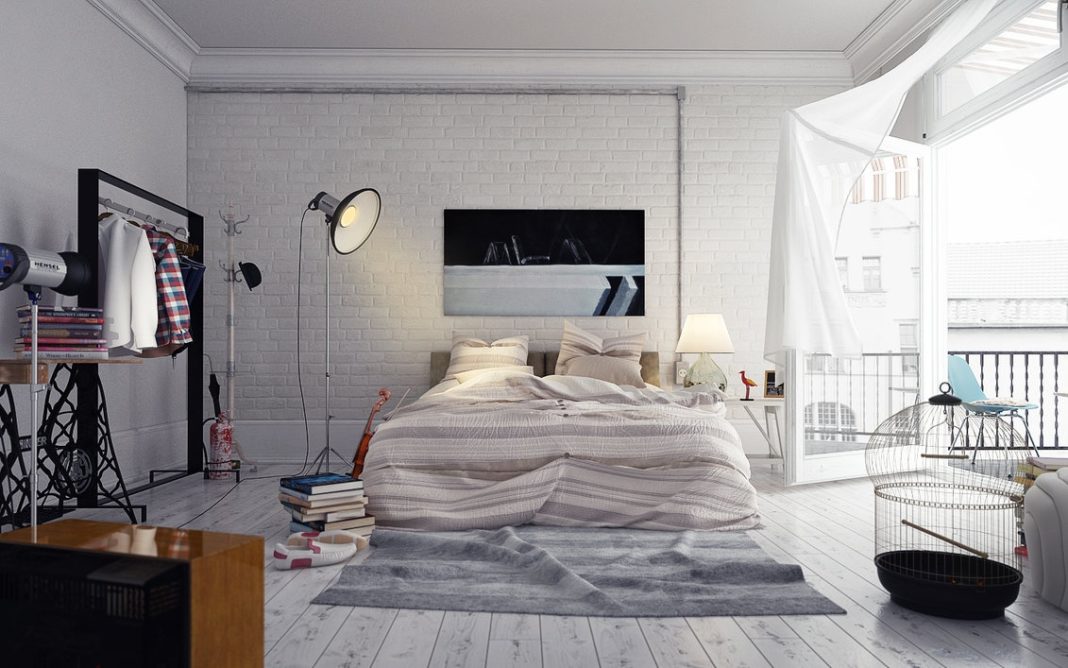
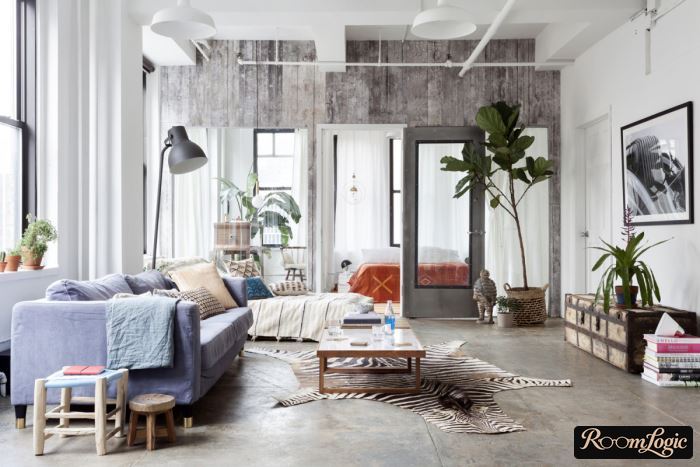
Originally, loft style required a large space and large windows, high ceilings, and a pile of open space. Now the boundaries are blurred, and many people understand the style differently.
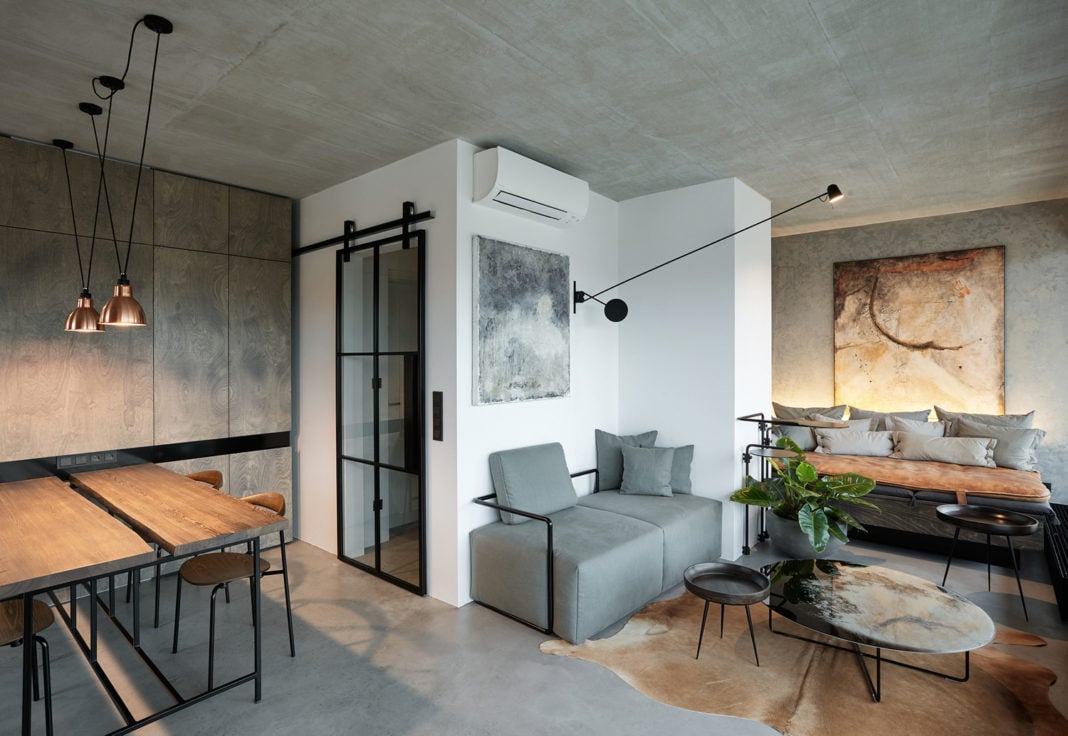
Common features: no need for perfect surfaces, natural materials, natural colors, unique and bright accent objects, a cult of concrete, deliberate carelessness, brickwork, roughness, and exposed beams and columns.
Today, loft is a contemporary style in which technical solutions are not hidden but taken to the extreme and put on display.
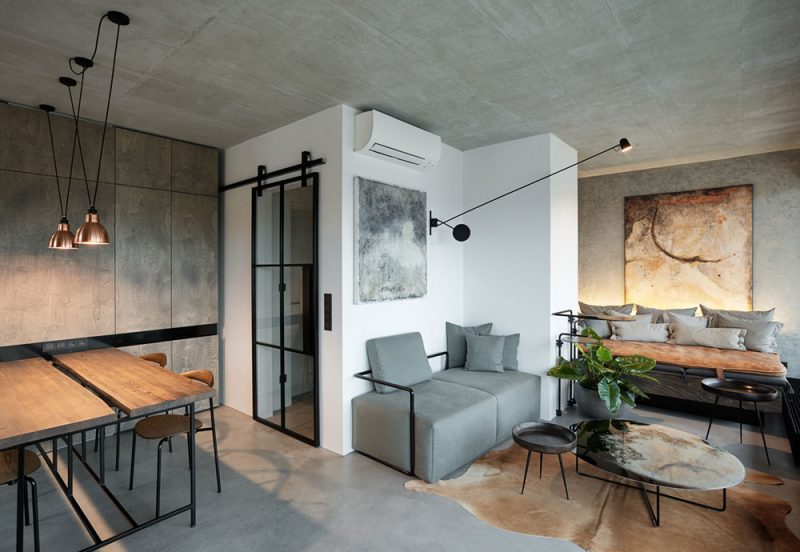
Unfinished surfaces are still treated a little, at least sealed, so there is no dust or dirt. These materials are often imitated. A good half of the photos show not real concrete but decorative plaster made to look like it. Ideally, all these surfaces need separate lighting. Because of their uneven texture, they look gorgeous under side lighting.
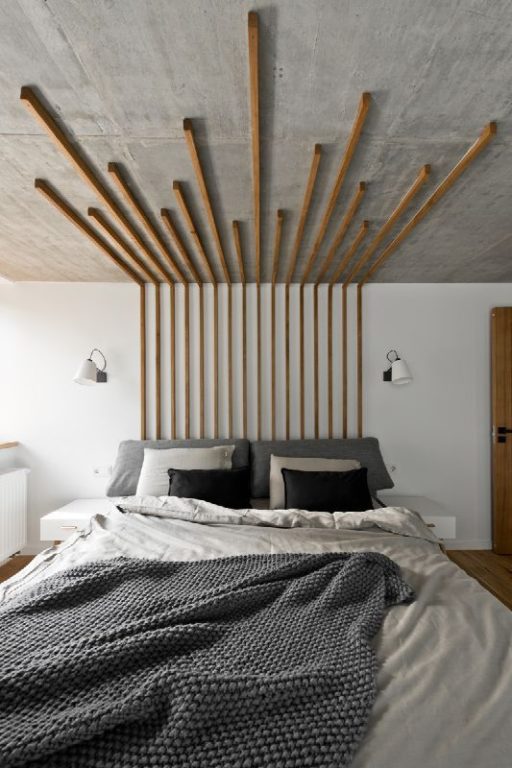
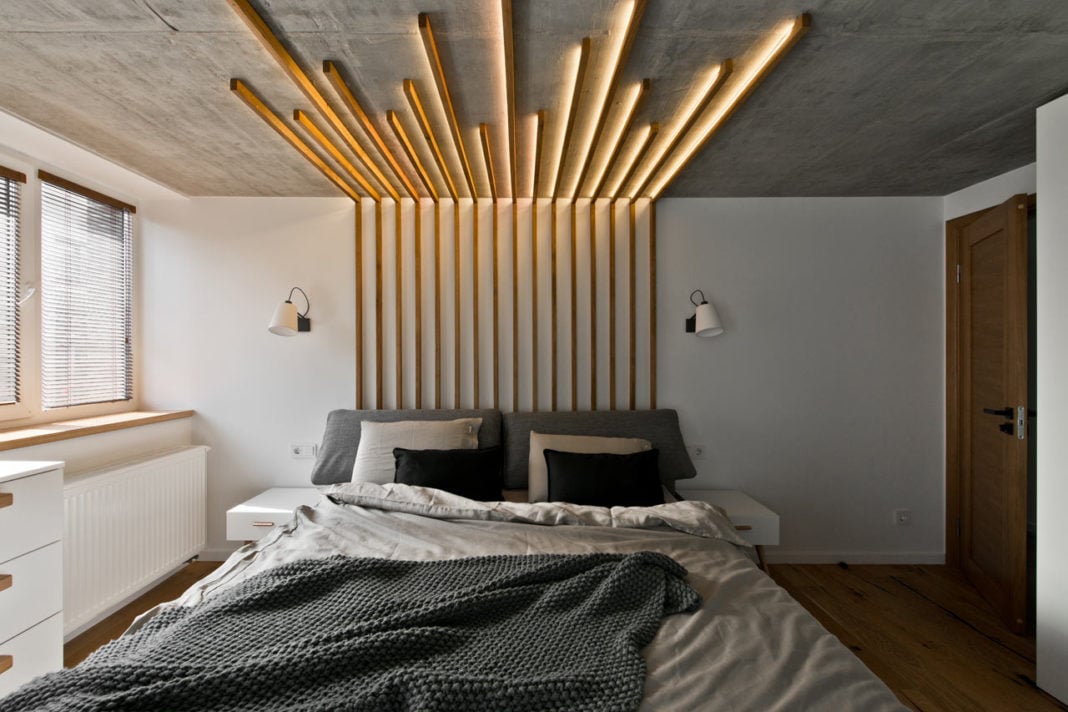
Loft is wonderful because of its creativity. You can use any furniture and any accessories, including homemade ones, and it will look natural and current. It is impossible to distinguish from grunge style.
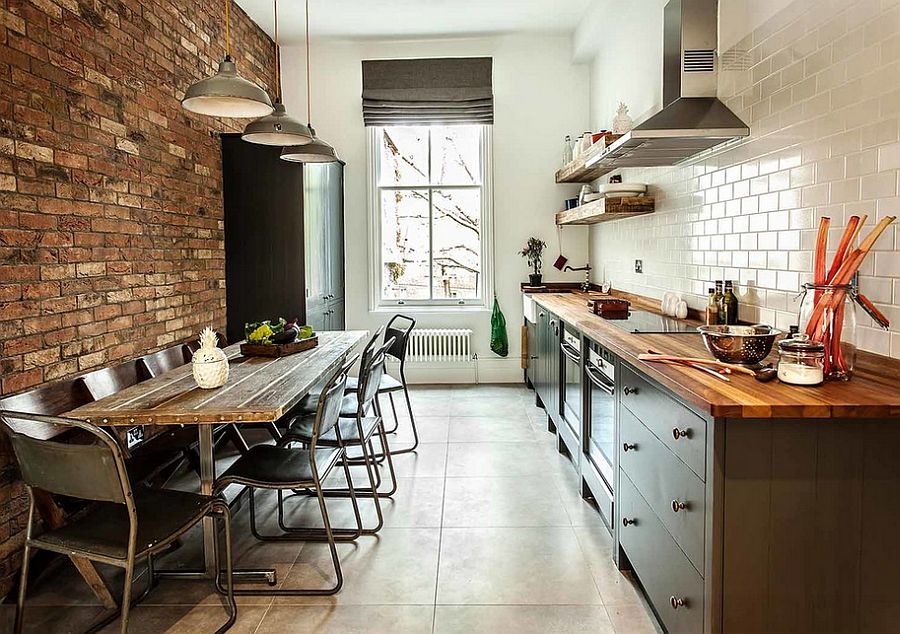
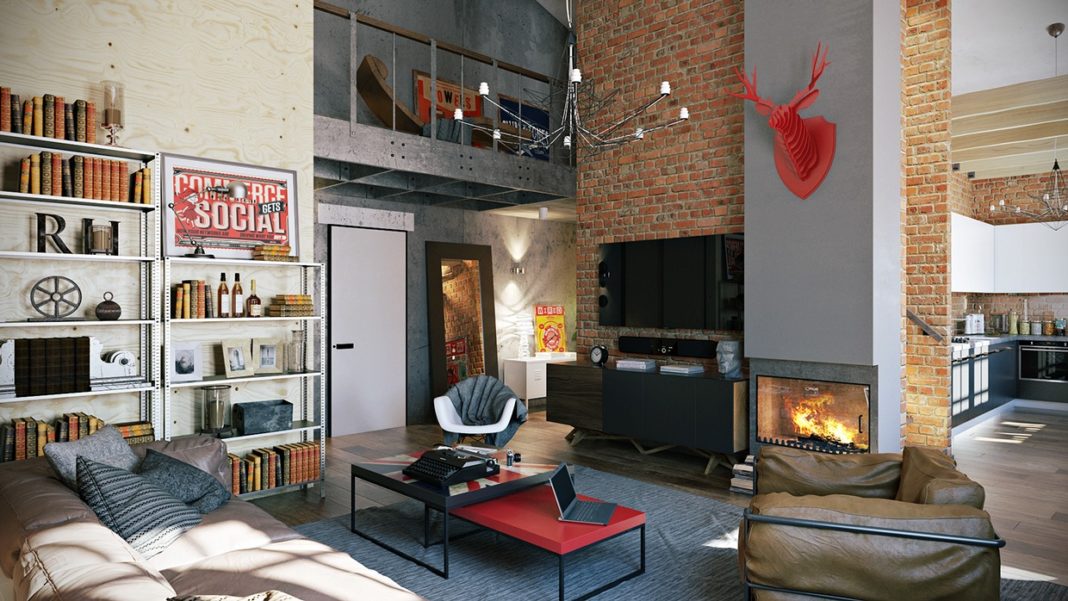
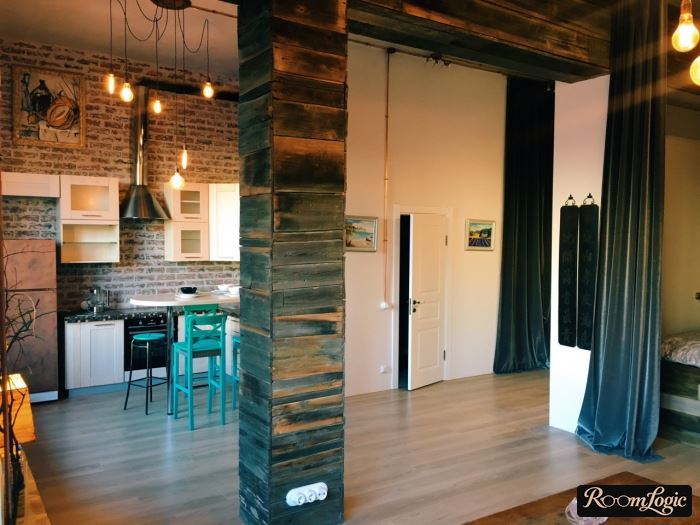
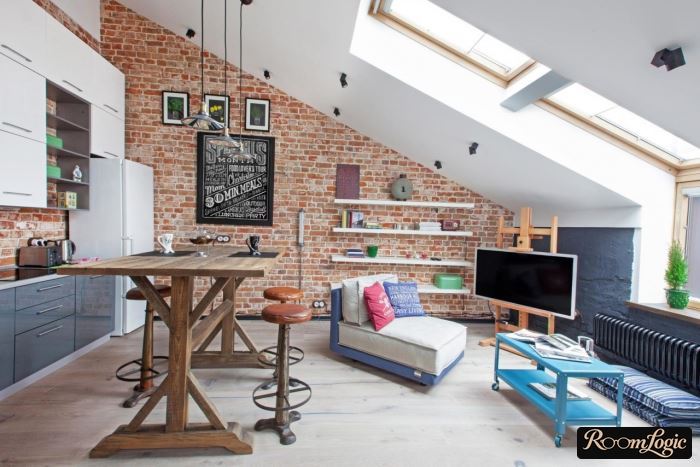
The accessories are unique objects from the past, but reworked in a contemporary way: an antique box or chest, a vintage bathtub, an old ship spotlight repainted red, and so on. Or, on the contrary, they are ultramodern.
- A loft-style kitchen – how to do it in an ordinary apartment.
- A loft-style bathroom.
- Constructivist style – the Soviet version of loft.
High-Tech
Minimalism packed with technological tricks, gadgets, and complex light sources. It costs much more because it requires metal and glass to follow the rules, and those now cost a ridiculous amount of money.
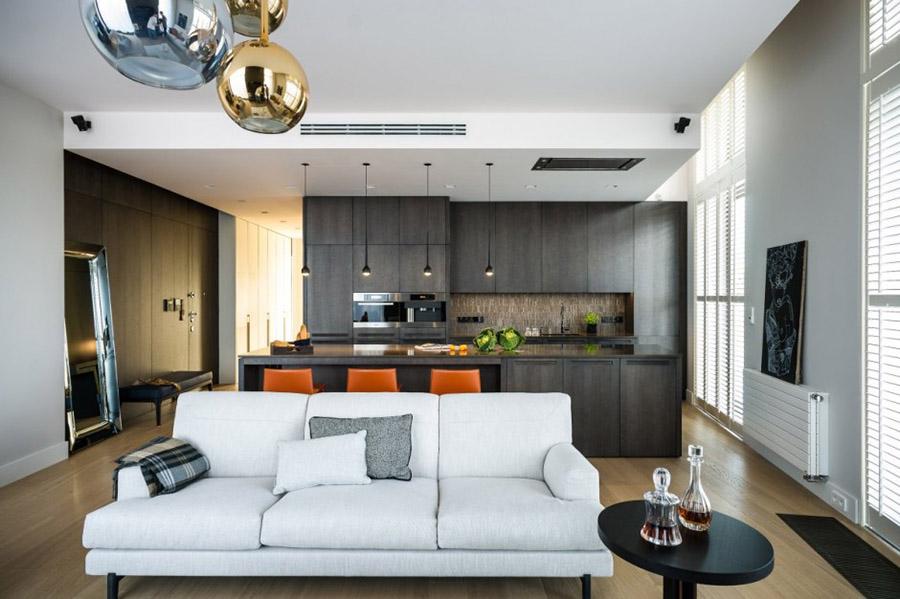
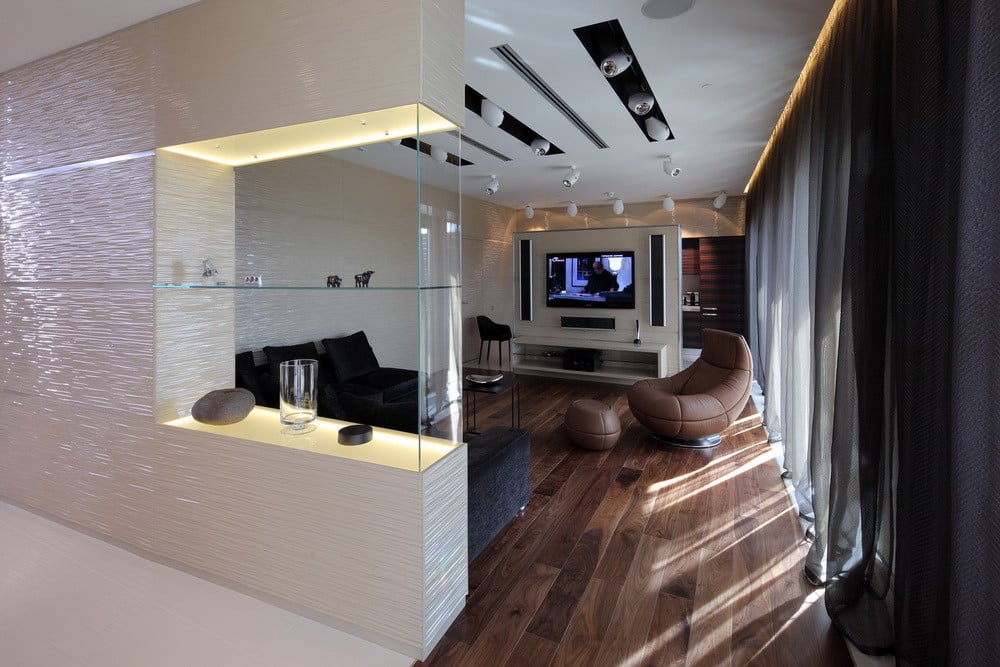
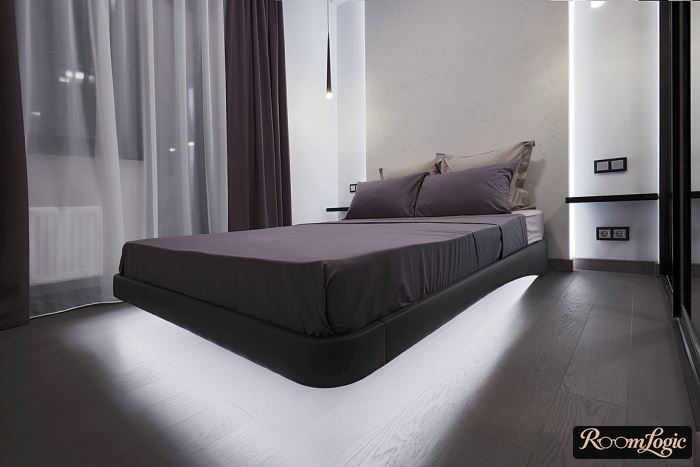
In high-tech style, contemporary, complex, expensive appliances and light fixtures come first. Accessories and decor are almost absent. Their role is played by the many light sources and all the other objects. You cannot save on anything in high-tech: even an ordinary simple door or radiator will ruin the entire picture. High-tech is the most expensive contemporary style.
The finishes are either standard minimalism or futuristic, with a pile of flowing lines and no corners. The latter version is almost unfit for living.
About high-tech kitchen design.
Techno
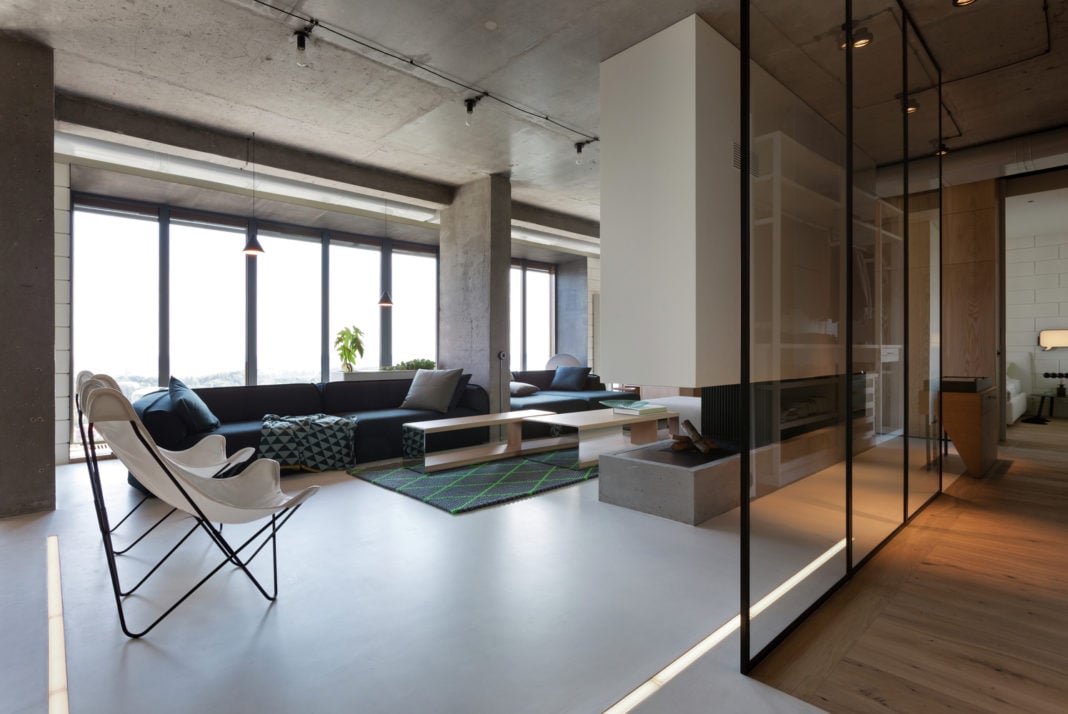
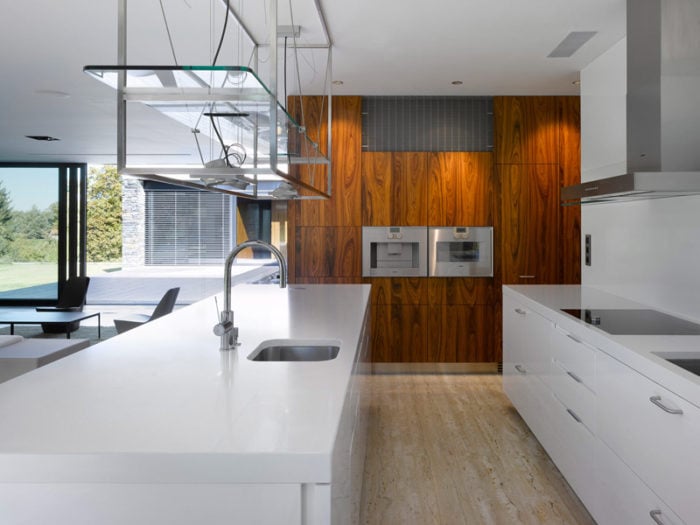
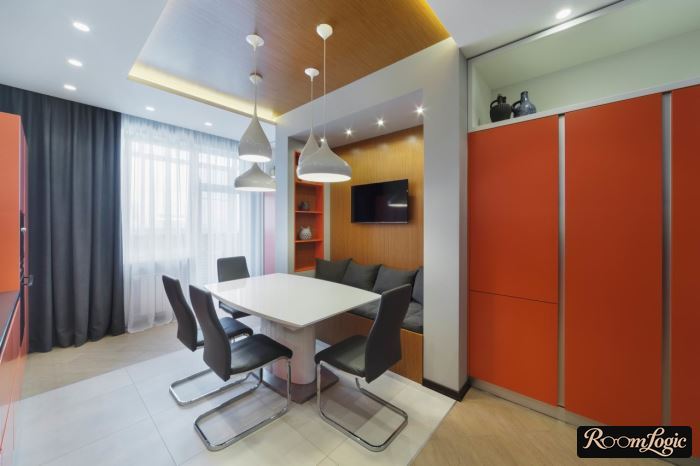
Techno is a minimalist version of high-tech that keeps only the truly necessary objects and leaves out all additional decoration. It is a strict style with clear lines, geometric shapes, and an abundance of cold materials: glass, plastic, and metal. Many people find such an interior uncomfortable and unsuitable for a home, although that is only a matter of taste.
The main colors in techno style are gray, white, steel, and khaki. Wood appears only on the floor. Rough textures are used on the walls. The appliances are steel and chrome.
Art Deco
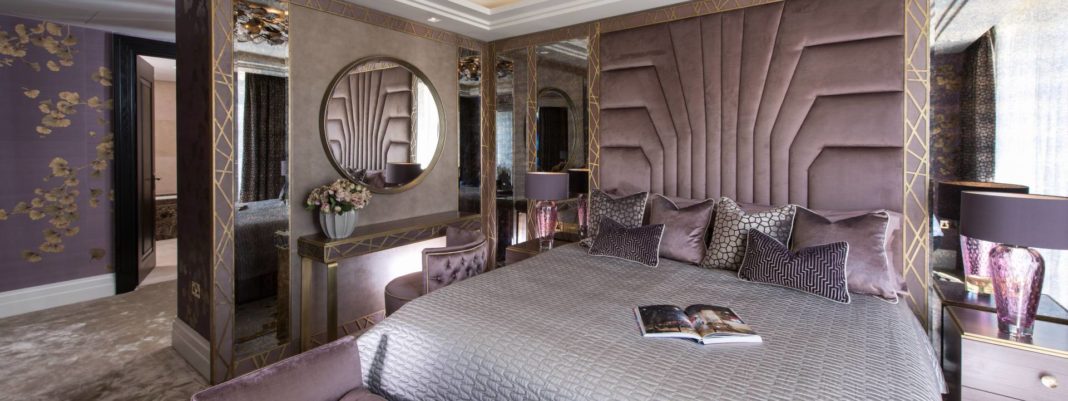
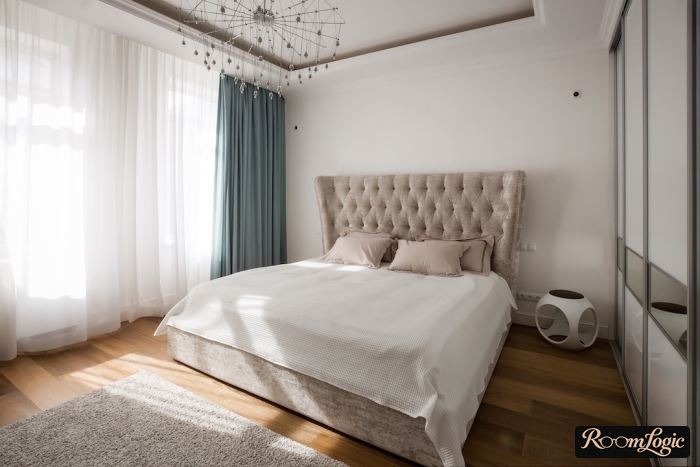
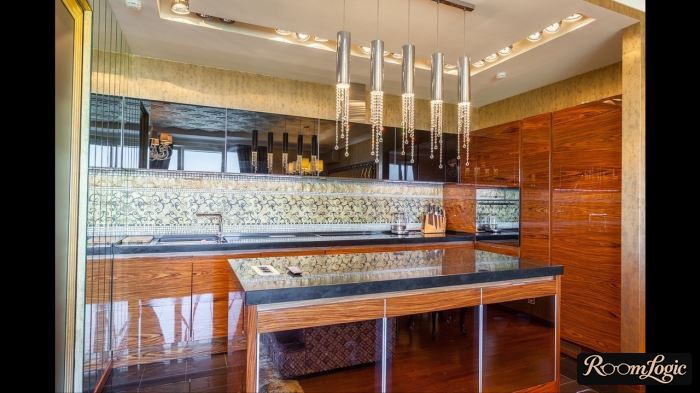
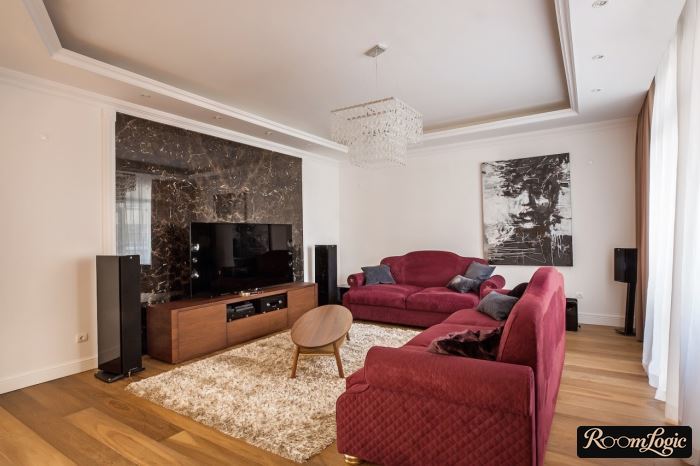
An eclectic style that breaks the rule against mixing contemporary and classic styles. Glamour, expense, deliberate chic, and very bold combinations of colors, shapes, and eras. It is a difficult style with practically no limits.
I advise considering it only if you have an unlimited budget and are hiring a professional designer. Read separately: Art Deco in an interior and an Art Deco living room.
Eco Style
The name of the style speaks for itself. It combines natural materials, elements of living nature, and natural colors. The furniture has only simple, proper shapes. Artificial grass, stones, and natural-wood accessories work as decoration. It is the safest style in terms of the chance of making mistakes. You cannot go wrong with natural materials and colors.
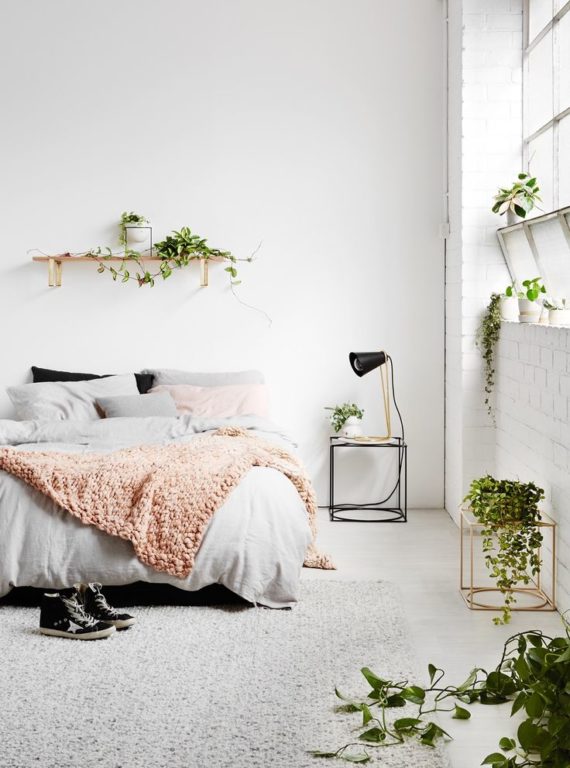
Retro Style
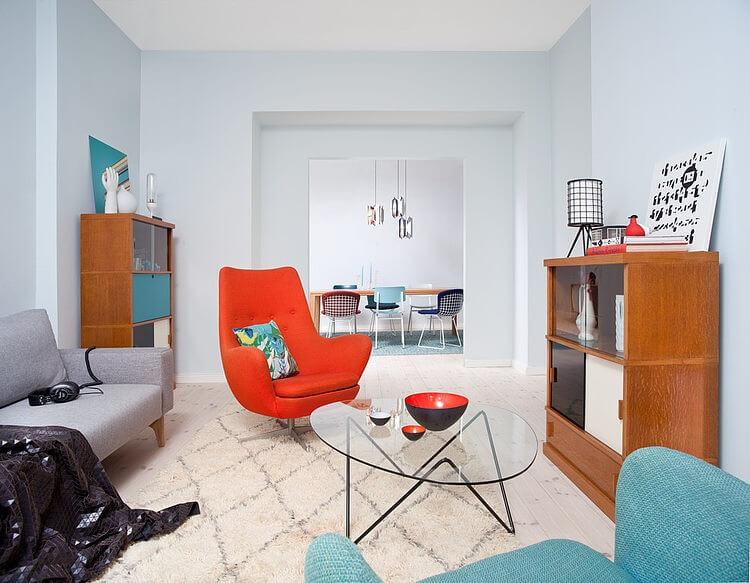
Yes, contemporary retro style. This design exaggerates ideas about a particular era from the past, such as 1960s America.
By the way, here is a useful trick: some old Soviet armchairs are almost no different from American models from the 1960s through the 1980s. The only difference is the upholstery color. It should be bright yellow, red, or blue. Many flea markets have ads from people buying these armchairs – those are clever designers.
Pop Art
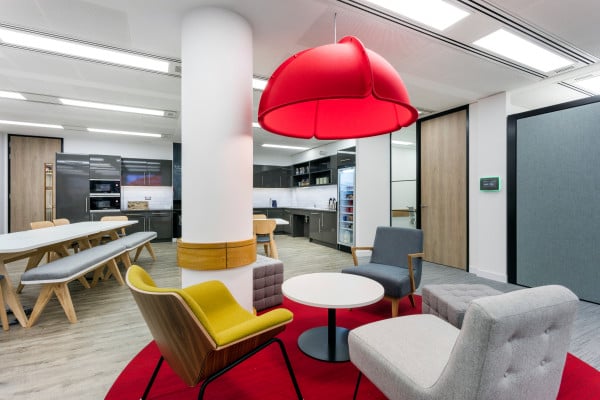
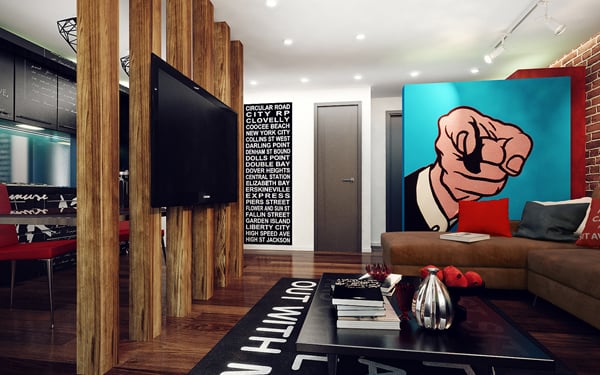
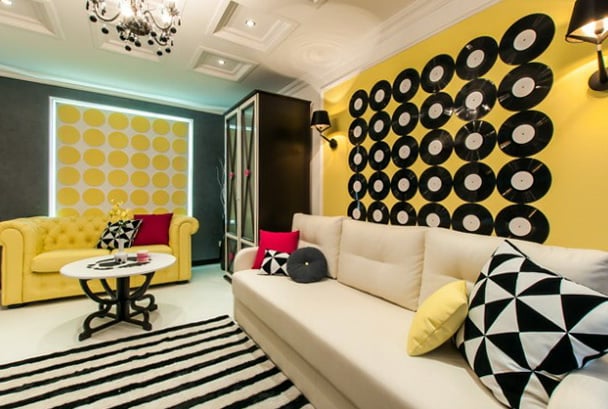
Pop art is a bright, provocative style that uses references to the mass culture of a particular era as decor in any form. There is an abundance of bright saturated, and sometimes acidic, shades. There are many accessories, patterns, posters, and drawings.
It is most often based on movies or music. One of the most common pop-art wall decorations is vinyl records. Other parts of 1980s music culture are valued too.
There is little furniture, but every object draws attention with its unusual appearance. Bright accessories and decorative arrangements, posters, souvenirs, and electronics are used as design elements.
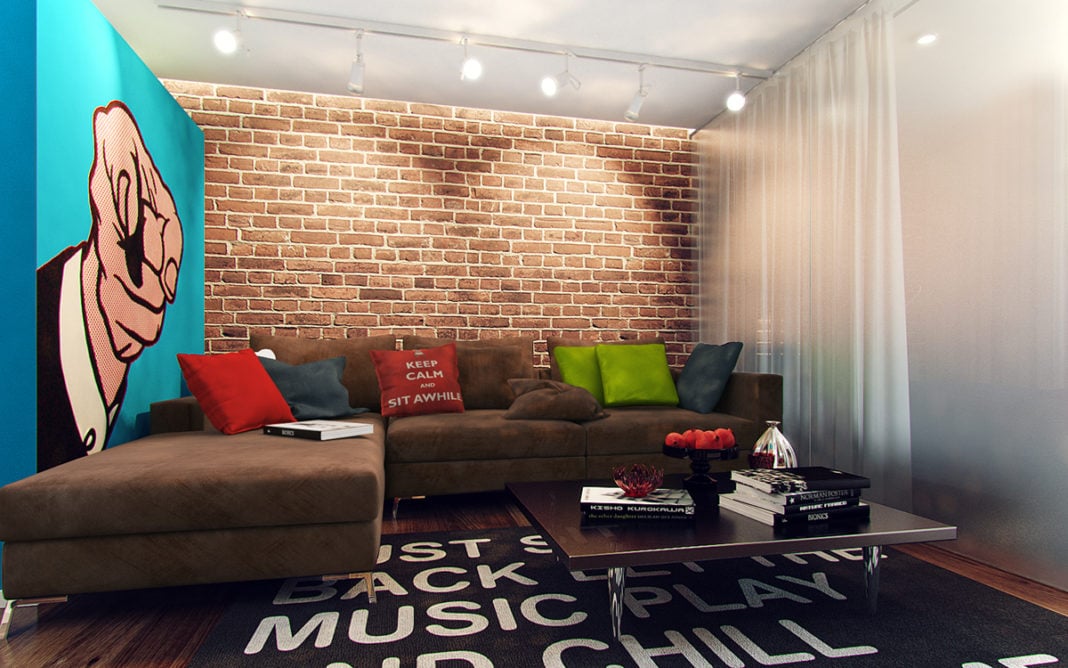
[caption id=“attachment_2542” align=“alignnone” width=“608”]
Designer: Viktoria Sairanova | Independent studio[/caption]
Boho Style
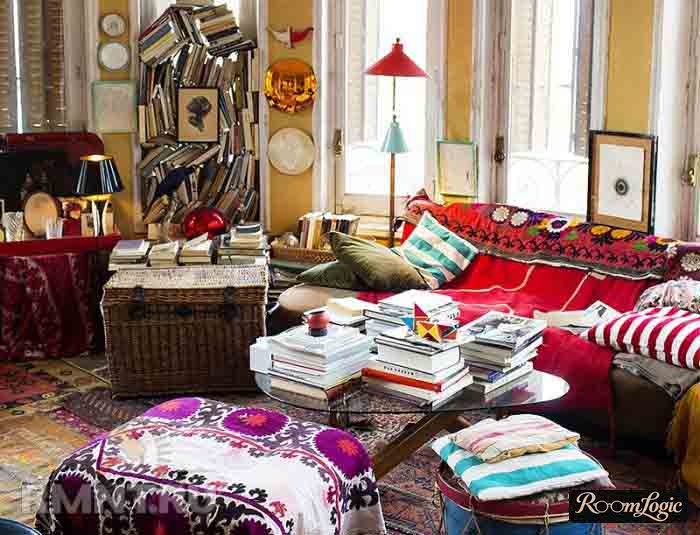
It began in France as a desire to decorate and adapt a living space inexpensively through decorative elements rather than finishes. There are many bright, colorful objects with a history, bought at flea markets, and these serve as the decor. The finishes are simple and cheap. It is a good option for decorating a temporary home, but not as the main style for a full remodel.
Kitsch
Kitsch is an extravagant, even rebellious style that rejects classic art. Contemporary interiors in this style break every design stereotype.
The main signs of kitsch are combinations of incompatible shades, many accessories from different cultures, a mixture of details from opposite styles, and deliberate emphasis on the “fakeness” of classic objects.
But thoughtful designer kitsch should not be confused with bad taste. True kitsch has a certain glamour, emphasized with accessories that deliberately resemble classic design. These are curtains and drapes made of simple fabric and artificial fountains. Imitations are also used for the finish materials: foam columns, “wood” cabinets made of plastic, or laminate imitating marble.
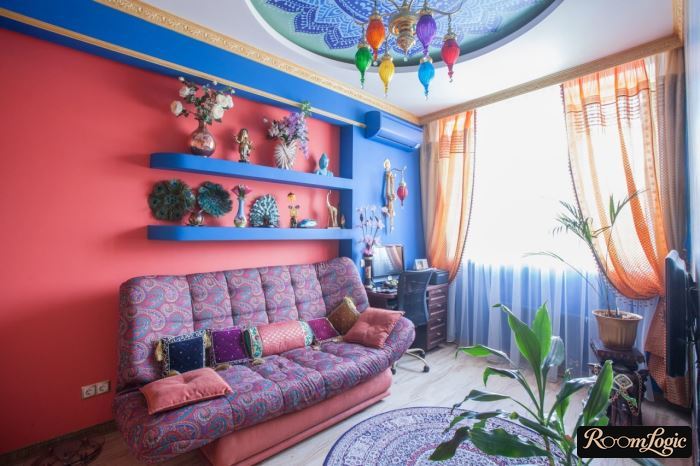
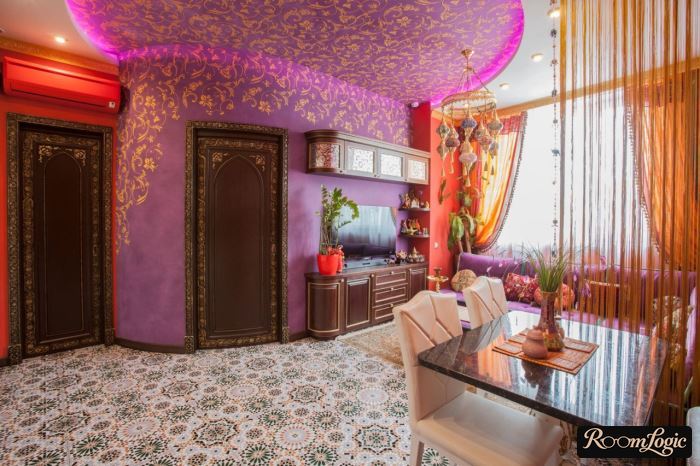
Kitsch can be described in two words: simple chic. The main thing is not to overdo the extravagance, so it is possible to live in the interior.
The riskiest interior style. I absolutely do not recommend it.
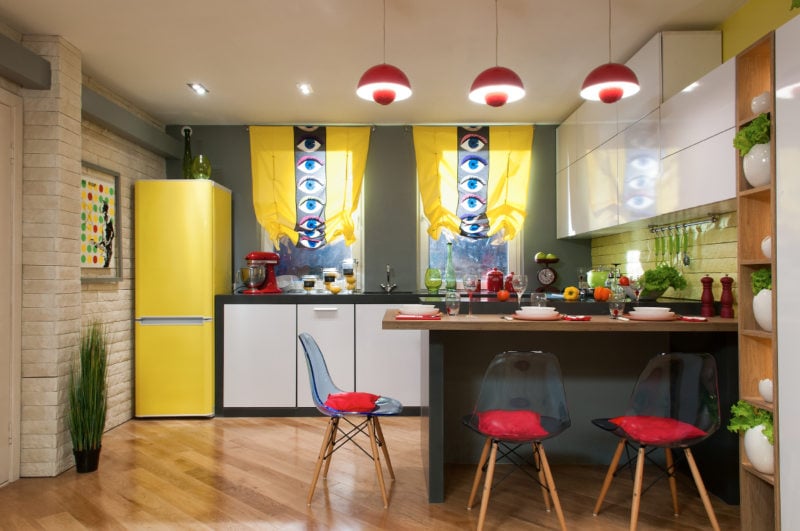
Eclecticism
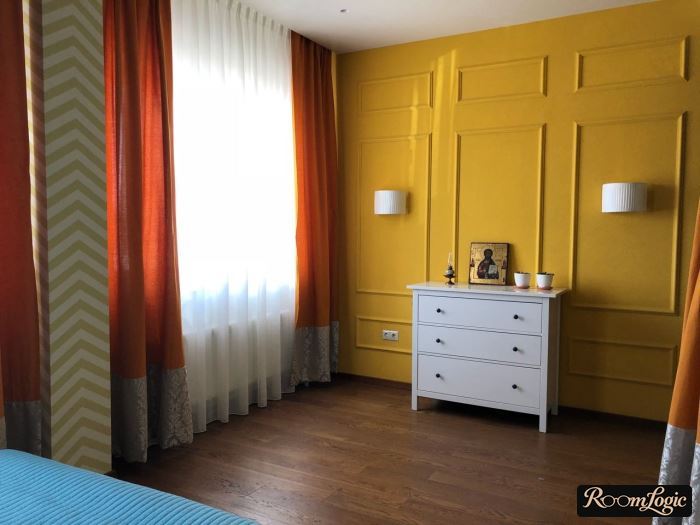
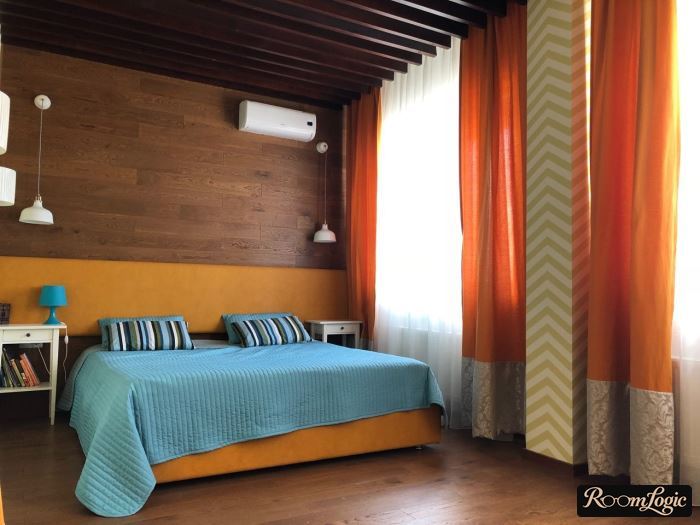
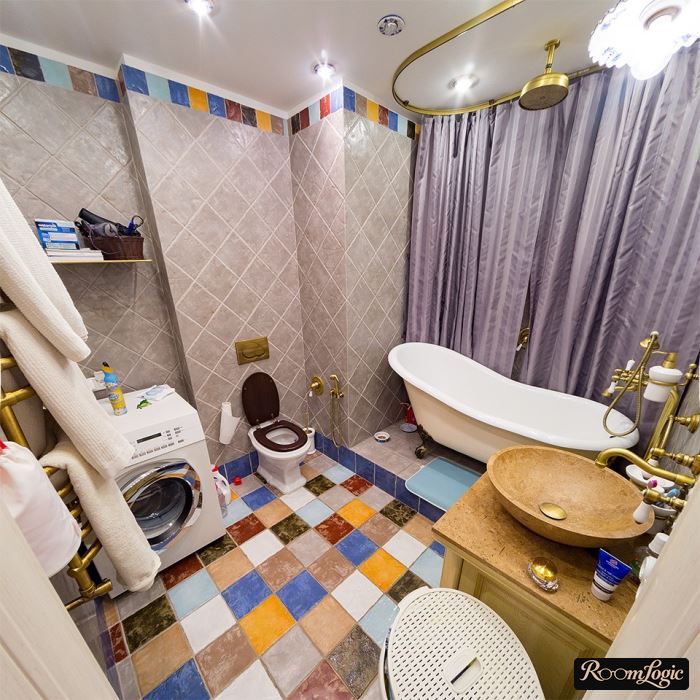
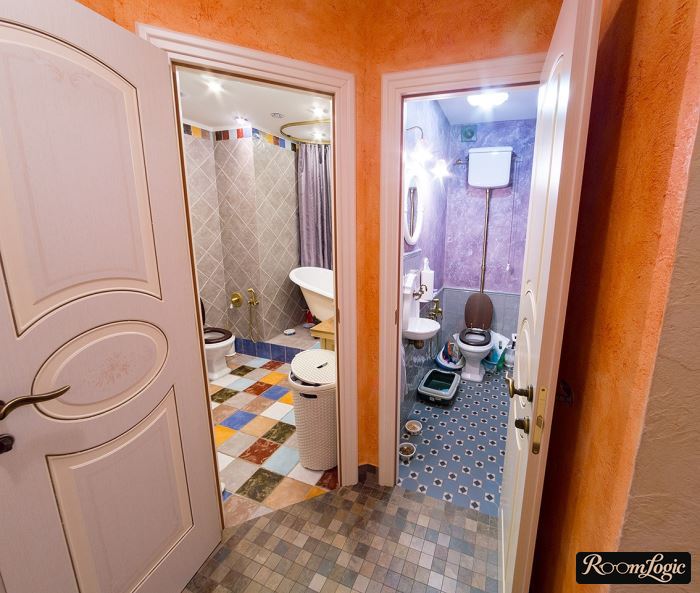
A mixture of all styles and directions, colors and shapes, ideas and eras. After all, boundaries exist only in our heads.
There are no limits.
The problem is that carrying out this direction without sliding into a tasteless mess is very difficult. It is a game on the edge.
Classic Styles
The budget for a classic-style remodel is substantially larger than for a contemporary one. This kind of remodel is always a risk. Even a small number of minor mistakes can turn classic design into a tasteless mess.
That is why the main rule for a classic remodel is this: always hire a designer and set aside a serious budget, or do not get into classic design. It sounds harsh, but this kind of remodel is always an exceptional case. To take it on, you need absolute confidence in your abilities, taste, and budget.
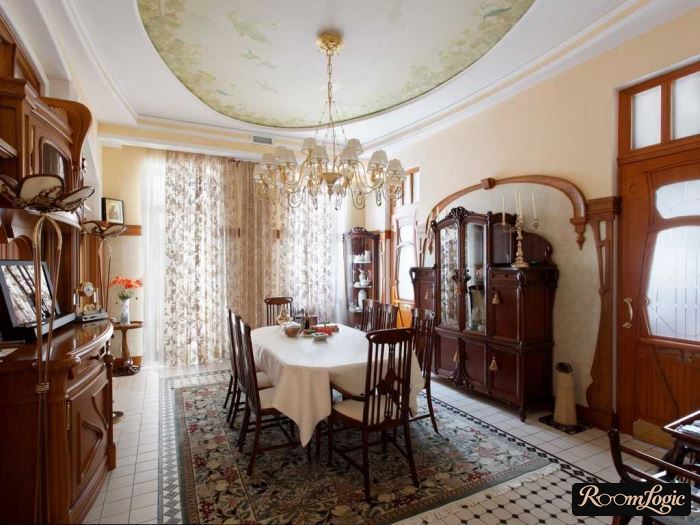
Art Nouveau
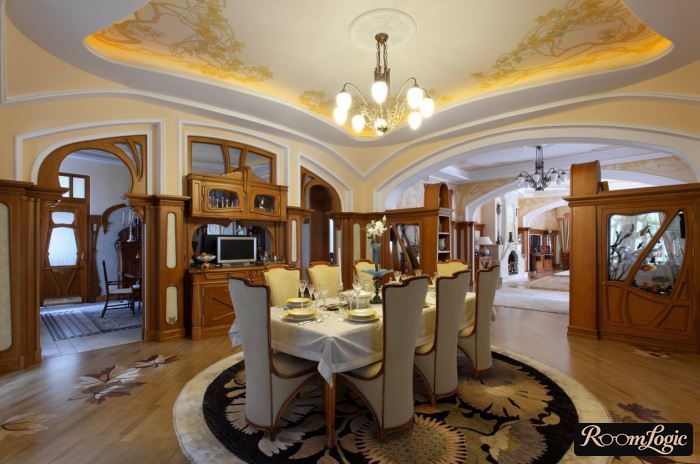
A difficult interior style to understand and describe, Art Nouveau appeared at the turn of the century in the early 1900s. In interiors, it rejected the templates of classic styles and simplified them in general. The idea is natural finishes and furniture, but this vision is far from contemporary trends. That is why the style belongs to the classic group.
The finishes and furniture use flowing lines, many carved structures, and plenty of wood. The wood is left in its natural brown shades, unlike in other classic styles, where it is more often painted white.
The accessories and interior decoration have no kitsch or luxury, but there are many of them. The color palette is natural, without pure saturated shades.
Provence
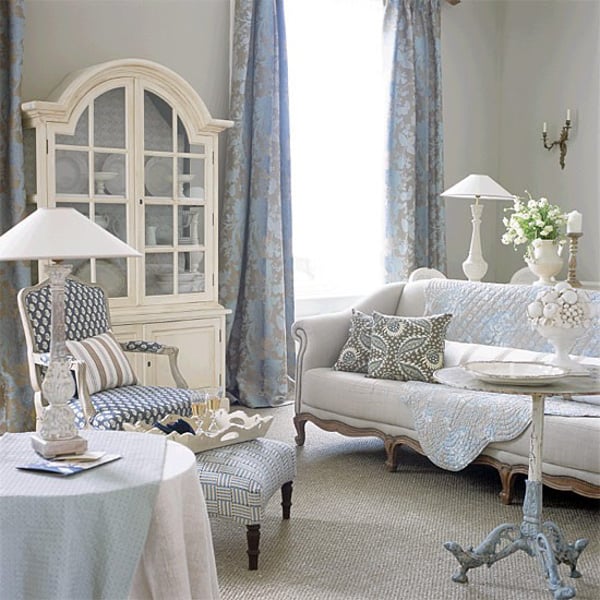
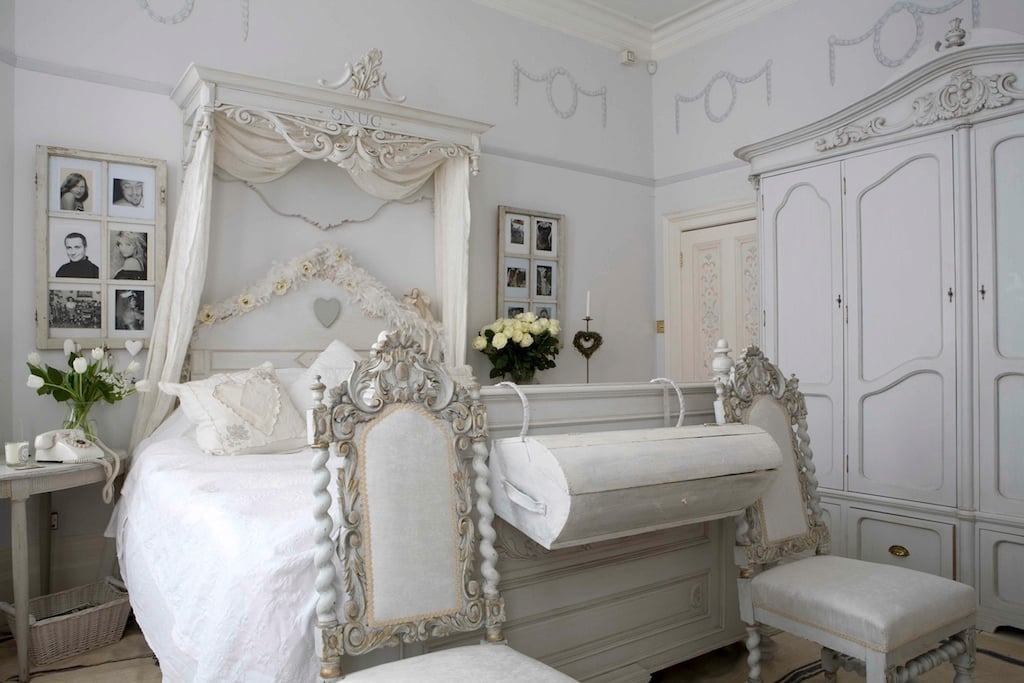
Provence could also be considered ethnic because it is essentially a French interior style. It is the only classic style that personally does not disgust me.
Provence is not about expense or luxury but about comfort and tenderness. Plenty of textiles, pastel muted colors, mostly pale blue, bronze instead of gold, and flowing lines throughout the design create the mood of the French countryside.
By room:
Gothic Style
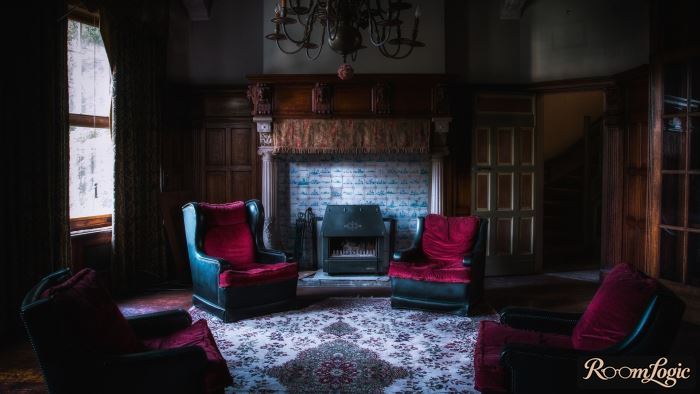
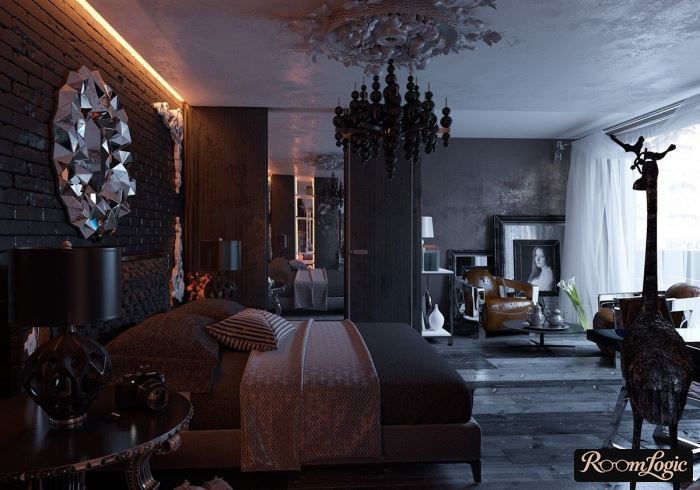
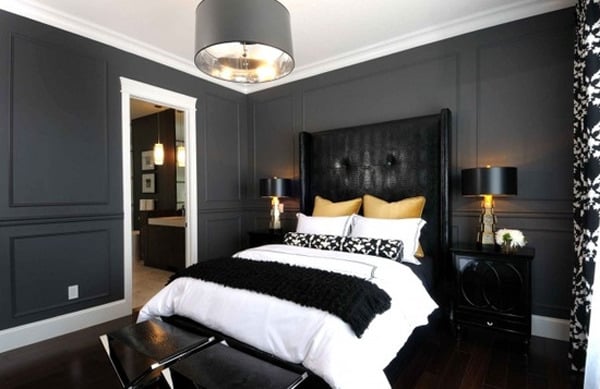
An interior with high ceilings and narrowing windows, mostly in dark tones with very few cool shades. Stained glass, carved details, and candles in candelabras are typical Gothic-style decorations.
It feels monumental, and gloomy to some people. It is a stricter style that does not show off its cost, but it still feels deliberately pompous.
Very briefly about the four styles below. I absolutely do not recommend them for places where you actually plan to live. They are not meant for that.
Baroque
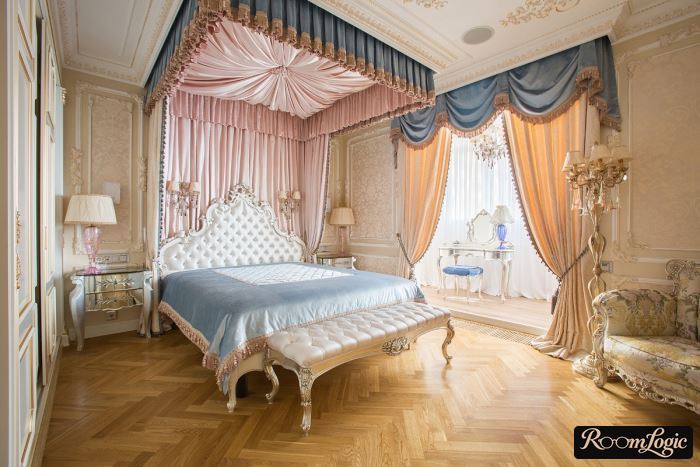
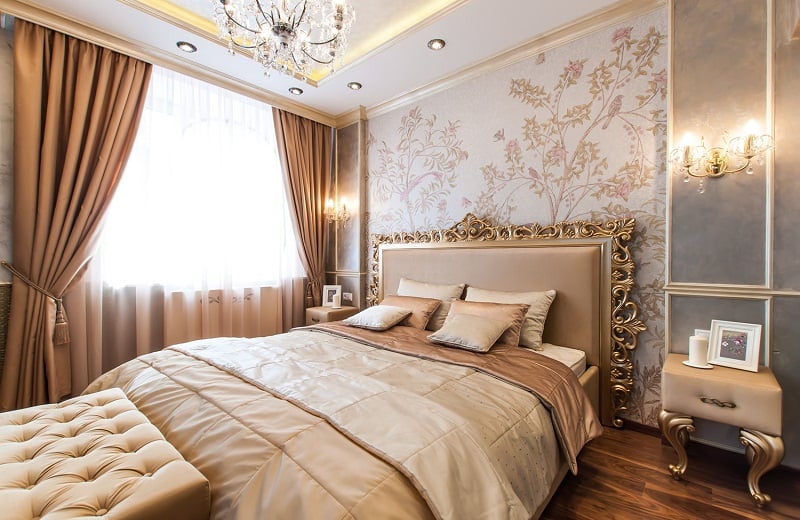
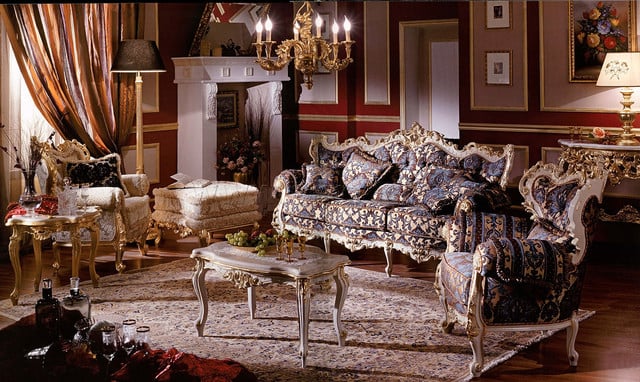
At the greatest possible contrast with Provence, Baroque in an interior is about deliberate luxury and excess. Its attributes are marble, gilding, frescoes, molding, massive carved furniture, and tufting. Every element in the room is decor and has to be complicated.
The style simply screams that it is very expensive and that a ton of money and time went into every detail. It suits only large houses.
Empire Style
An imperial style with a mood of ceremony, grandeur, and a certain theatricality and unreality. Columns and pilasters with molding, and general pomp. Unlike Baroque, Empire style in an interior is more about grandeur than expense, although they leave the same overall impression.
Classicism
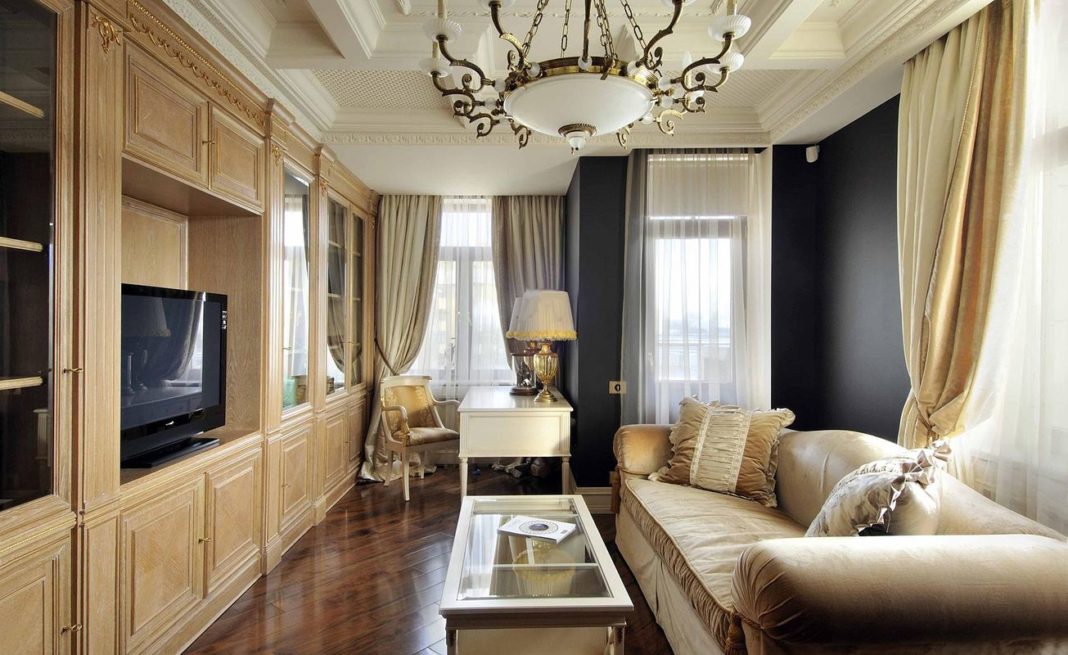
The main idea of Classicism was rationality, simplicity, and strictness in interior design, but only in comparison with other classic styles. The early seventeenth-century elite clearly had a different idea of rationality from ours.
Arches, molding, furniture with high backs, less gilding, crystal, and curtains with valances are typical Classicism in an interior.
Read about traditional-style kitchens.
Rococo
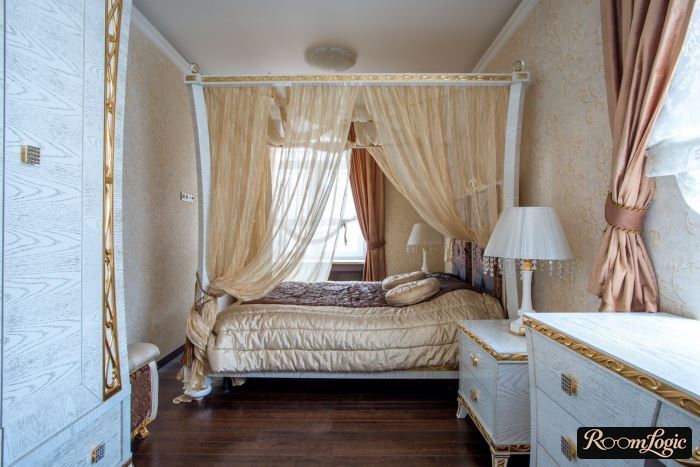
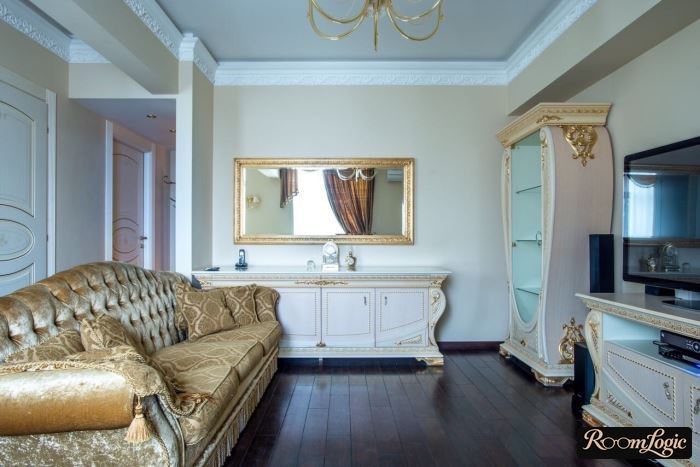
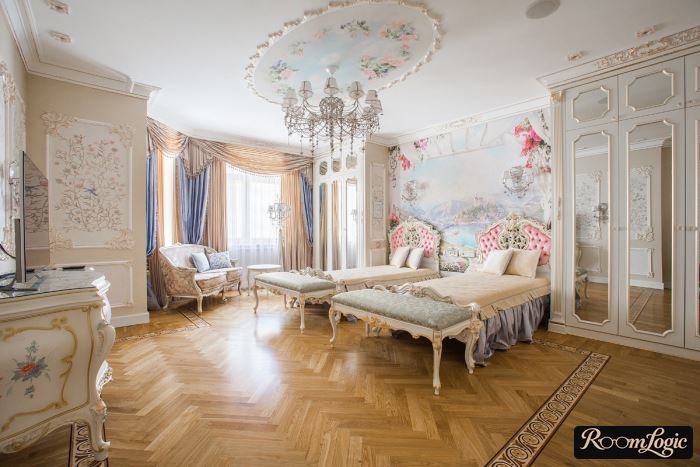
Although Rococo is similar in many ways to Baroque, Classicism, and Empire style – the last one visually, not ideologically – it still has some special features. The main one is a monstrous number of small details in the interior. More colors are used too. There are many paintings on the walls.
Ethnic Styles
When looking for an original home design, you can turn to foreign cultures for inspiration. You can create a distinctive atmosphere even in a small city apartment by choosing the style of the country that appeals to you most. Stylized accessories, including handmade ones, will help create the setting. This is the most difficult and dangerous design direction in terms of creating something truly stylish rather than tasteless.
English
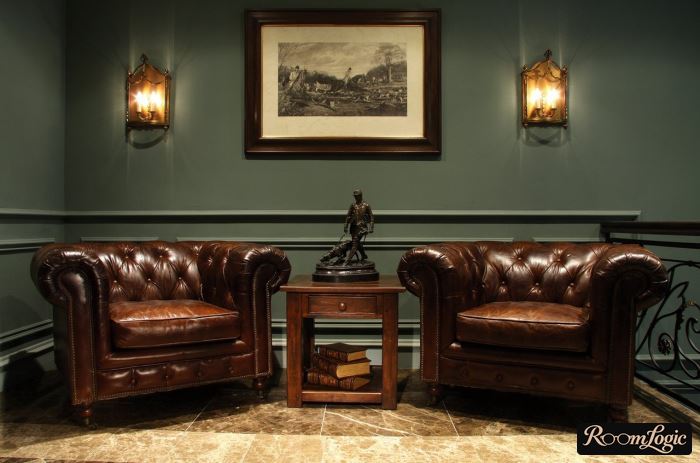
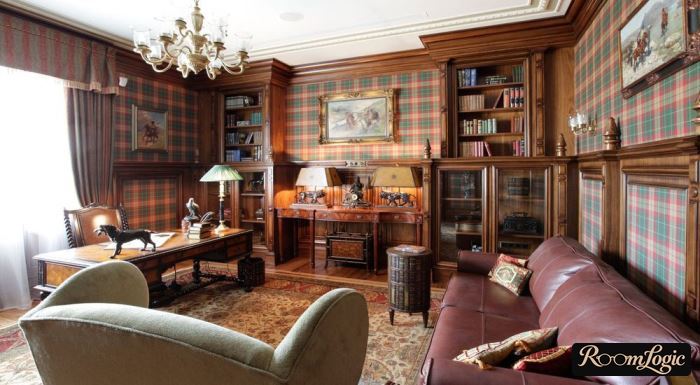
The walls use wallpaper, most often gray or dark green – Oxford green – with vertical stripes. The furniture is in natural wood colors with carved elements. The overall palette ranges from medium to dark because of the climate and the small number of sunny days. The main lighting is at mid-level rather than overhead, using sconces and floor lamps.
Mediterranean
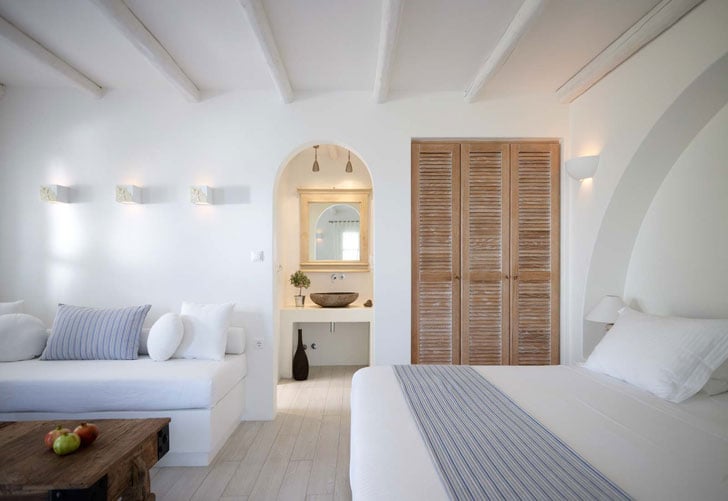
A collective image that combines features from different countries. This interior is filled with light because it has large windows. Natural wood is used for the furniture and finishes, and the room itself is painted in light shades.
Japanese
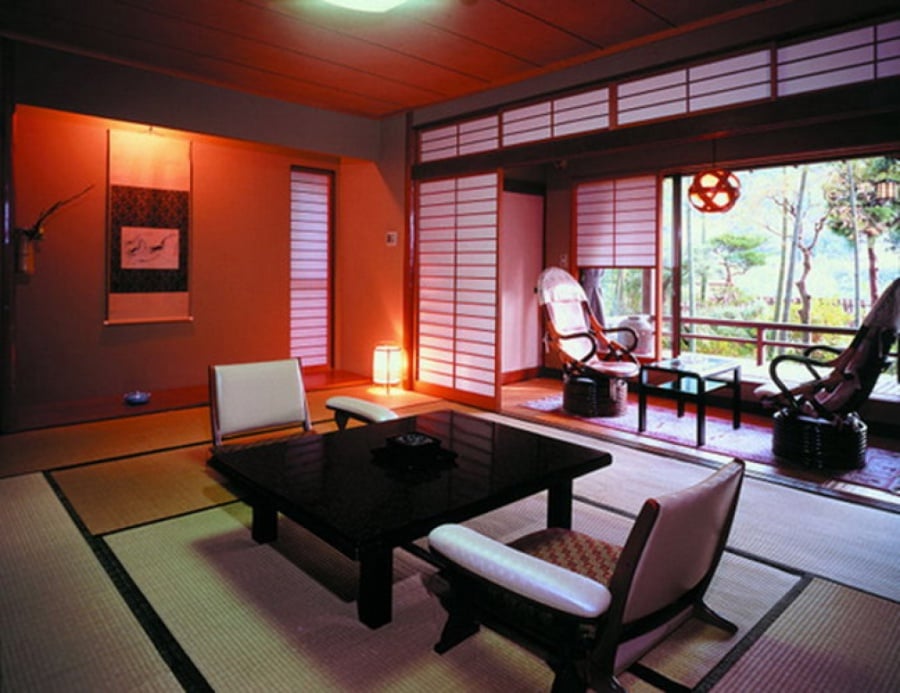
The strictness of the style makes Japanese interiors look alike, so they are not very original. For this reason, Japanese style is more often used only in parts. There is little furniture, light and natural shades, natural materials, and a sleeping place on the floor.
Chinese
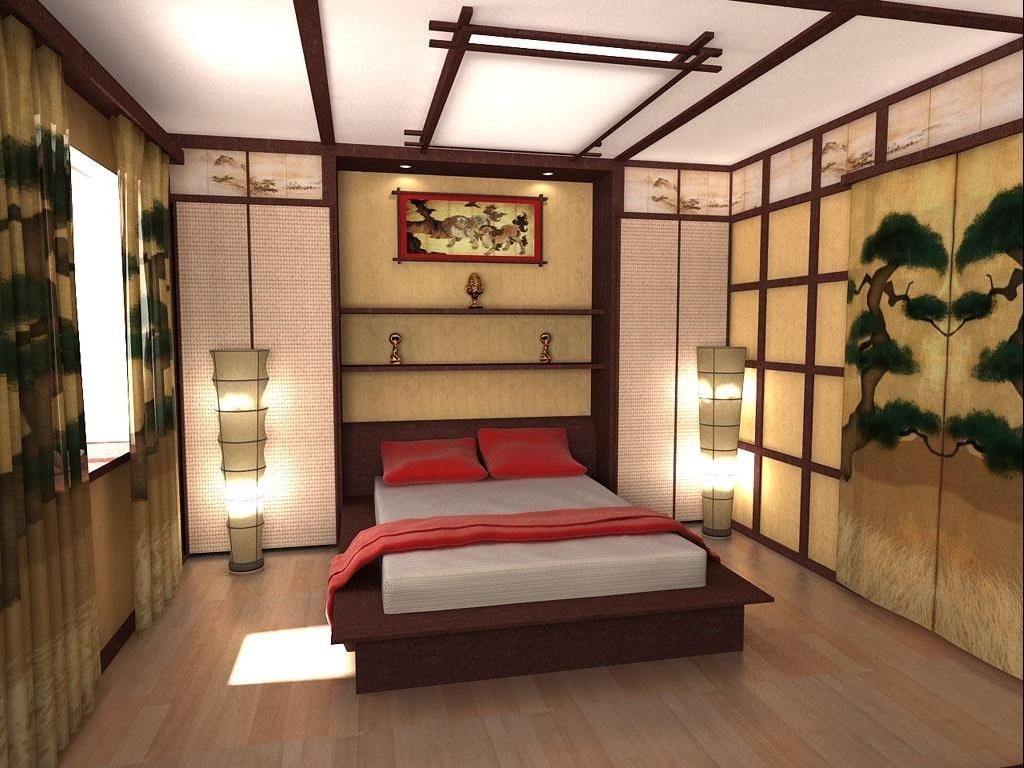
This style is not as strict as the previous one, so there are combinations of bright shades, many accessories, and rooms divided into functional zones. The atmosphere of a Chinese interior encourages calm, relaxed time.
African
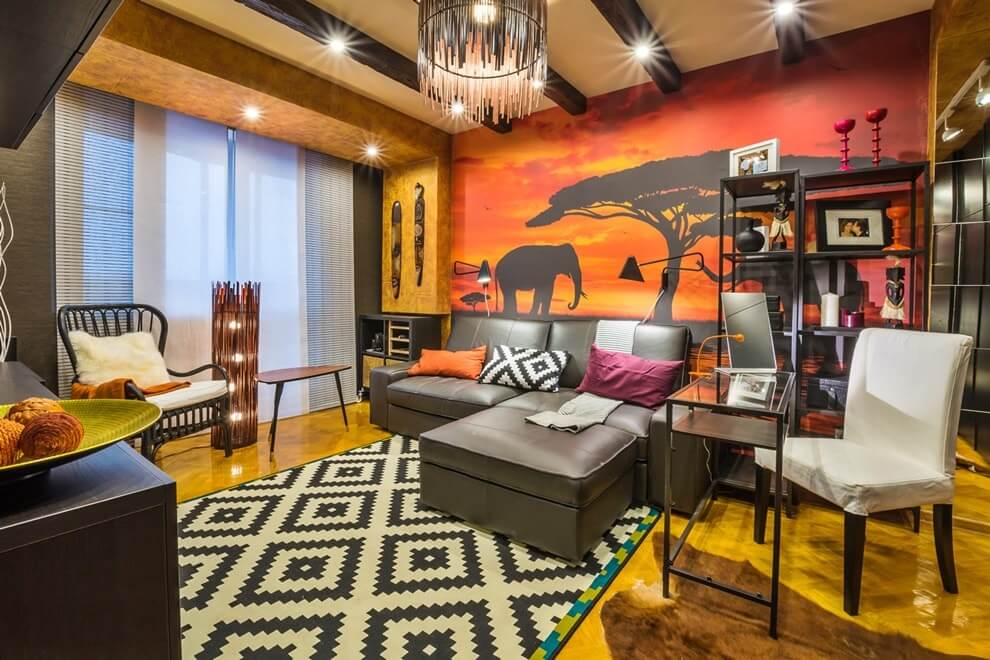
The most distinctive of the ethnic styles. It recalls the hot desert sun. Specific accessories tell about distant African peoples, their lives, and their crafts. Natural leather, fur, and bamboo, or good imitations of them, are used in the finishes.
If you are not firmly set on classic or ethnic styles, if your budget is limited, if the apartment is small, or if many people will live there, our advice is to choose a contemporary style.