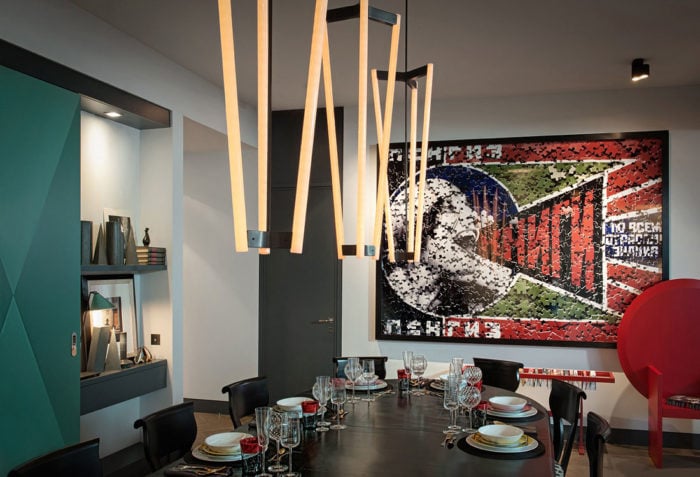
An Art Deco interior is bold and striking, but complicated.
A few nonobvious mistakes, and instead of luxury it turns into a colorful mess. I am not talking you out of it, but I advise thinking about whether you are confident in your taste or your designer’s taste, plus your budget. There are other bright and unusual styles that are much easier to carry out. Read our overview of interior design styles; it has much safer options.
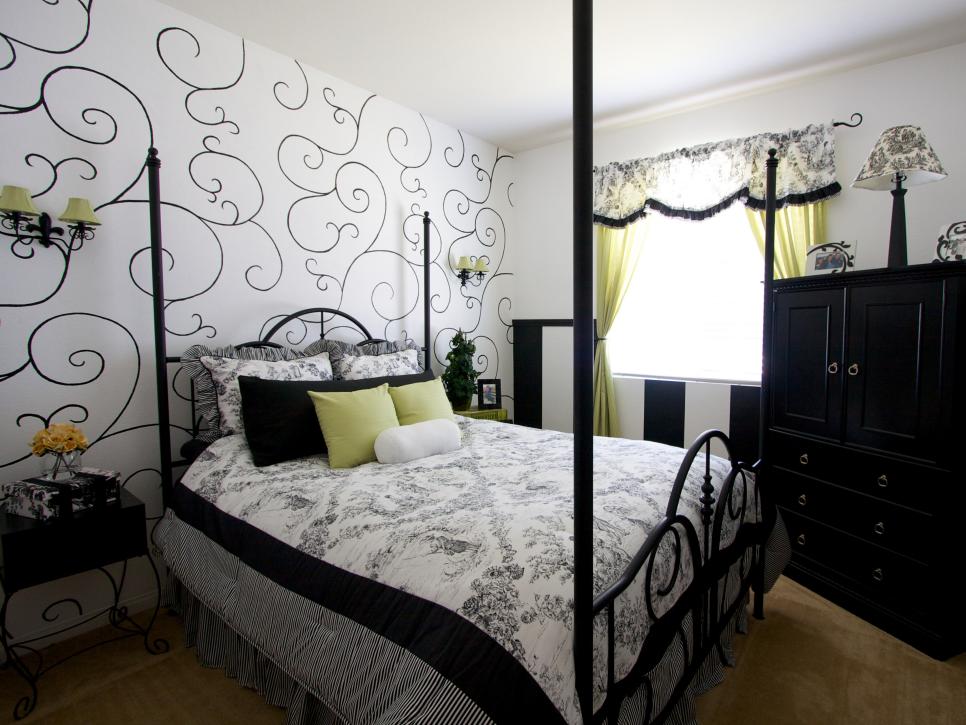
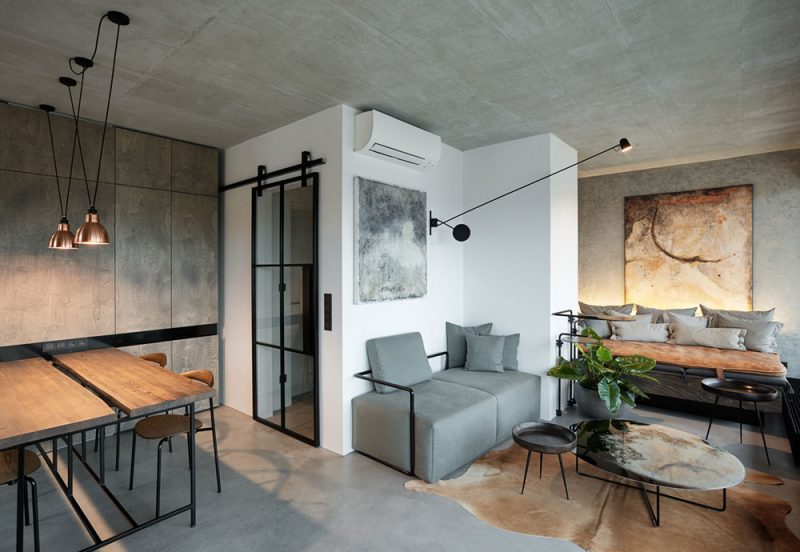
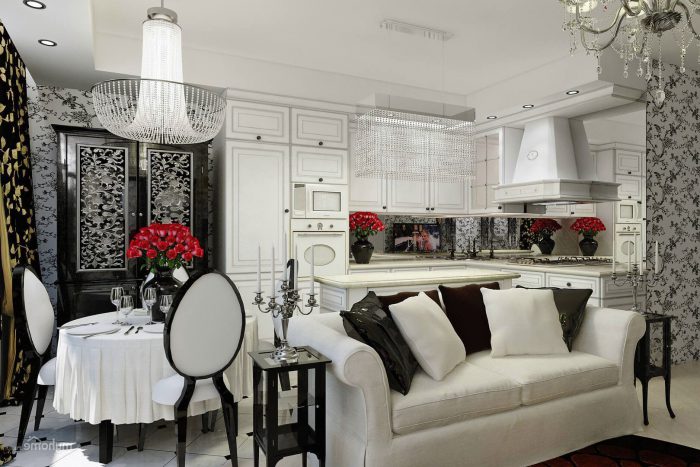
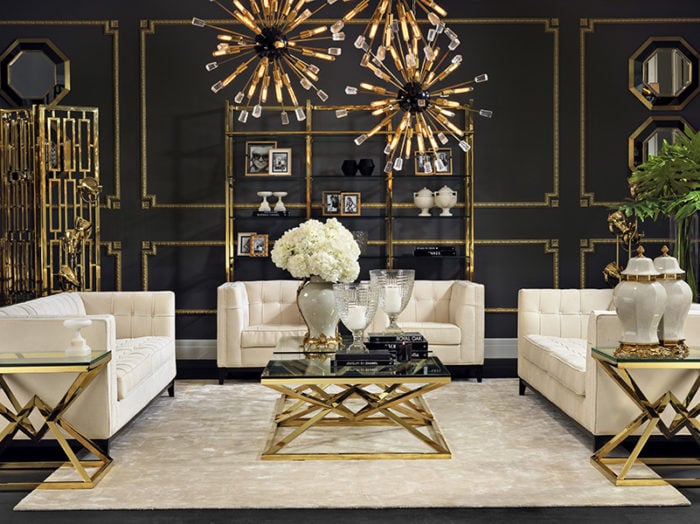
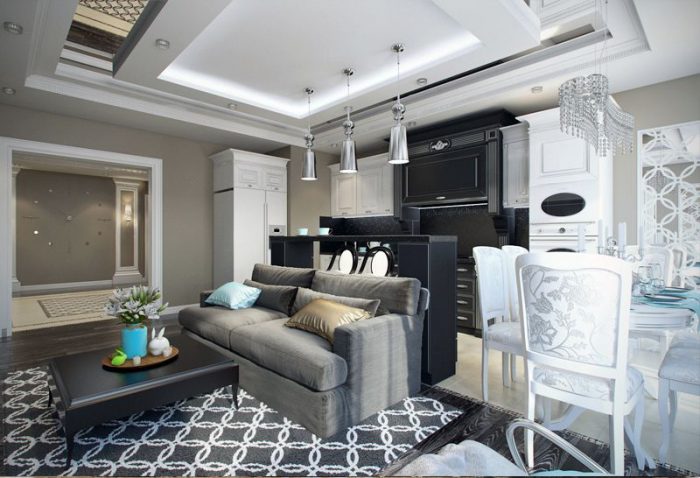
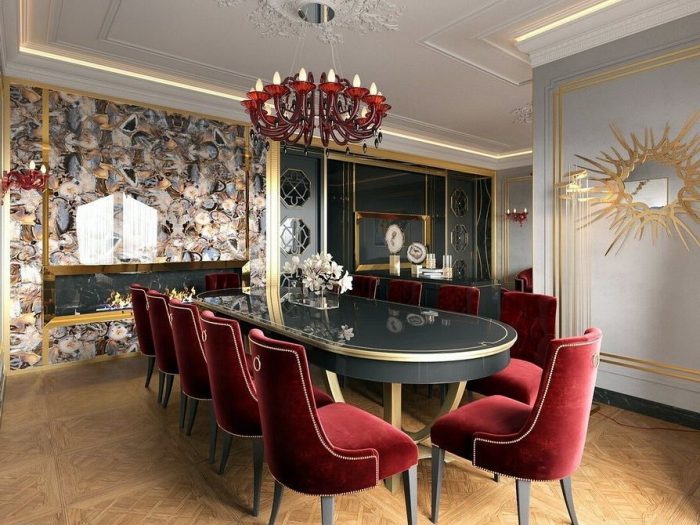
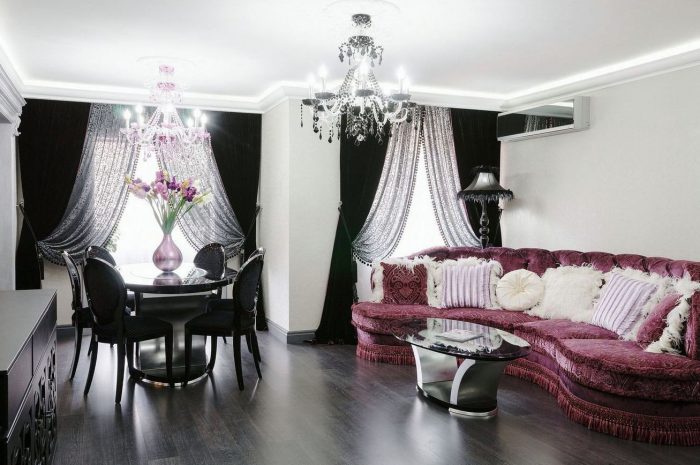
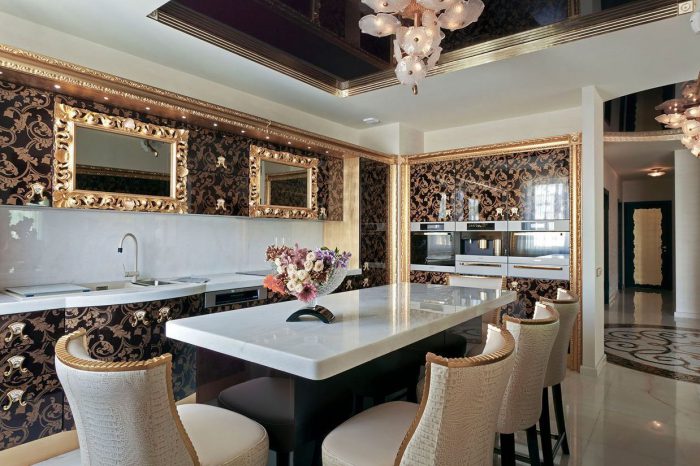
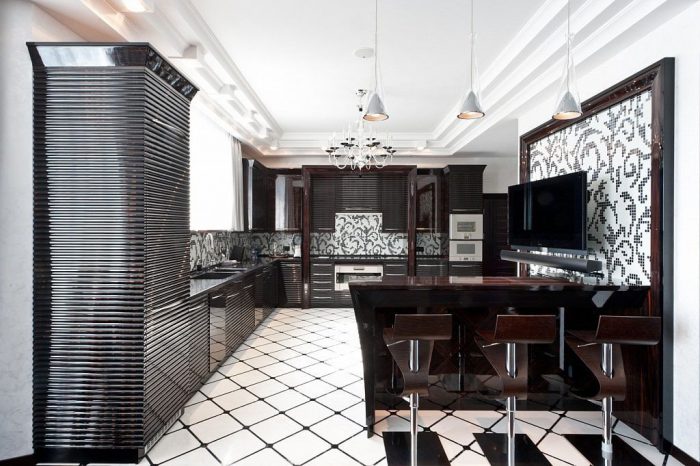
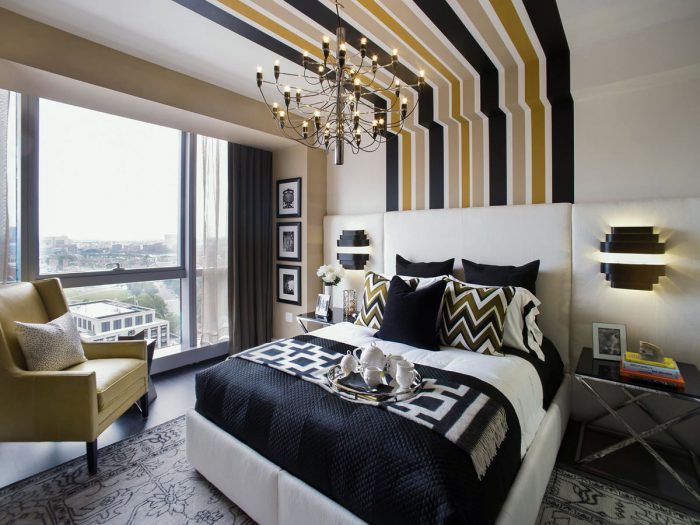
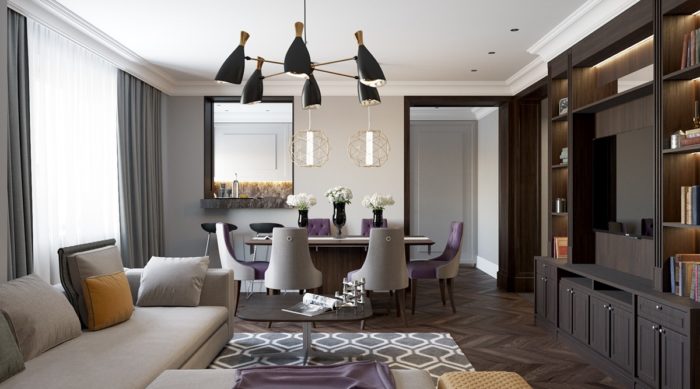
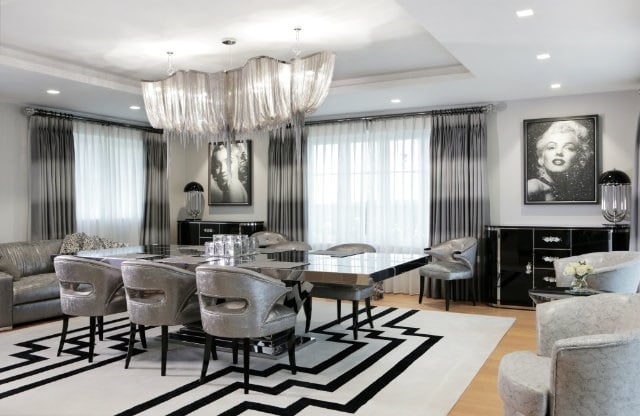
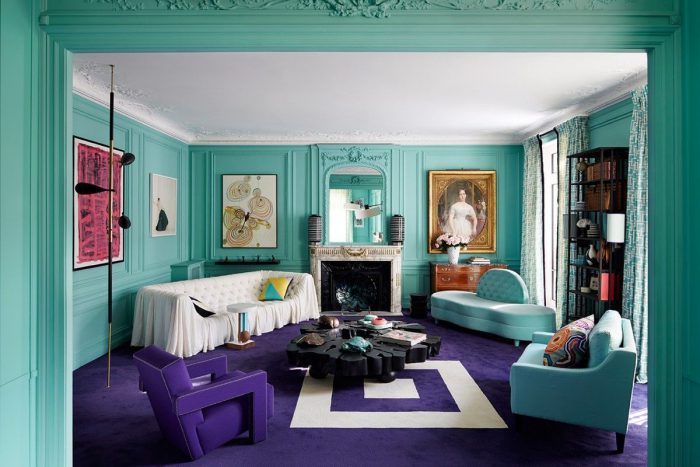
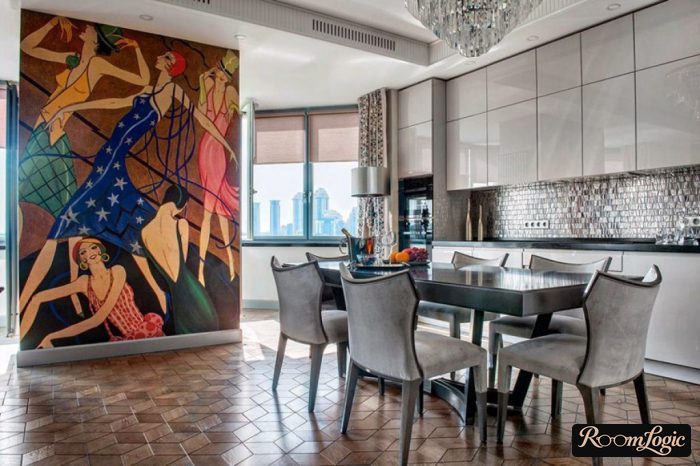
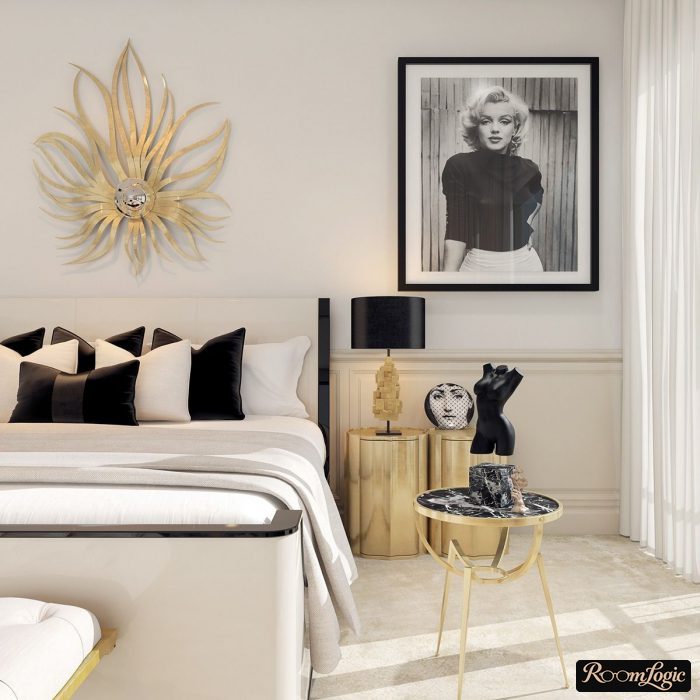
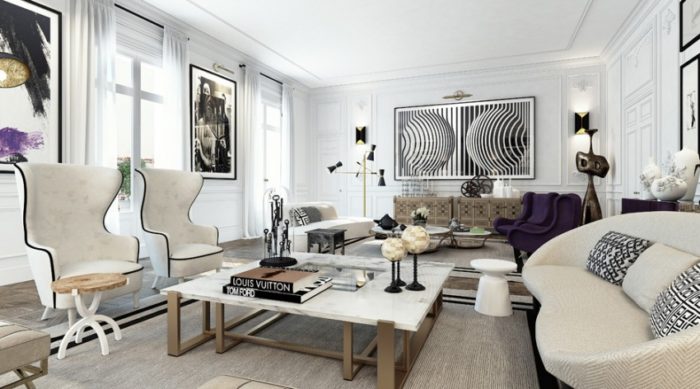
If anything, I warned you. Here is a good example of the combinations you need to be ready for to make a decent Art Deco interior:
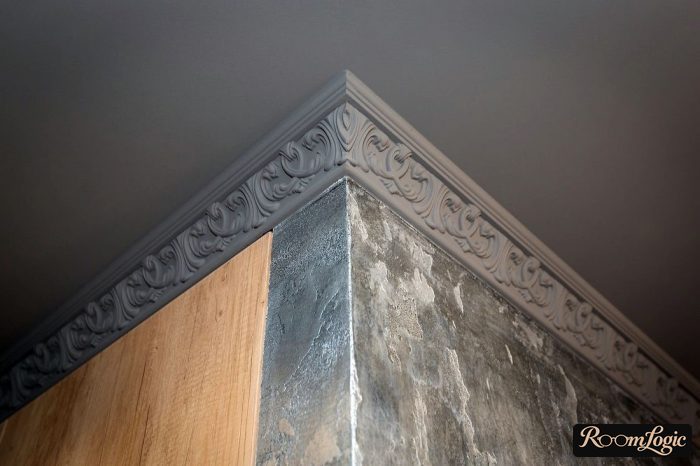
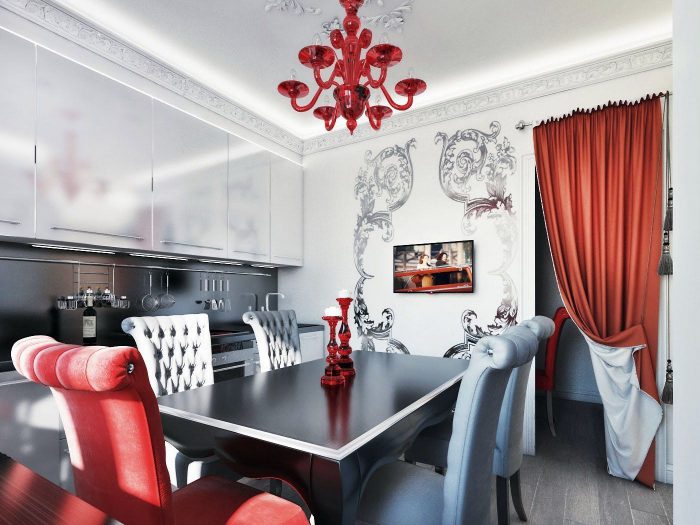
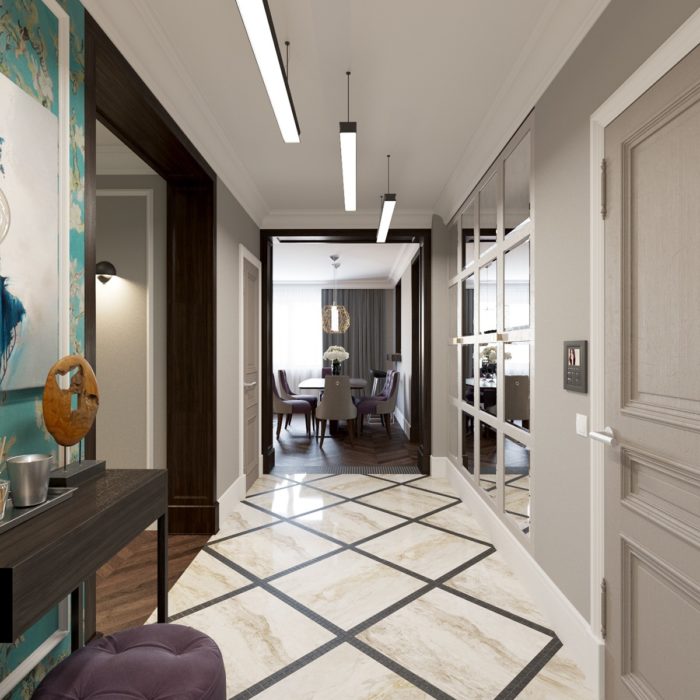
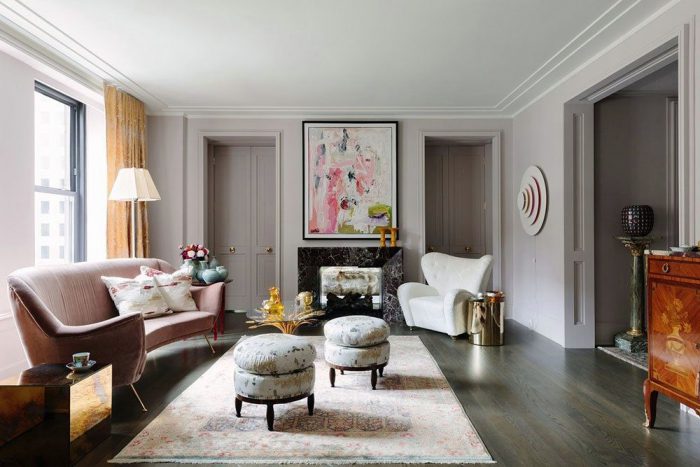
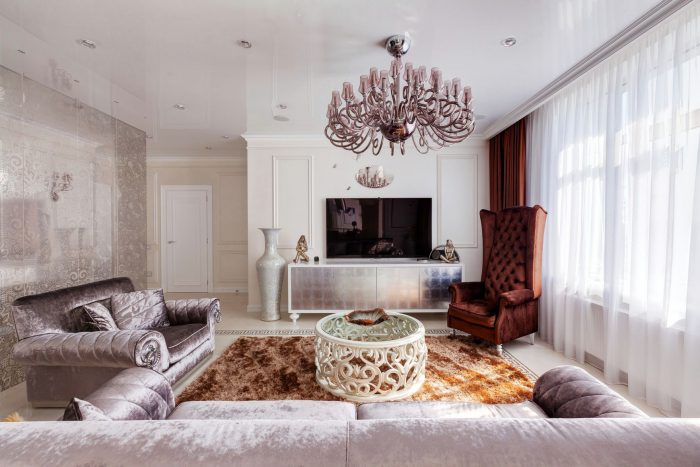
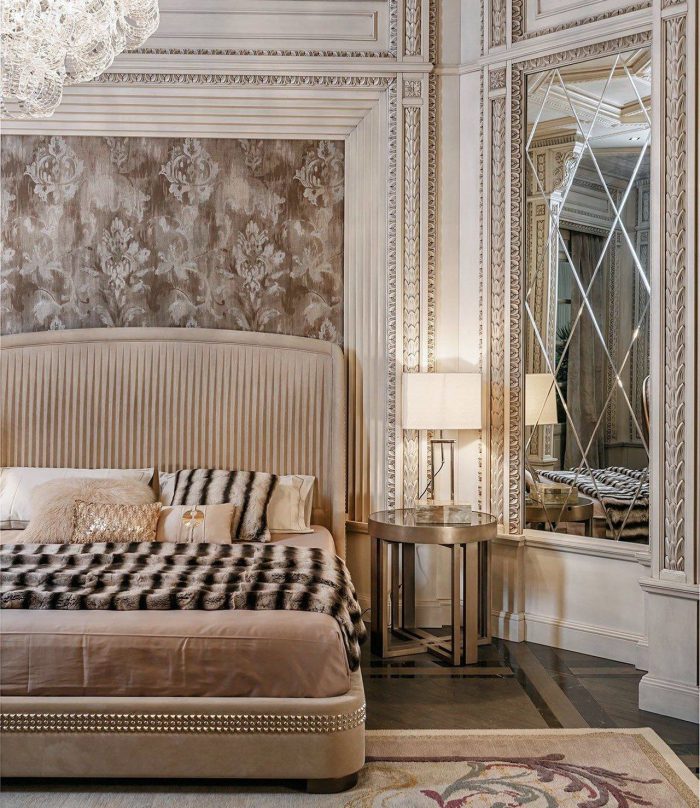
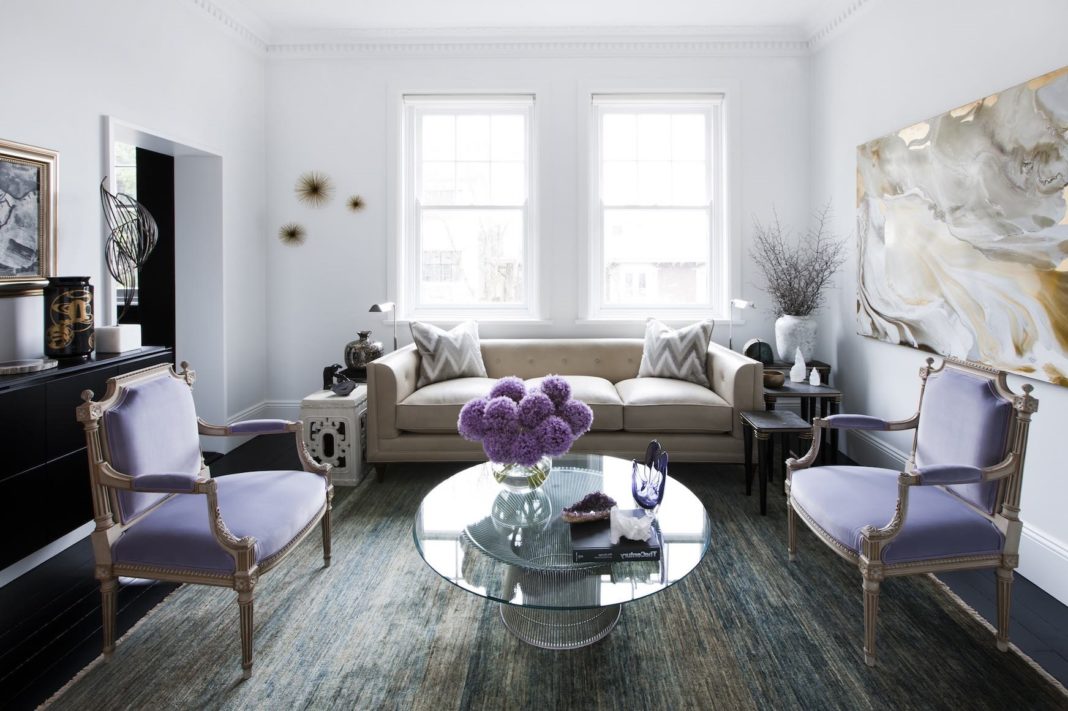
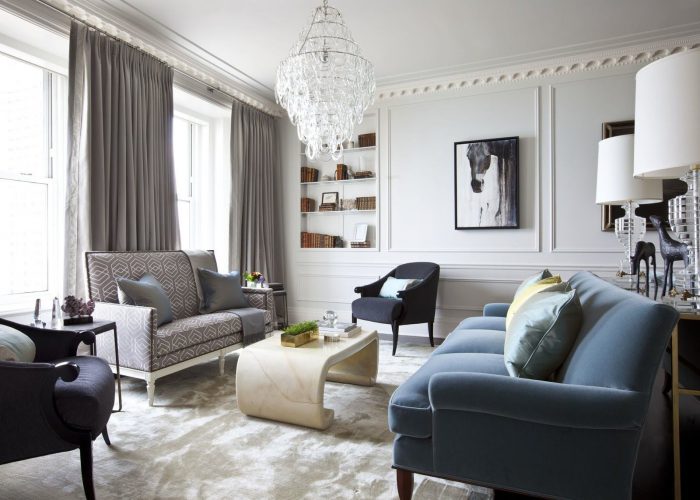
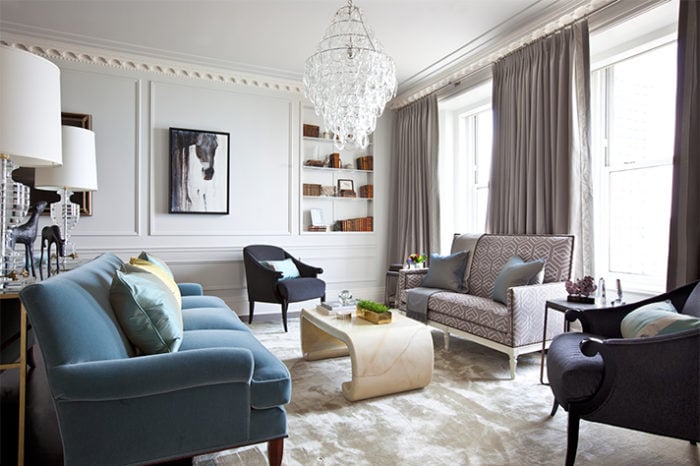
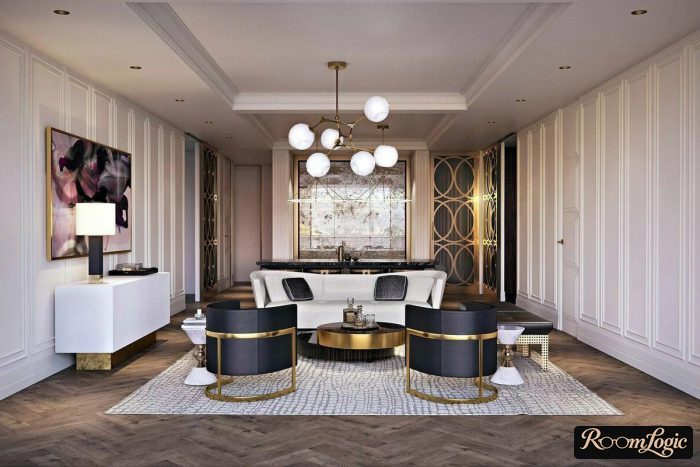
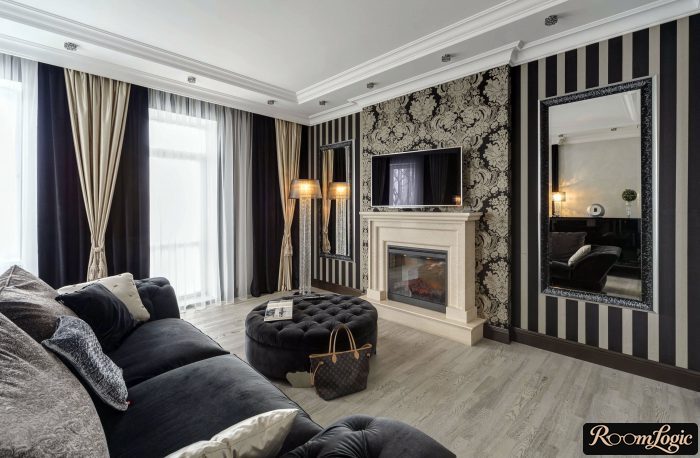
If you are not ready, look at neoclassical design – an example is in the photo below. Maybe that is what you actually need:
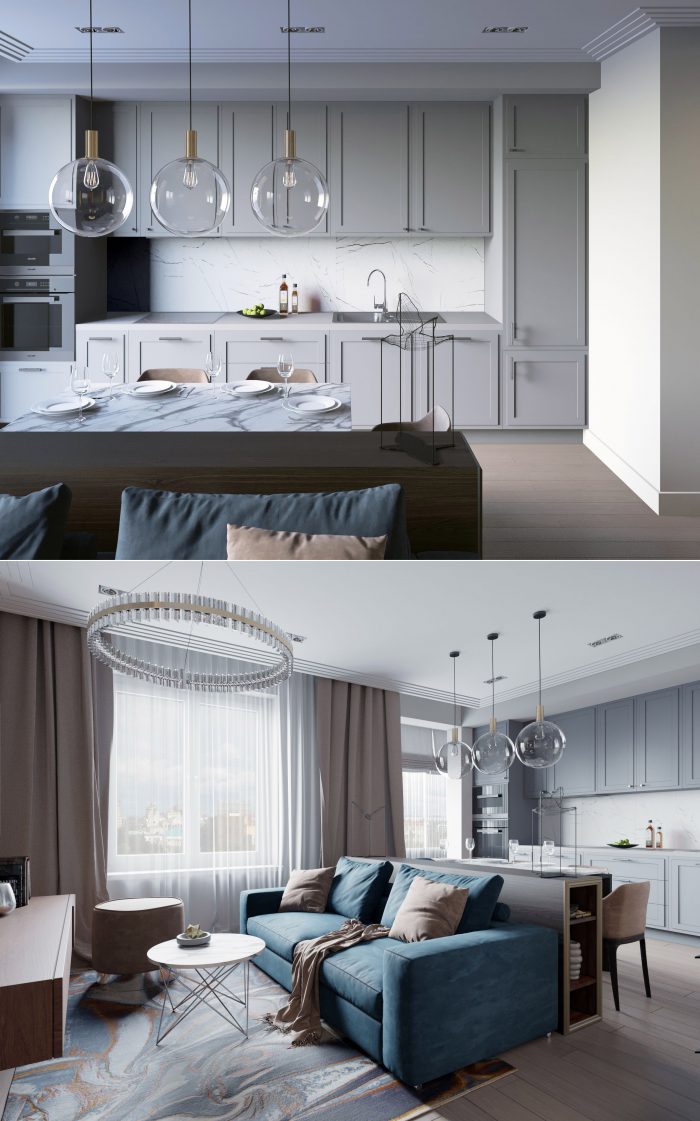
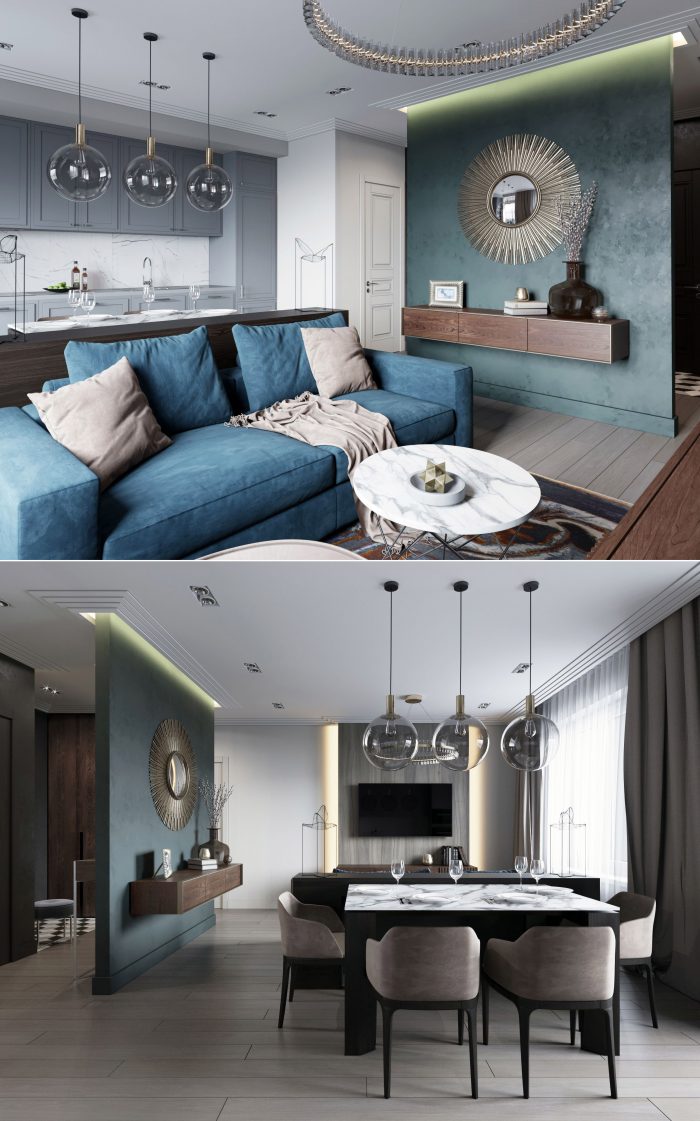
Art Deco is an eclectic style, meaning it consists of a mixture of other design directions. The elements chosen are not close in spirit but, on the contrary, contradictory. The style is high-status and striking, even aggressive. It is distinguished by luxury and expense; expensive finishing materials, exclusive designer furniture, and many accessories are used to create it. The style has taken root in the interiors of public figures: actors, singers, and politicians.
Distinctive Features of Art Deco
Art Deco absorbed elements from many other directions: Art Nouveau, Empire, pop art, and kitsch. It appeared in modern times at the boundary of the transition from classic styles to what was then considered contemporary. Even now, it cannot be assigned completely to either contemporary or classic styles.
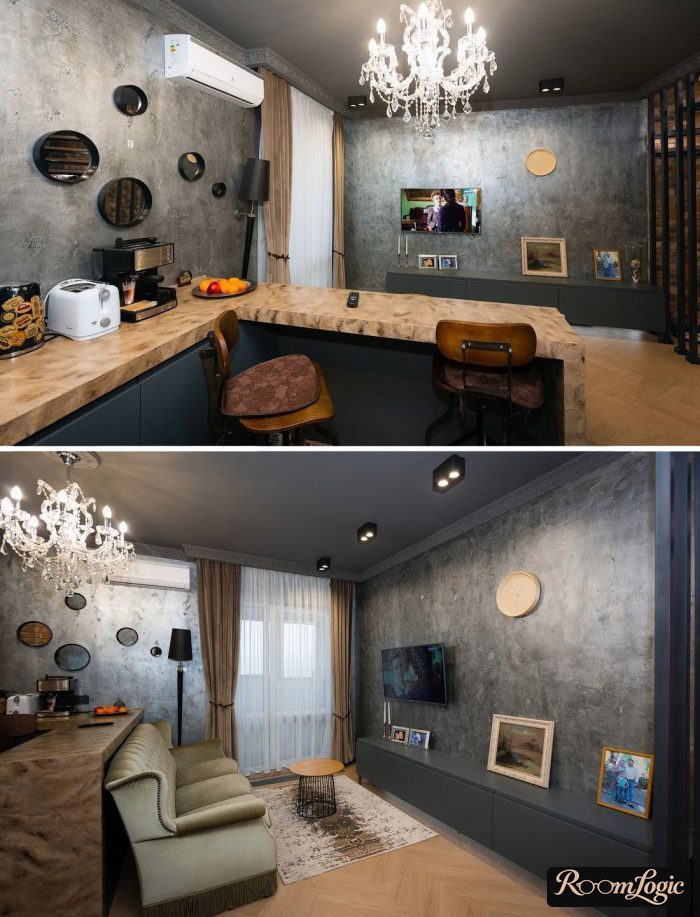
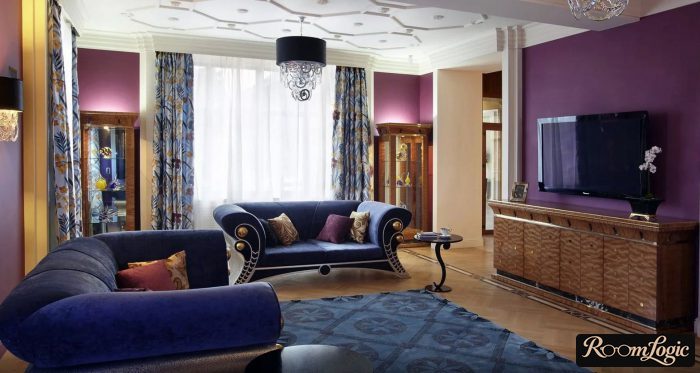
The combination and degree of saturation with these elements are exactly what make it unique. If we usually say the simpler the better, in Art Deco everything is the opposite. Complexity and deliberate luxury are everything. But it is not achieved through colors; their selection is actually limited.
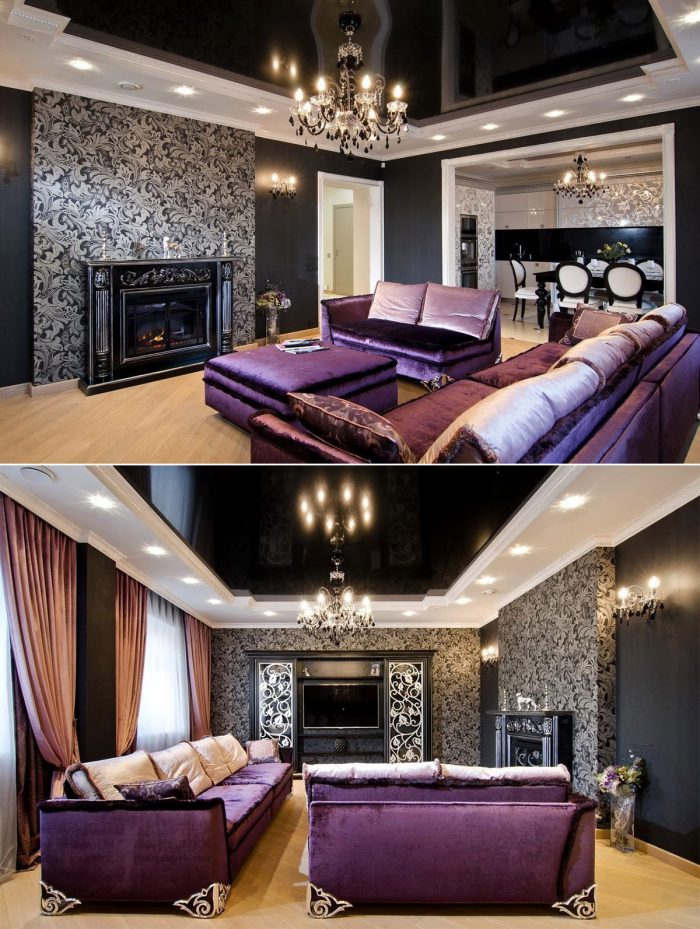
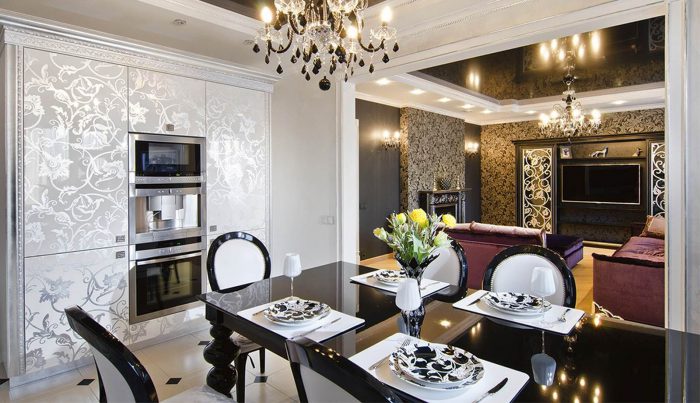
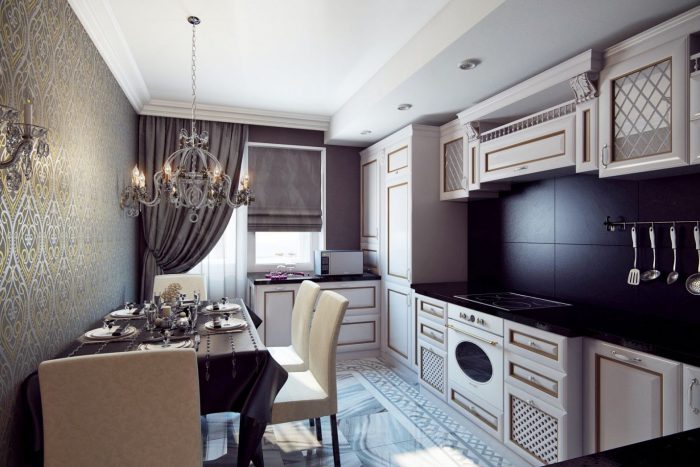
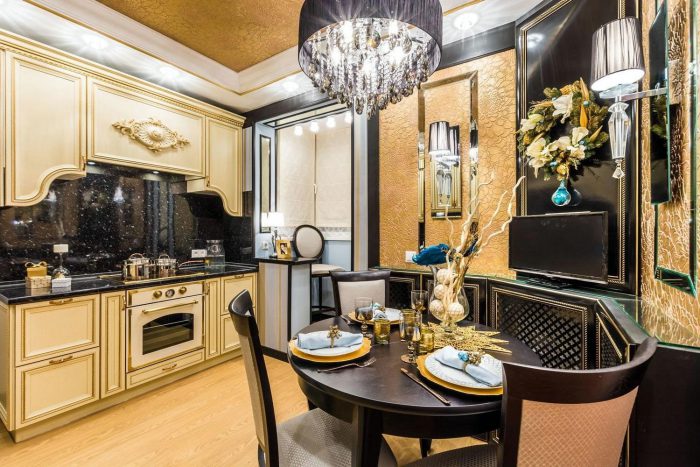
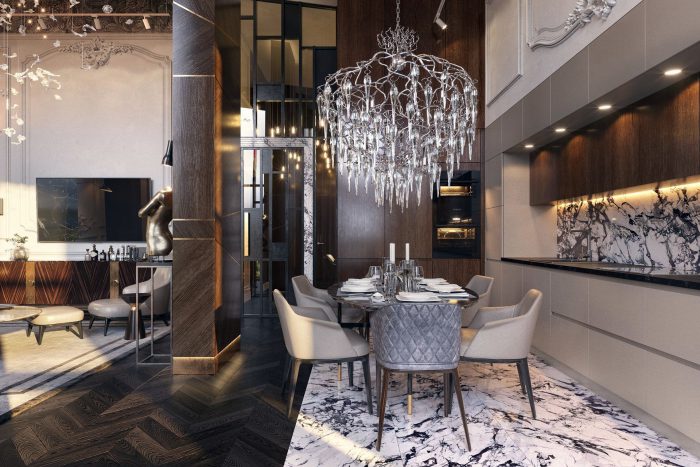
Remember the main thing: Art Deco is chosen to impress others – to create a wow effect – but it is not the most practical design style for living.
The strongest difference between Art Deco and other styles is mixed geometry. Contemporary styles use regular geometry with straight lines and angles, while any curved lines in the finishes are strictly forbidden – this is compensated for by flowing lines in upholstered furniture. In classic styles, on the contrary, the finishes have a bunch of flowing shapes: rounded baseboards and molding, carved furniture, and scrolling patterns on the wallpaper.
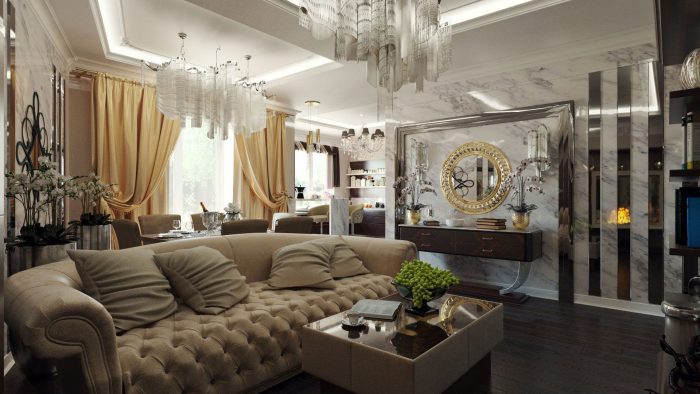
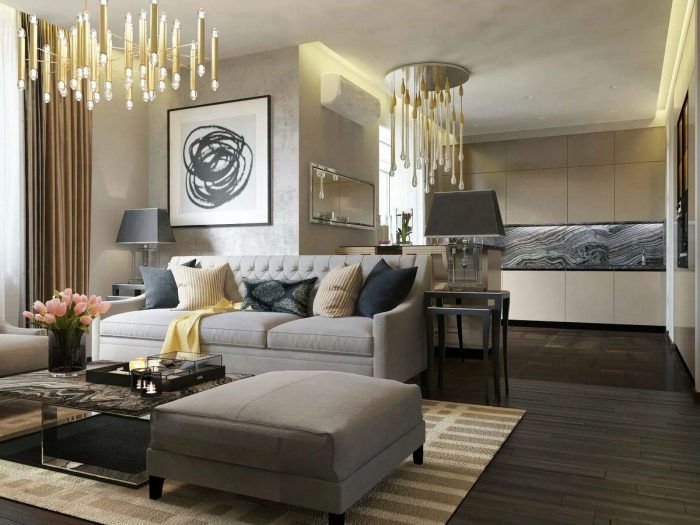
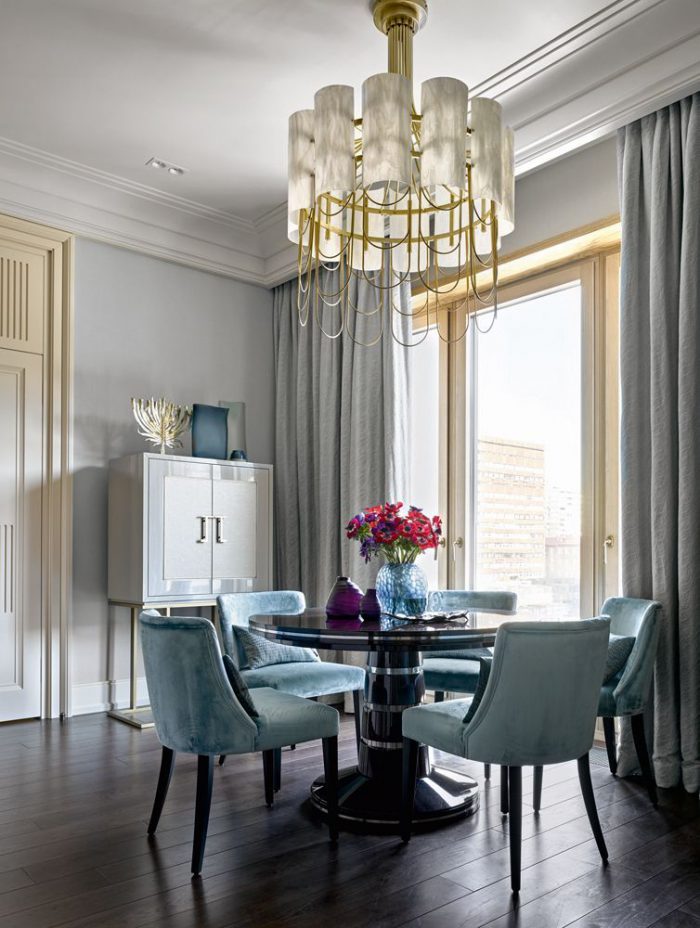
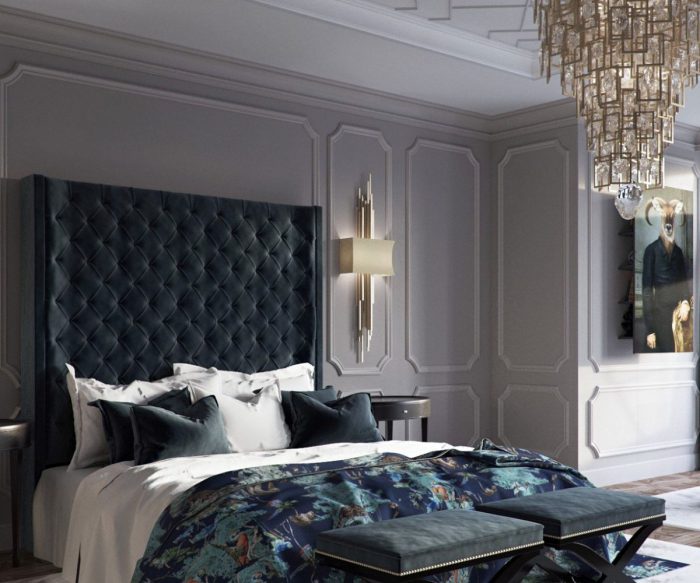
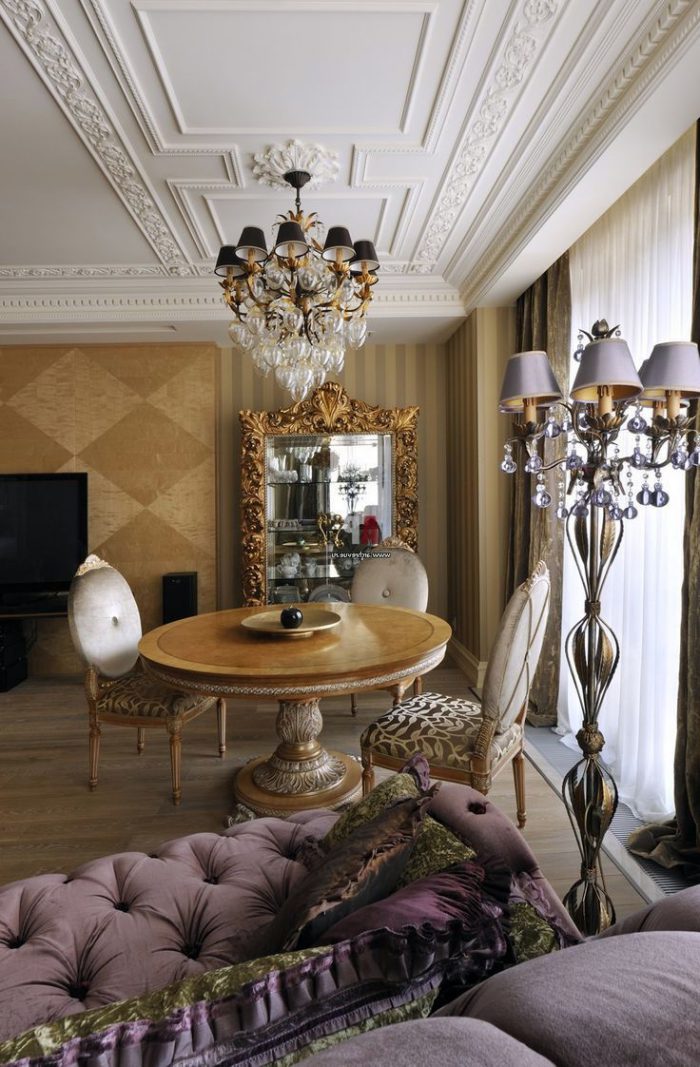
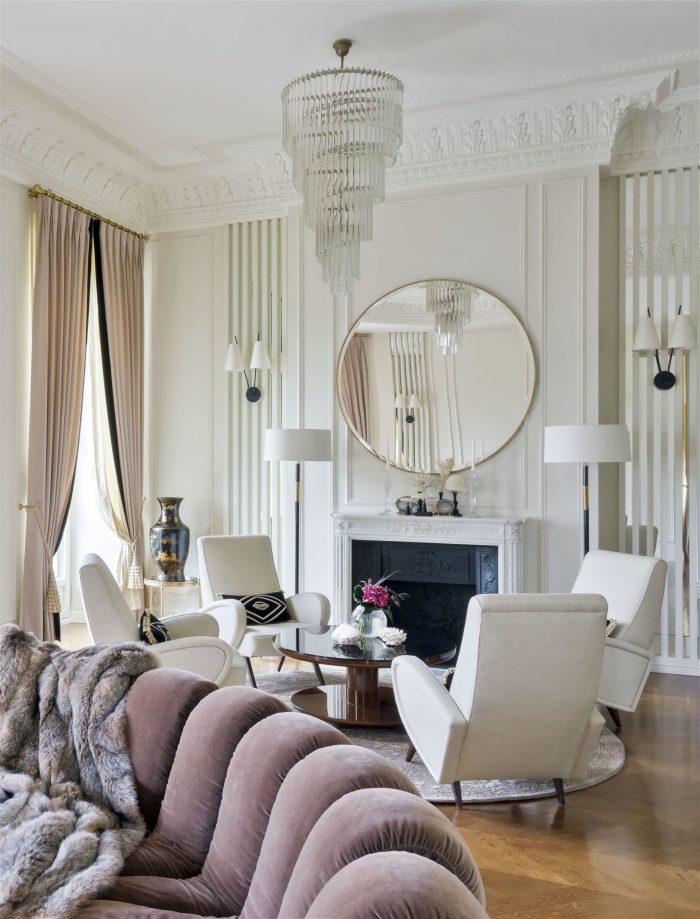
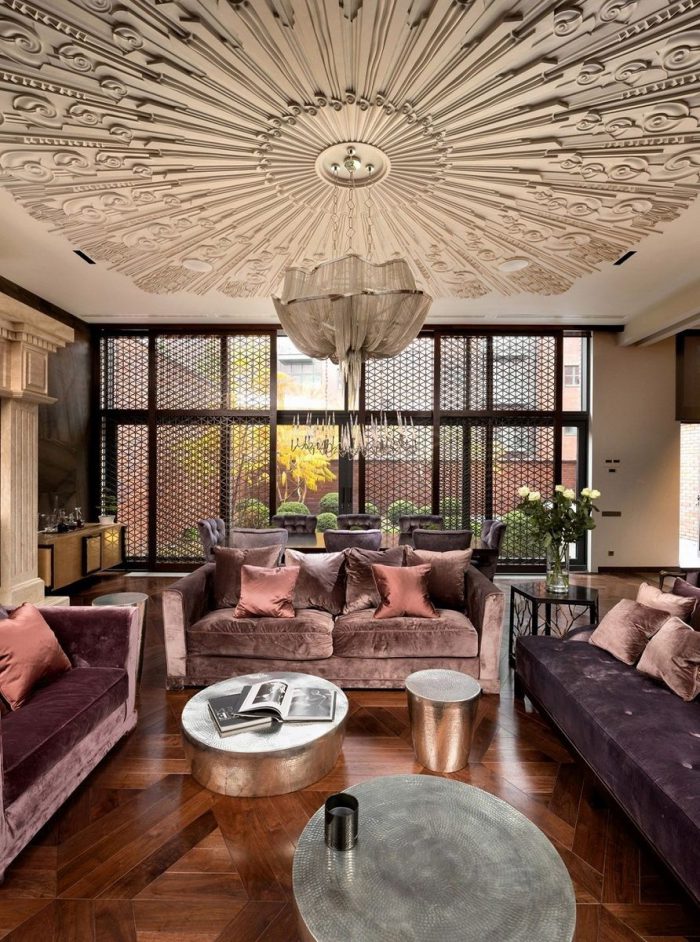
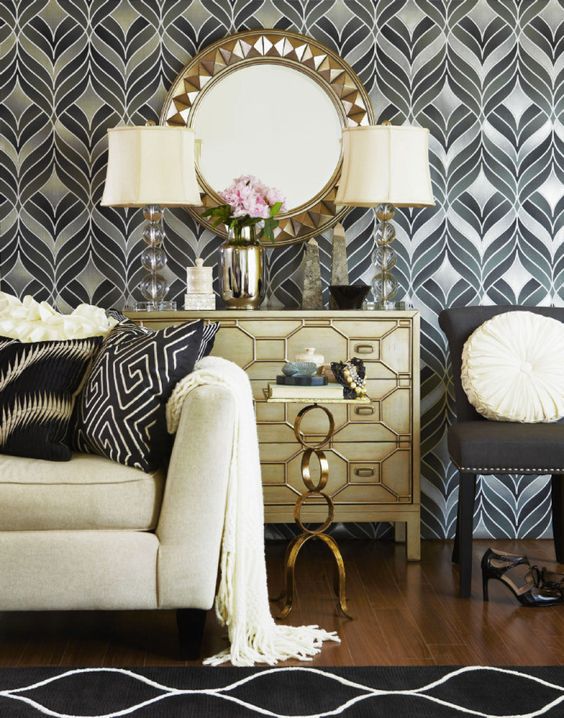
Art Deco in an interior combines both the straight lines of contemporary styles and the curved patterns of classic styles. Together with the large number of objects, all the lines mix like a painting. The eye does not stop on any one thing but sees the entire picture as a whole.
Art Deco has no main accents; the interior is perceived as a complete painting.
Colors and Materials for Art Deco
Colors in Art Deco
Because of the overall complexity of the style, the large number of geometric accents drawing attention to themselves, textiles with different textures, and so on, overly bright, saturated colors cannot be used in Art Deco. The color foundation of Art Deco consists of calm pastel colors, up to 80% of the overall palette. Accents are added from unsaturated, muted shades. Most often:
- Purple
- Burgundy
- Dark yellow
- Dark blue
- Black
Black is singled out as an accent because it usually has a striking velvet texture when we are talking about furniture, or contrasting patterns on wallpaper when black is used on the walls.
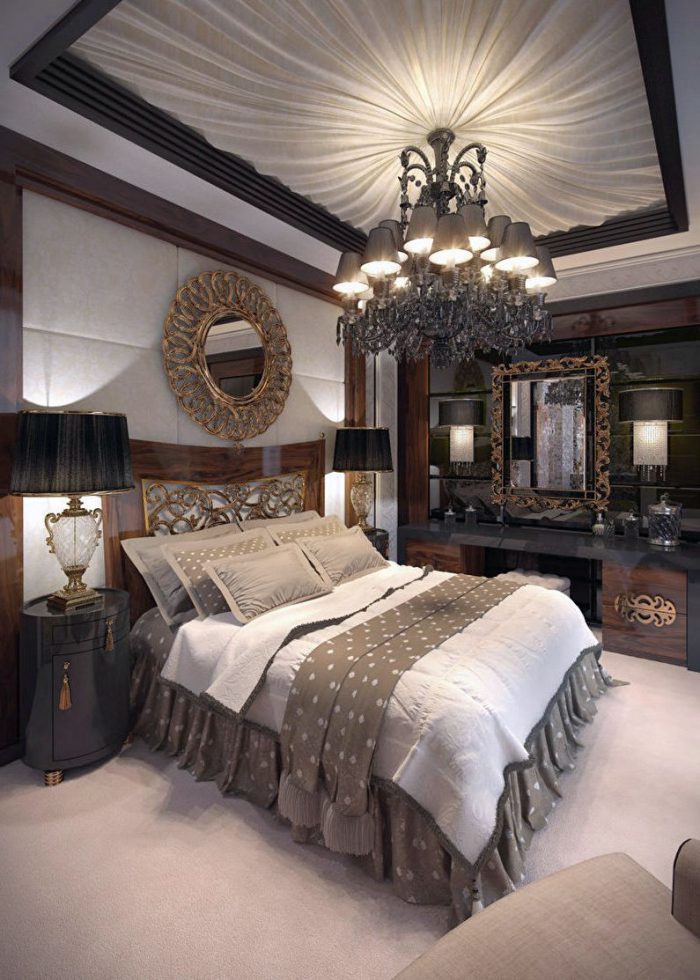
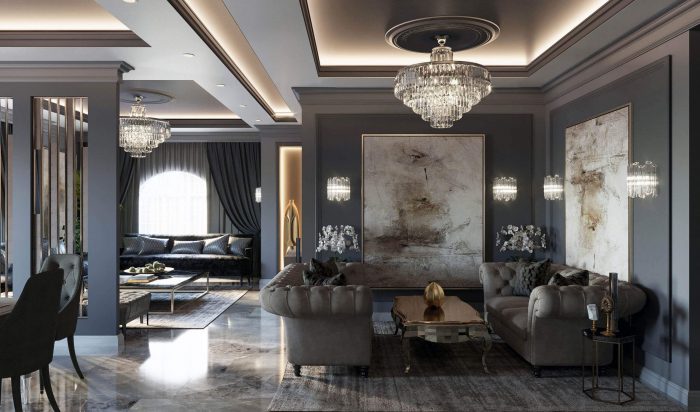
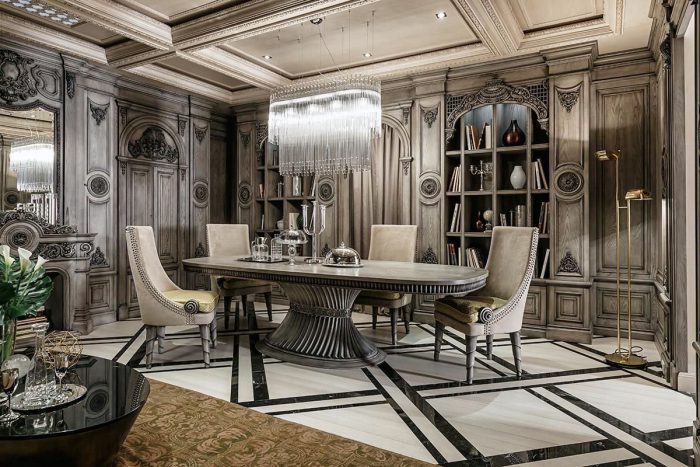
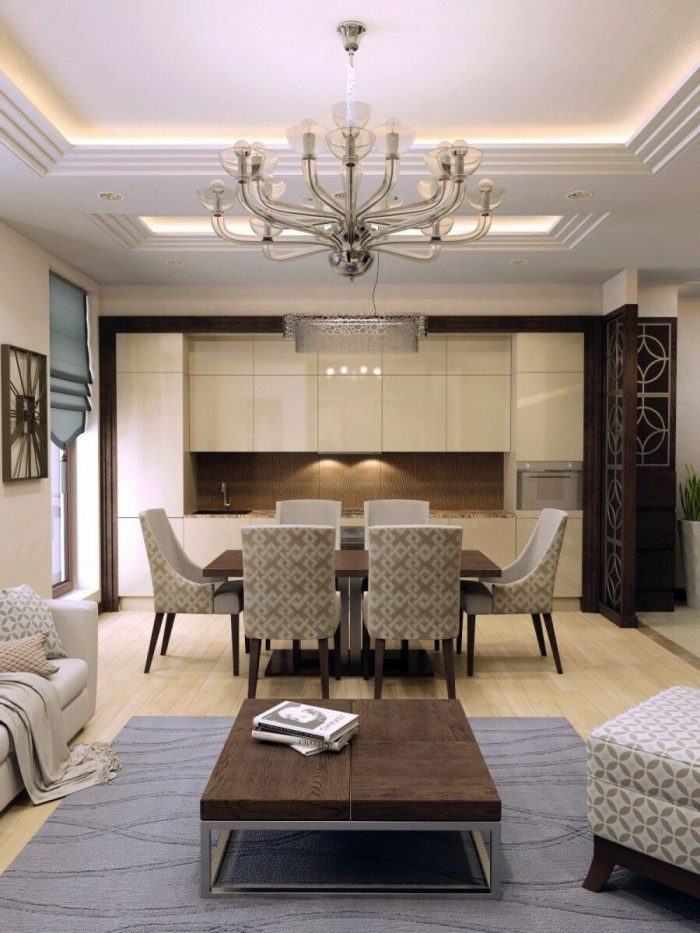
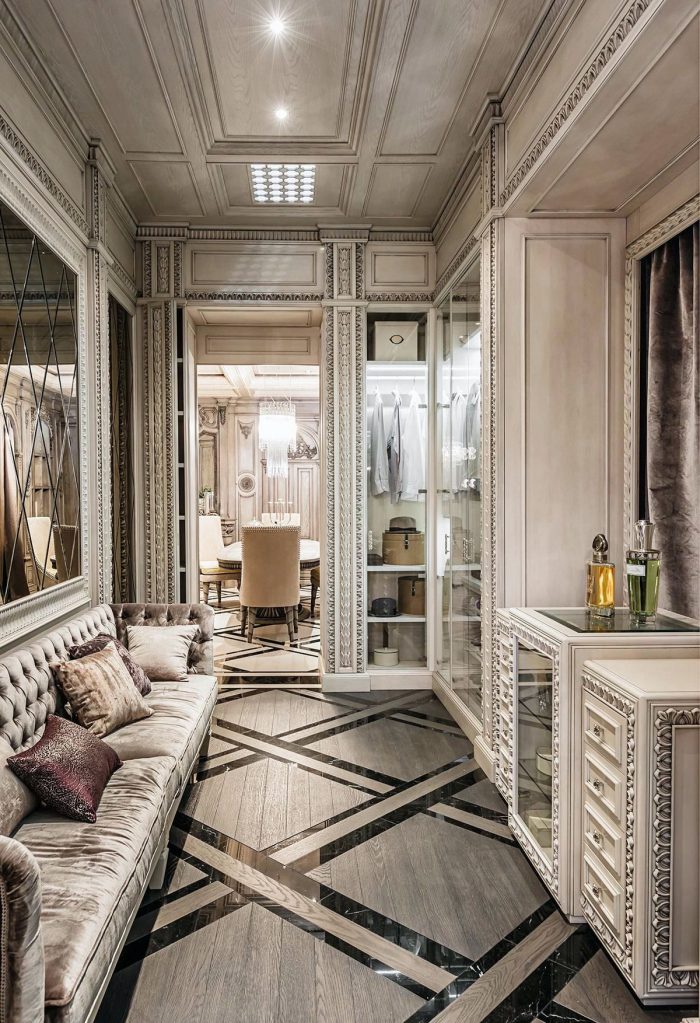
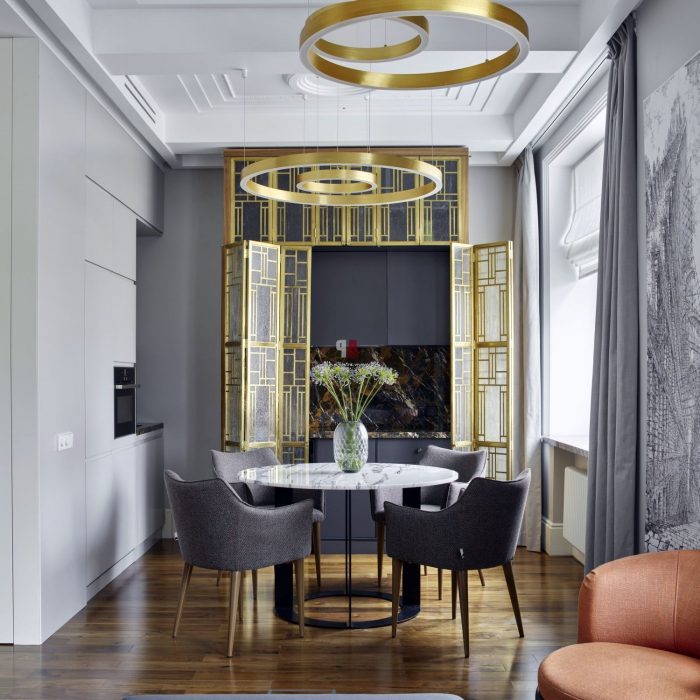
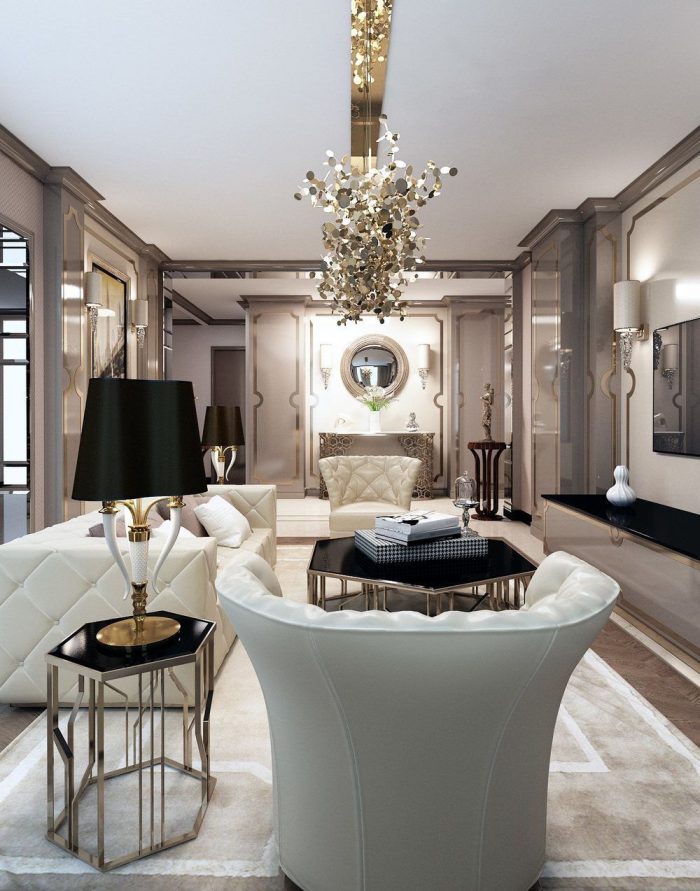
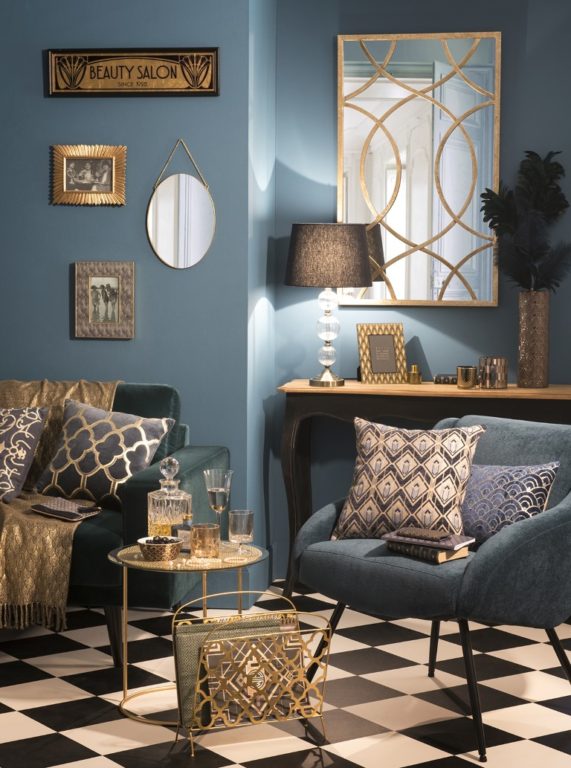
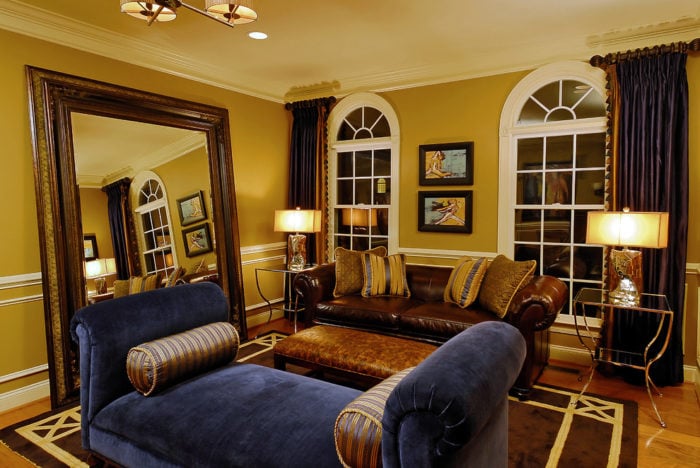
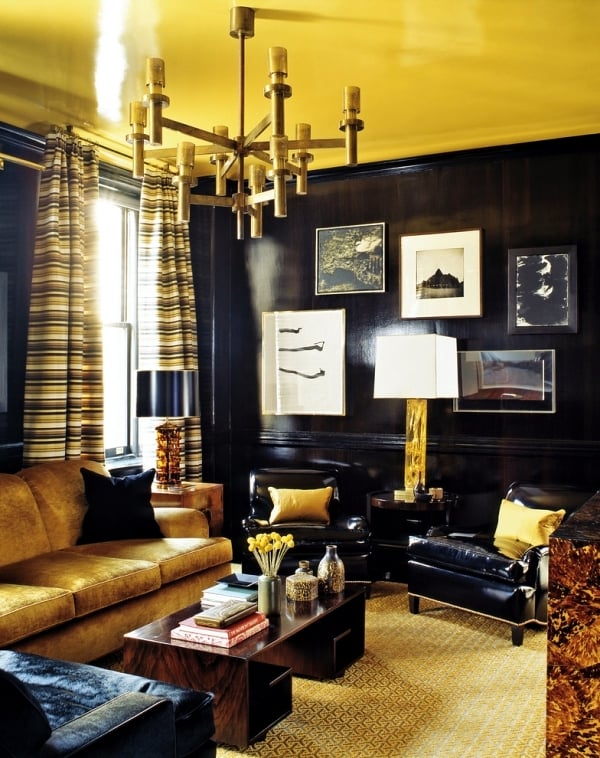
Some of the colors are used in gloss, although gloss is not central to Art Deco. Against the overall background balancing between contemporary and classic styles, black glossy surfaces stand out strongly. The reason is the complete absence of black gloss in classic styles. That is why it introduces exactly the kind of dissonance Art Deco needs as an eclectic style.
Dark glossy surfaces are terribly impractical – they will never be perfectly clean.
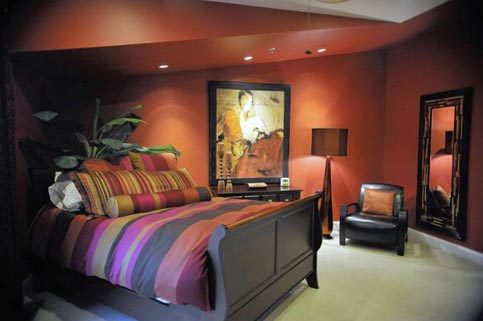
Saturated brown is often used, which fundamentally distinguishes Art Deco from classic styles, where dark brown is used very little, and from contemporary styles, where brown most often appears in wood texture – while in Art Deco it is solid-colored.
Finishing Materials
The foundation of the finishing materials is the same as in classic styles.
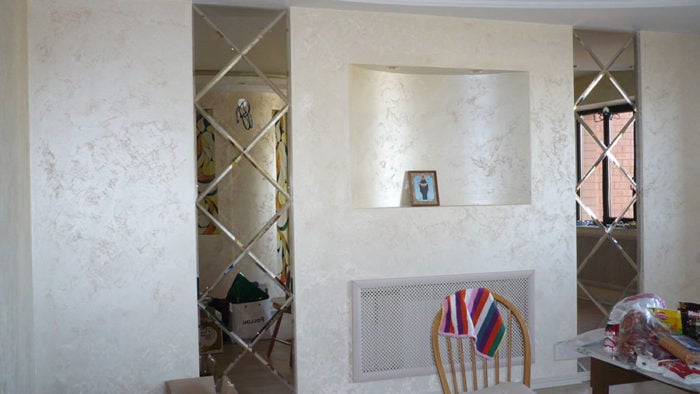
Art Deco walls are either painted in pastel colors, covered with decorative plaster, or hung with dark wallpaper from classic styles. The most contemporary and ideologically correct option is decorative plaster. In concept, it resembles frescoes from older finishes.
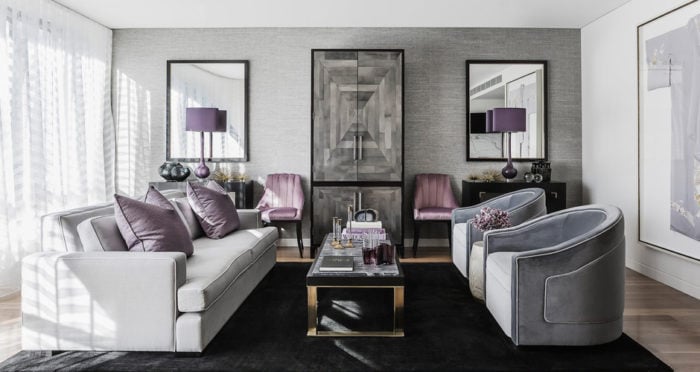
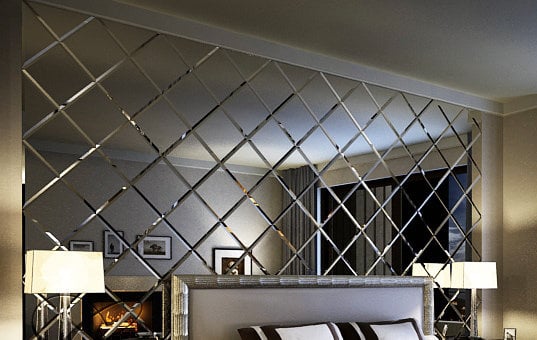
It would be good to cover one wall with a large beveled mirror. These mirrors look luxurious and expensive, which is why they are so loved in expensive restaurants and clubs – they justify the prices.
We also borrow the Art Deco ceiling from classic styles. Several levels, flowing lines, molding, and classic borders around the perimeter. Hidden lighting is possible but not required.
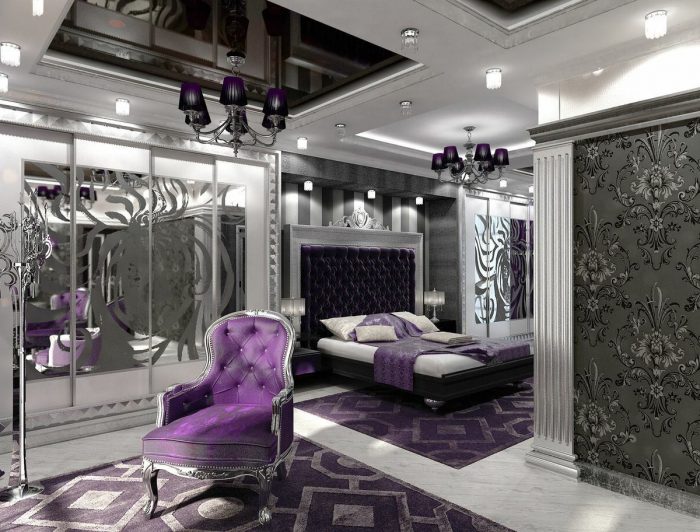
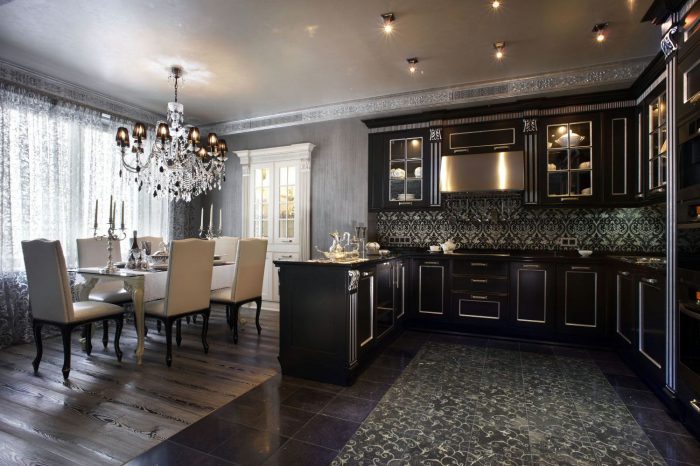
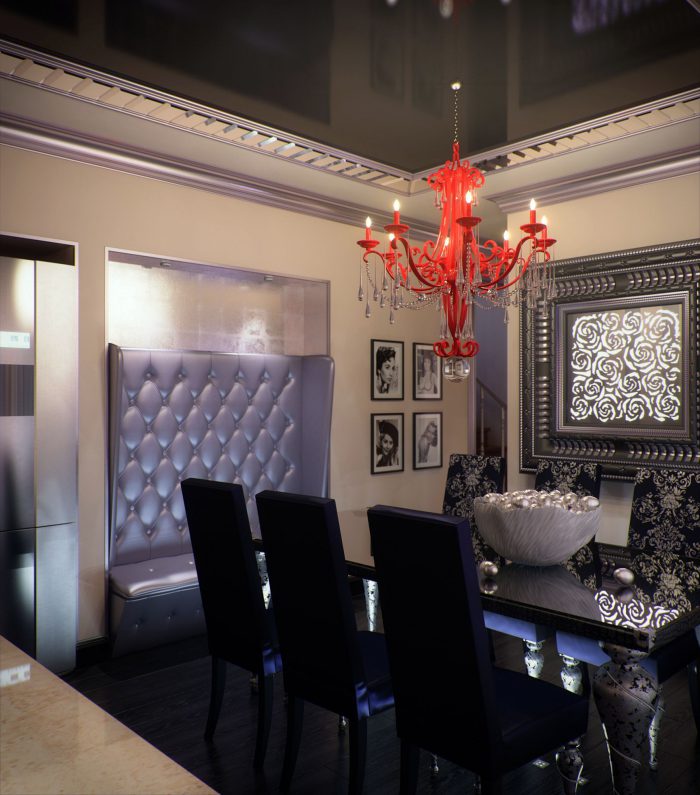
Stretch ceilings do not suit Art Deco ideologically – they are a budget option, and there is no point beginning a remodel in a very expensive style only to save on the ceilings later. Glossy stretch ceilings can almost never be used in Art Deco. The style is already heavily loaded without them, and doubling everything with the ceiling reflection can ruin it all.
The floor standard is old-style parquet, meaning small boards arranged in a pattern – herringbone or squares, for example – rather than simply straight. Patterned rugs are often used, so the floor may not be very visible. To save money, multistrip laminate can be used too, but if you are thinking about saving money, it is better to give up Art Deco. A seamless poured floor is another Art Deco flooring option. The number of variations with poured floors is simply enormous; choose according to your taste.
Art Deco Furniture
Furniture is the foundation of an Art Deco interior. It is expensive, complicated, and striking – in a word, luxurious. It is made in a classic style with tufting, velvet, and carved patterns, but with a deliberately contemporary motif. It does not try to mimic classic furniture. On the contrary, it emphasizes modern manufacturing technologies that simply could not have existed in the era when similar furniture was current.
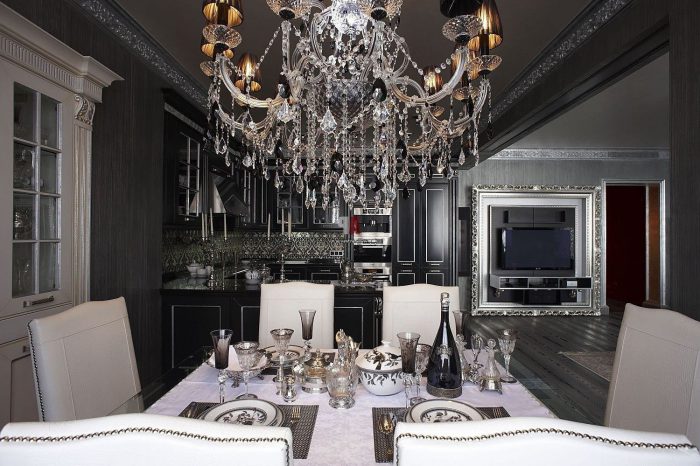
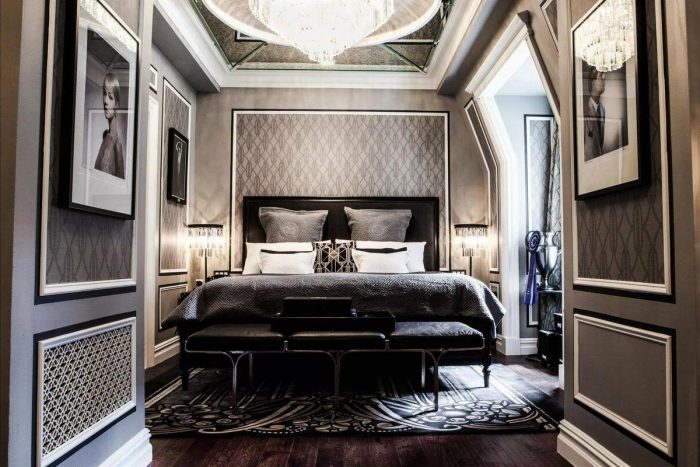
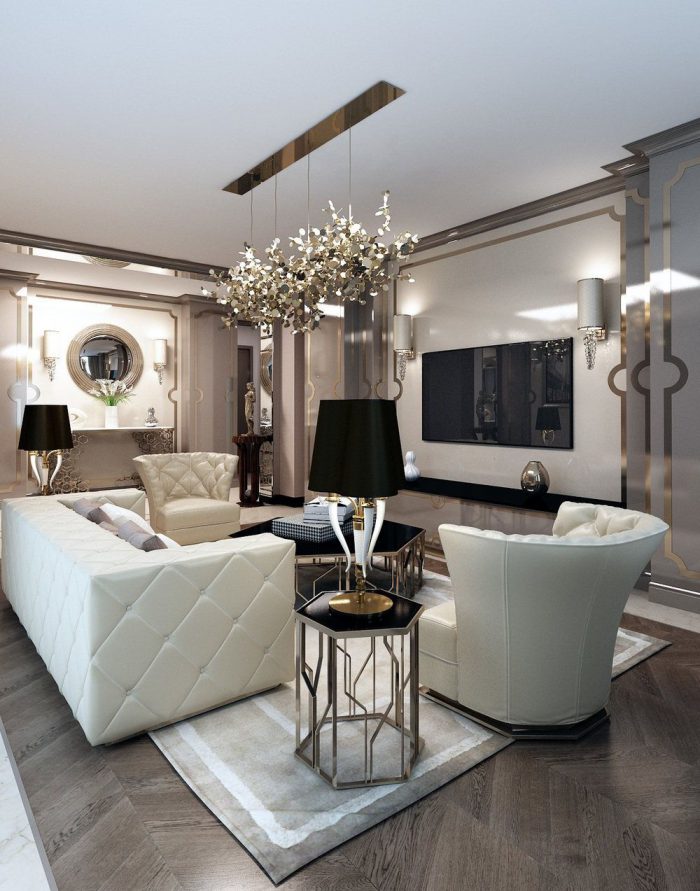
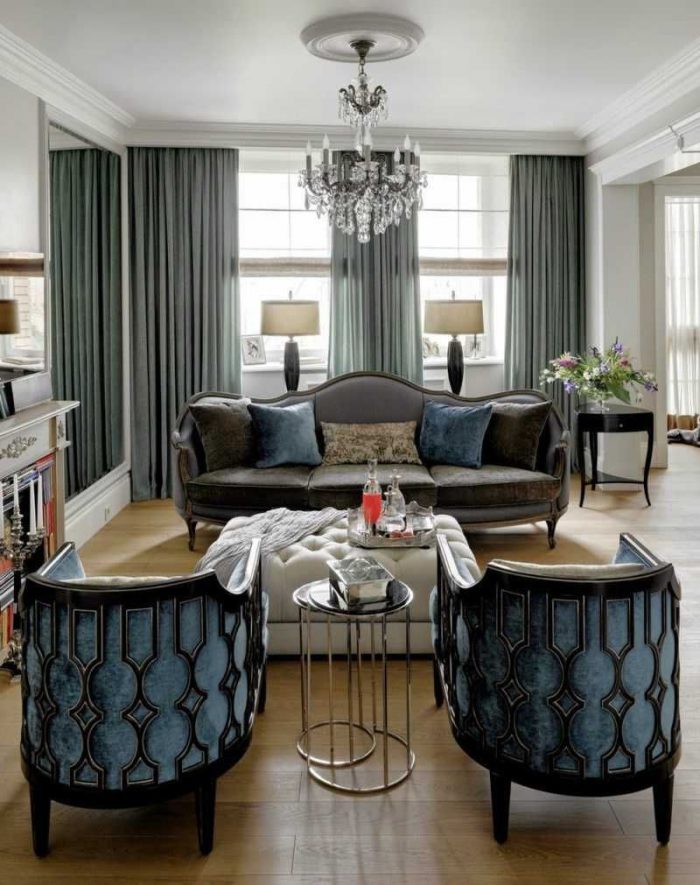
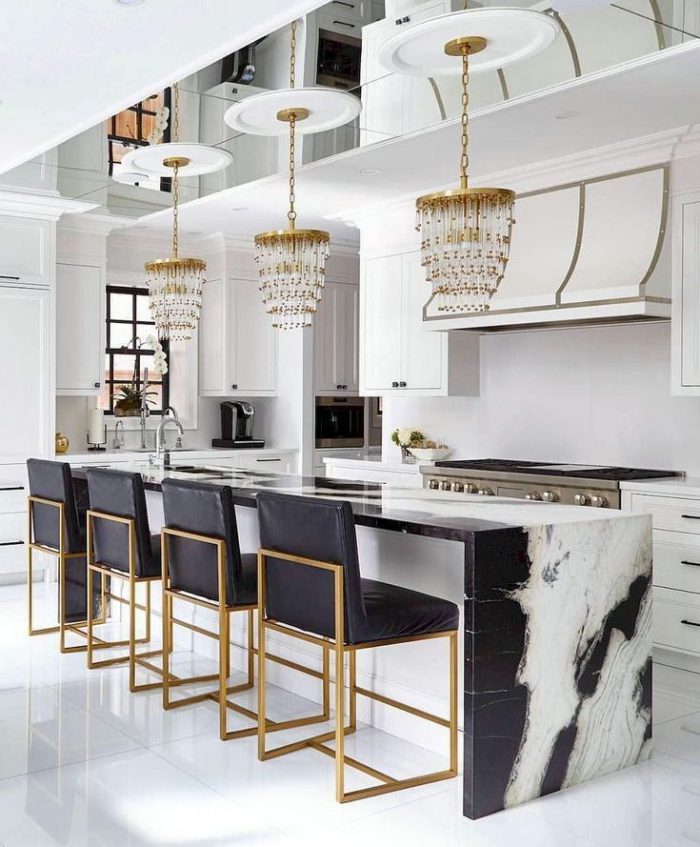
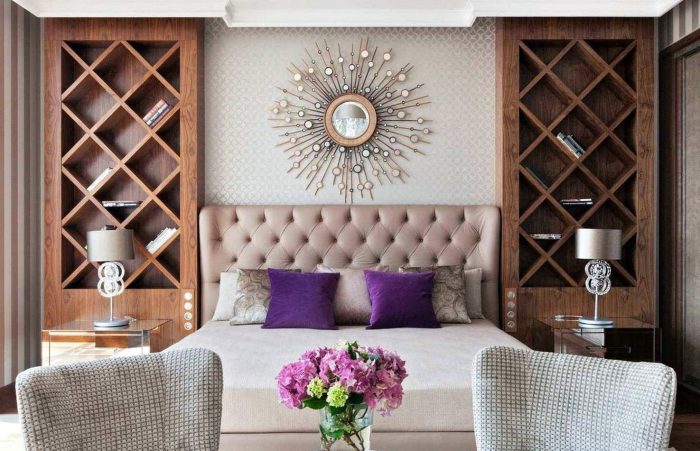
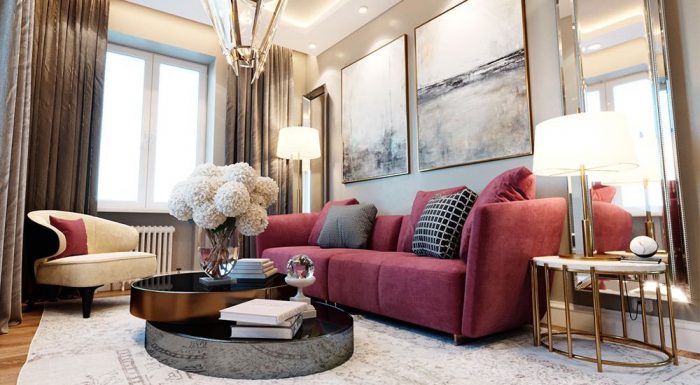
Instead of fabrics, inserts may use reptile leather or animal hides, or their imitations. This is acceptable not to make it cheaper but as a matter of principle – protecting animals is fashionable, and that is wonderful.
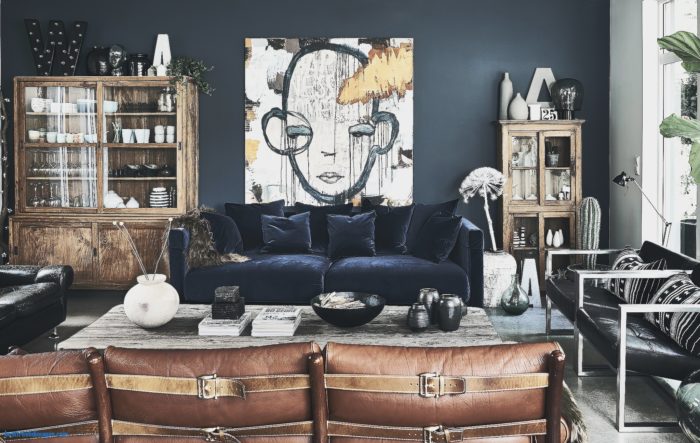
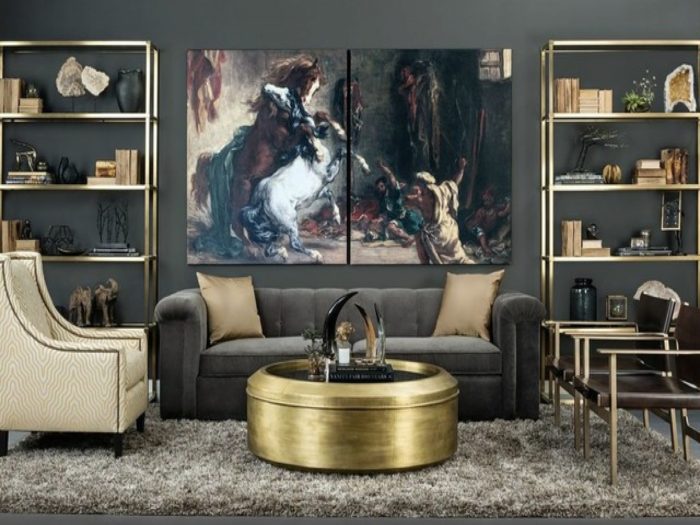
Unlike in classic styles, Art Deco furniture is usually dark. The same colors are used as in the finishes: black, dark blue, dark purple, dark brown, and dark gray.
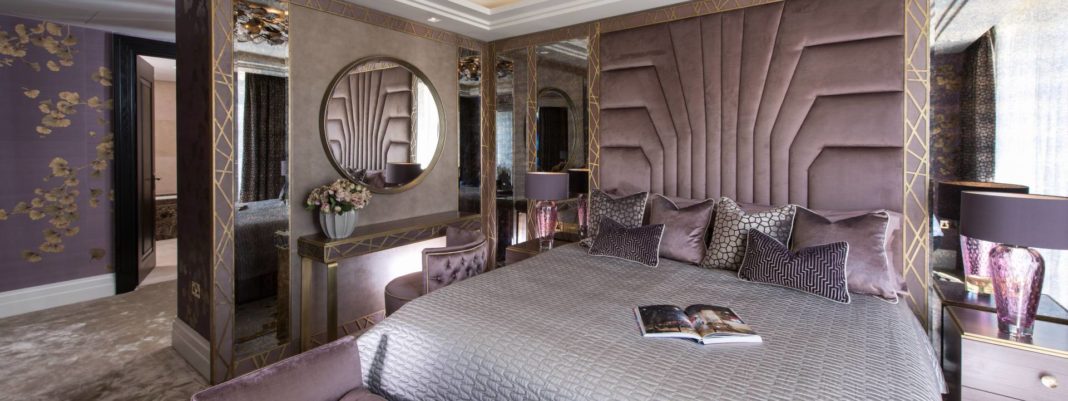
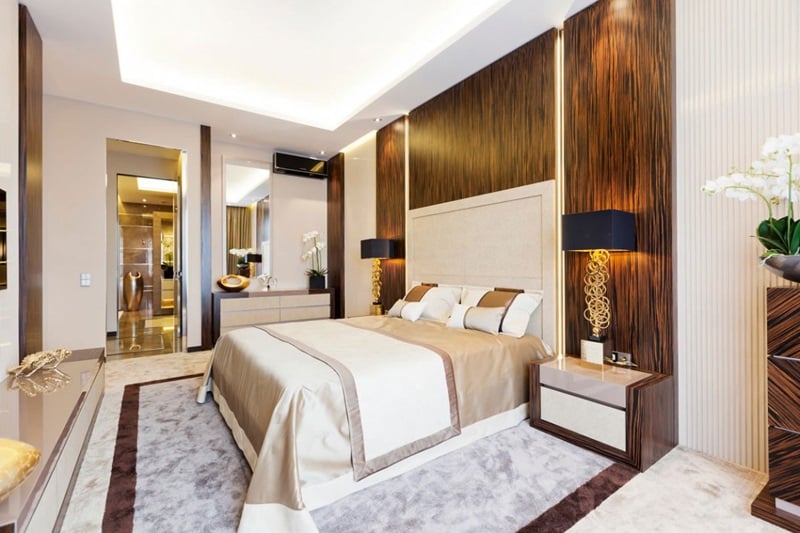
In a bedroom, the bed is made from valuable wood species and complemented with a tall, elaborate headboard. Inlays with precious metals and rhinestones are used. A vanity with an ottoman or chair is considered an essential part of an Art Deco bedroom interior. Furniture with unusual shapes is welcome.
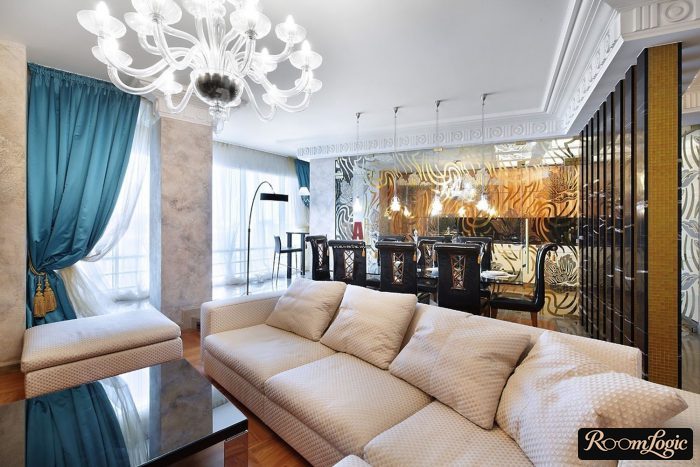
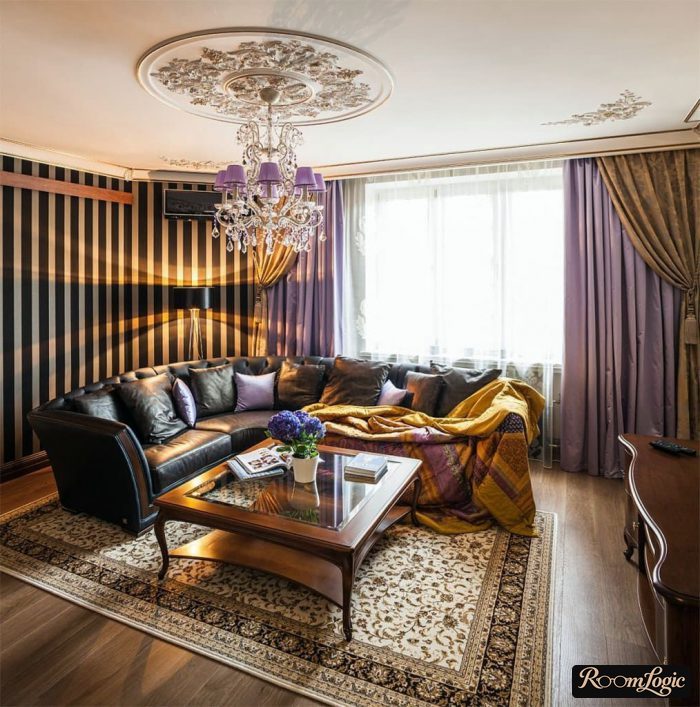
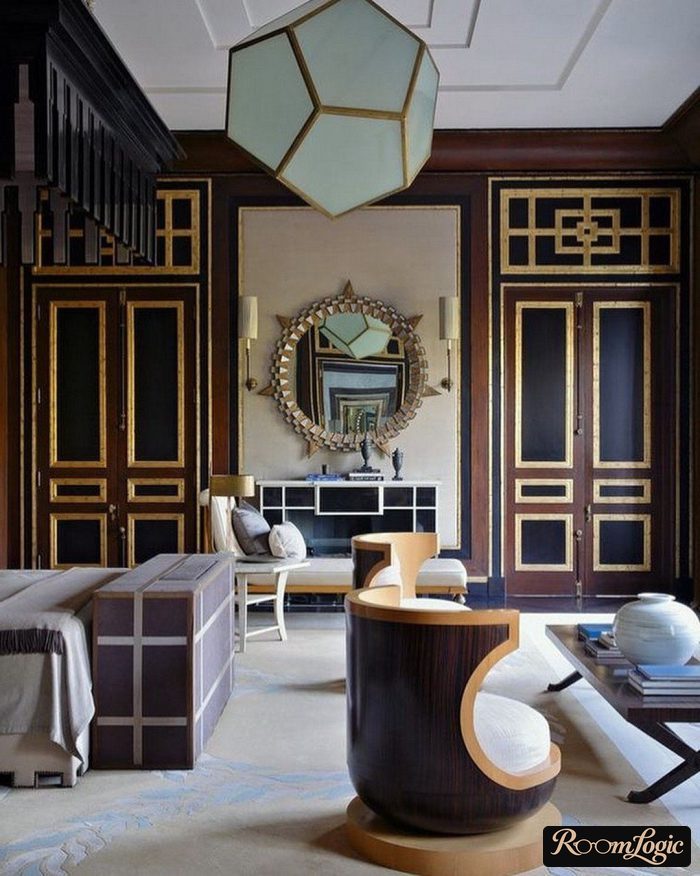
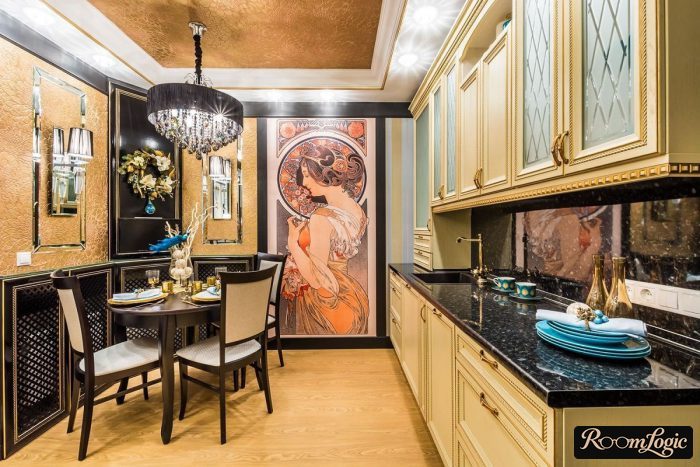
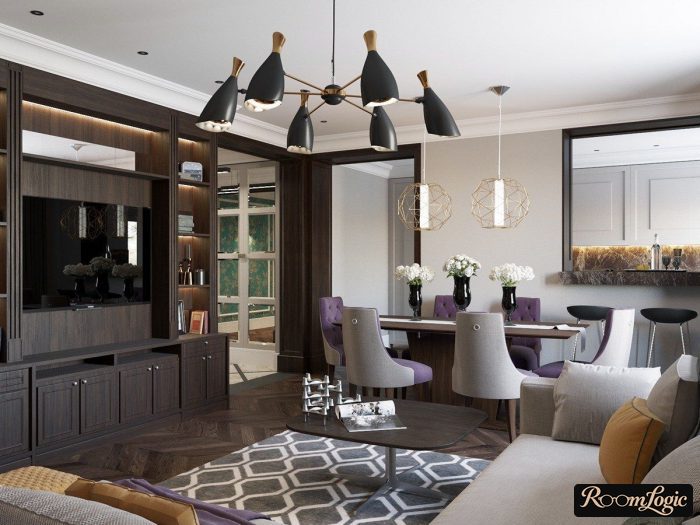
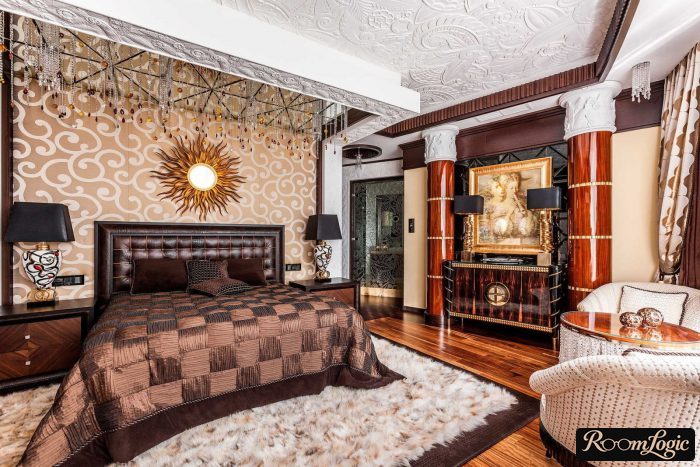
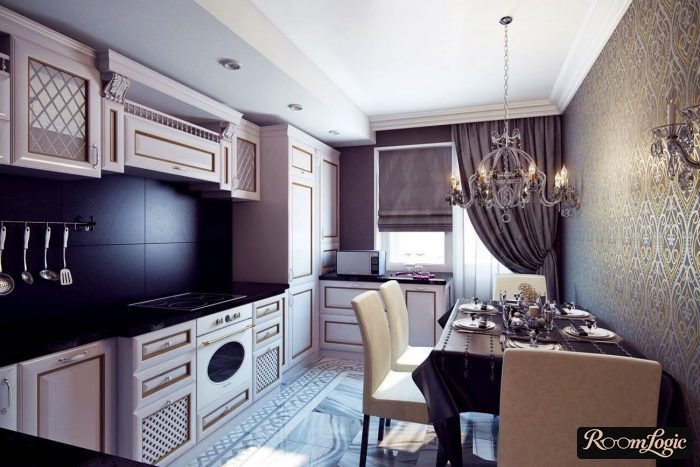
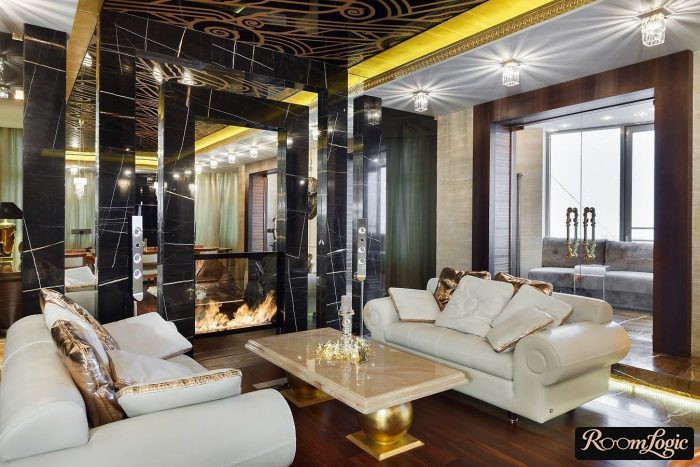
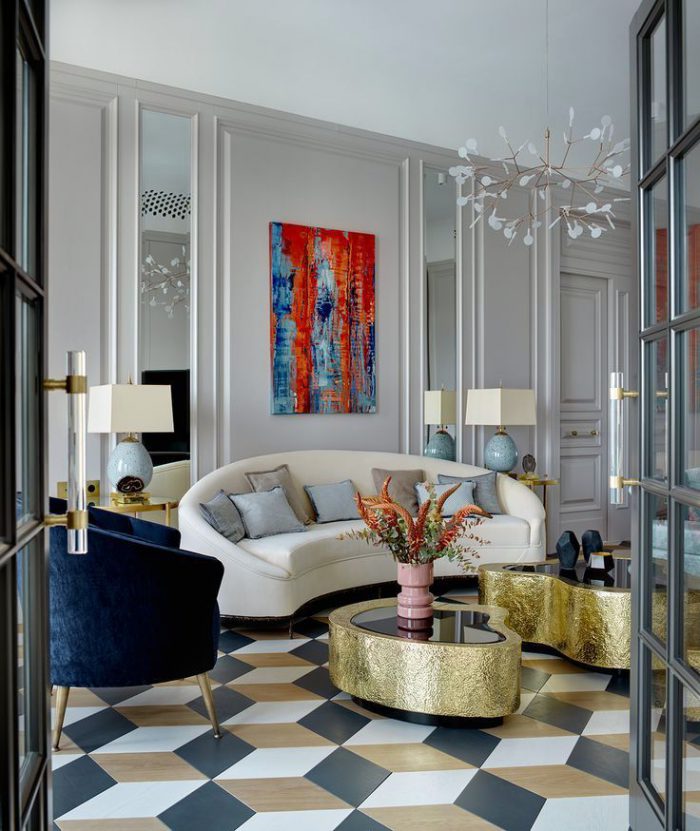
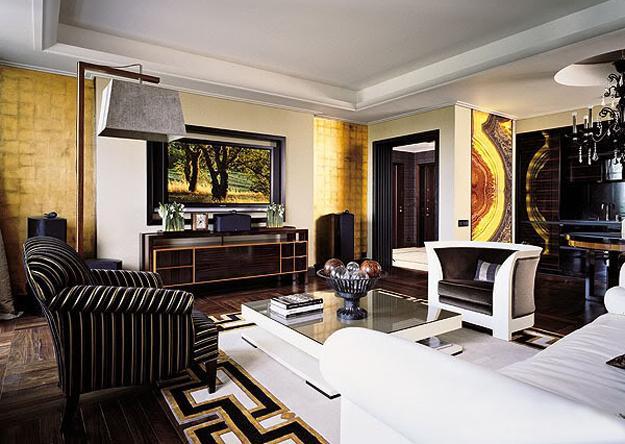
An Art Deco living room interior is built around the sofa. Instead of a sectional, a straight tufted sofa and several chairs are used. The coffee table is usually borrowed from contemporary styles and is often glossy. The gloss comes from lacquered wood and dark mirrored glass.
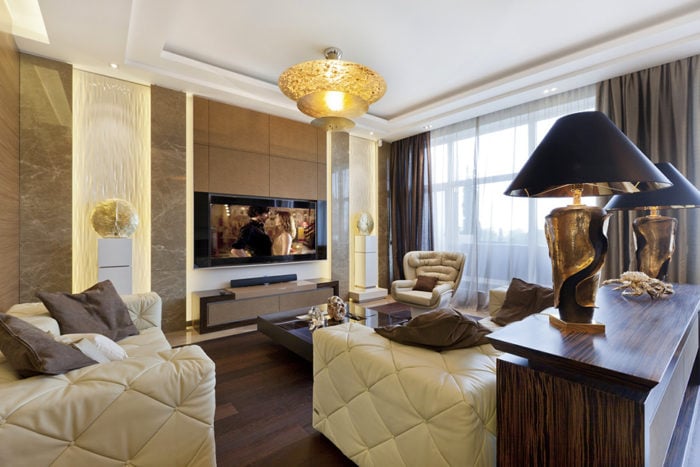
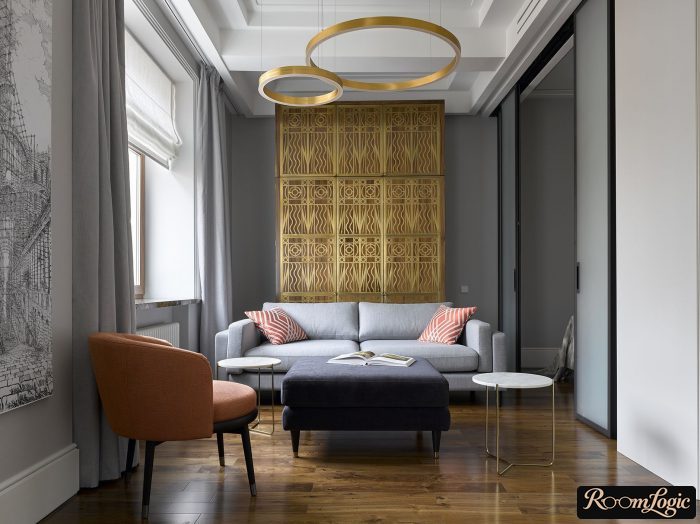
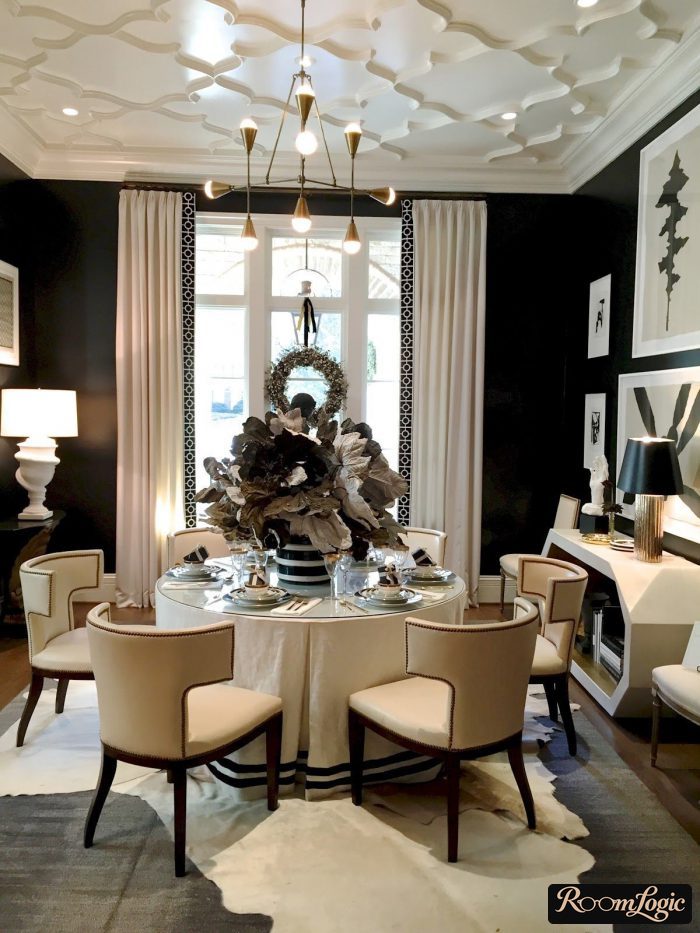
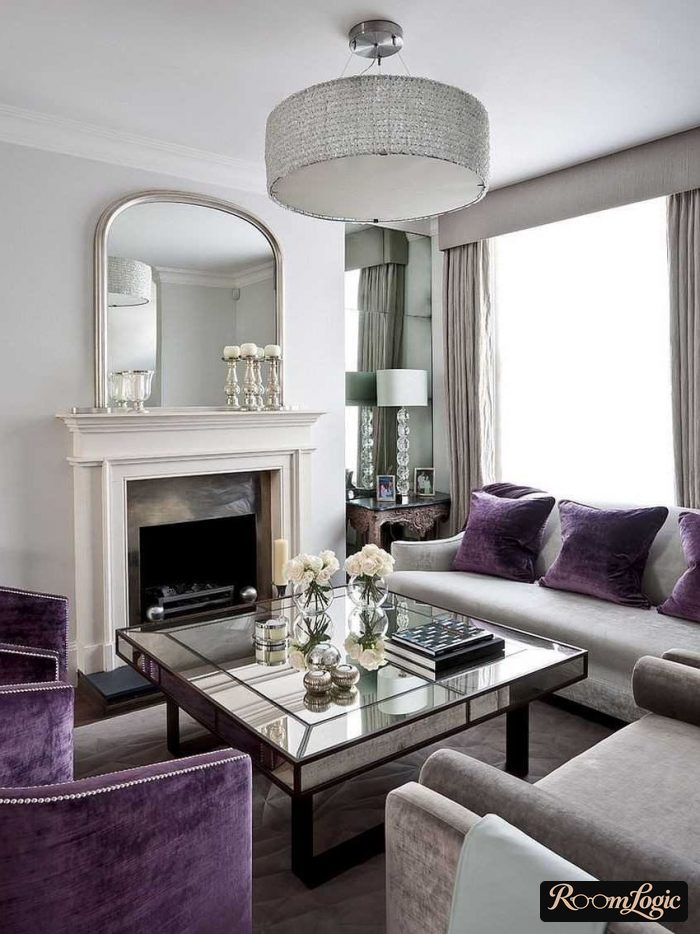
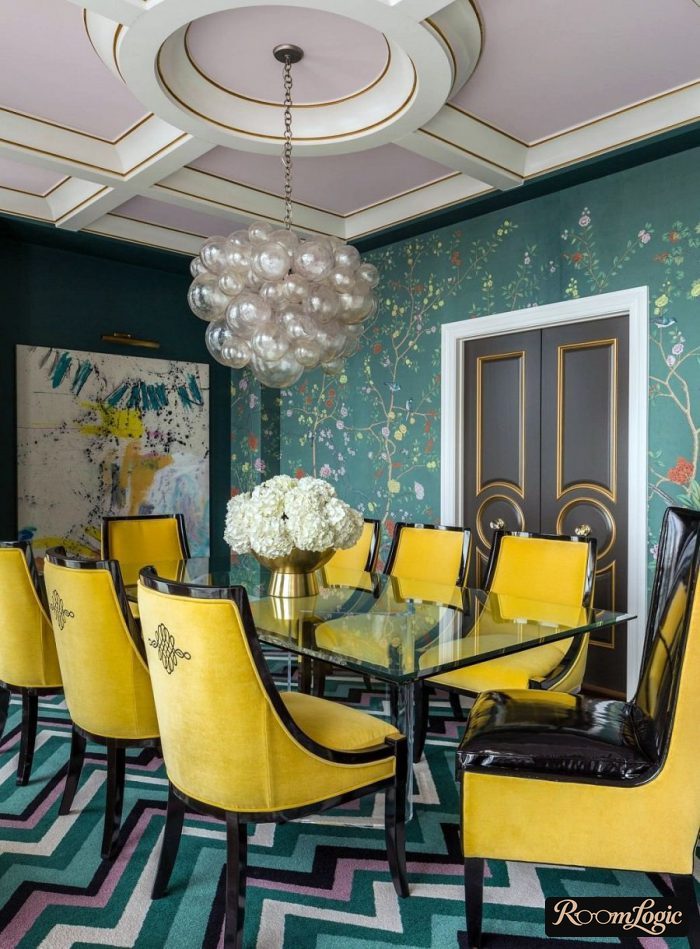
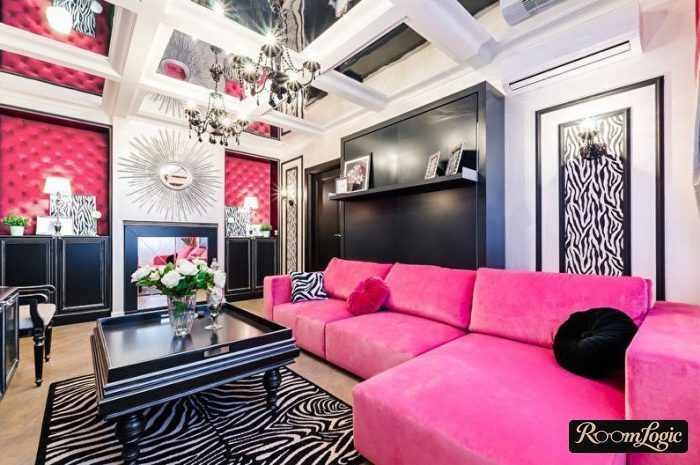
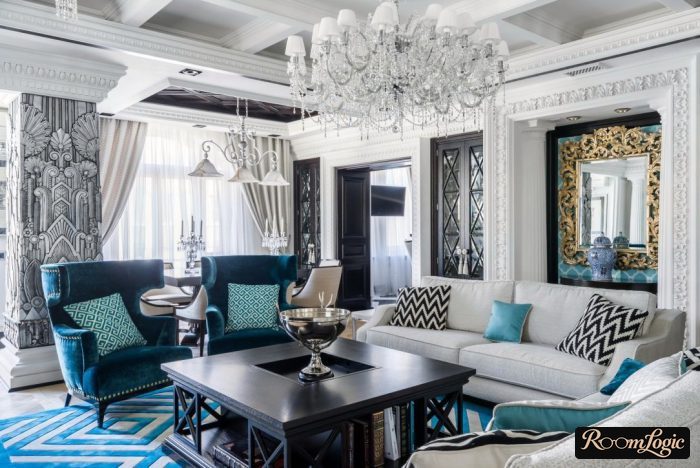
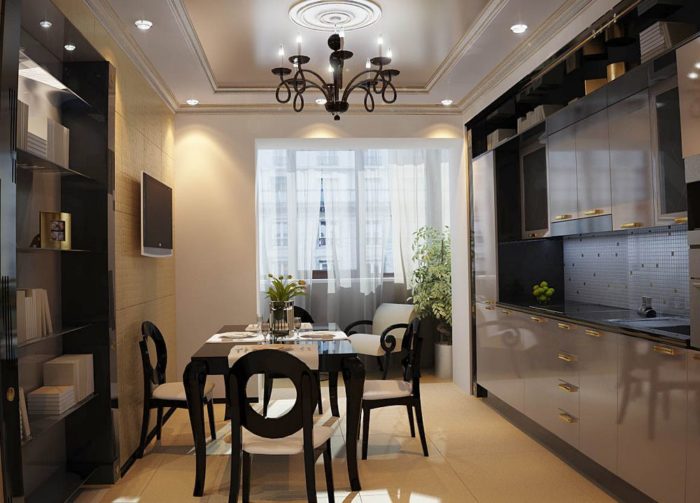
Kitchens resemble classic ones, but in Art Deco colors and with contemporary appliances. In this respect, it is even easier than classic styles, where choosing appliances is much harder. Remember that if you often cook yourself, the kitchen should be practical first: Choosing Kitchen Cabinets Properly.
Textiles and Accessories
Art Deco interiors are very “soft” – a bunch of textiles are used: upholstered furniture, pillows, curtains, rugs, large upholstered headboards, canopies, and so on. All of this exists in other design styles too, but the density is much higher in Art Deco.
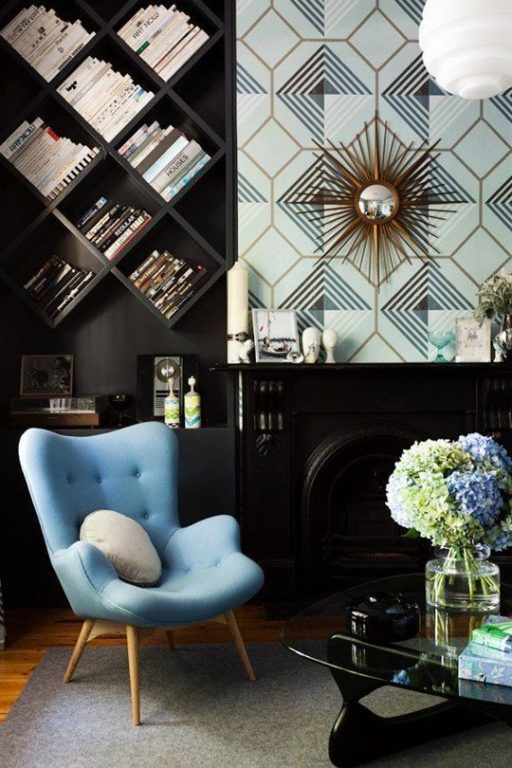
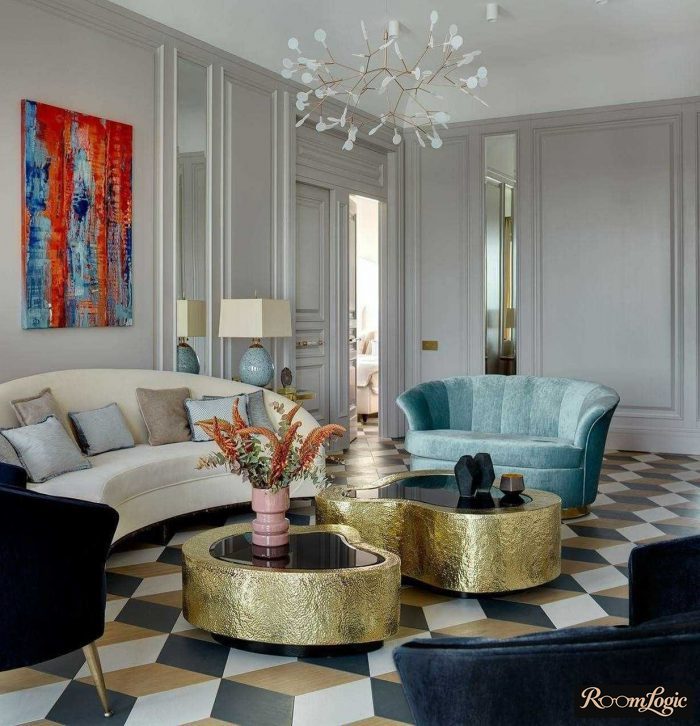
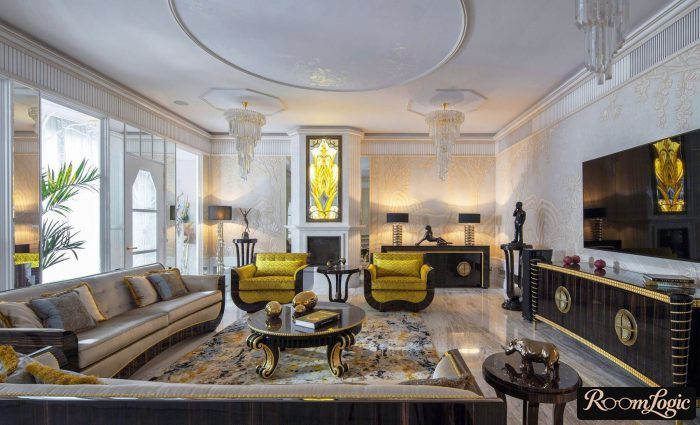
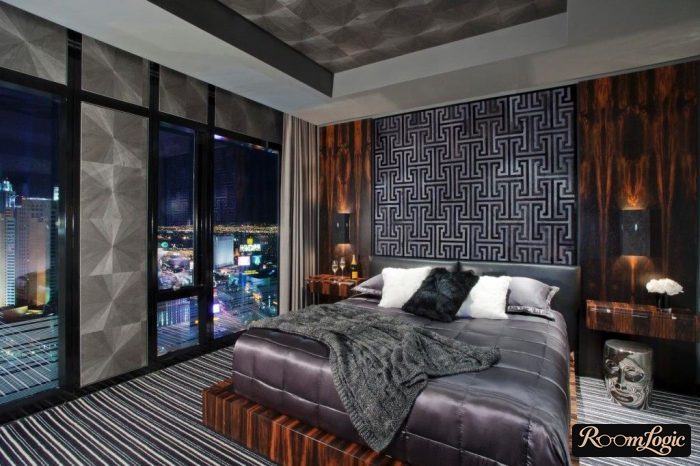
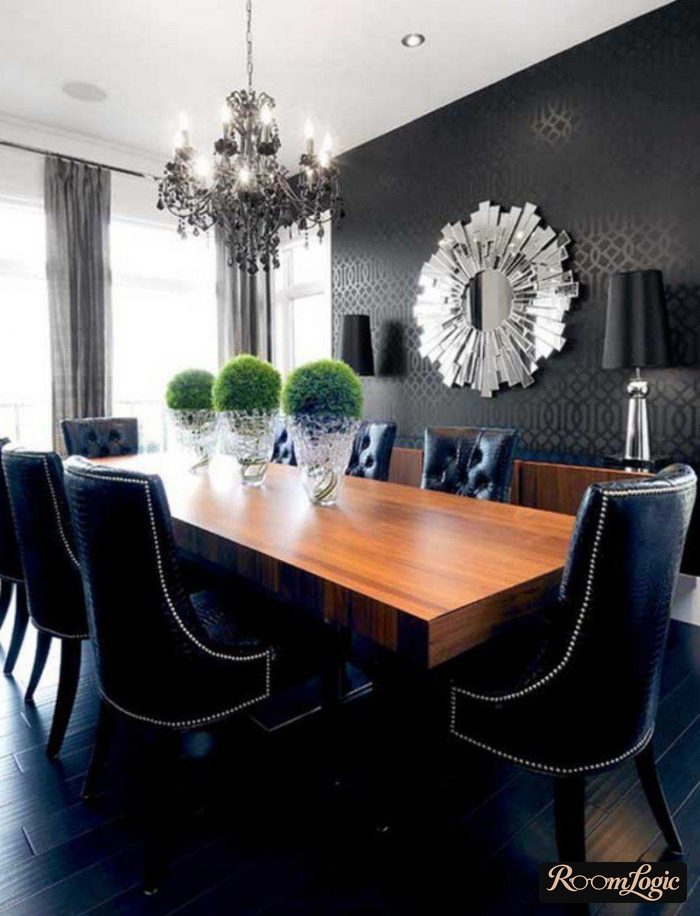
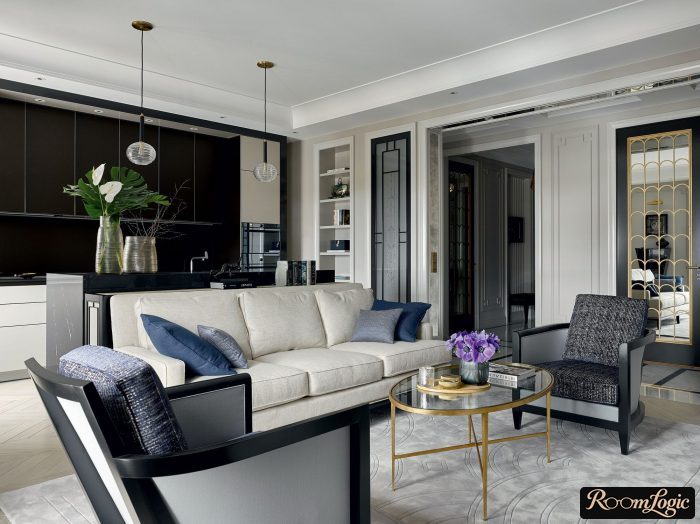
The textile texture differs greatly in different places, and there is no point trying to match either it or the colors; nothing will work. In Art Deco, it is perfectly normal for the textures to differ and for the colors of different objects to vary in shade. Remember, Art Deco is built not from backgrounds and accents but as a single whole. That is why the main thing is to maintain balance, meaning the proportions of colors and textures, not to match them exactly. Difficult, but no one said it would be easy.
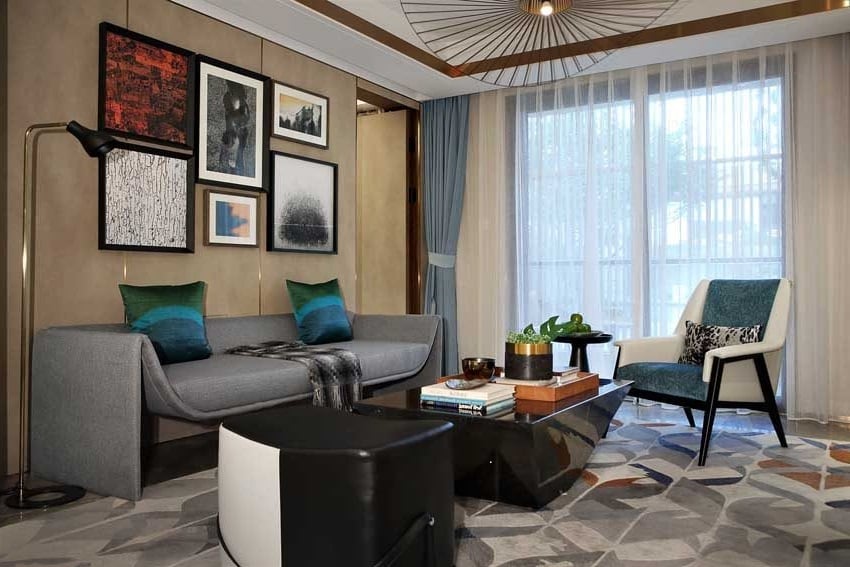
Heavy draped curtains made of expensive materials – velvet or satin – are used on the windows. A layered design with valances suits a classic version of the interior, while if the finishing idea is based on Japanese culture, it is better to choose light, transparent curtains. But in any case, you cannot deprive the room of daylight, so the curtains should always be open.
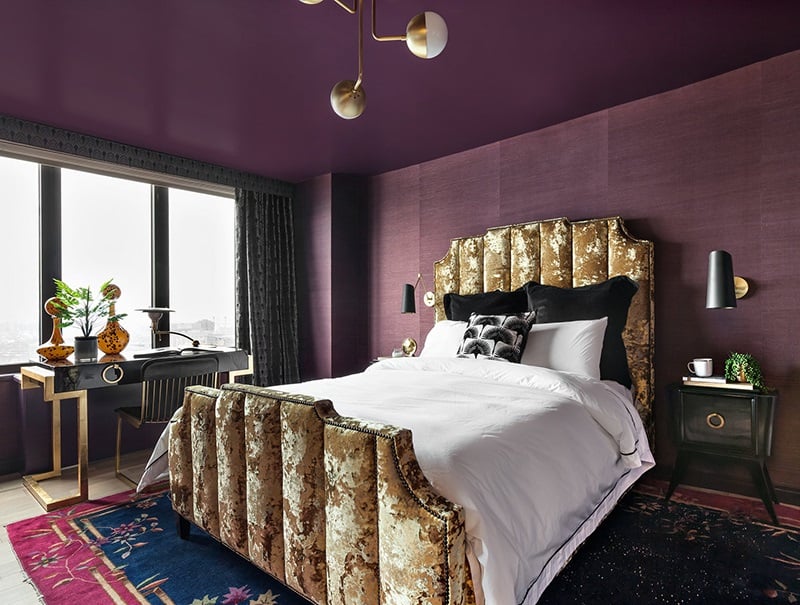
Art Deco is a style that accepts many accessories, but they should be good objects with a history. Scattering cheap trinkets from the nearest supermarket around will not work.
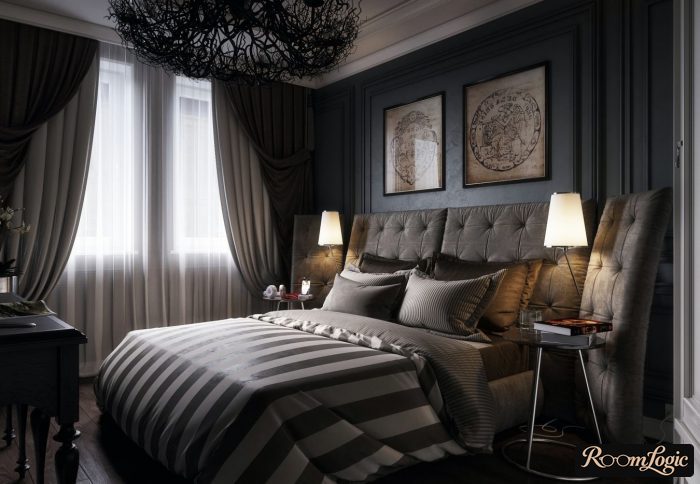
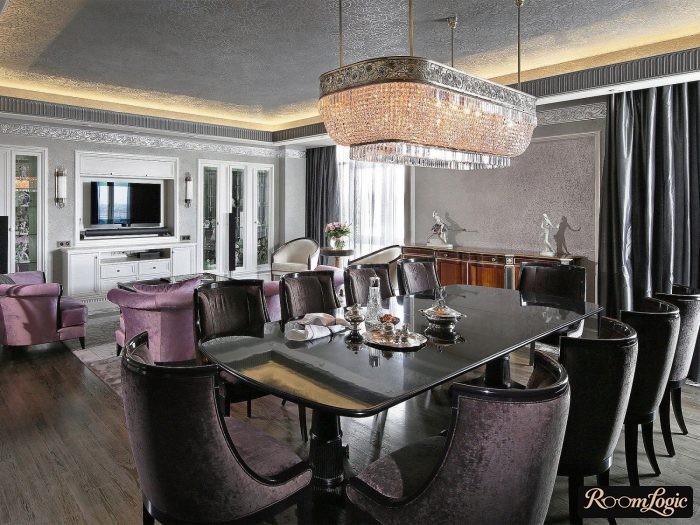
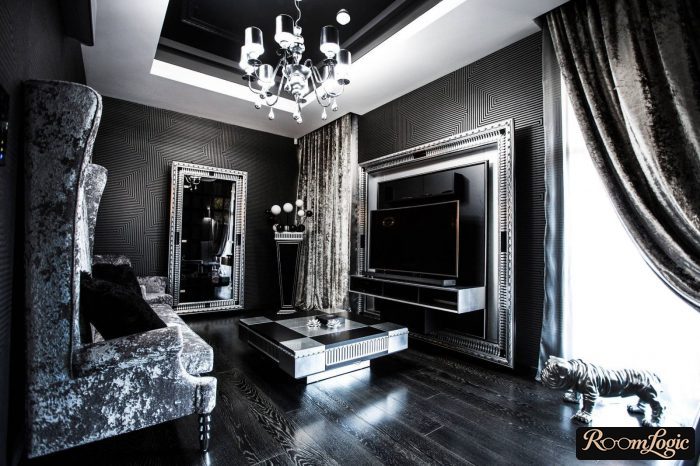
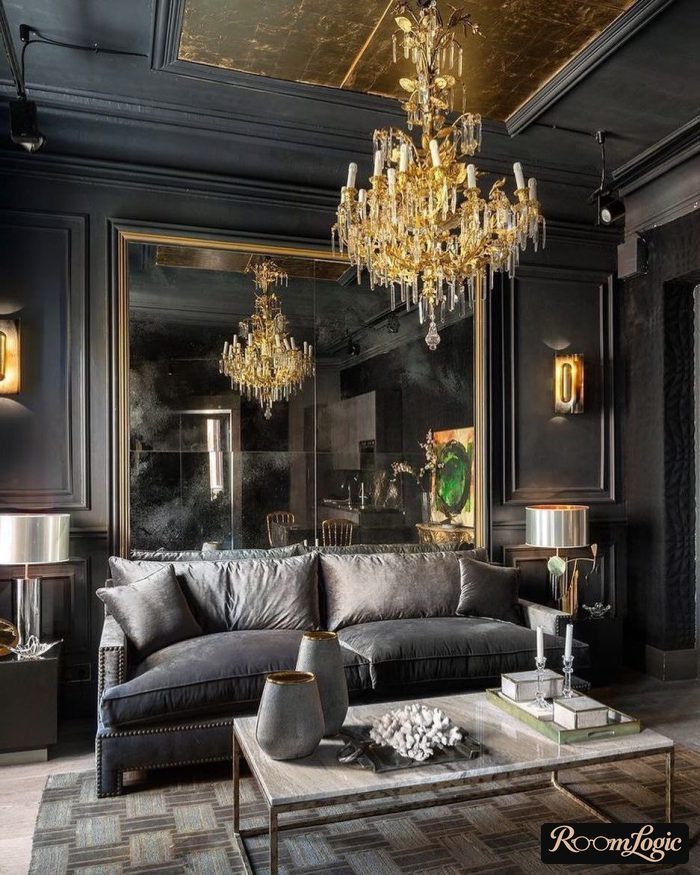
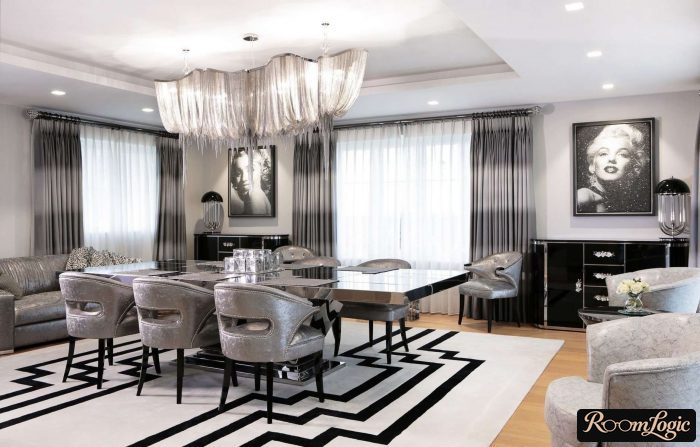
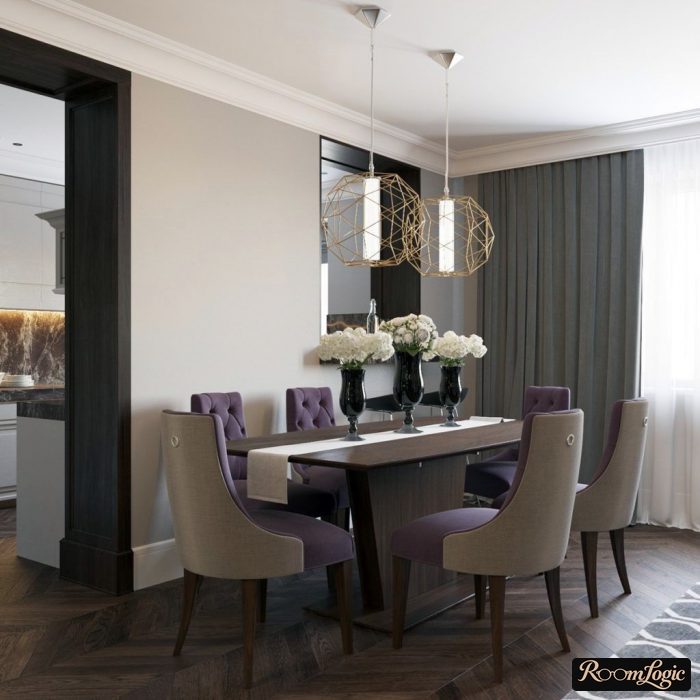
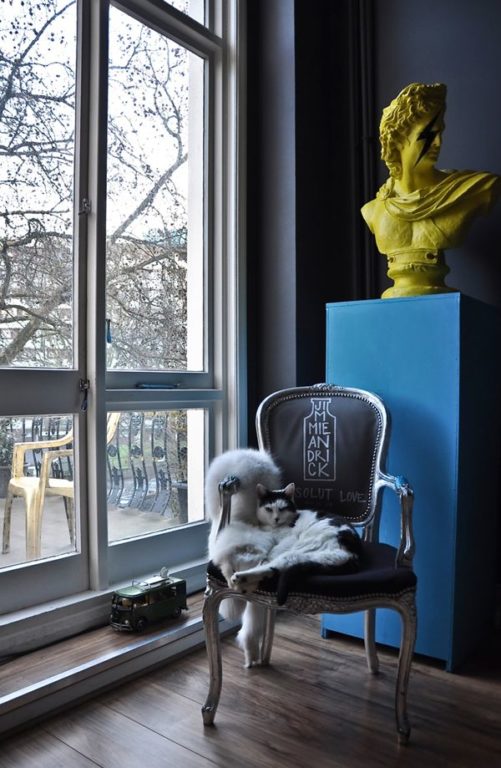
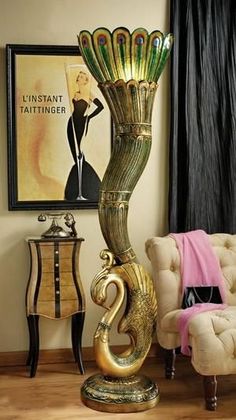
Light fixtures are one of Art Deco’s functional decorations, although it is hard to call them simply that. Complex, beautiful chandeliers, sconces, and floor lamps are used. Since there are many dark textiles, there should be a lot of light.
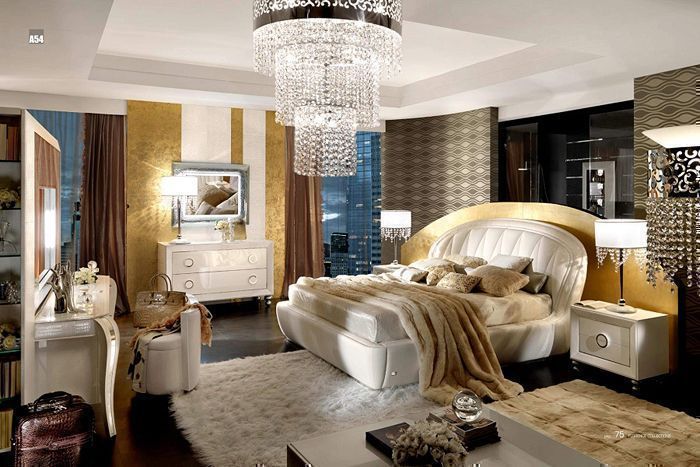
Art Deco in an interior is complicated to plan, carry out, and pay for. But when it works, nothing can compete with it in luxury.
If you are ready, see more examples and details in the article about Art Deco living rooms, and good luck with your remodel!