Constructivism in an interior is more of an idea than a style. It combines elements of minimalism, high-tech, and loft, but is closest to techno. The point is design through geometry and function, not accessories and colors.
Many people do not know that Constructivism is a Soviet subject. It began in the USSR as a direction in architecture, print design, and the general approach to design. Constructivism appeared in interiors later and became the most conceptual and authentic “Soviet” style.
Ideas of Constructivism in an Interior
Constructivism entered home interiors in the 1930s. The emphasis was on proper functional geometry and the overall monumentality of the design. The style focuses on the beauty of engineering structures and proper shapes. Unnecessary details and decorative elements with no function are excluded. But that was the original approach in the 1920s. Now, on the contrary, references to that time are used.
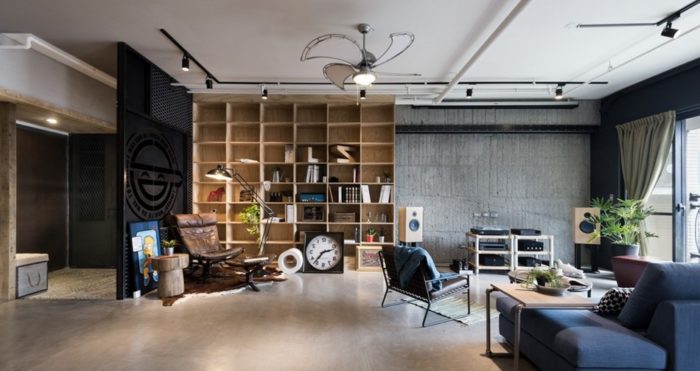
Constructivism does not suit apartments with standard layouts and long narrow rooms. Such apartments have neither the open space nor the complex geometry that make the entire design. If you have an ordinary apartment, we advise looking at other design styles and choosing something more suitable. If you have a house or an apartment with an interesting layout and high ceilings, Constructivism can work well. You may also be interested in the article about loft-style kitchen design.
In brief, here is what should and should not be present in Constructivism:
- Proper, perfectly straight walls and corners. This is exactly why Constructivism is an expensive style.
- Visible engineering solutions: beams, columns, and wires.
- A feeling of monumentality and solidity – brick, concrete, metal, solid heavy furniture, and no plastic even in the light fixtures.
- A complete absence of decor and ornaments, patterns, and drawings.
The Constructivist Style in Interior Design
Colors
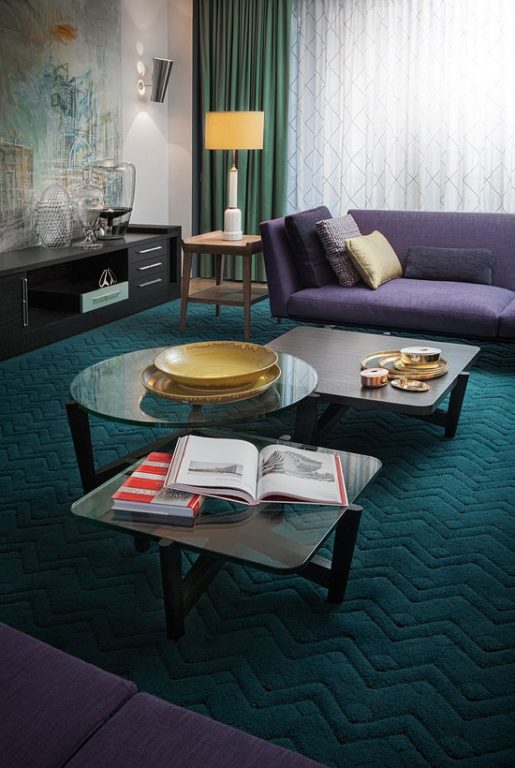
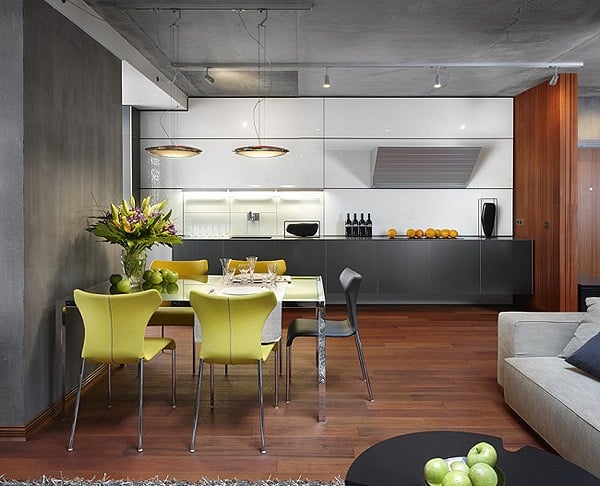
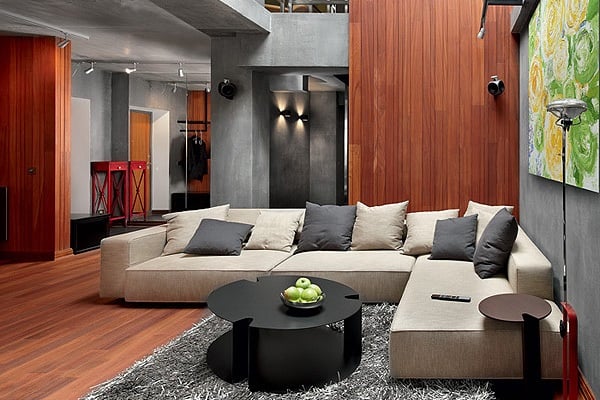
The Constructivist color palette is clearly defined: white and black, gray through concrete, red-toned wood, and sometimes a little muted blue and yellow in the textiles.
Because the color range is small, textures become very important. That means either using all natural materials or very good imitations. In general, you cannot really save money on anything in Constructivism – everything natural is expensive.
Finish Materials
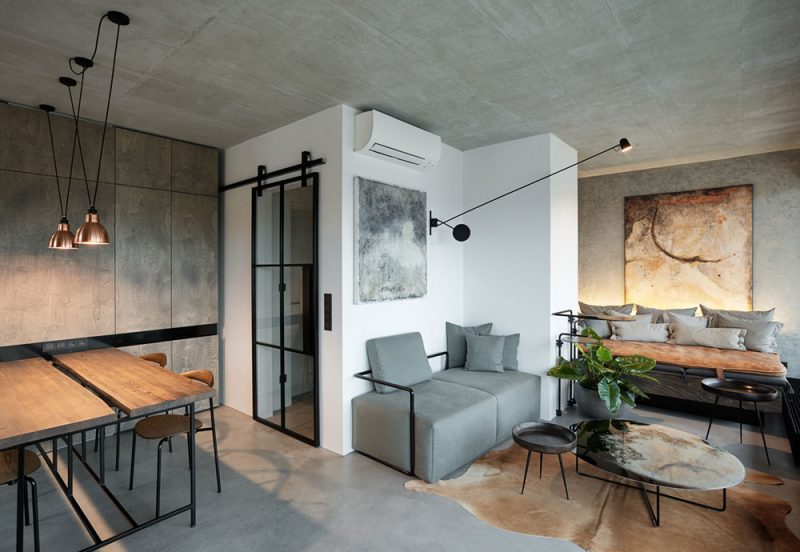
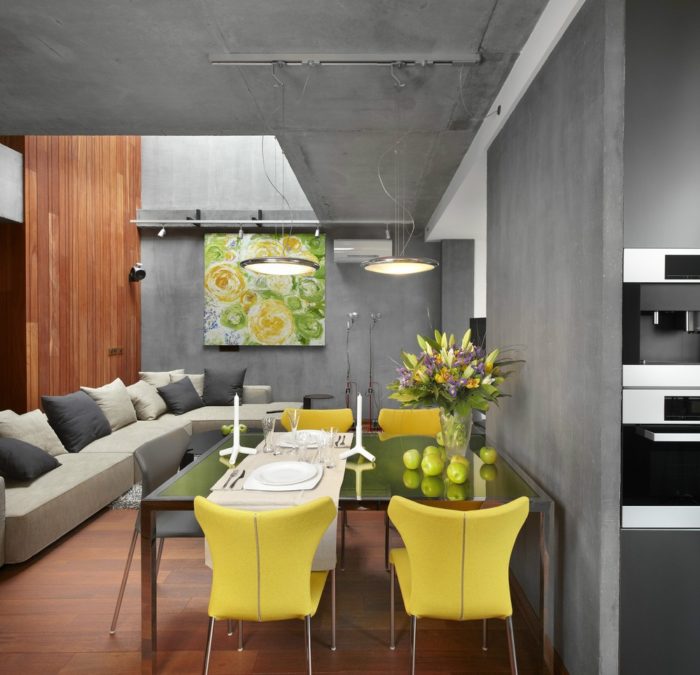
The remodel uses painted walls, concrete, metal, glass, and wood.
Paint is clear, but let’s look at concrete in more detail. Since we have already said that Constructivism requires either a house or an apartment with an unusual layout and high ceilings, you will probably have an interesting ceiling. The last thing you should do with a high ceiling is finish it for smooth paint.
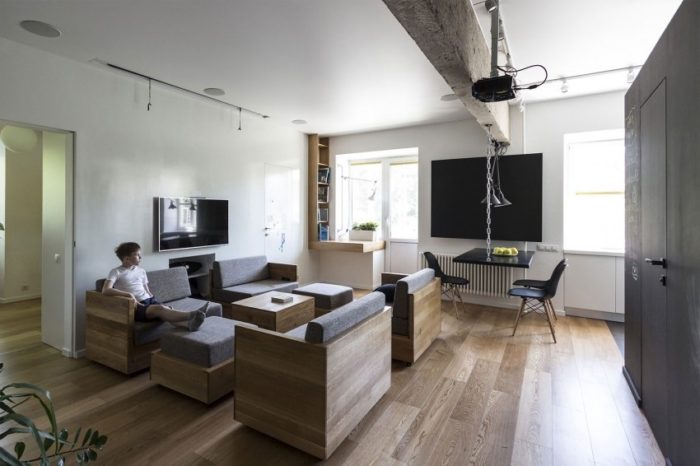
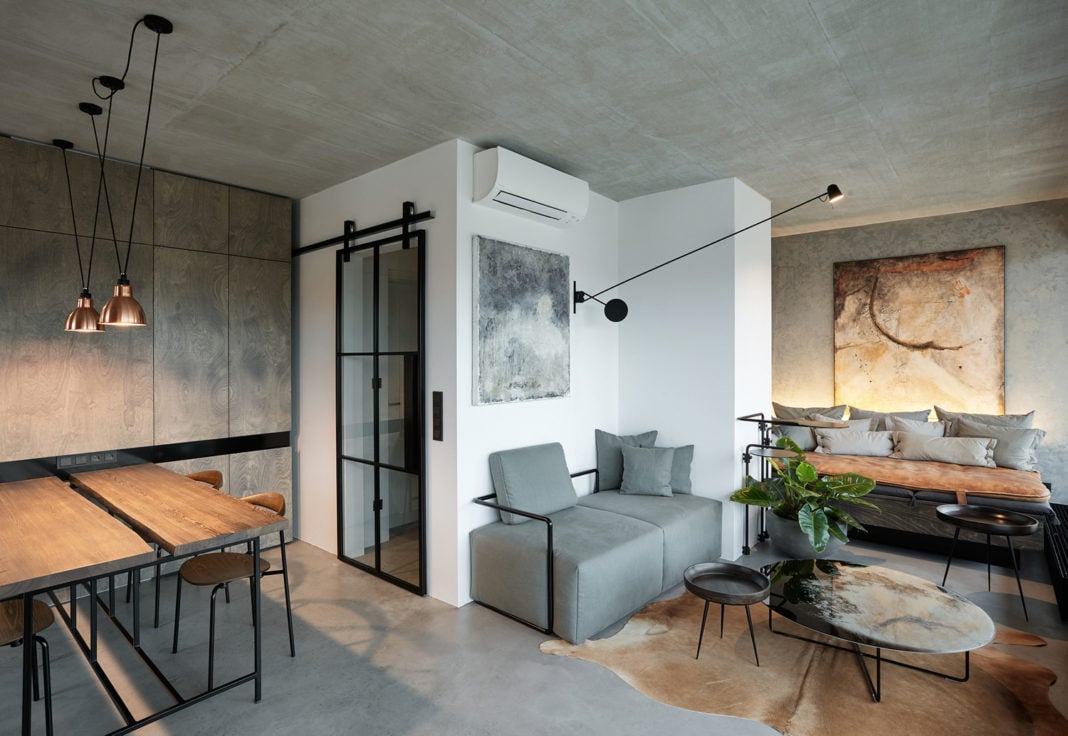
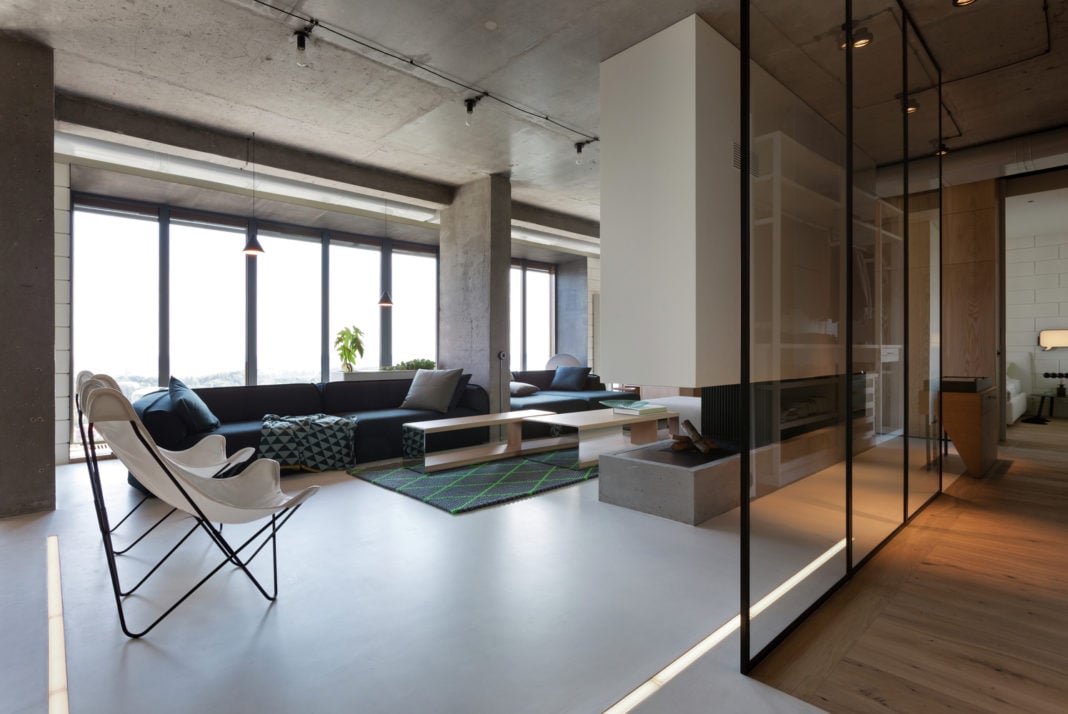
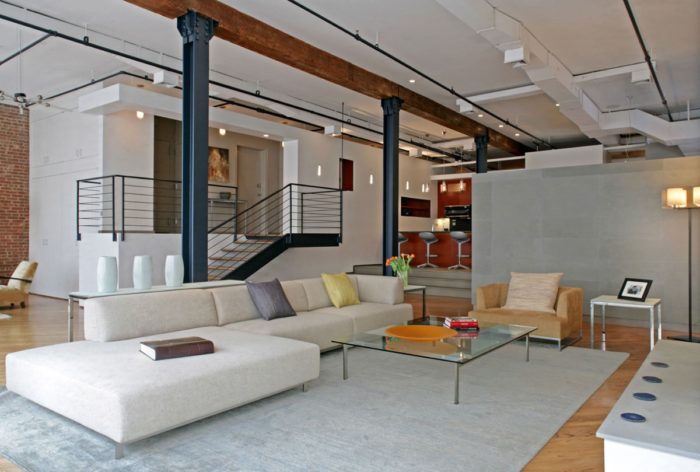
Try to leave most of the unfinished ceiling exposed, but add something for contrast. It can be false beams, lighting along the concrete, or a finished and painted section at another level that makes the concrete look even better by contrast. It is hard to explain in words, but the photos make it clear.
Constructivist Light Fixtures
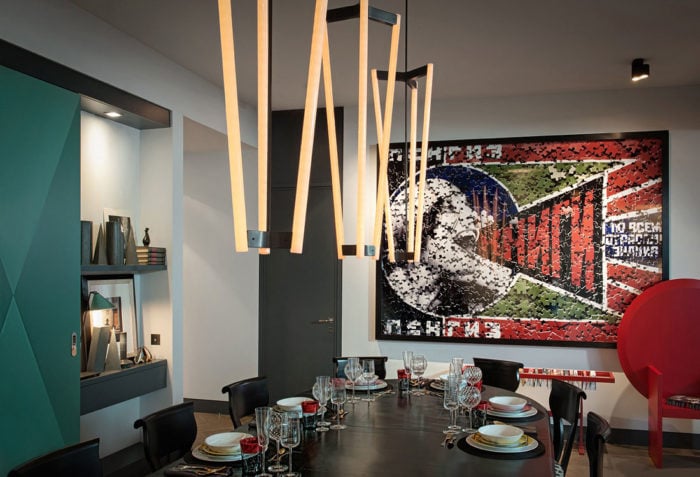
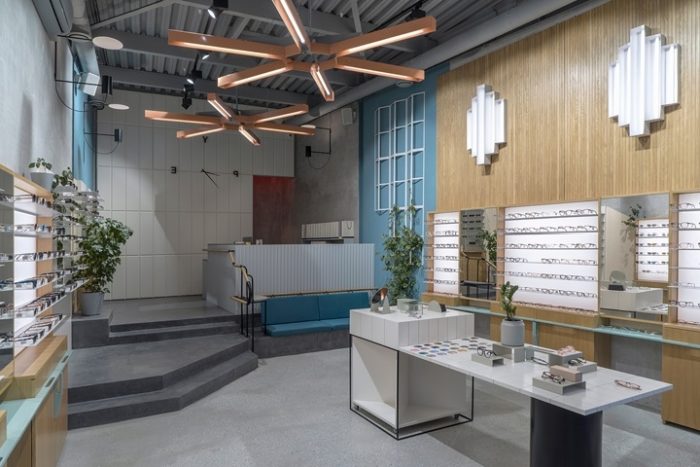
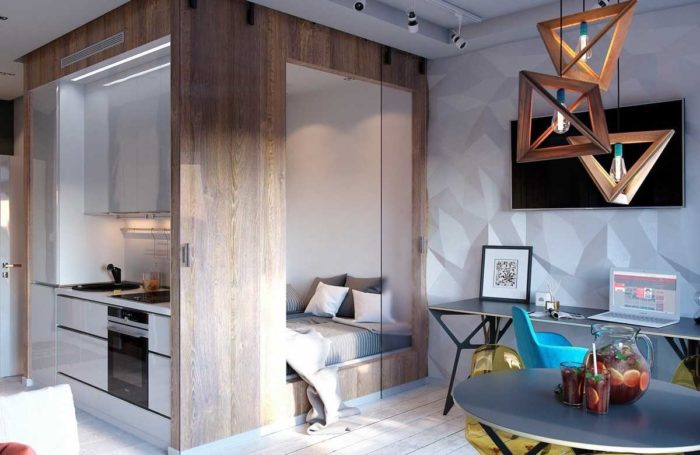
Light is insanely important in Constructivist design. The light itself, not its sources. The fixtures, on the contrary, are minimalist and unobtrusive, or hidden altogether. But plenty of light at different levels is required to reveal the geometry, which is the foundation of Constructivism.
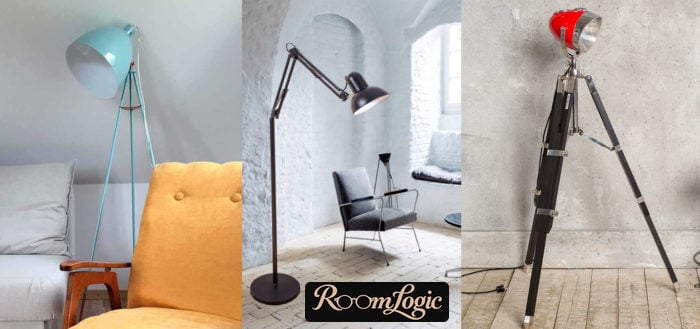
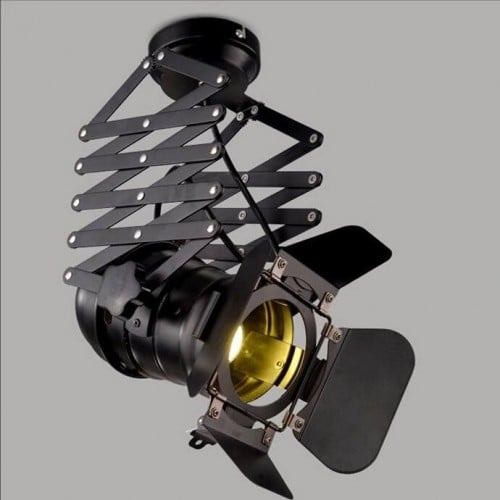
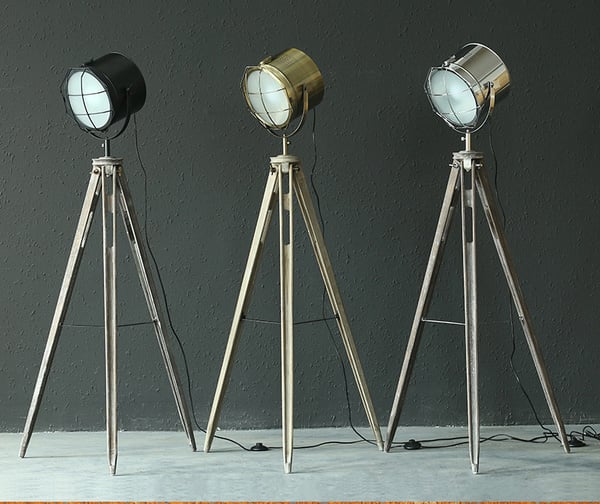
Track lighting and fixtures similar to studio lights look great on high ceilings. On the floor, use the same floor lamps as in loft or techno interiors.

Constructivist Furniture
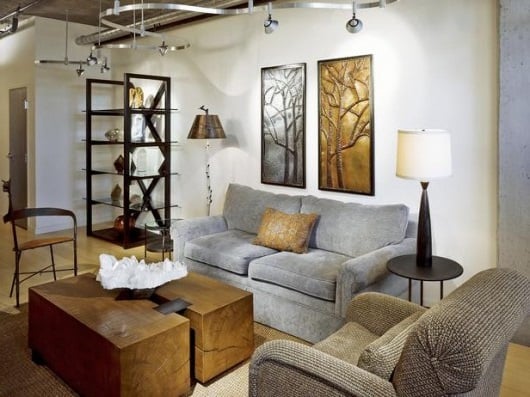
Constructivism loves complex designer furniture. In the USSR, during the height of Constructivism, the most interesting and unusual furniture was made. It was standardized and made boring only later. People still hunt through flea markets for armchairs from the 1920s and 1930s to buy and restore. This furniture is fashionable now, so it is not hard to find, but it costs a fortune.
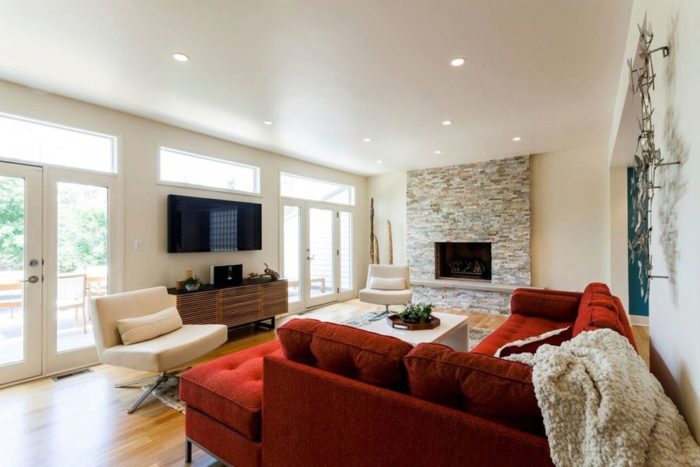
Unlike the finishes, furniture also uses bright colors, but always in muted shades. This furniture livens up the interior but does not hold your gaze.
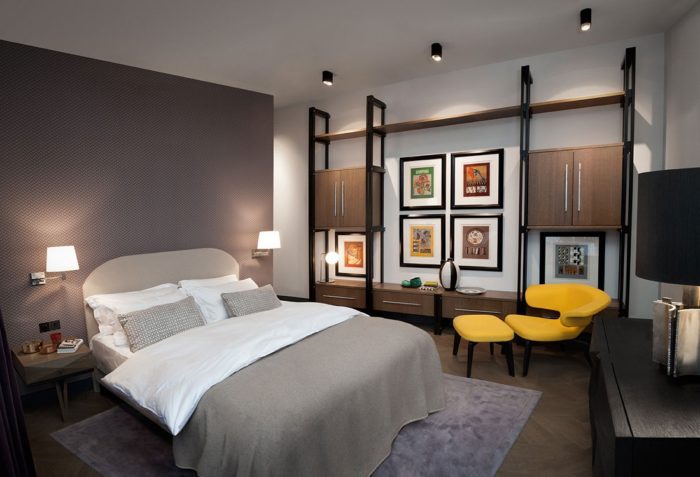
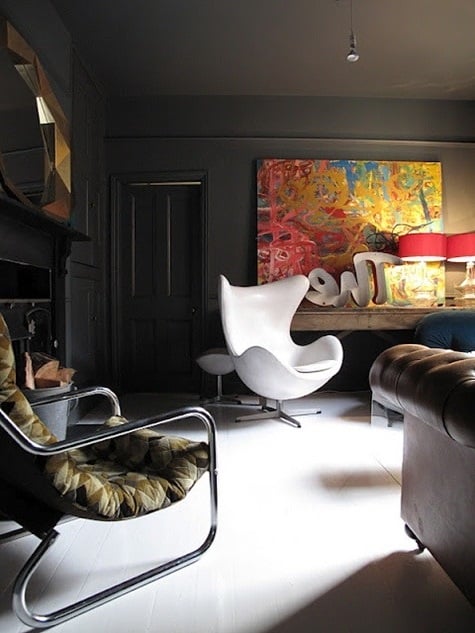
Apartment Layout for Constructivism
You need a large space and complex room geometry that is not rectangular. There is no clear division into rooms with doors. Instead, there are partitions, columns, and platforms if it is a house.
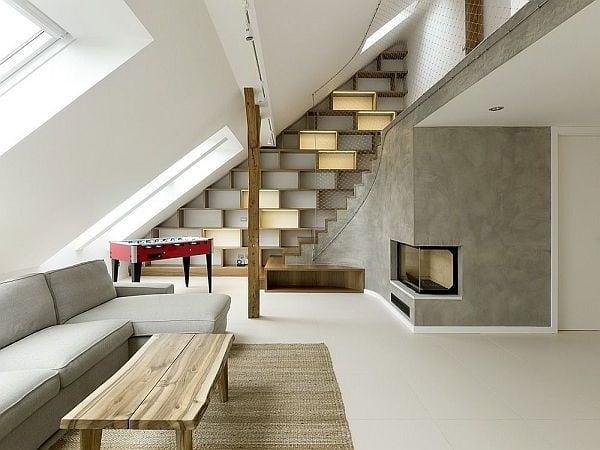
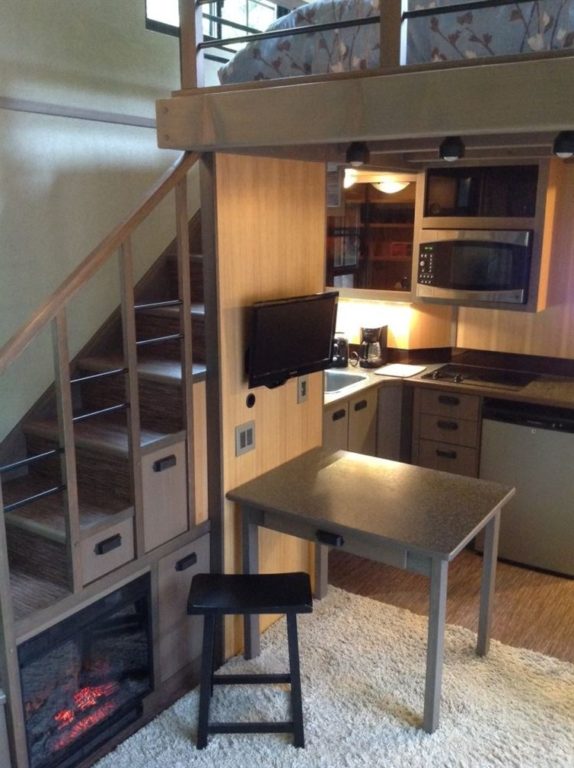
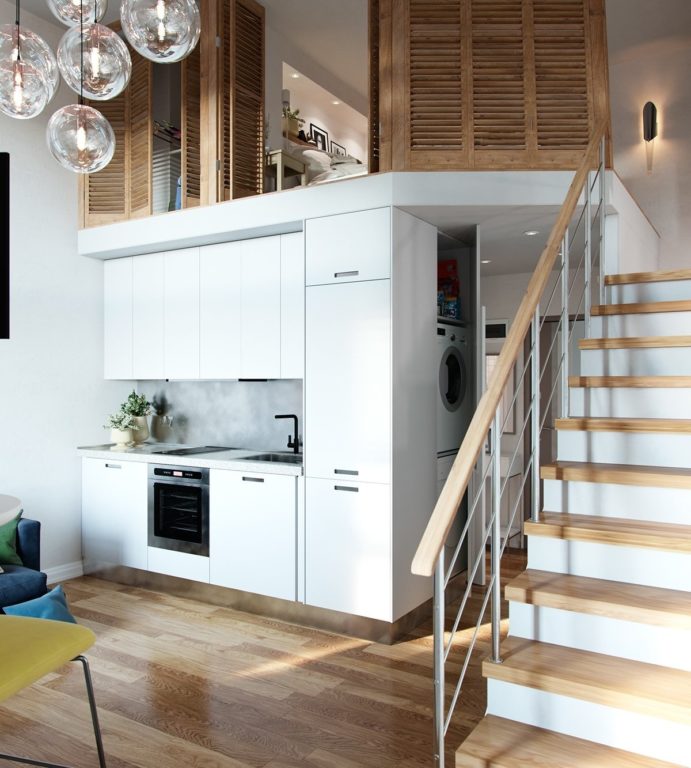
There is no reason to separate the kitchen and living room either. Kitchens combined with living rooms have long been standard in any design style – they are simply more convenient and look better.
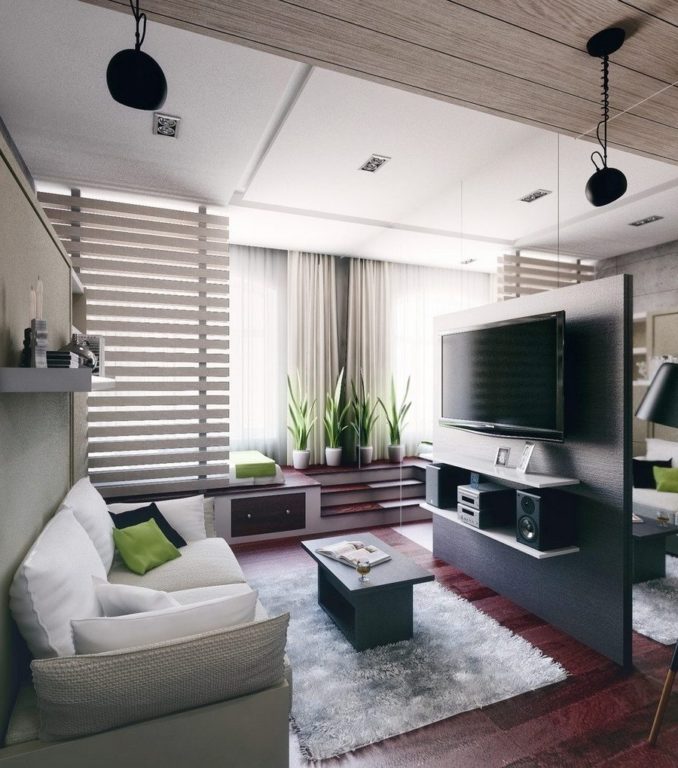
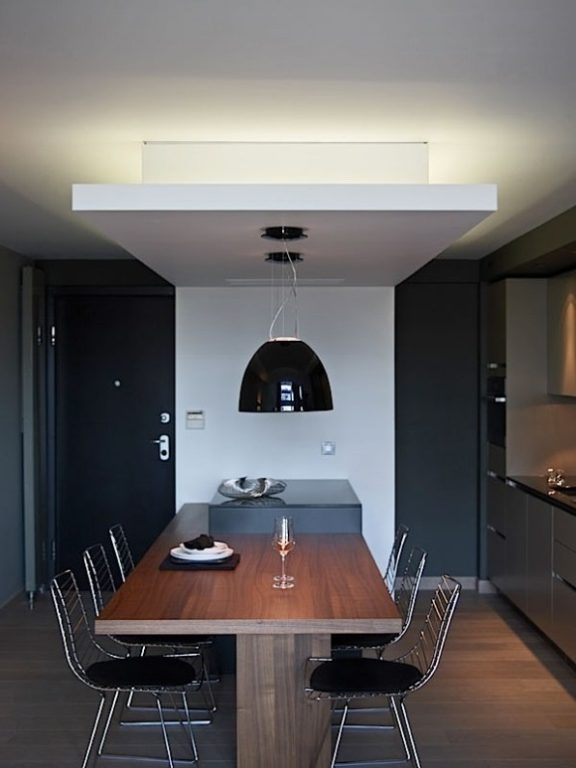
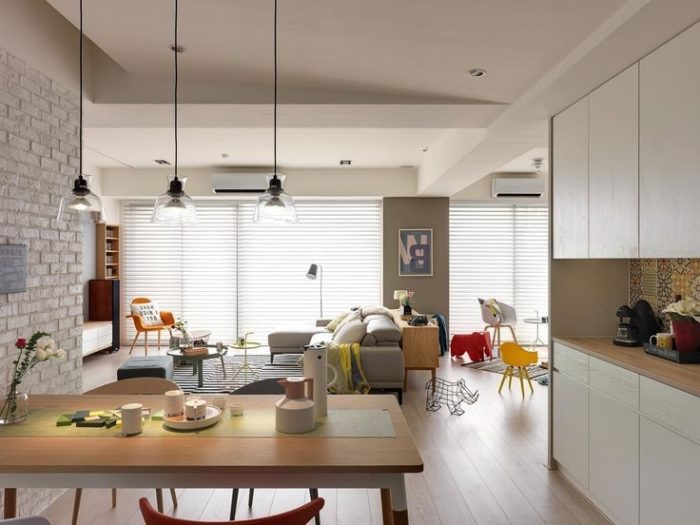
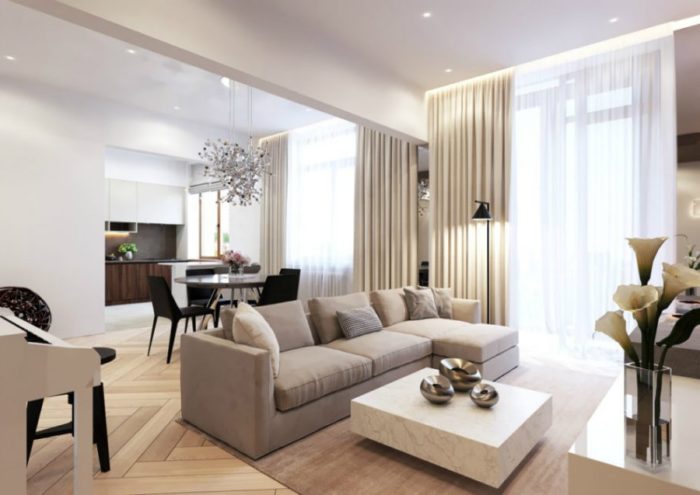
Glass block is an interesting material that was popular in the 1920s and can be used to divide zones. You can build an entire wall from glass blocks or make horizontal or vertical strips. It is impossible to give an exact proportion, but it is important not to overdo them. A glass-block partition looks especially great when it is lit. The material is not cheap: one square foot takes about two to three standard blocks, and each costs about $2–8.
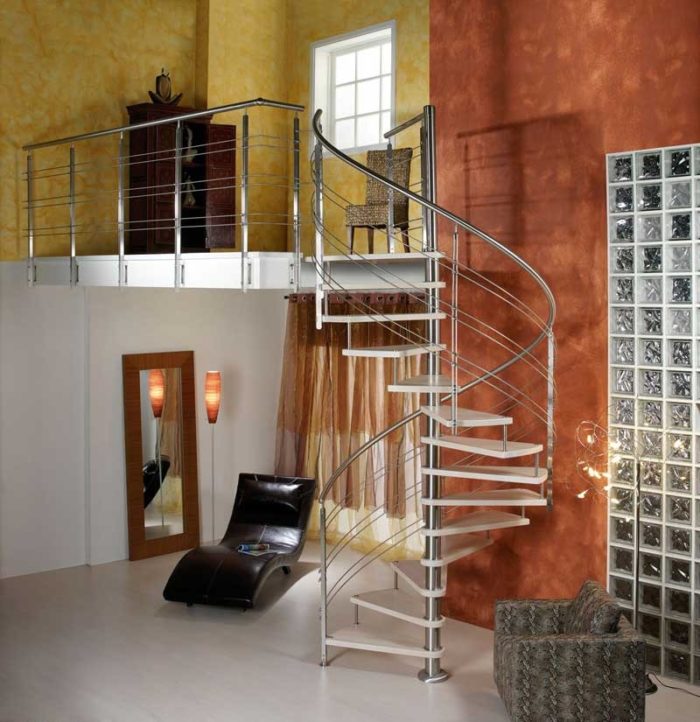
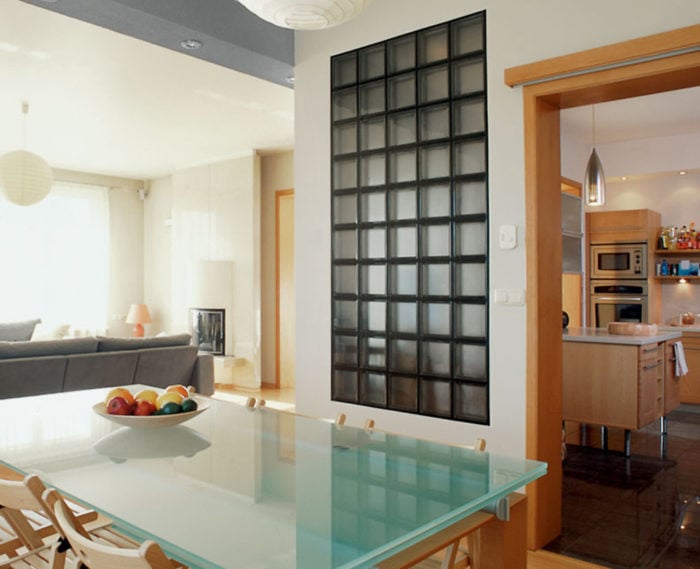
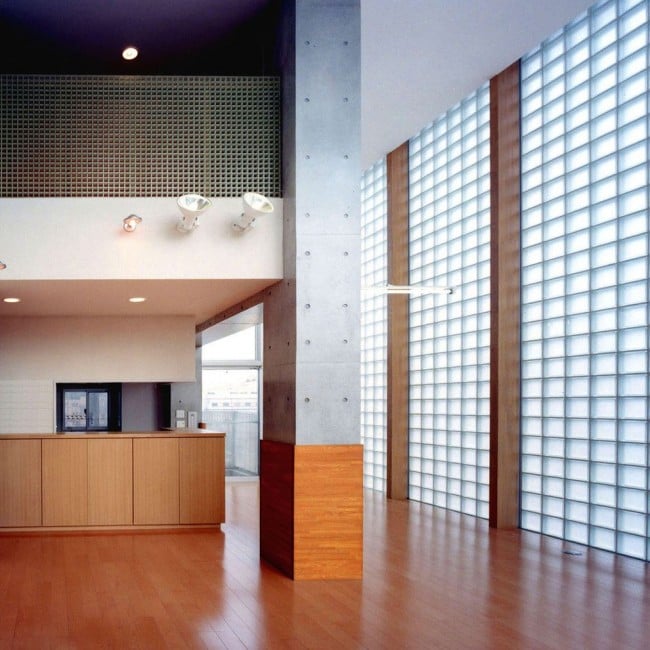
The names of contemporary styles are only conventions. Nothing stops you from taking the elements of Constructivism you like without going all the way into it, and mixing them with other contemporary styles. They combine beautifully.