A fact:
Wallpaper can create current kitchen designs that cannot be achieved with other wall finishes.
What we will cover:
- Which ones I do not recommend from a design standpoint.
- Which are washable and withstand changes in temperature and humidity, and which cannot be used on any wall.
- Irreplaceable beautiful kitchen wallpaper options (another finish will not give the same effect).
- Budget alternatives to paint and decorative plaster.
Sometimes it is hard to put into words how wallpaper affects kitchen design.
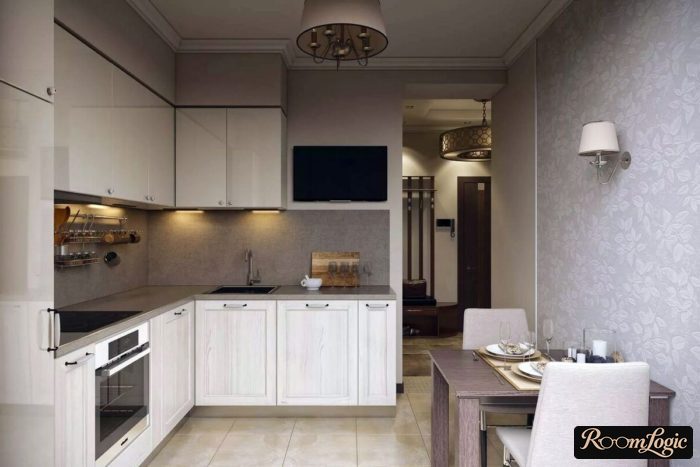
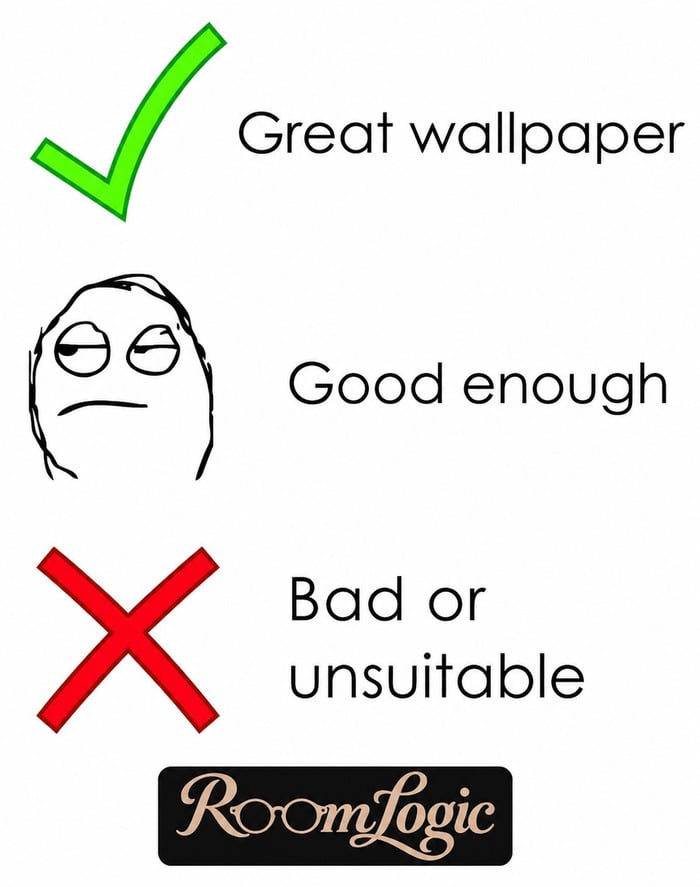
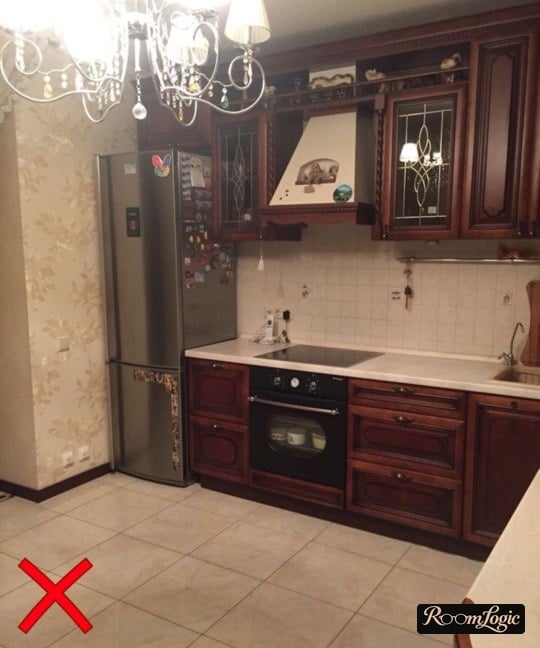
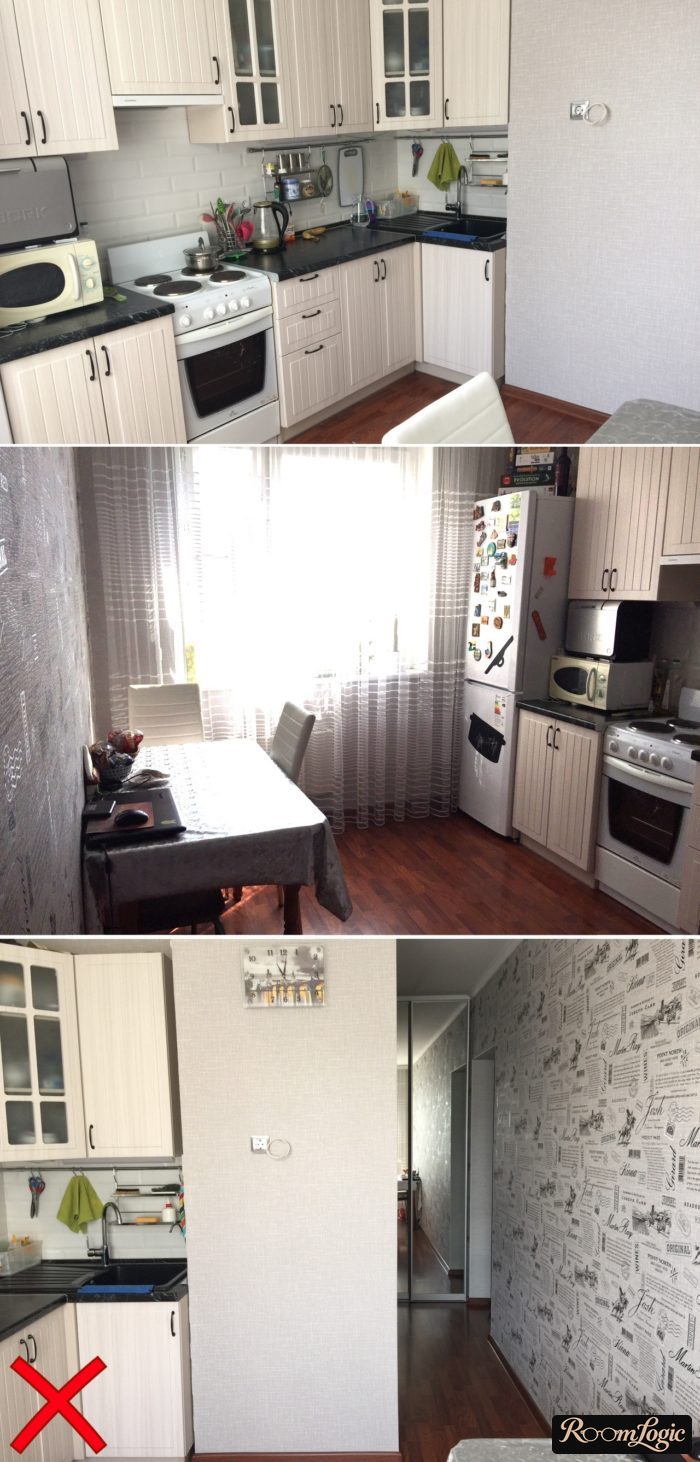
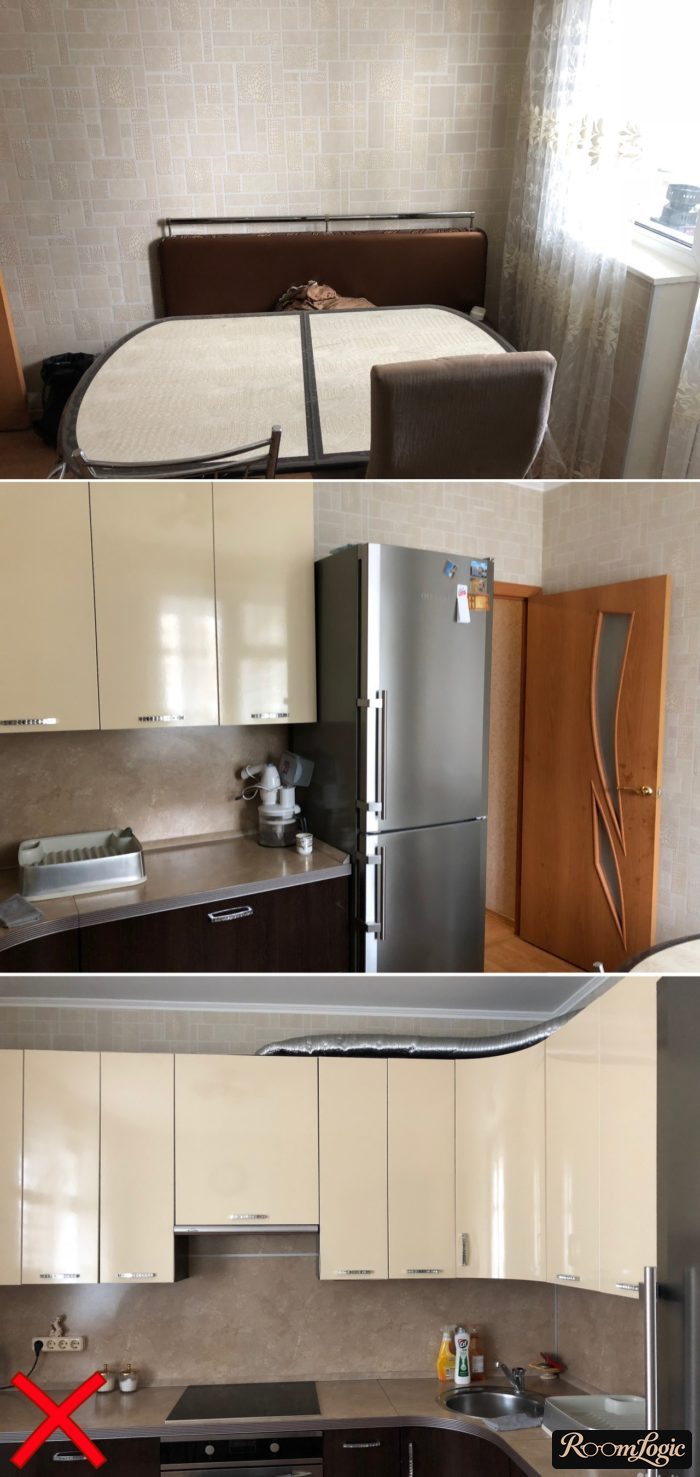
I will subjectively put 3 labels on every photo:
5 Types of Modern Kitchen Wallpaper
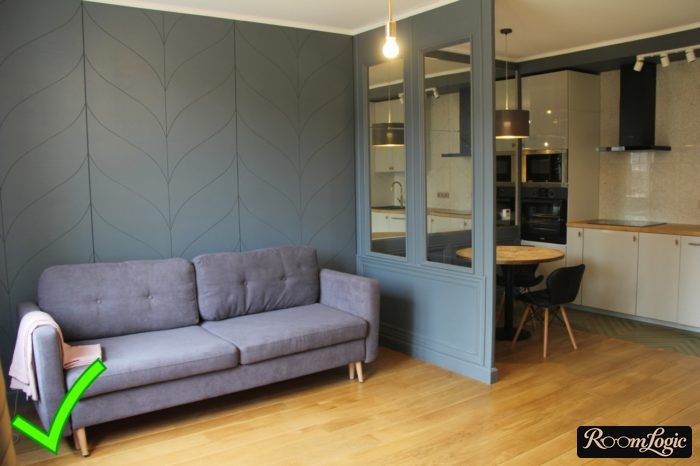
1. Modern Geometric and Colorful
The 2 main strengths that distinguish wallpaper from absolutely every other kitchen finish:
- Complicated, thin, precise lines that create any geometric texture, abstraction, or drawing.
- Reproducing and combining any colors in any amounts.
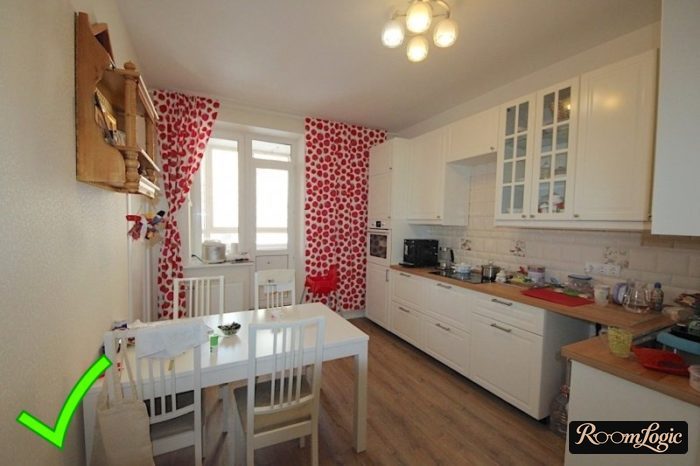
Among fashionable styles, this wallpaper design is widely used in Scandinavian kitchens on 1 accent wall. Or in Provence style, where flowers form the pattern.
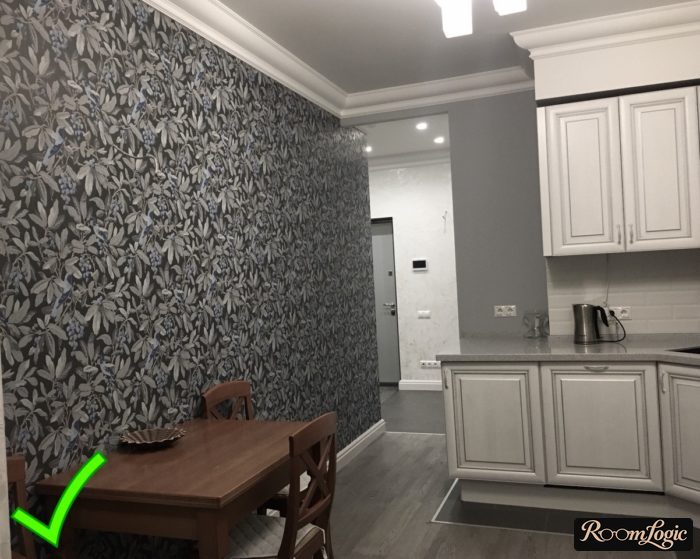
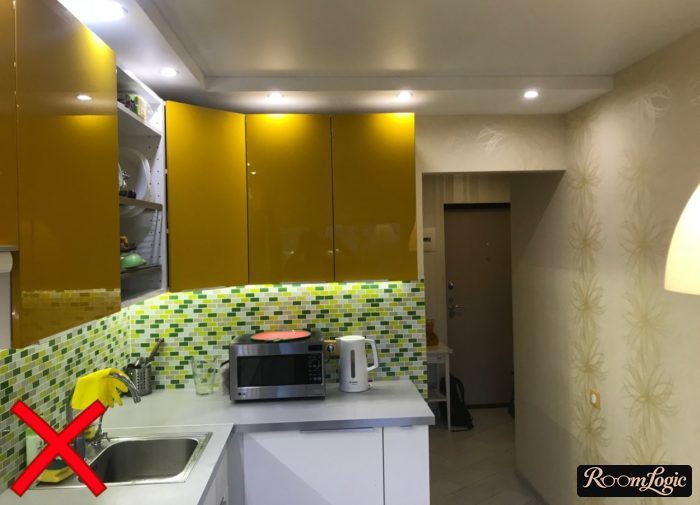
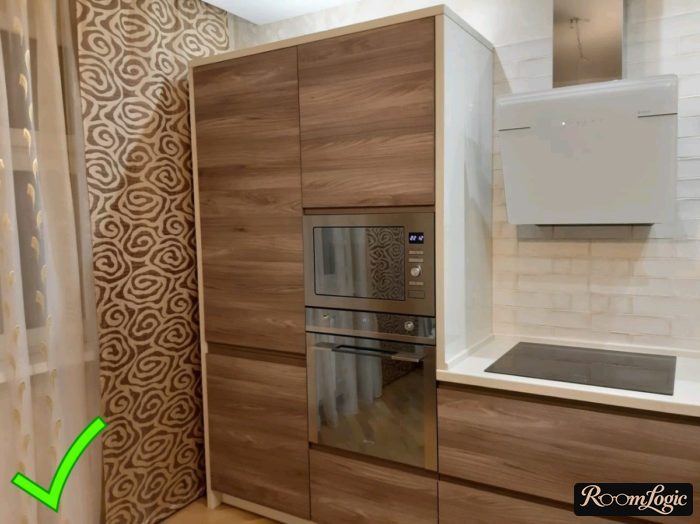
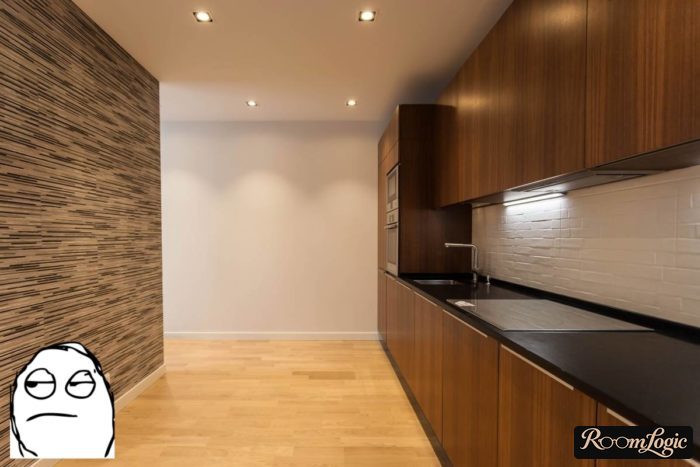
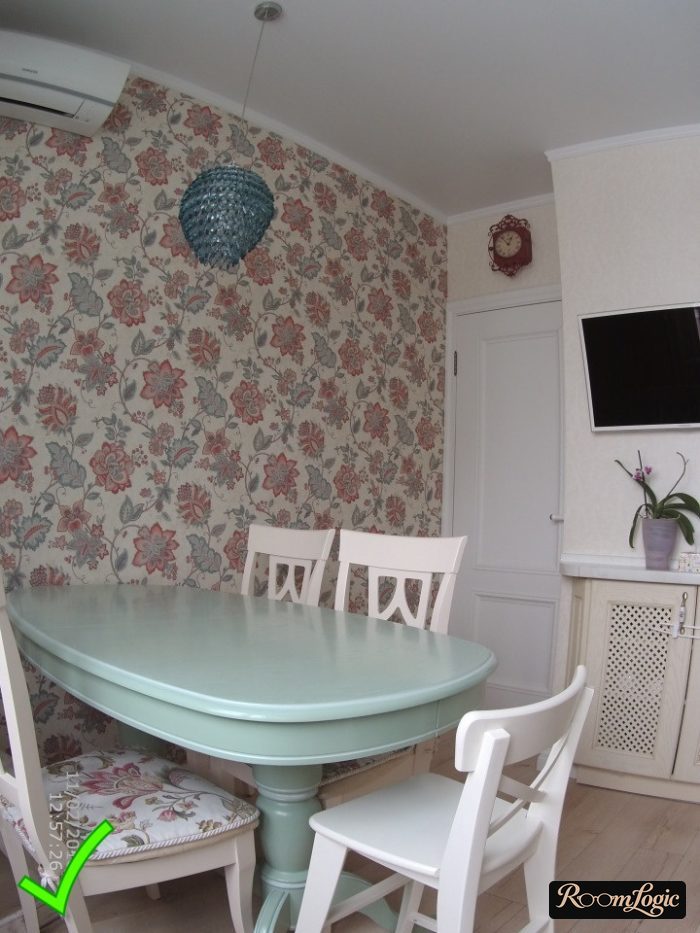
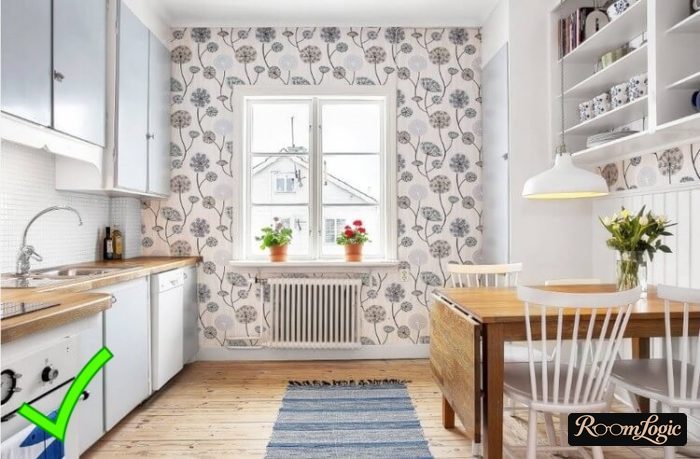
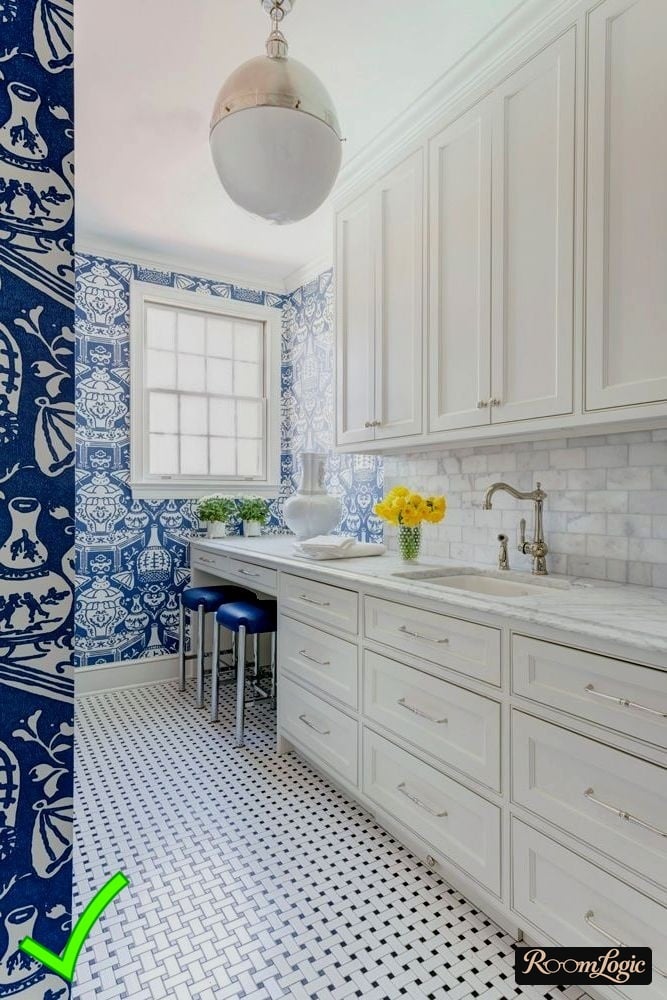
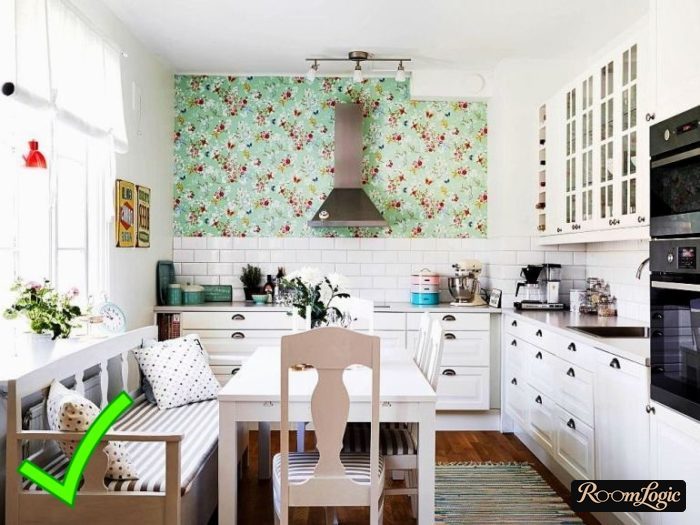
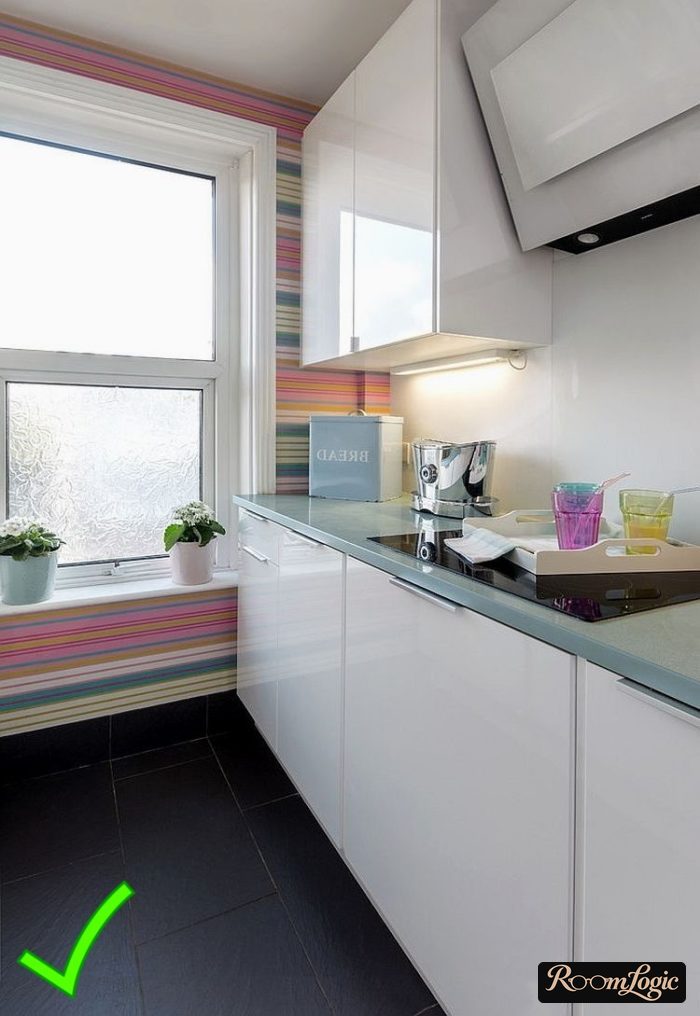
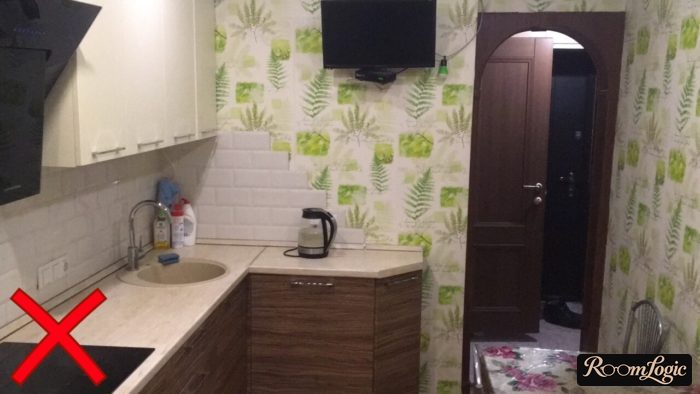
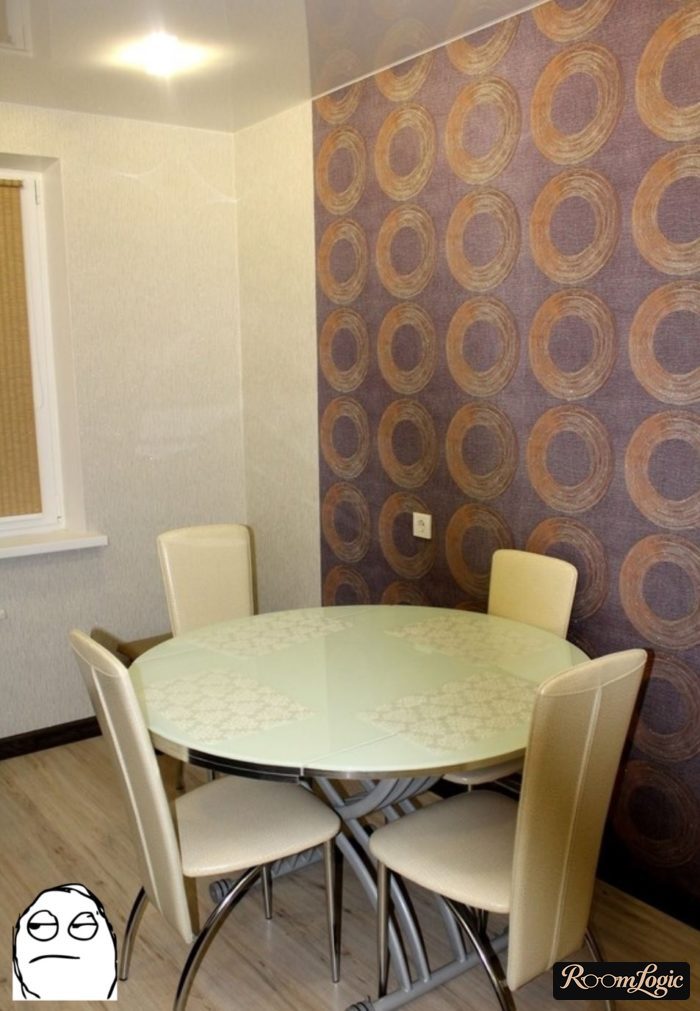
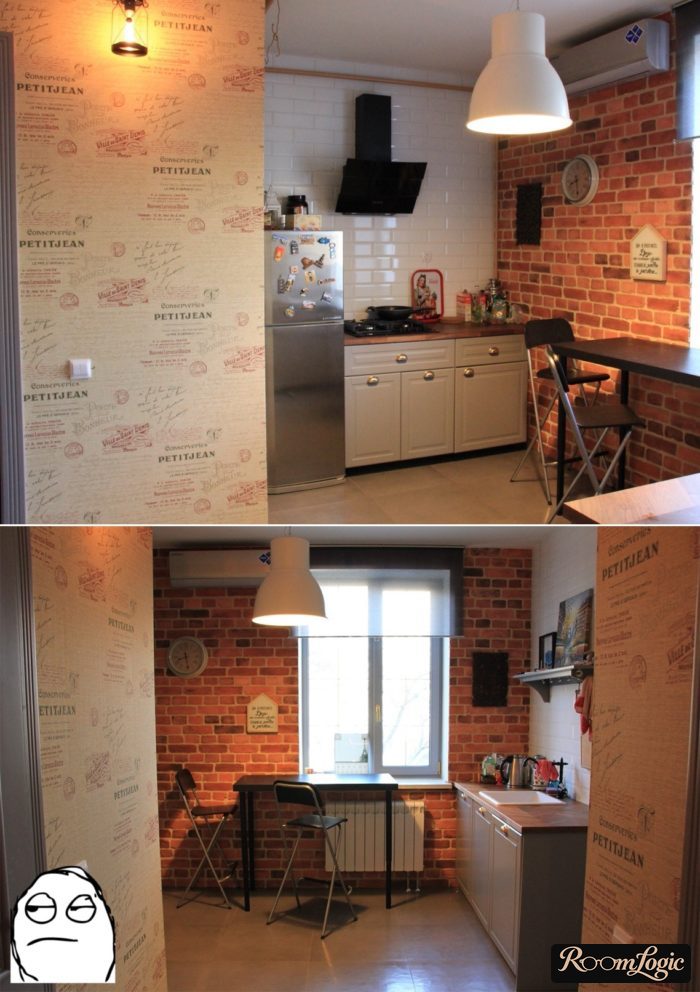
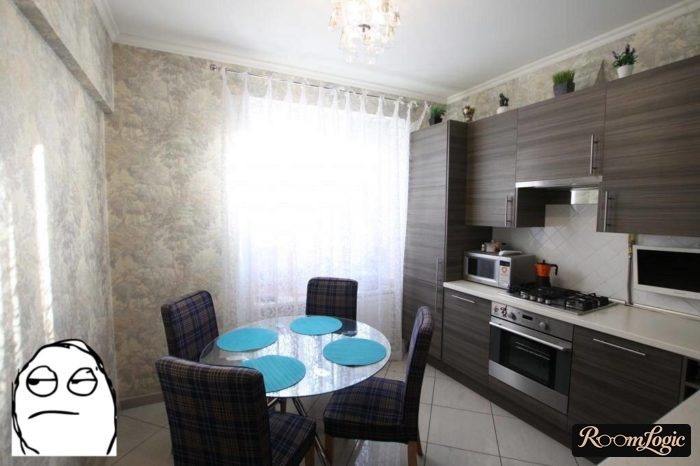
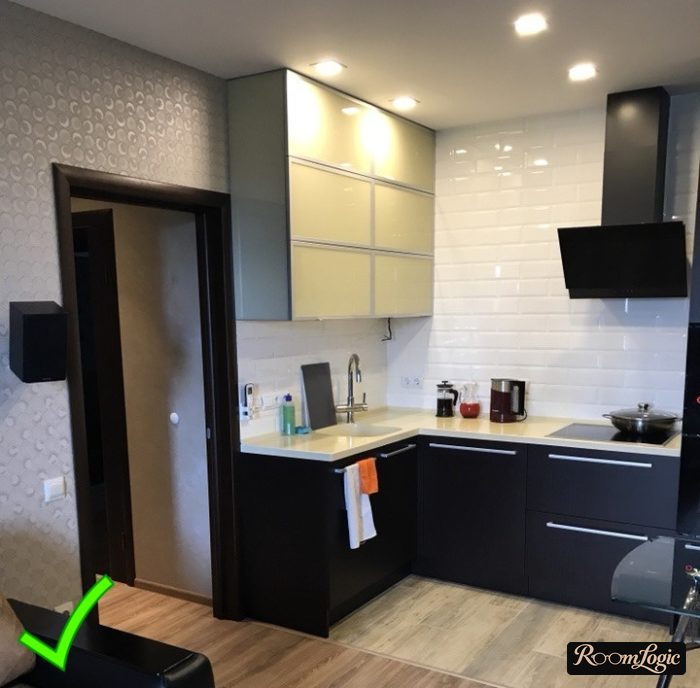
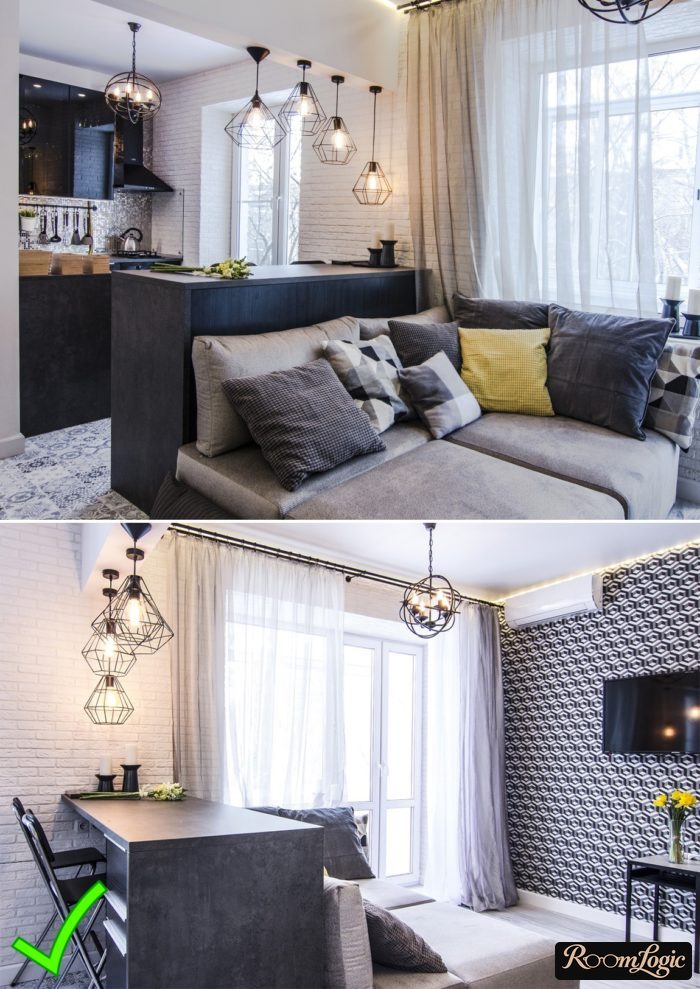
Tile shapes, grids, geometric figures, but most importantly, color. Every modern kitchen wallpaper option uses muted colors with low saturation. I explained why in the article about combining colors in an interior.
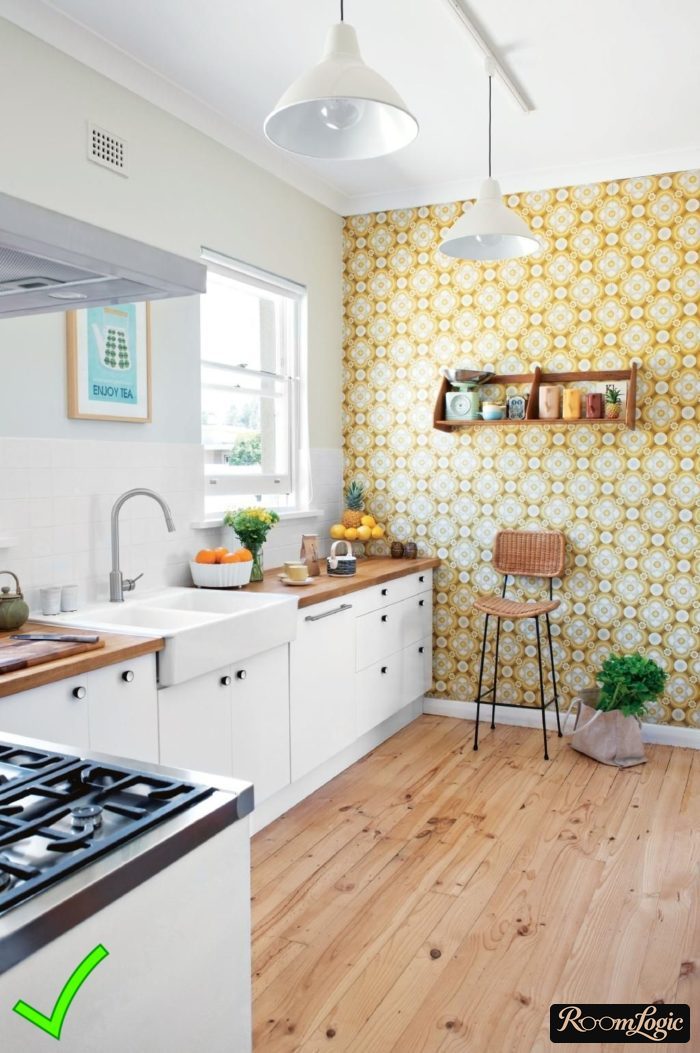
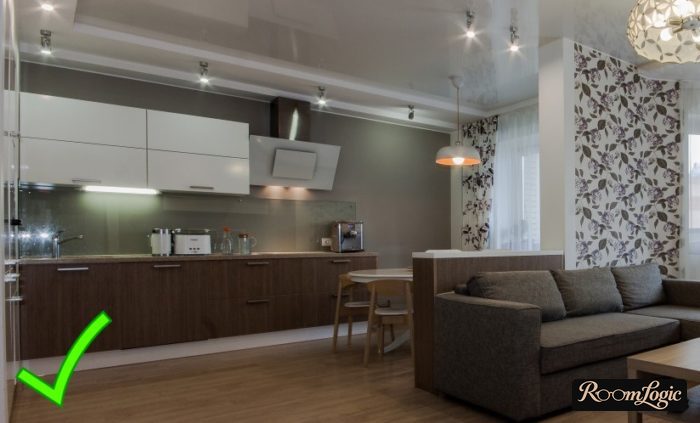
2. Traditional Patterns and Ornaments
A standard set of floral patterns is used in traditional kitchens and traditional styles.
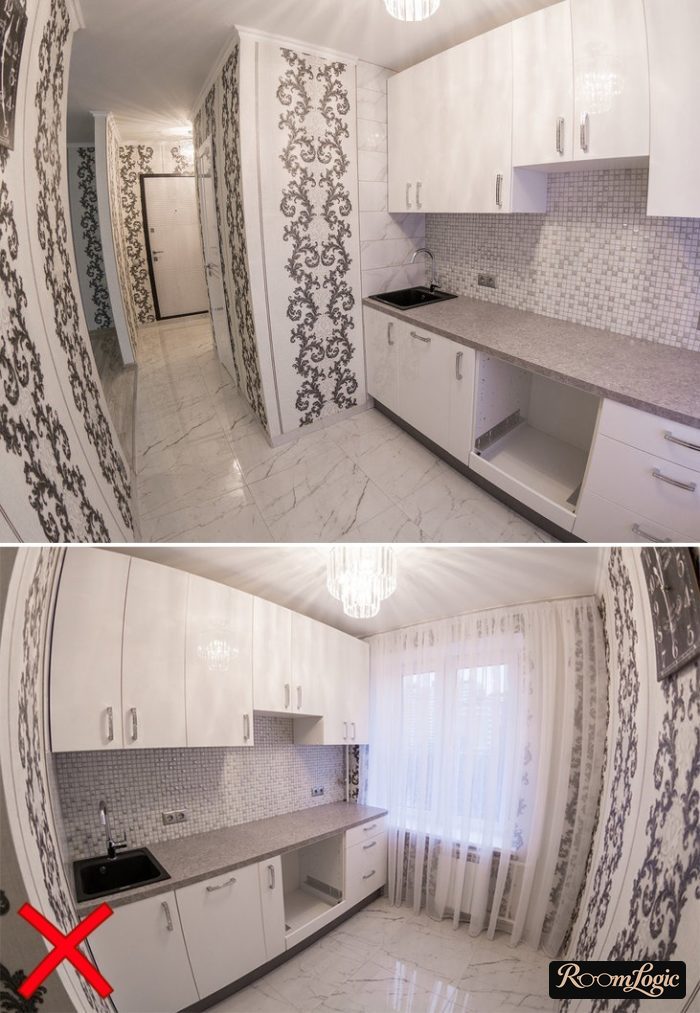
The fundamental difference is the contrast between the pattern and the main color. If the difference is large, use it only as an accent on 1 wall. When the contrast is low and your eye does not stop on the pattern, you can wallpaper the entire room.
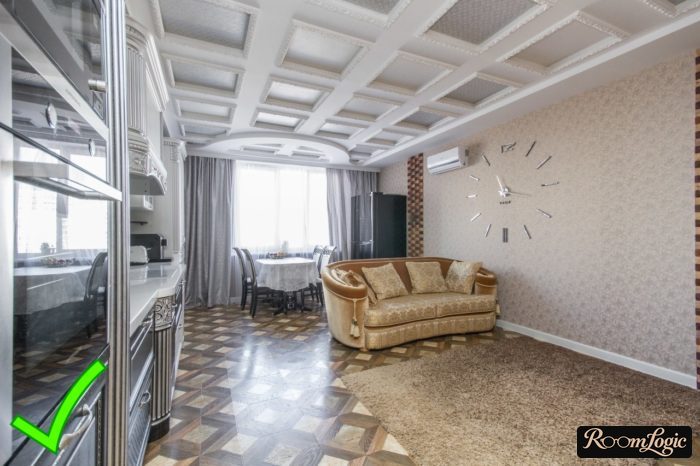
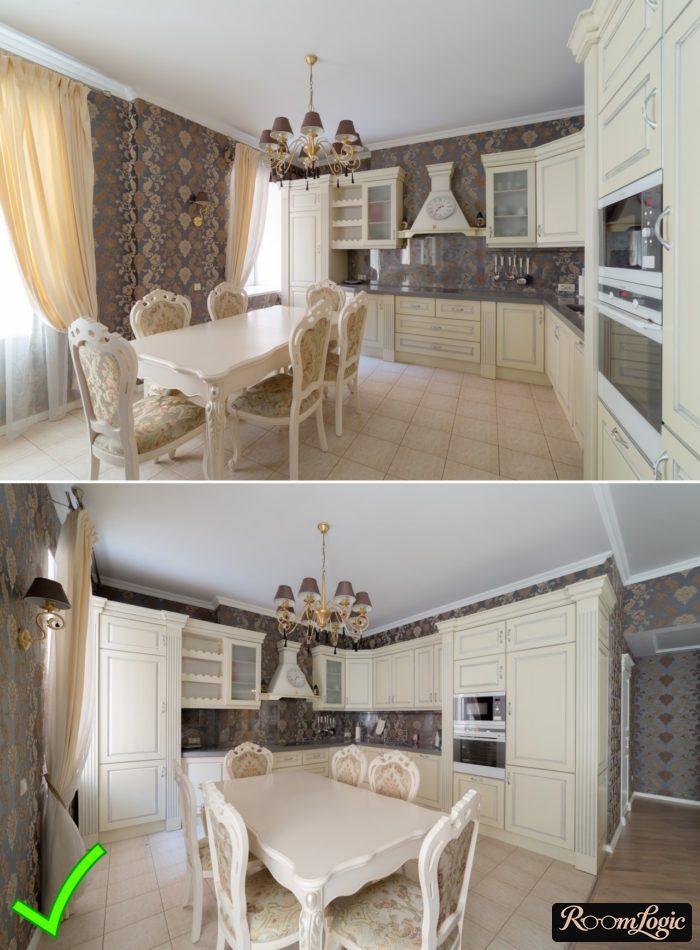
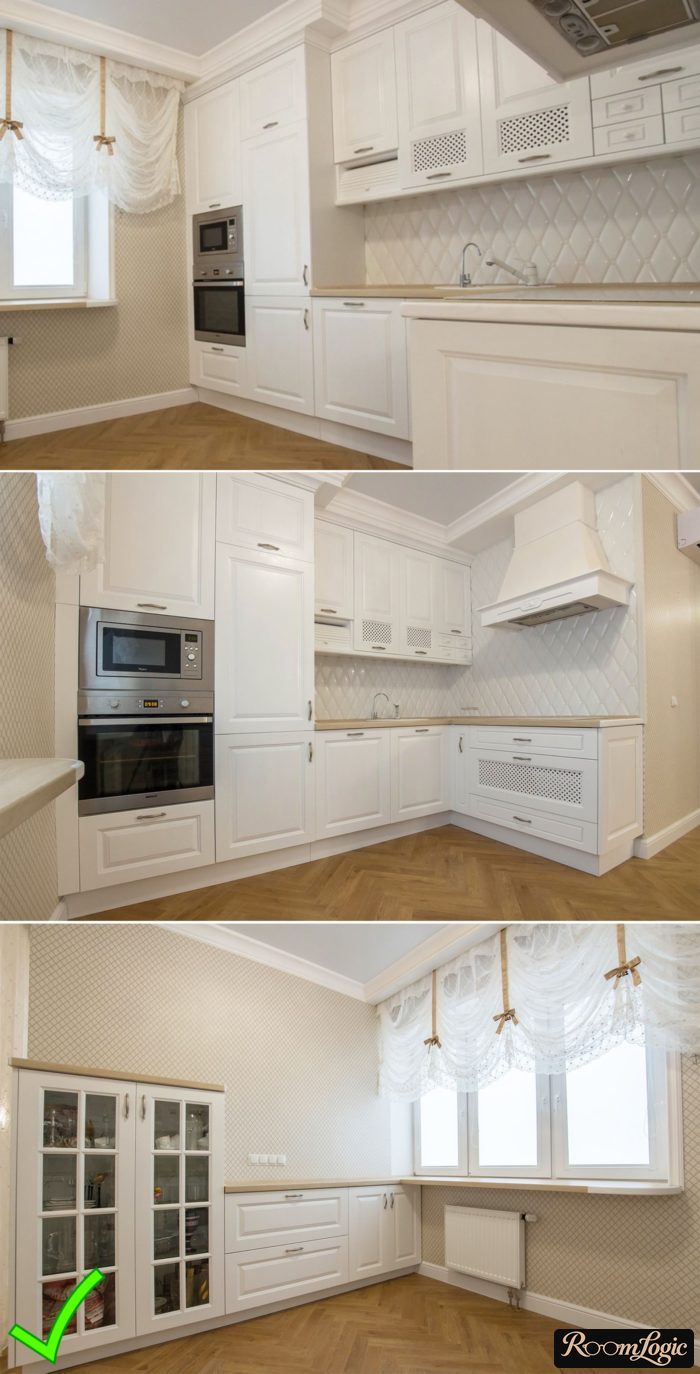
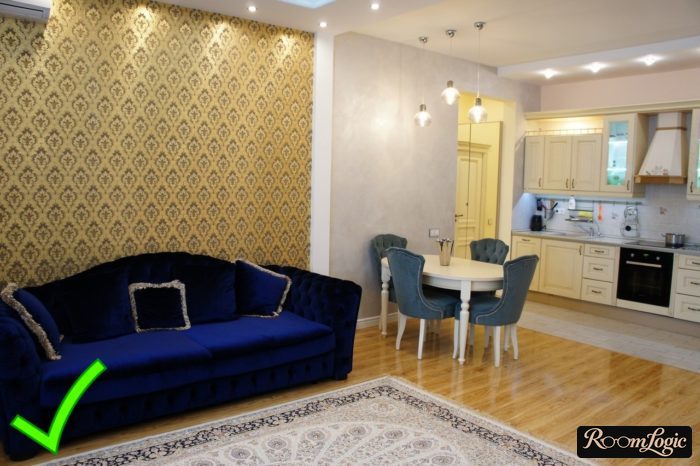
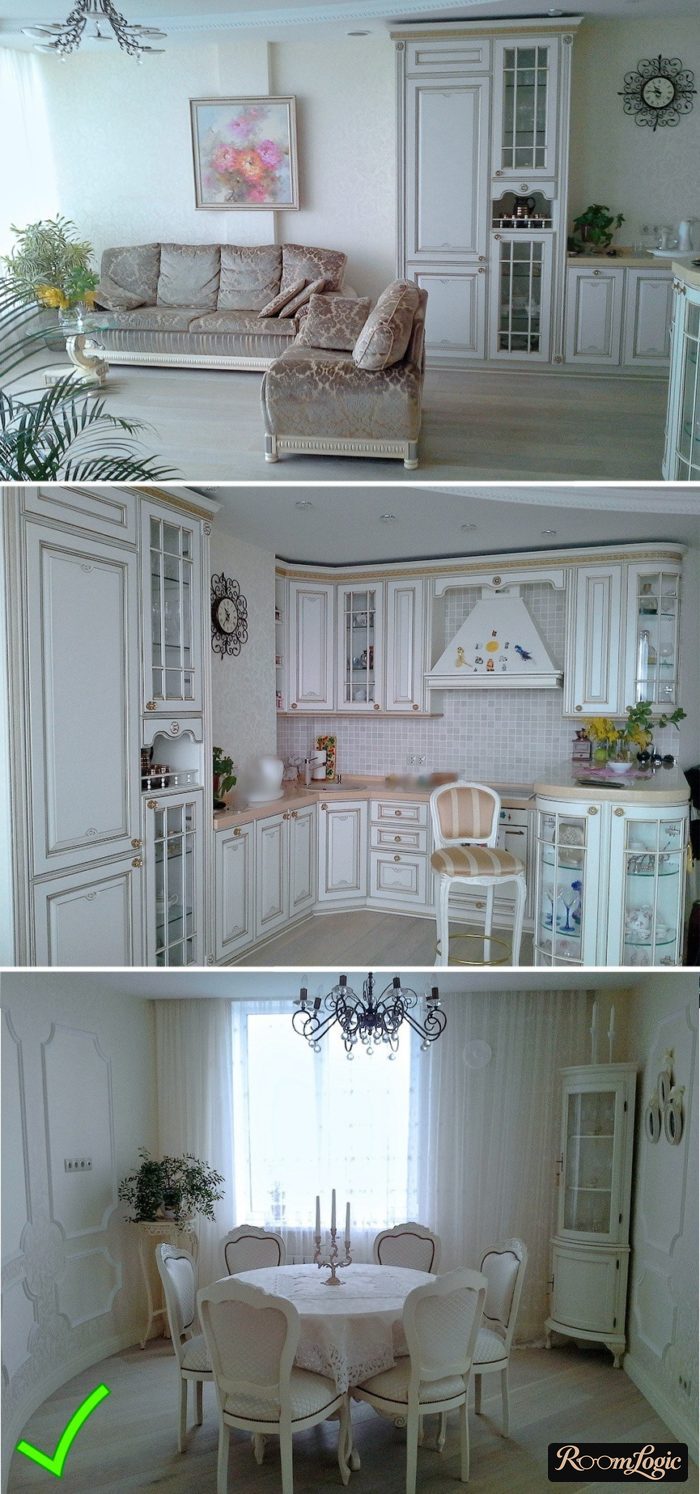
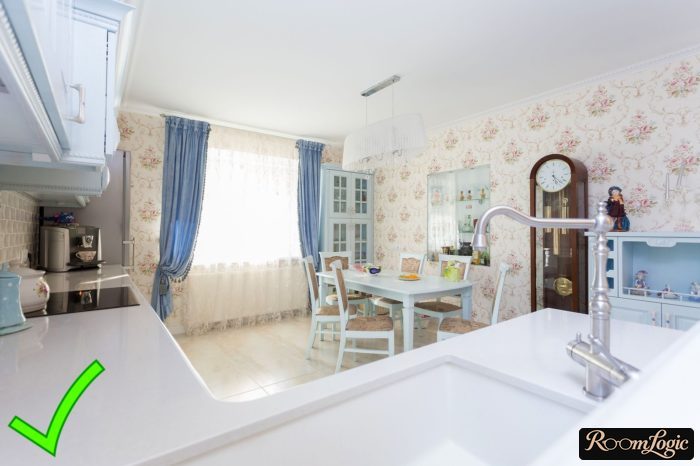
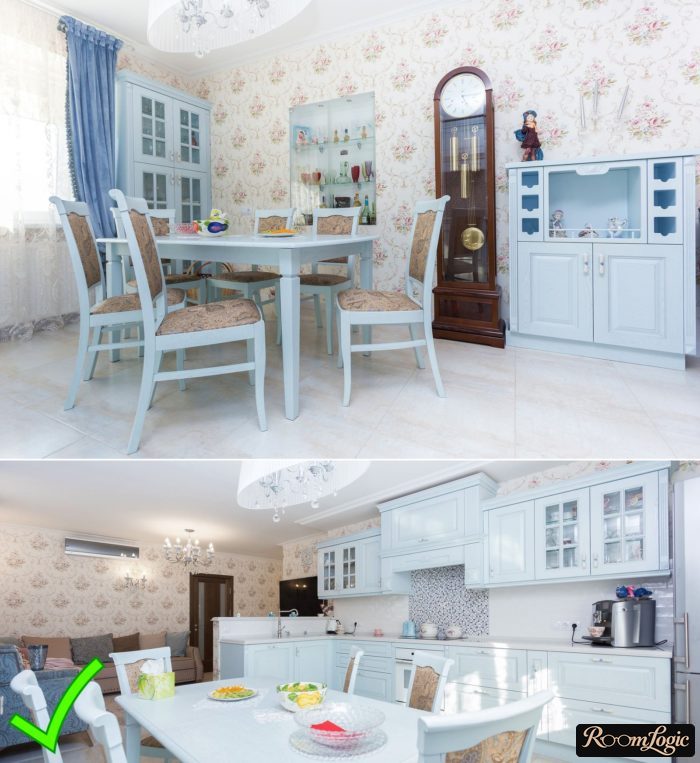
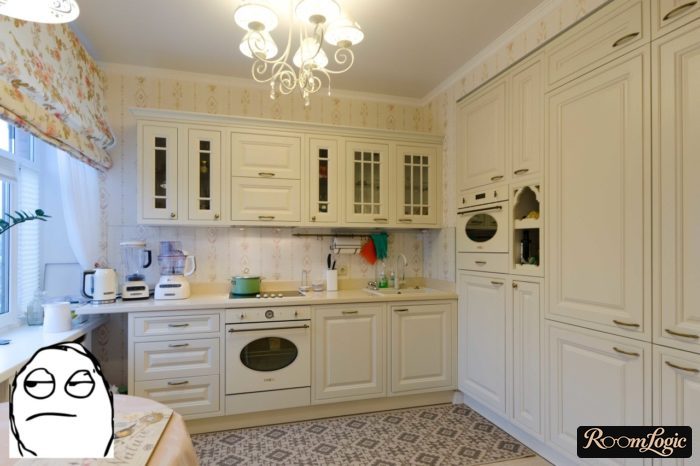
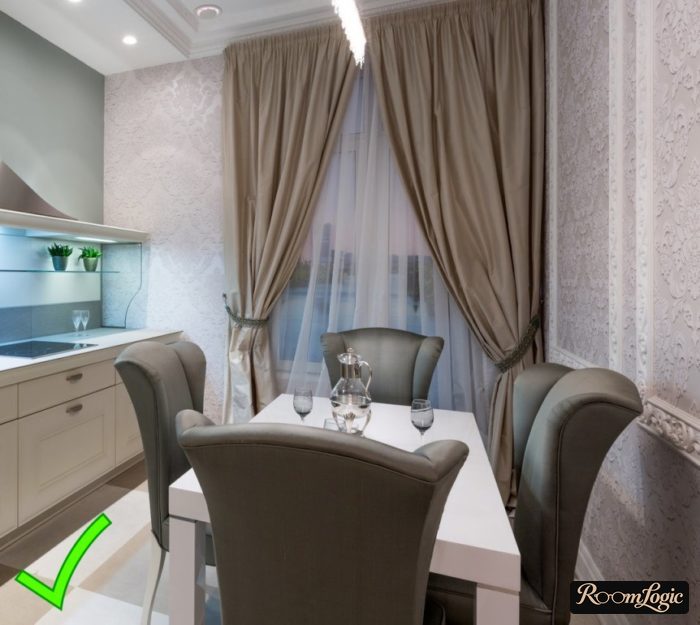
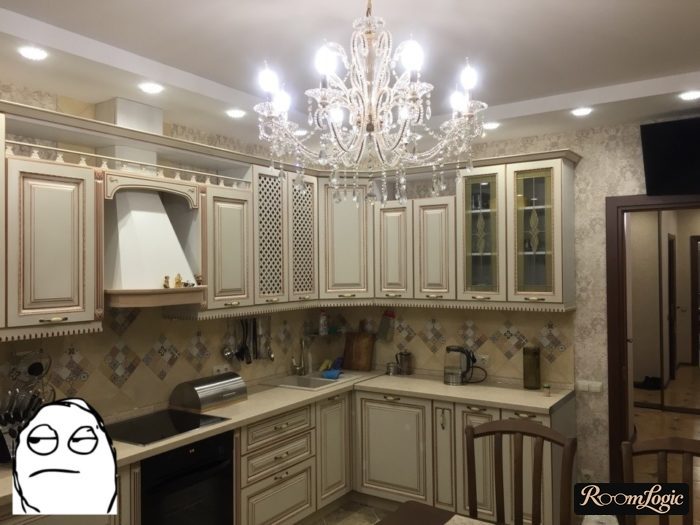
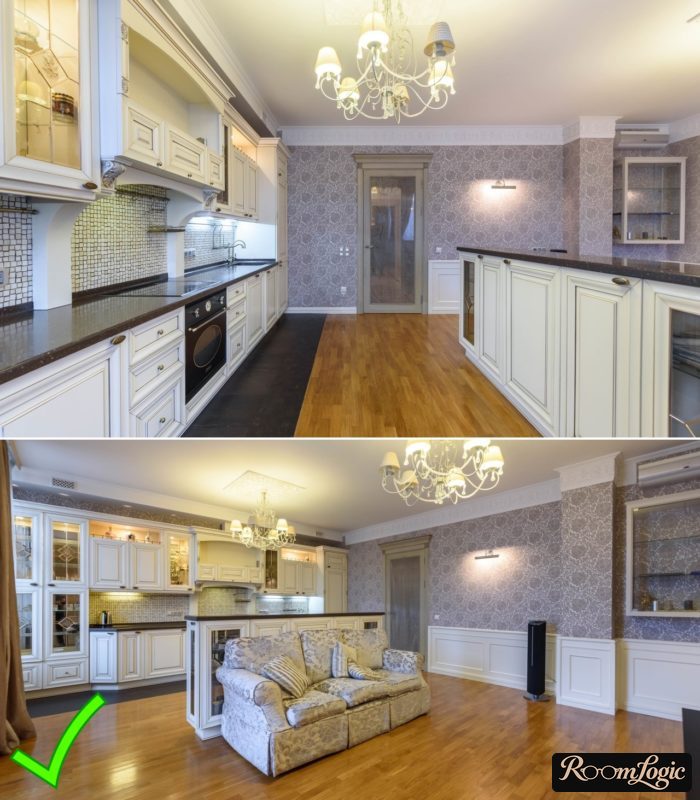
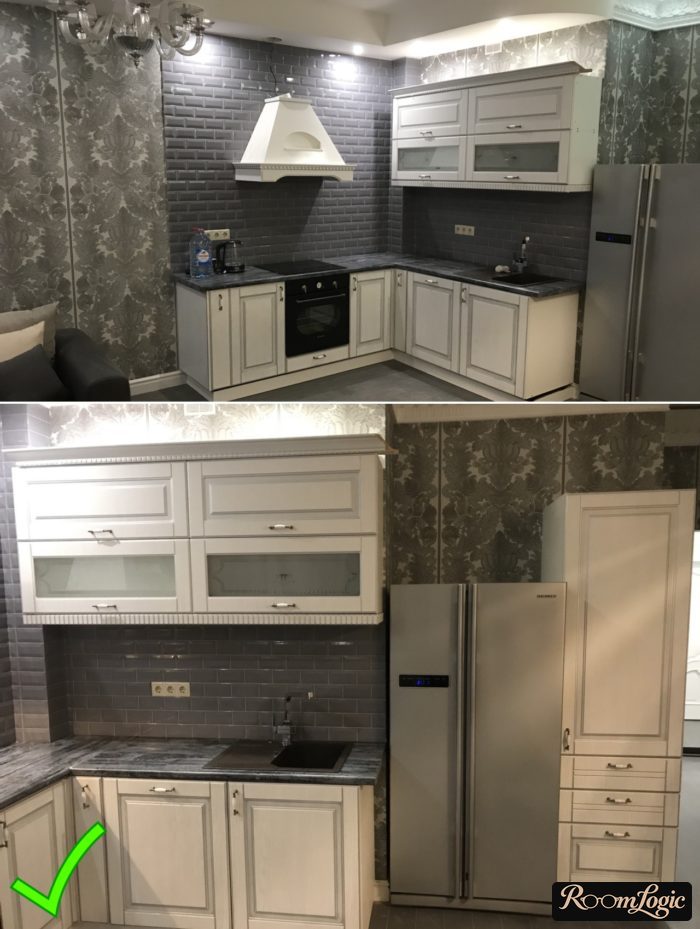
The most common mistake is finishing several kitchen walls with contrasting patterned accent wallpaper, especially when the interior already has many details.
Read about the 7 rules for combining wallpaper in general and separately in a bedroom.
3. Striped and Checked
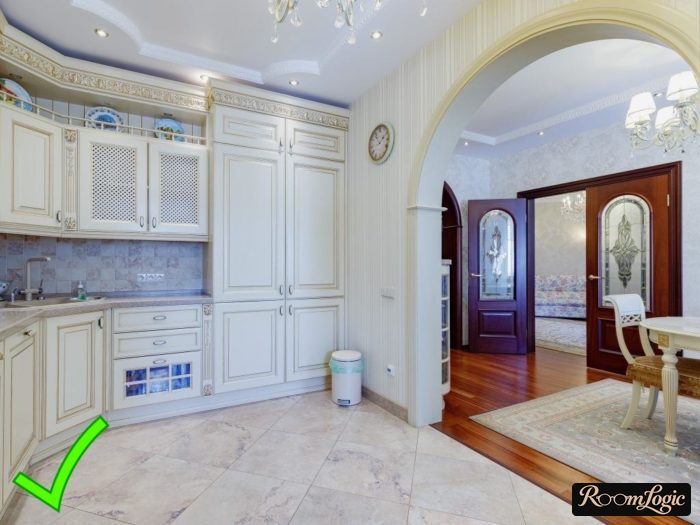
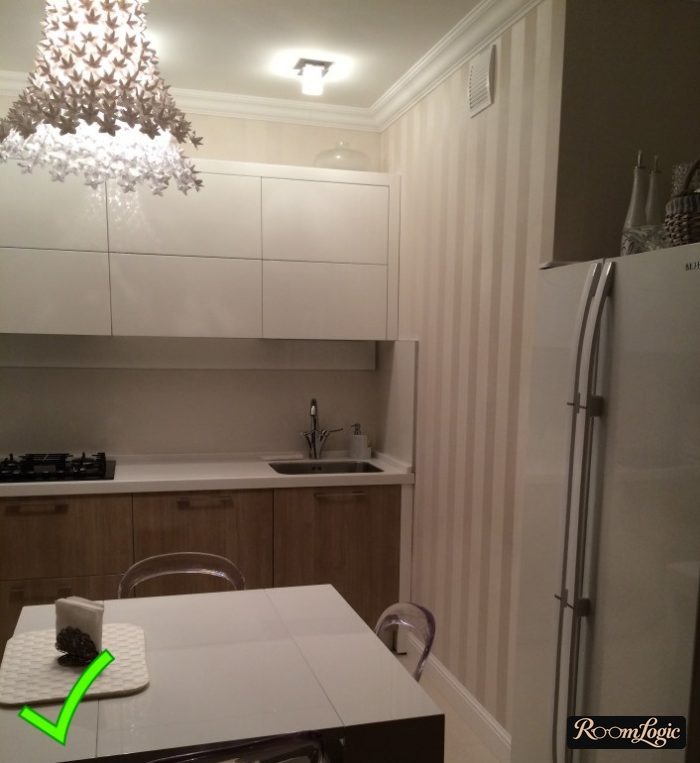
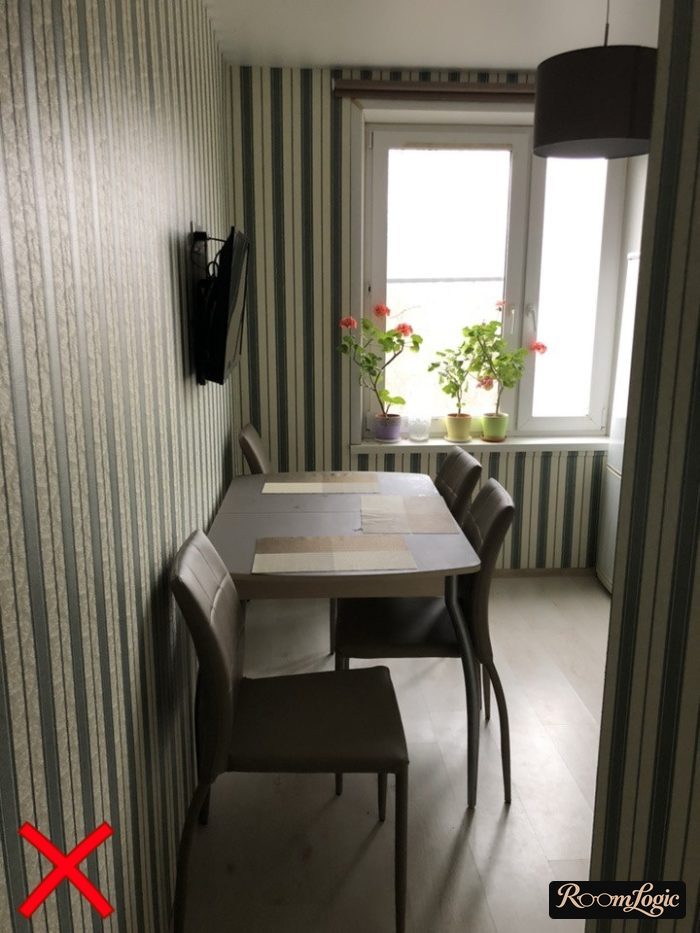
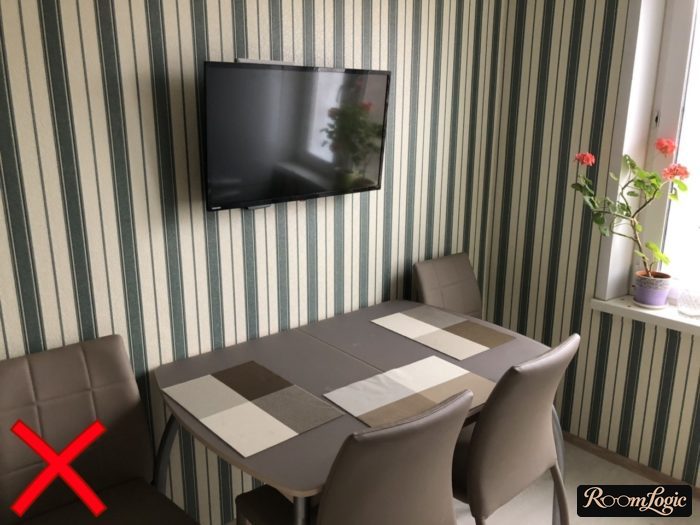
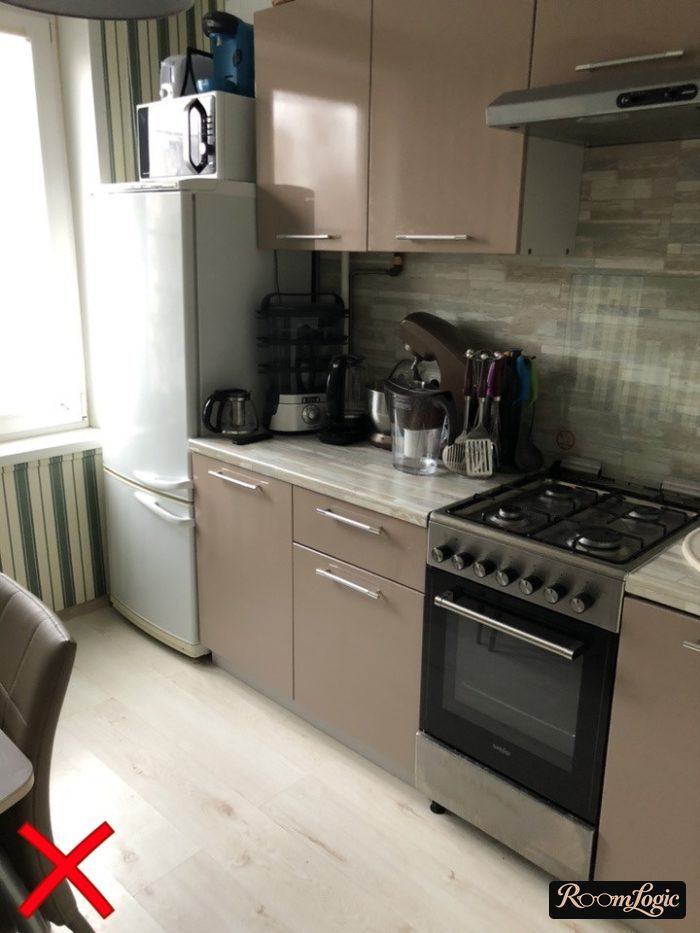
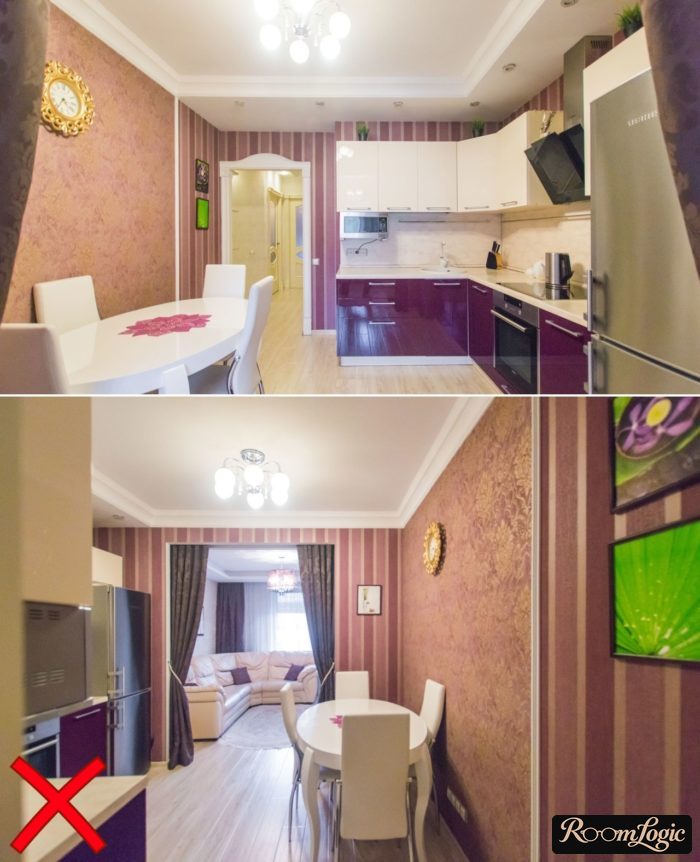
Wallpaper with vertical stripes (in a low-contrast version) and checks (any kind) works in kitchens with variations of modern traditional and neoclassical design.
A somewhat conservative option, but you will not make a mistake.
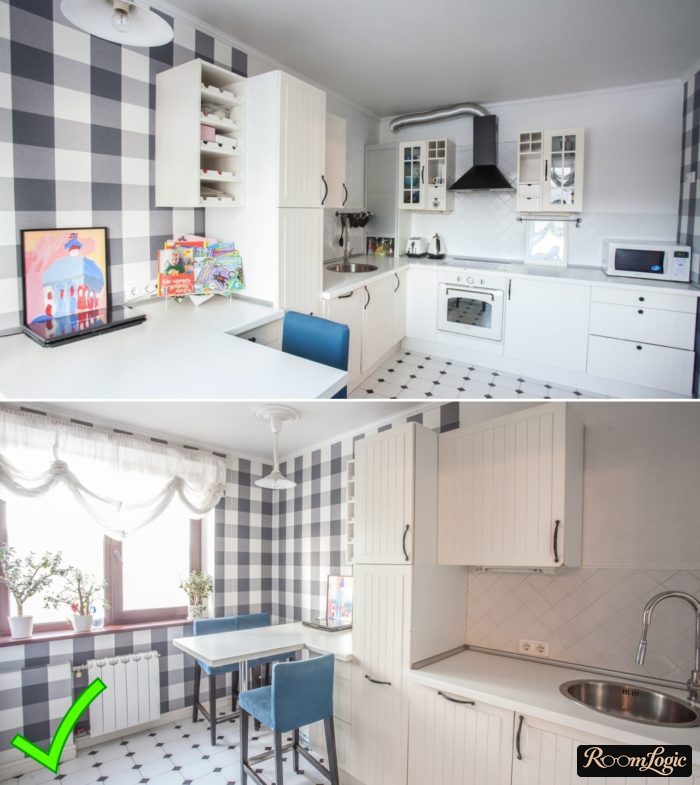
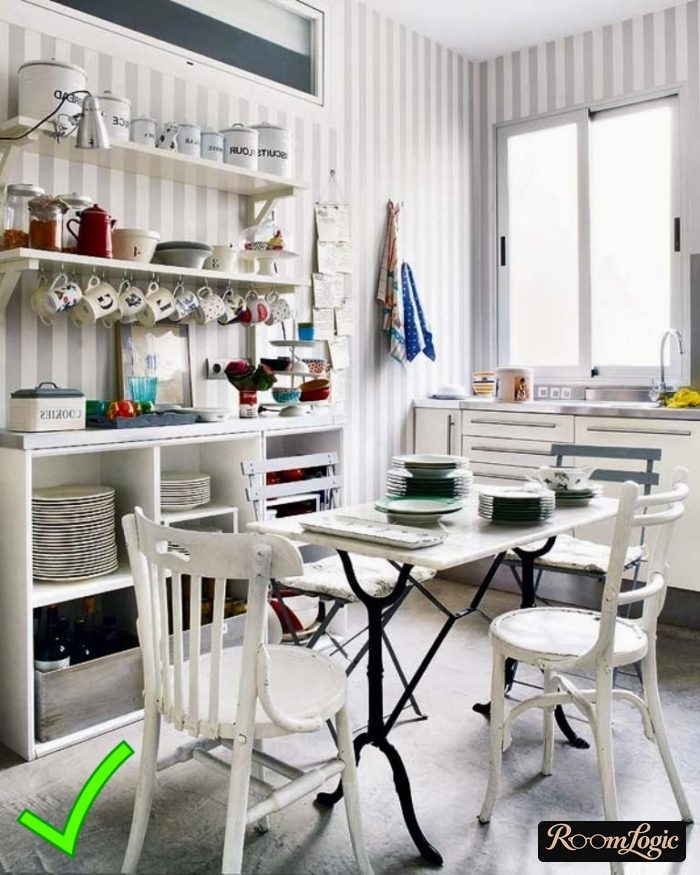
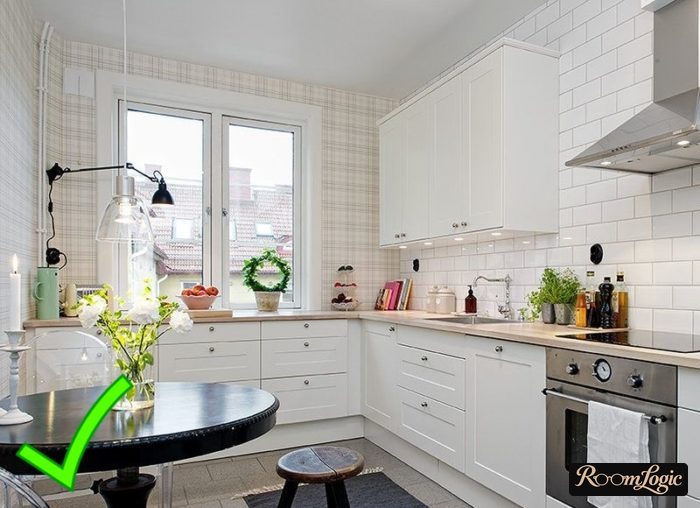
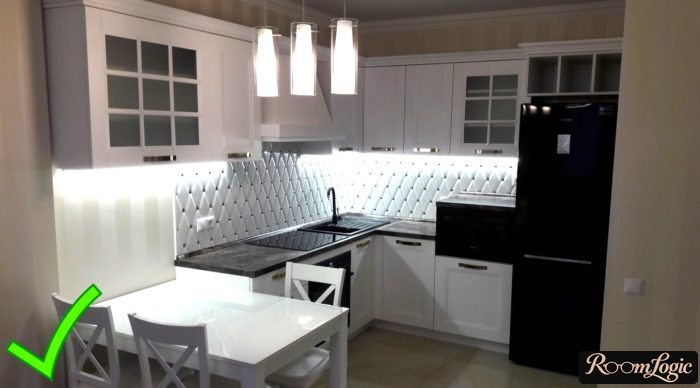
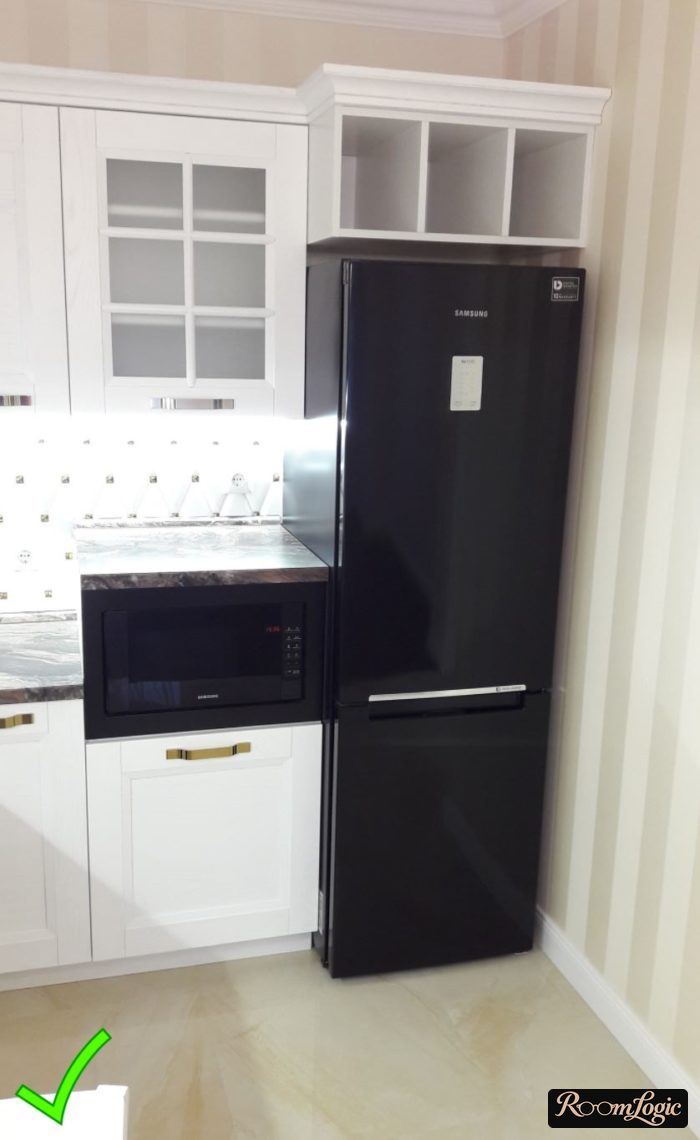
A contrasting stripe is very hard to fit into an interior, and I strongly advise against taking the risk.
4. Silkscreen
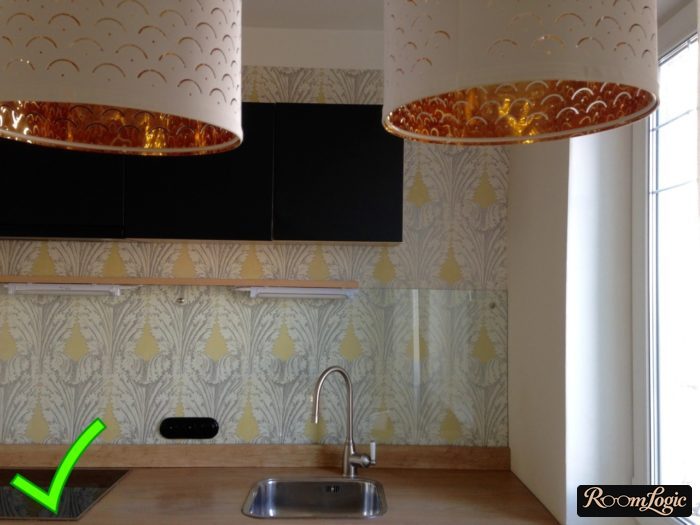
Silver and gold threads woven in for a characteristic shine are 1 more unique feature that cannot be achieved any other way.
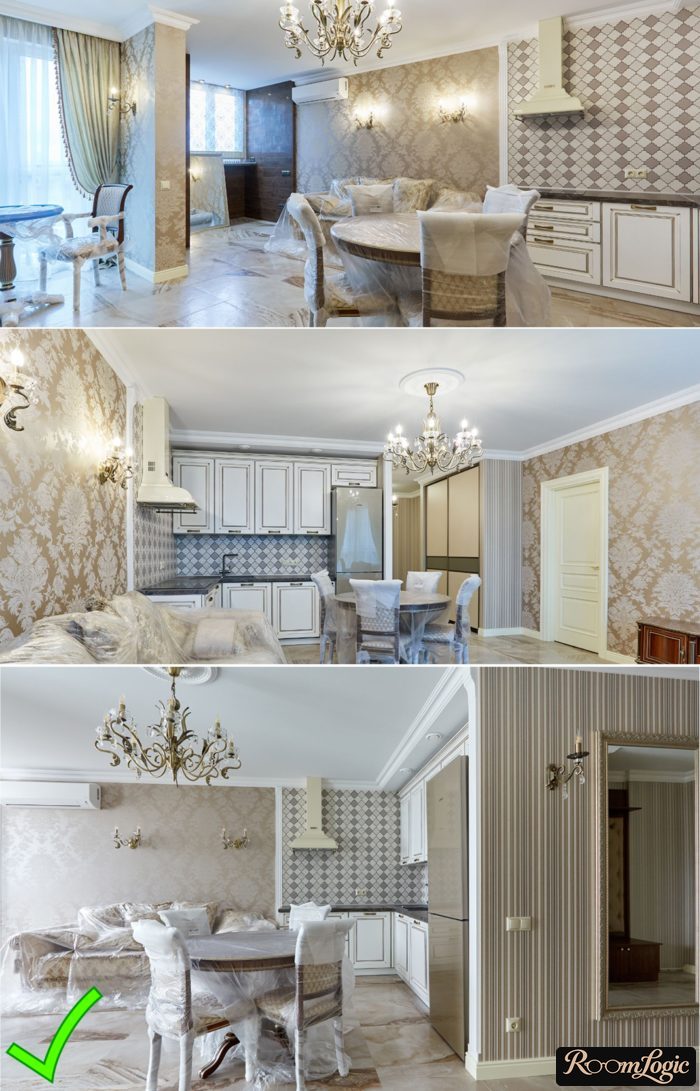
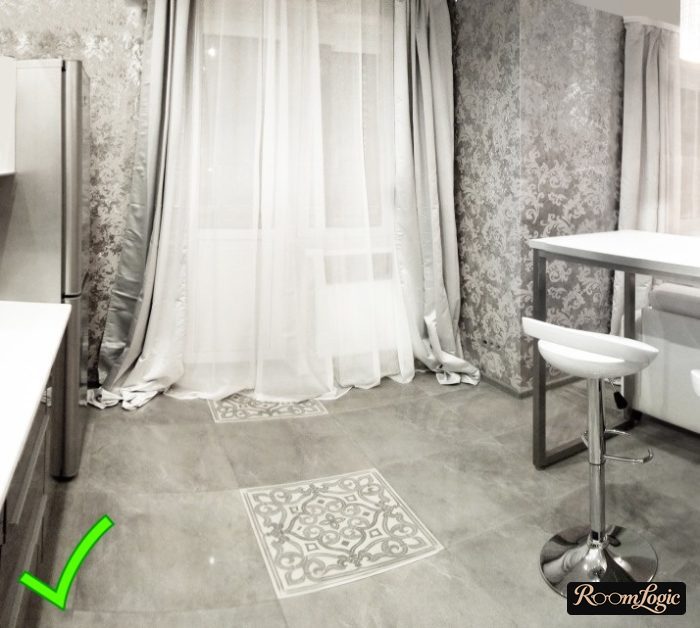
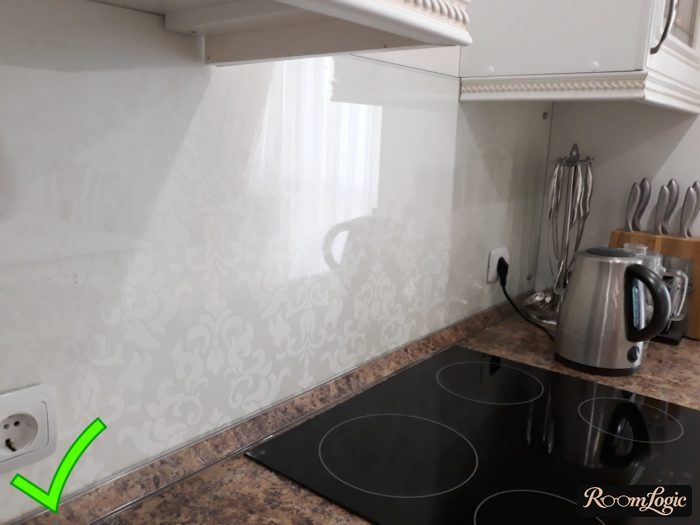
Silkscreen wallpaper can be used in small areas in modern kitchens, for example beneath glass on the backsplash. But it is used more often in Art Deco and traditional styles.
5. Solid Color
Most options from the previous 4 sections are accents and do not work in small kitchens.
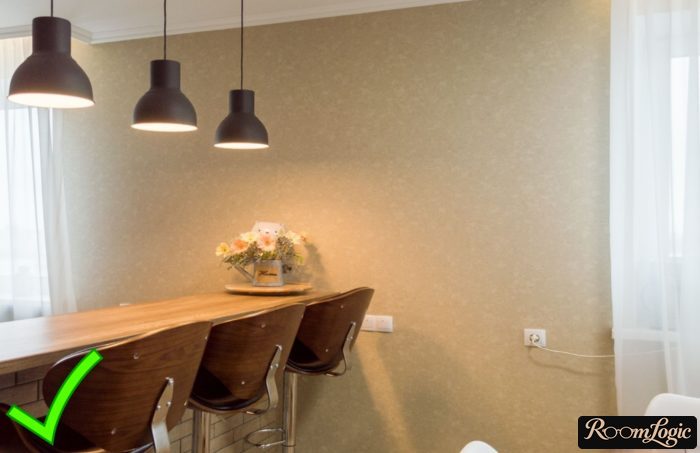
In real conditions, modern solid-color wallpaper works best for a small kitchen. It can have an unobtrusive texture and some color variation that cannot be seen from a couple of steps away. In real photos, it is not always possible to distinguish it from paint.
Read the article about remodeling a tiny square kitchen.
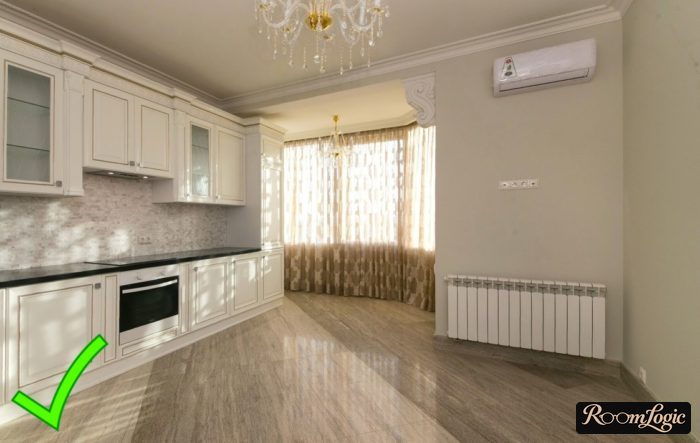
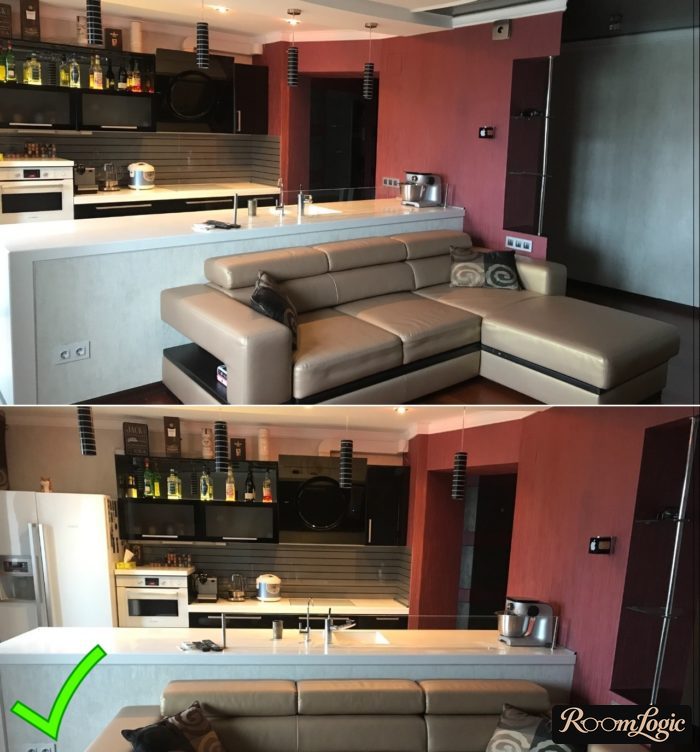
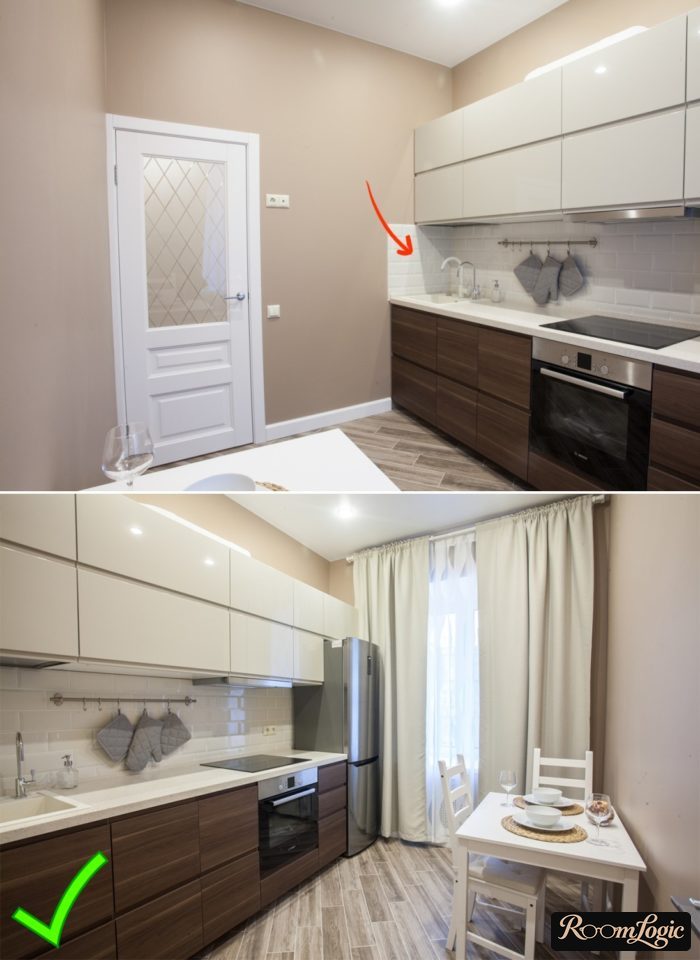
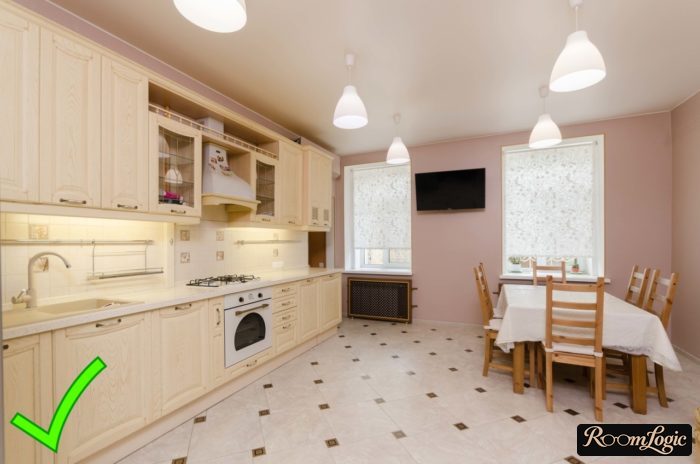
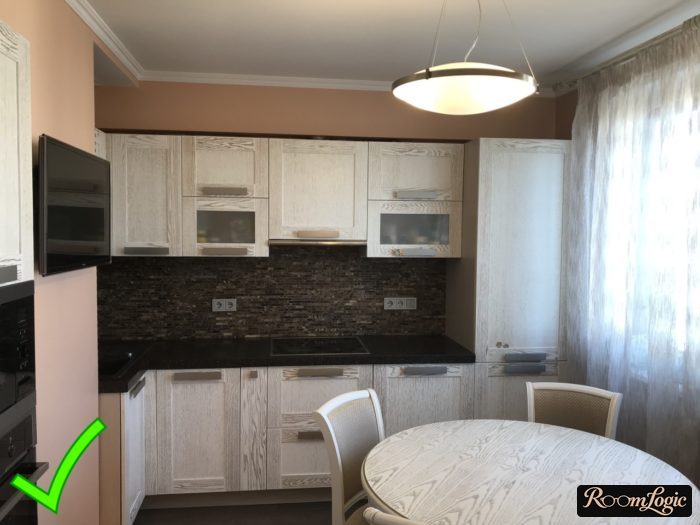
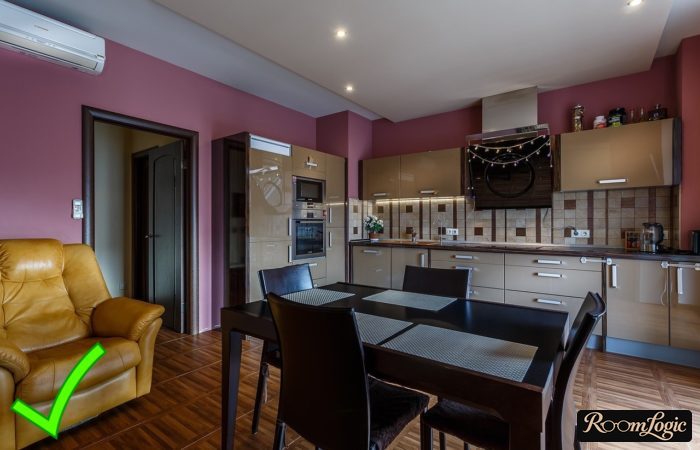
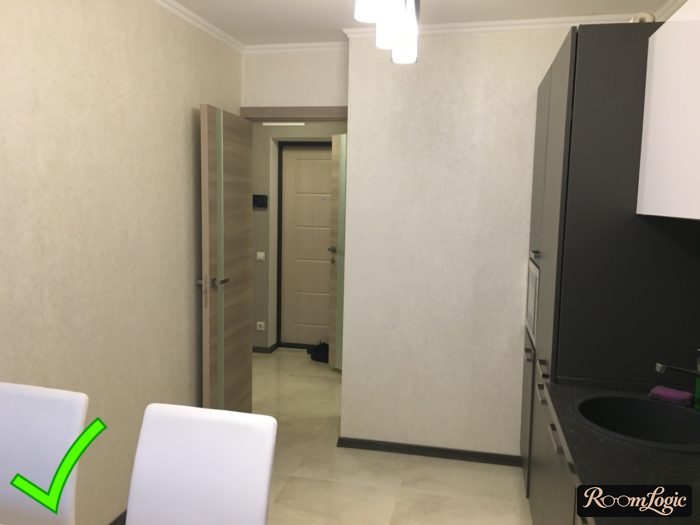
Advantages:
- Paint is difficult to tint for complicated colors such as dark blue, light blue, brown, yellow, turquoise, and so on, and you still have to make test patches on every wall. Wallpaper gives you a known color in advance without surprises.
- Dark paint is impractical. Because the joint compound underneath is white, every scratch and chip stands out. Plus, there is a “writing effect,” where marks remain even from clean hands touching it. Dark wallpaper has none of these drawbacks.
- If we ignore moisture resistance (the last section covers that), people are more likely to bump walls, while animals scratch them. So if you live without pets, the chance of damaging paint is greater.
- Wallpaper in a kitchen is simply cheaper, at least because the preparation is easier (the wall does not need to be leveled perfectly).
An important note right away:
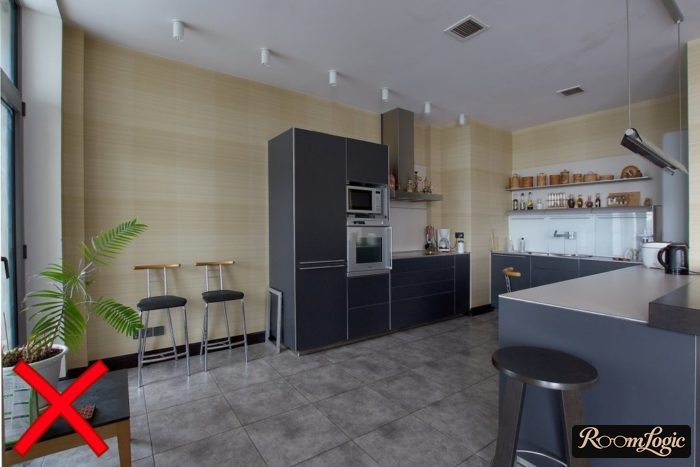
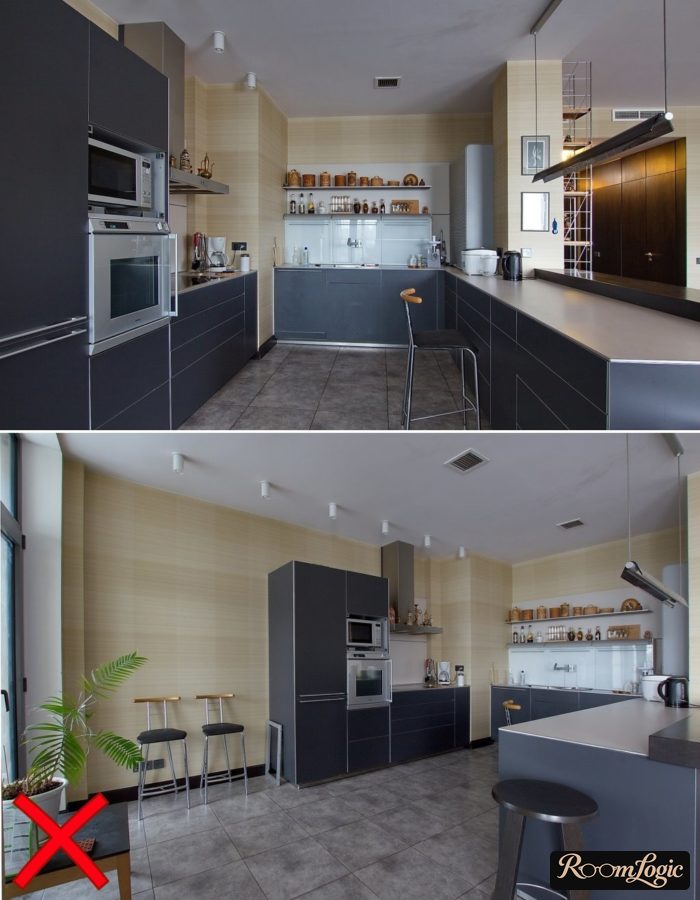
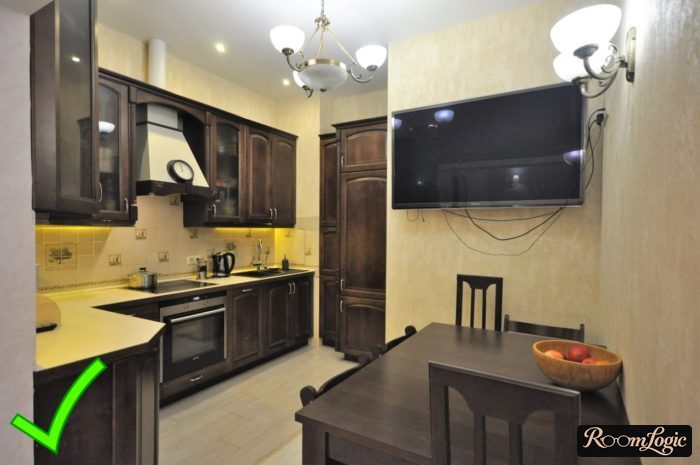
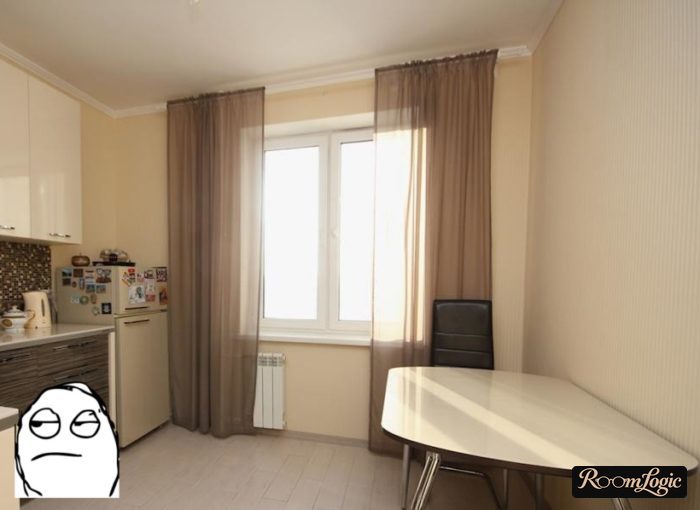
For a reason I do not understand, the most popular wallpaper color is pale yellow (apricot or peach). To my taste, it is a dreary, boring color that should be avoided.
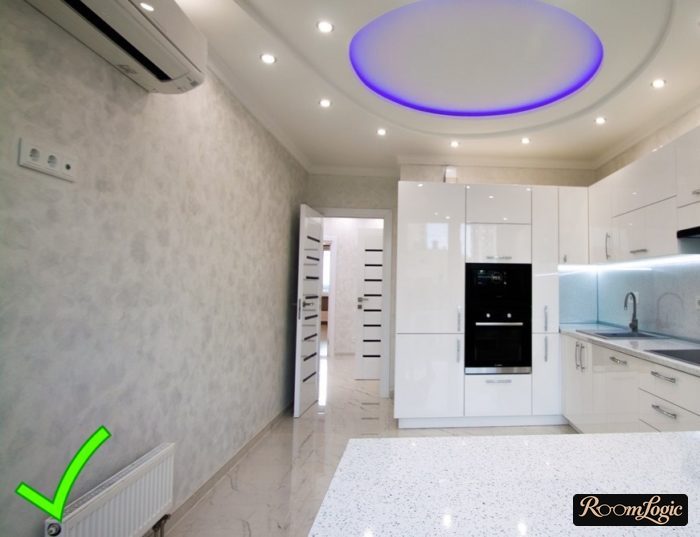
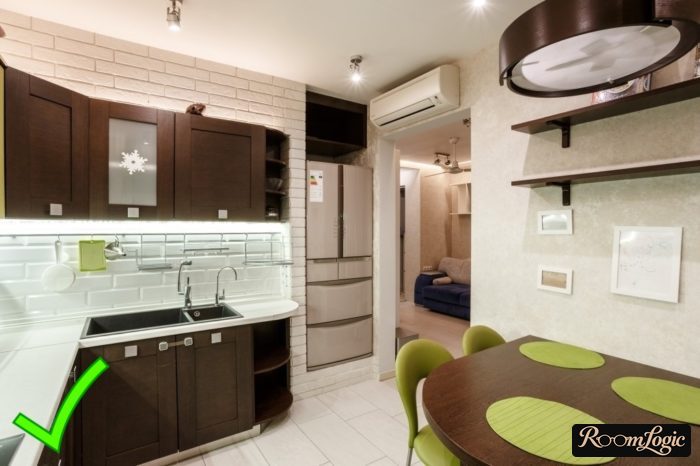
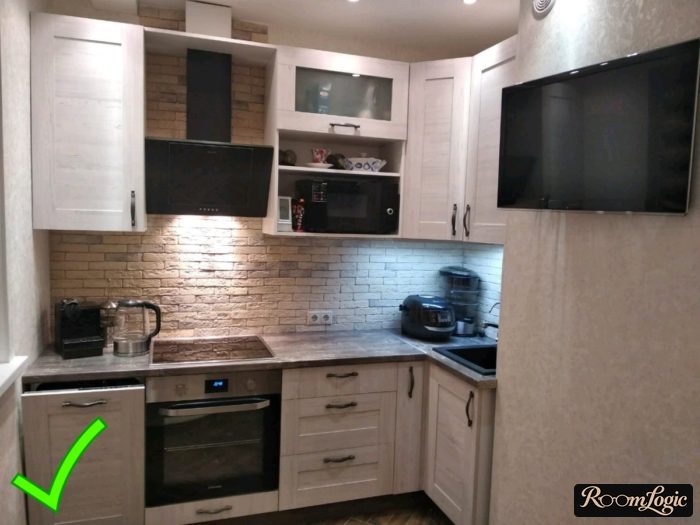
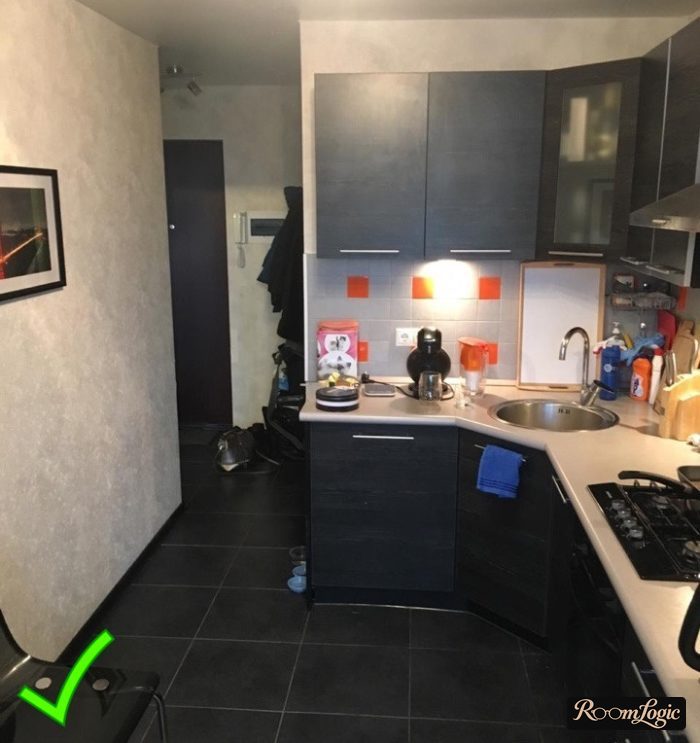
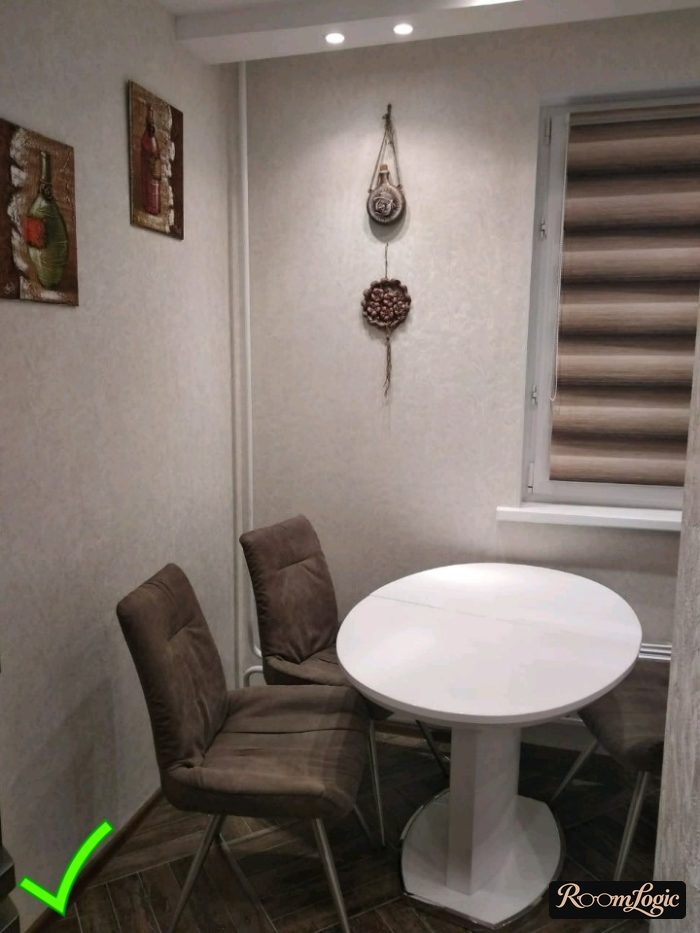
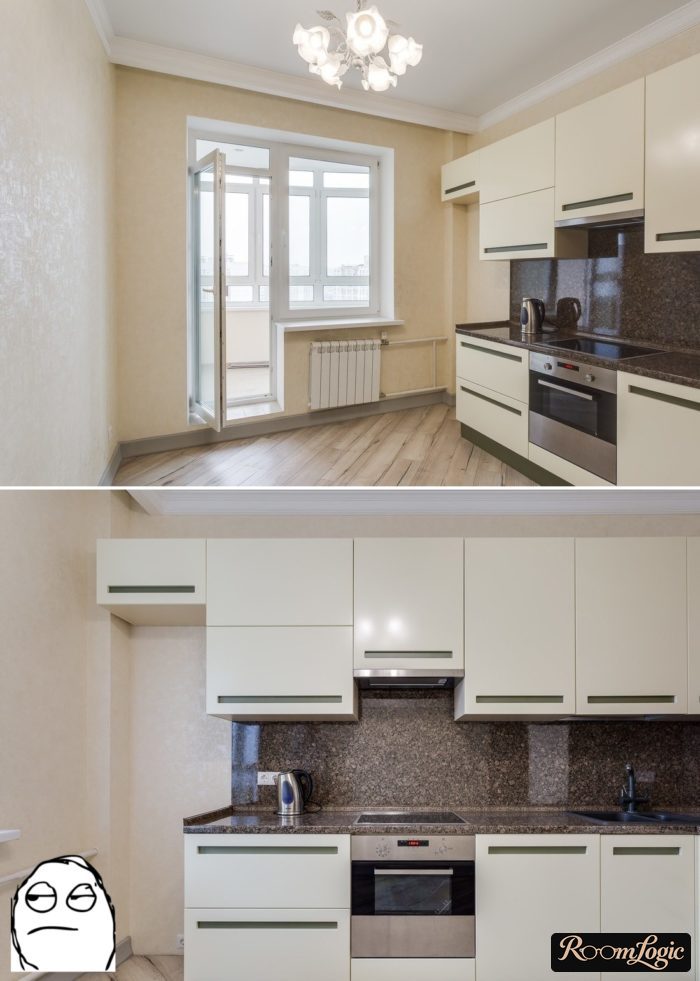
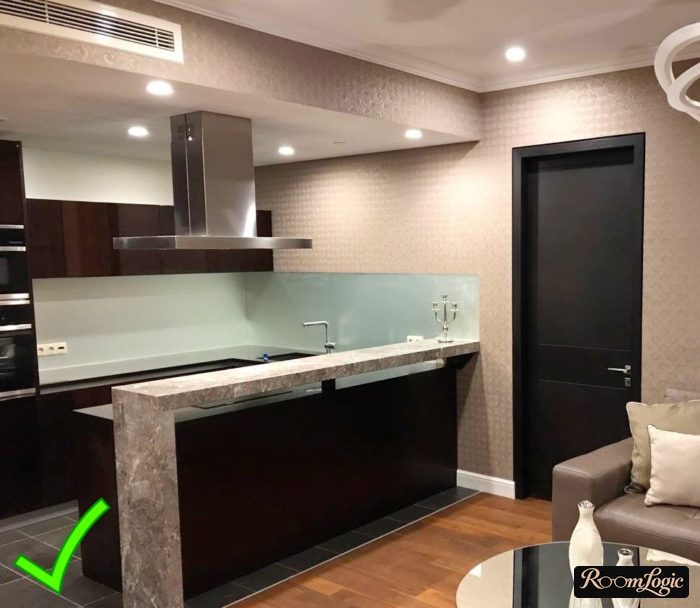
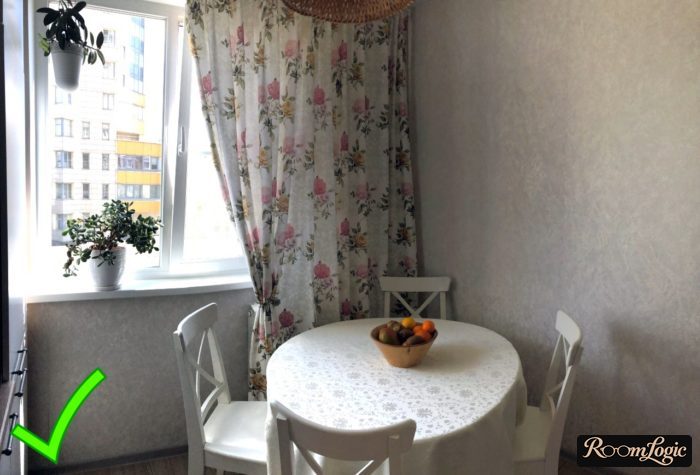
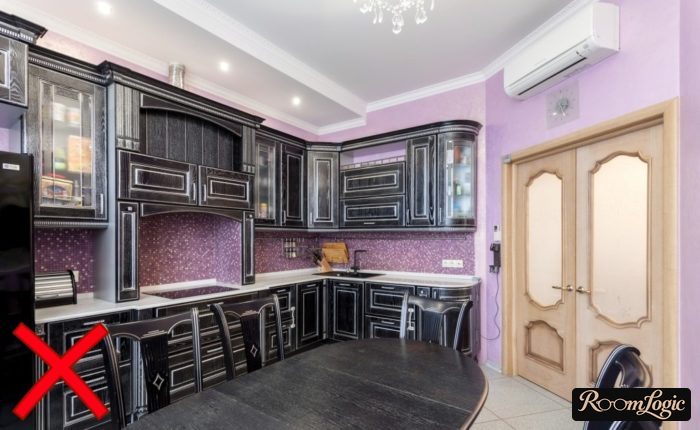
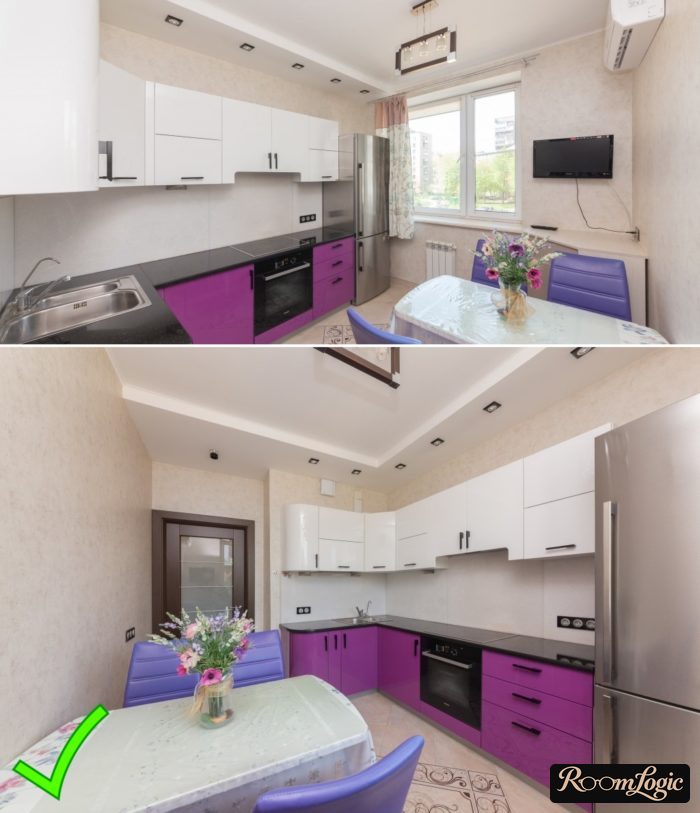
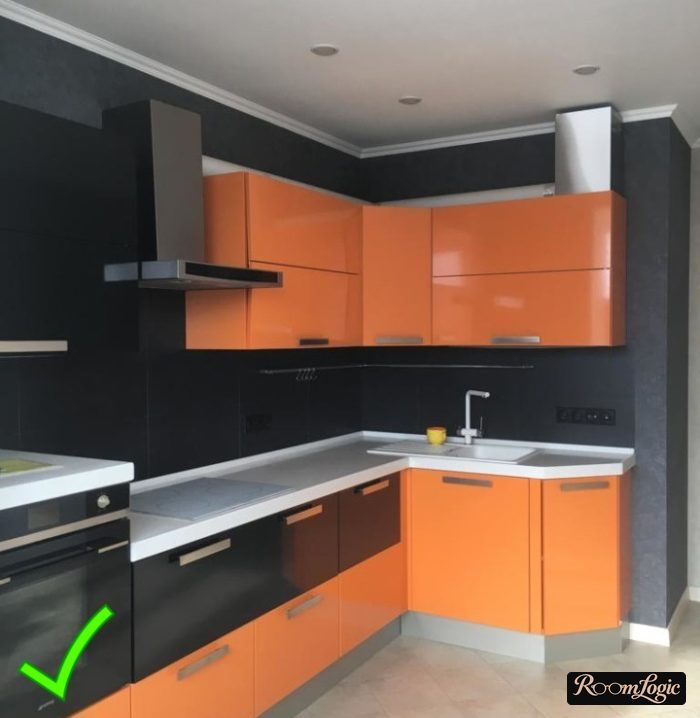
Wallpaper for a White Kitchen
White kitchen cabinets are deservedly used most often, and this is exactly the furniture color I recommend: white kitchen with wood countertops.
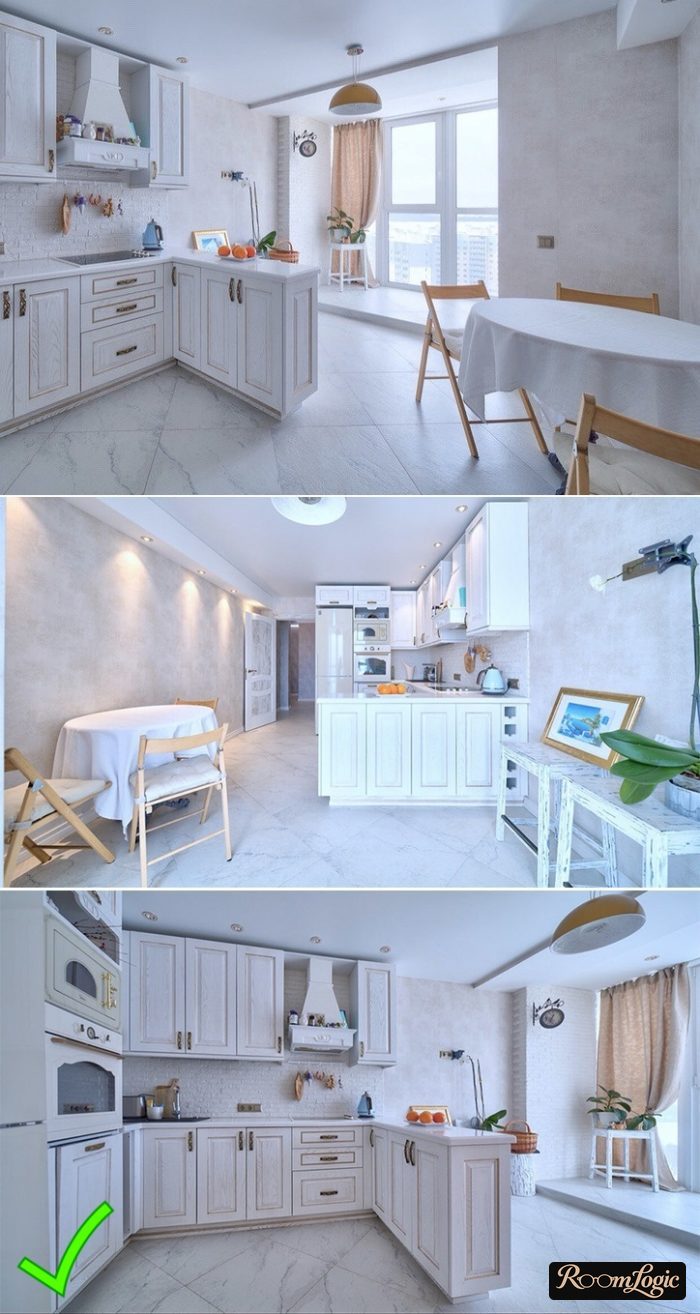
White, beige, and other pale colors look dreary beside white and especially glossy cabinet fronts.
Darker wallpaper options work with a white kitchen for contrast:
- Gray, dark gray, and black.
- Cocoa brown.
- Bright colors: green, yellow, light blue, turquoise, provided the rest of the interior is not overloaded.
- Accent options from the first two sections of the article.
When choosing a wallpaper color, always look at the size of the kitchen: the smaller it is, the more you should lean toward calm colors.
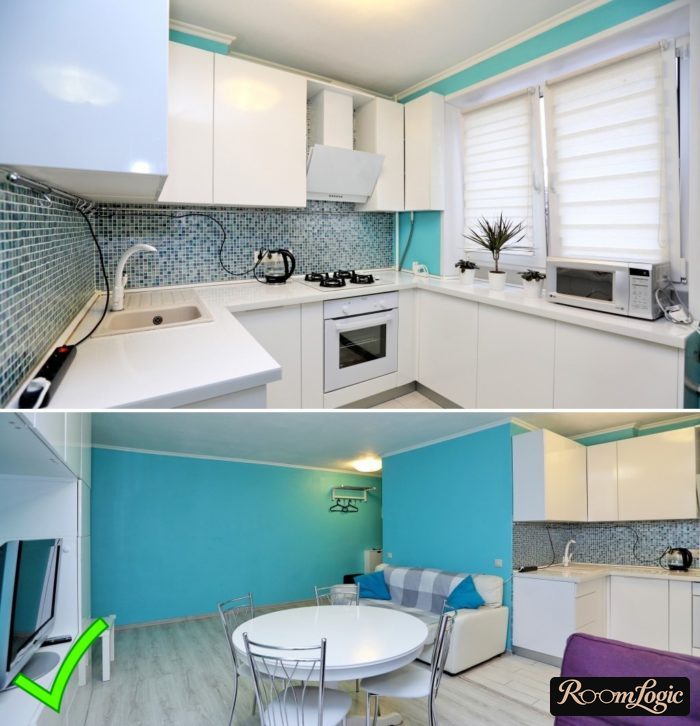
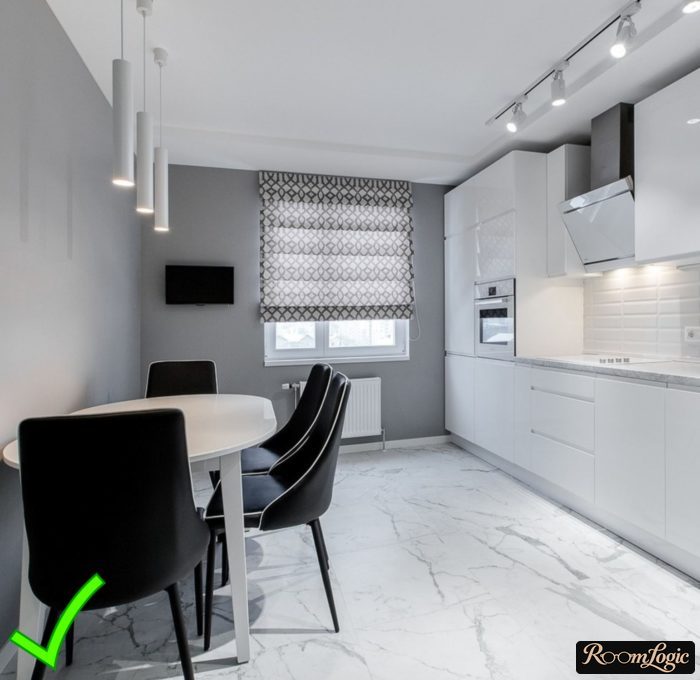
For example, it is obvious that a red kitchen needs neutral wallpaper, or you will get a mess.
I Do Not Recommend
An entire category of wallpaper cannot be fitted into a modern kitchen interior no matter how hard you try:
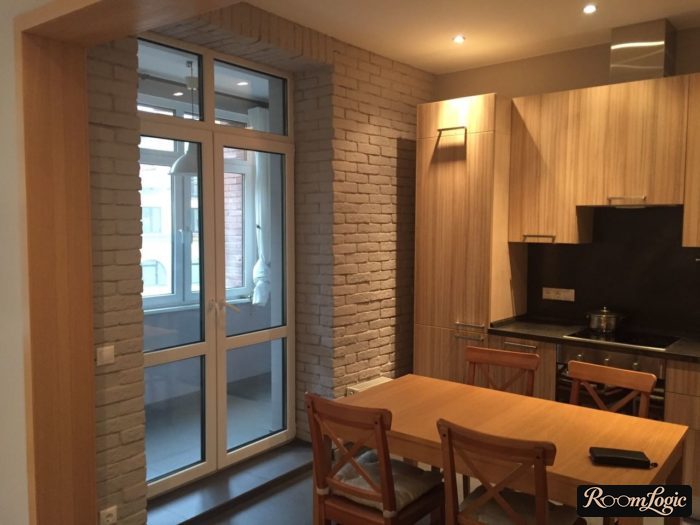
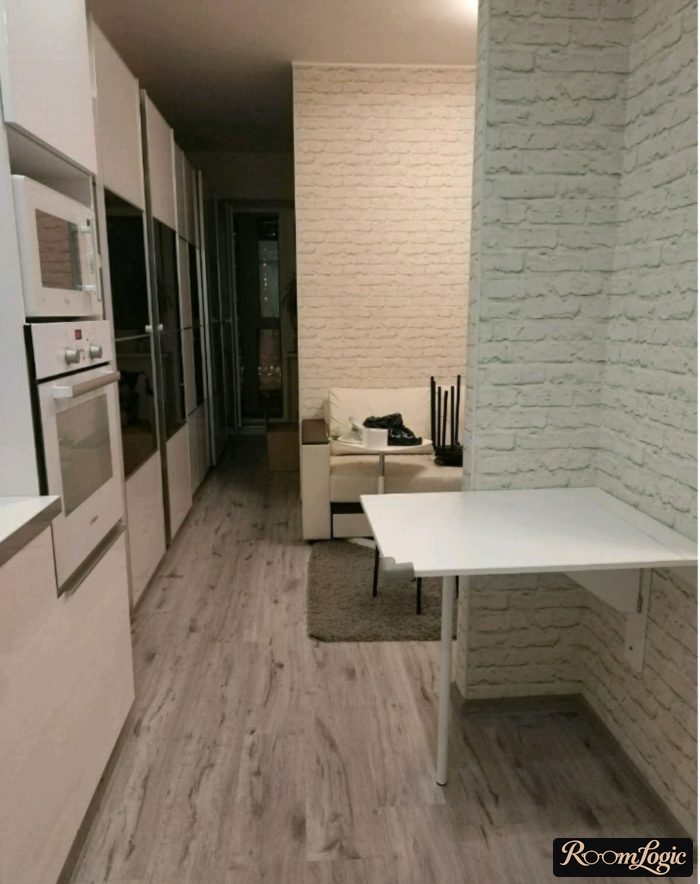
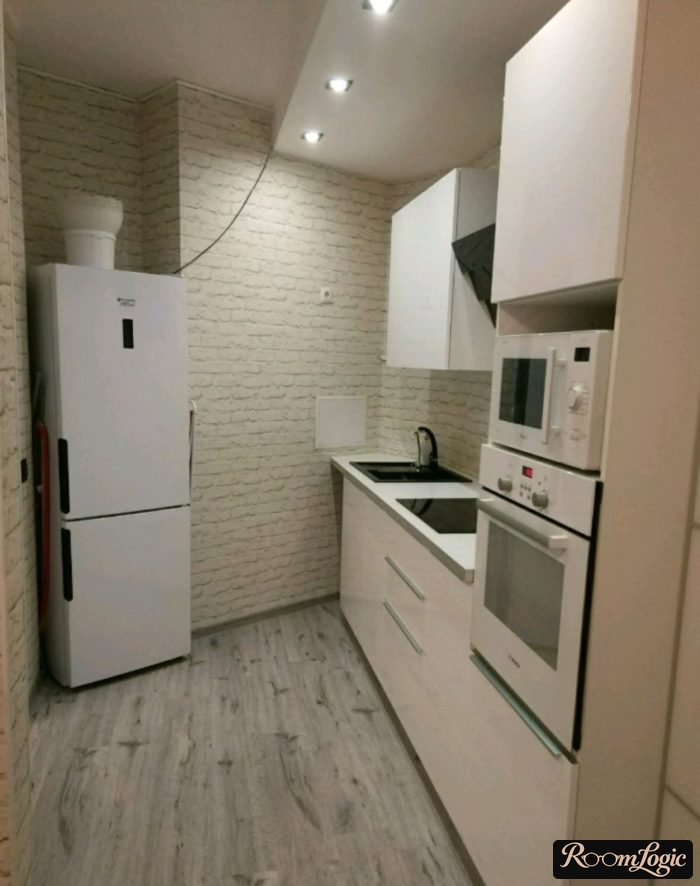
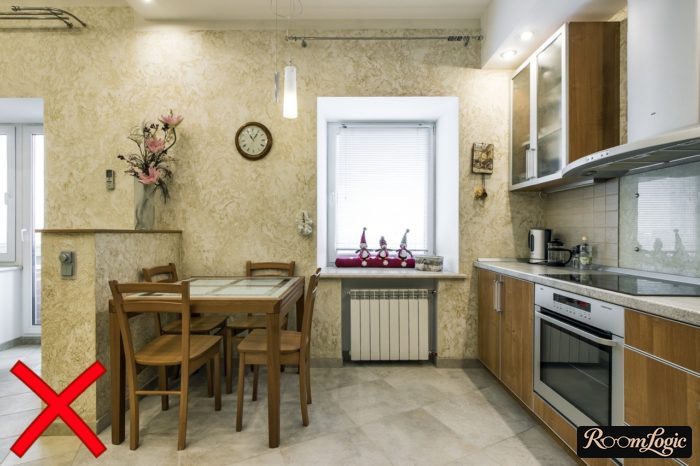
- Imitations of materials that have texture: brick, wood, stone, concrete, cracked plaster, three-dimensional shapes. Sometimes they look normal, but strictly from 1 viewpoint. Change the viewing angle or see them under light, and there is no word for them but ridiculous. A photo comparison is below.
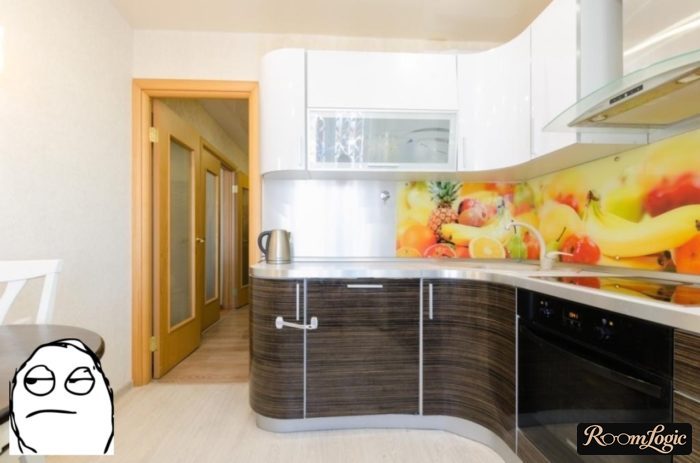
- Nonabstract pictures, with rare exceptions. All those images of buildings, cities, clouds, bicycles, glasses, and words will almost certainly ruin the design.
- Small contrasting stripes imitating who knows what. They were popular in the 2000s; it is better to leave them there.
Even if brick is depicted realistically on wallpaper with all the shadows and depth, the lighting gives everything away in real life. This fake will not fool anyone.
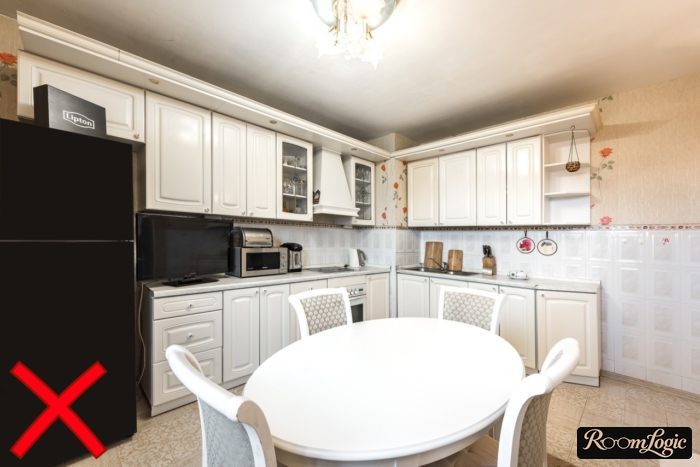
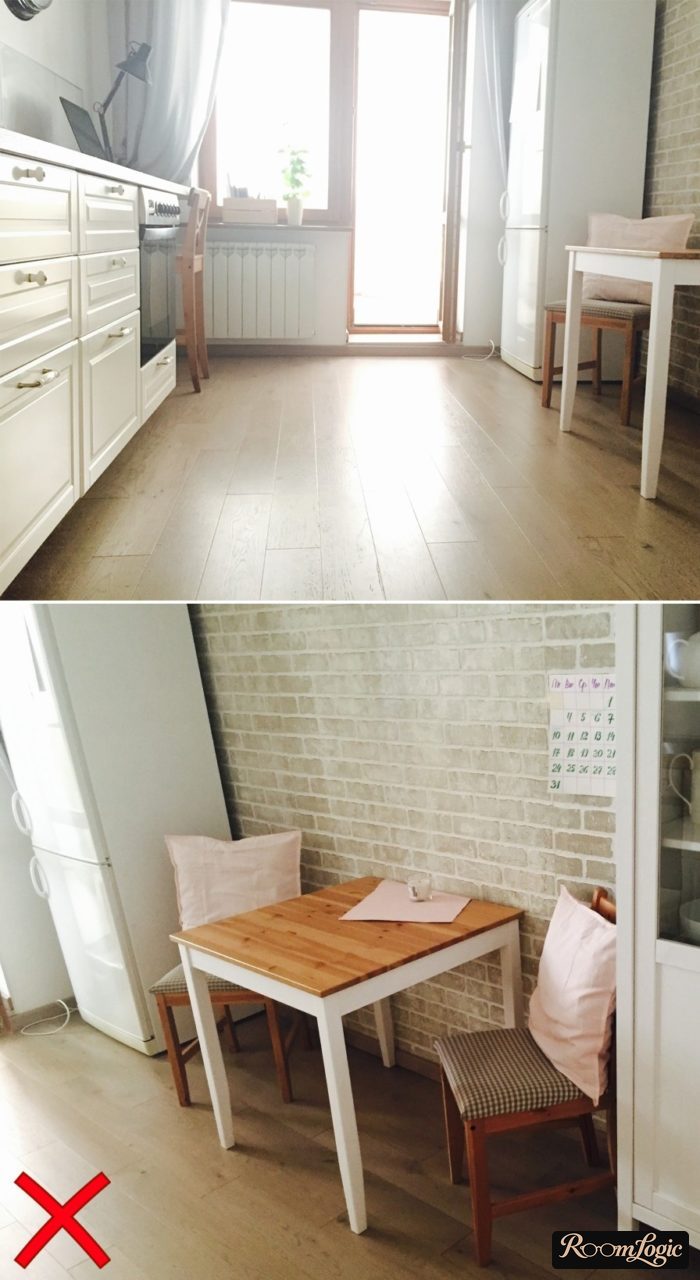
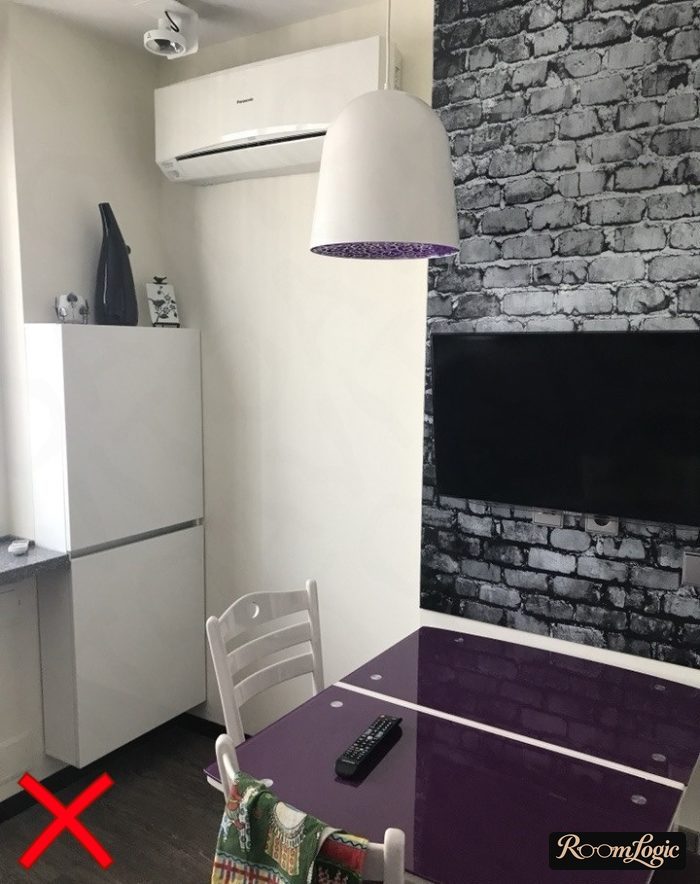
Compare real decorative stone and its imitation in the photo – everything is clear at first glance. It is even worse in person:
Combining Different Wallpapers
Collections usually have 2 types: background (always included) and accent (not always needed).
Collections and Accent Walls
Question: How many open kitchen walls are available for accent wallpaper?
Answer: at most 1, often 0. Let’s count:
- Kitchen cabinets are always placed against the first wall.
- The second has a window, radiator, and curtains.
- The third has a door.
In other words, a typical apartment with a small kitchen does not always have even 1 wall for bright wallpaper. Accordingly, combining patterns is out of the question.
By the way, read about choosing kitchen curtains and hanging curtains in a kitchen with a patio door – those are important accents too.
If an open wall does exist, the layout is unusual, or this is an open-plan kitchen and living room, look at ready-made collections. The combinations are usually chosen fairly well, and the chance of making a mistake is lower than when combining them yourself.
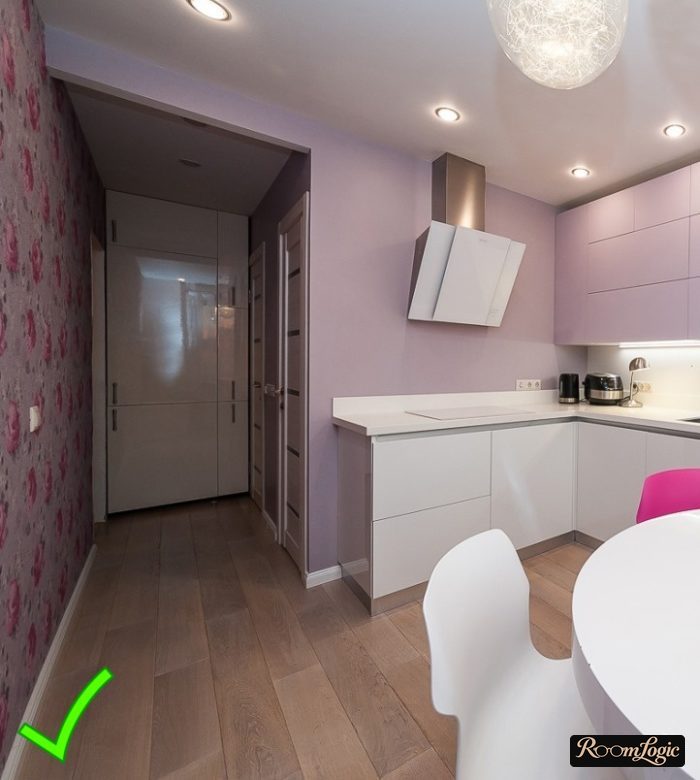
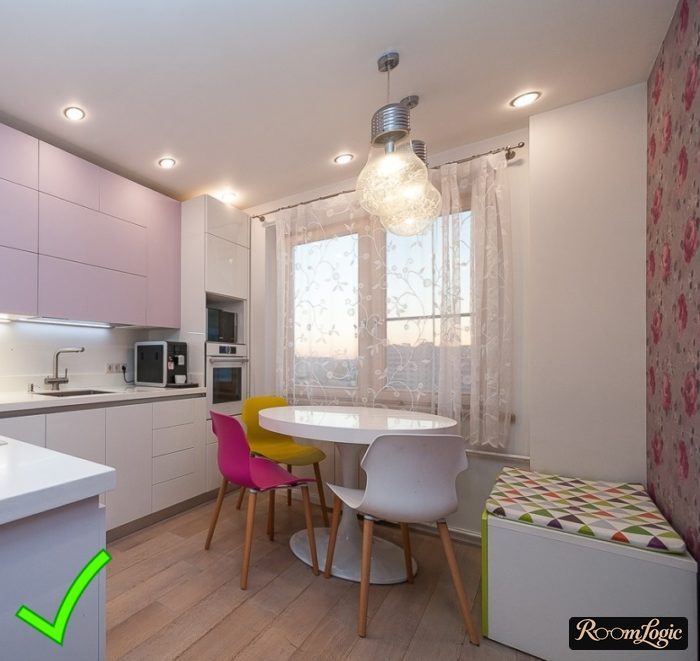
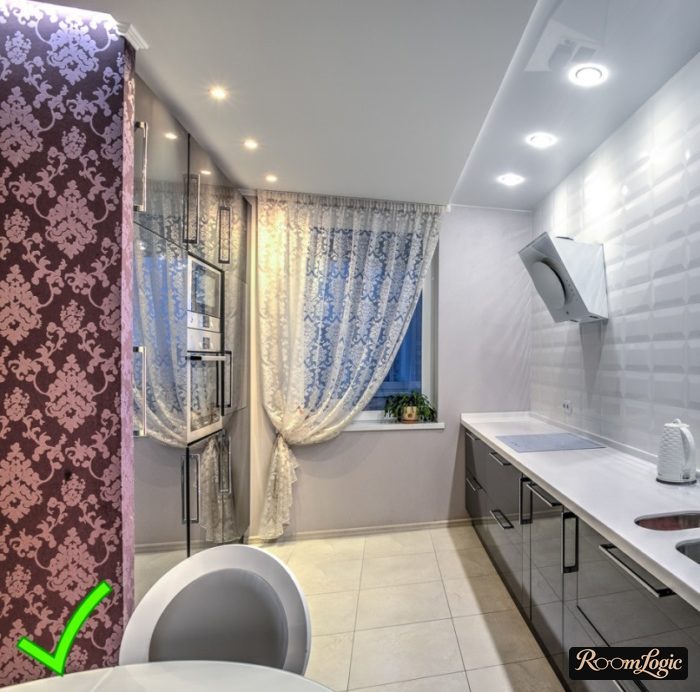
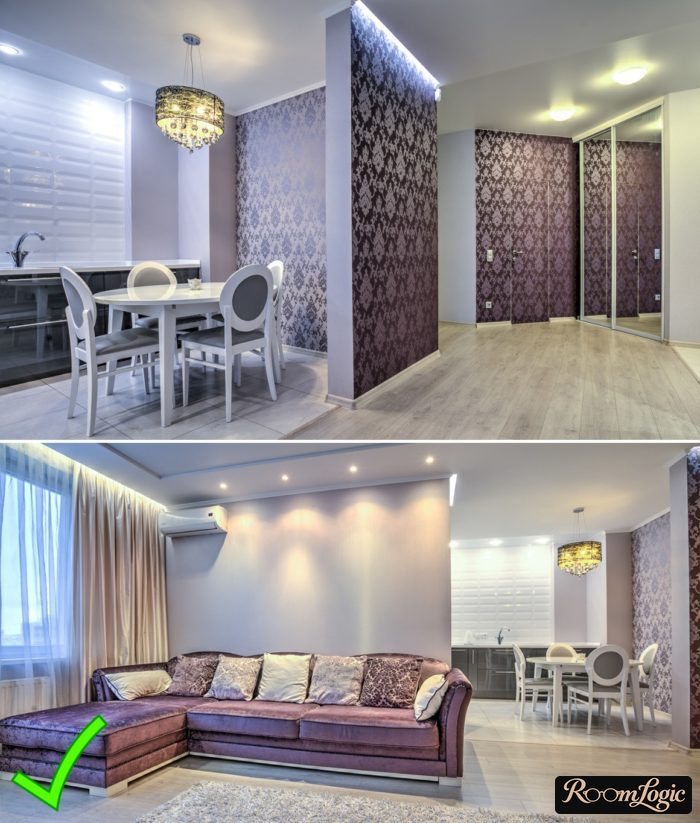
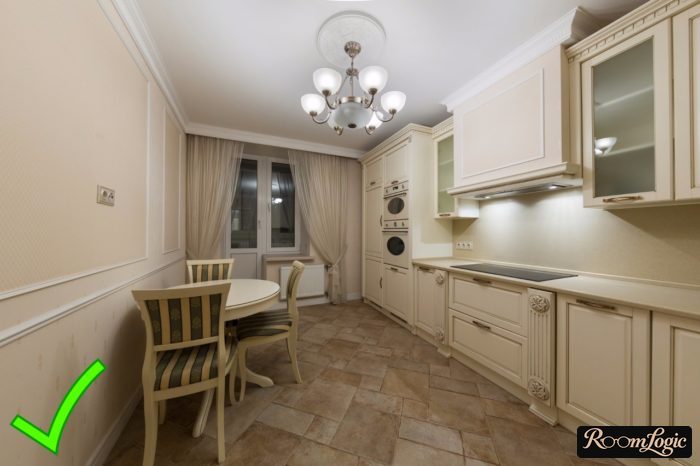
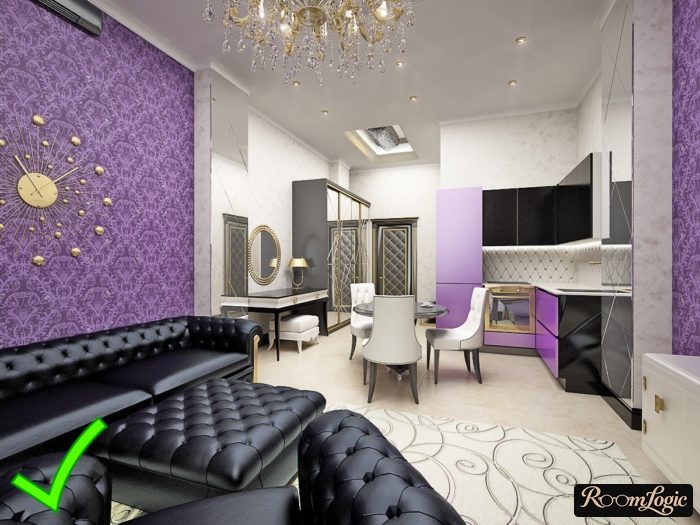
An interesting idea: put accent wallpaper on the backsplash and protect it with a glass panel.
Murals
I am categorically against using murals in a kitchen – the functional load is too high to complicate it this way.
Very rarely, it can turn out more or less okay if the entire interior is built around that mural:
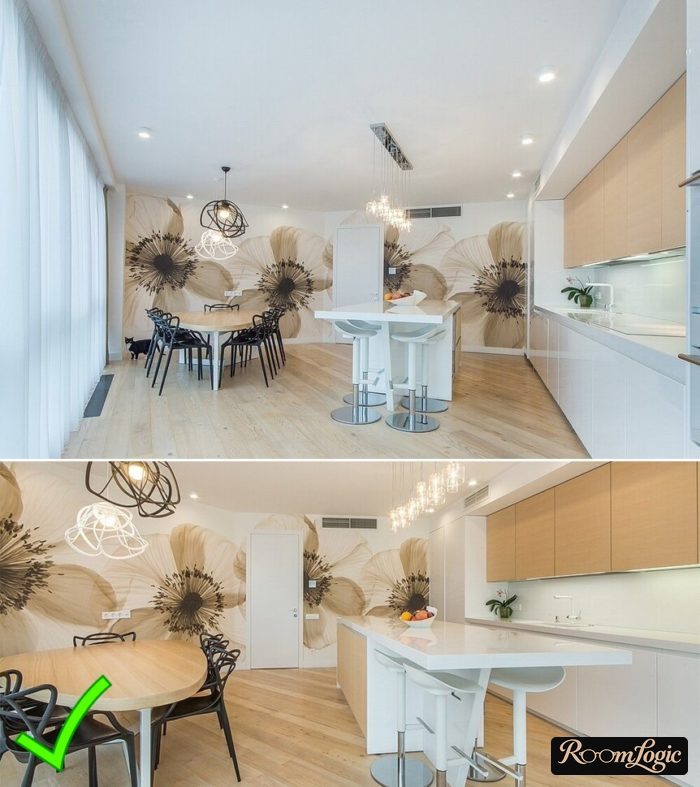
But more often, it will be a terrible tacky mess.
And do not be fooled by photos online. Sometimes they are renderings, not real photographs. Or they show another finish altogether. Below, for example, is a fresco:
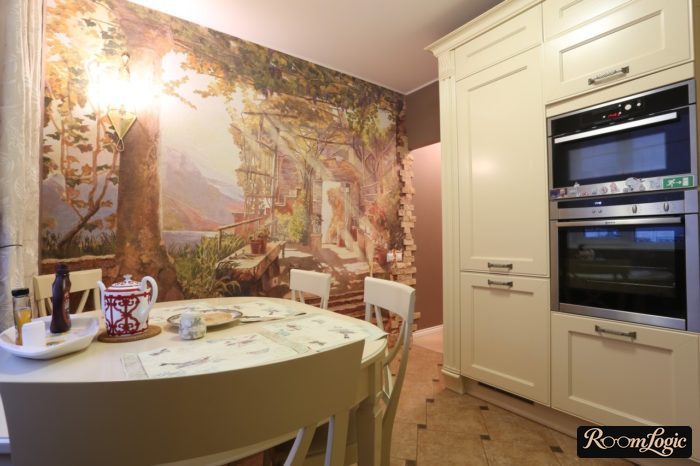
If you want to bring a kitchen wall to life, hang a painting. Leave murals with tulips in the past.
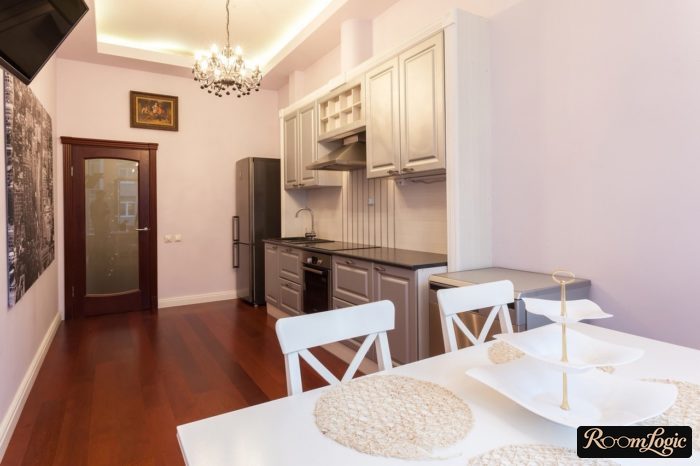
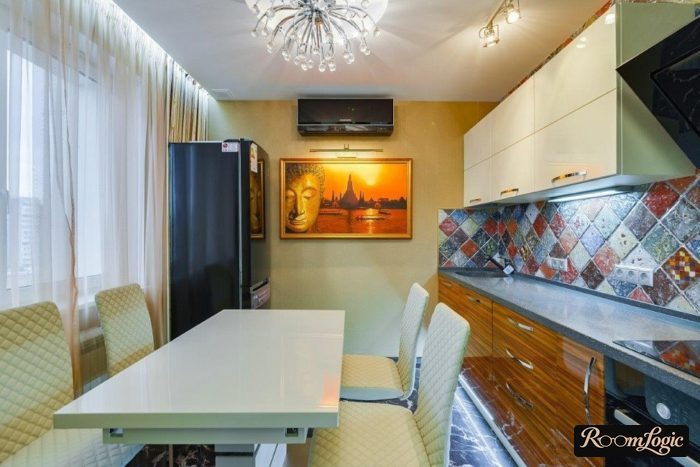
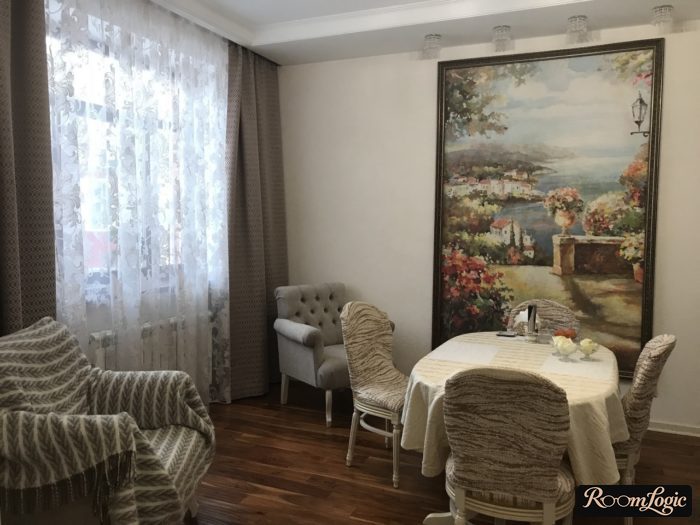
Which Wallpaper Works in a Kitchen
A note right away:
Washable does not mean you can literally wash it. The label is relative, and different manufacturers use different numbers of layers and materials. There are washable, water-resistant, moisture-resistant, and scrub-resistant products and so on, but none of this gives 100% protection.
Therefore:
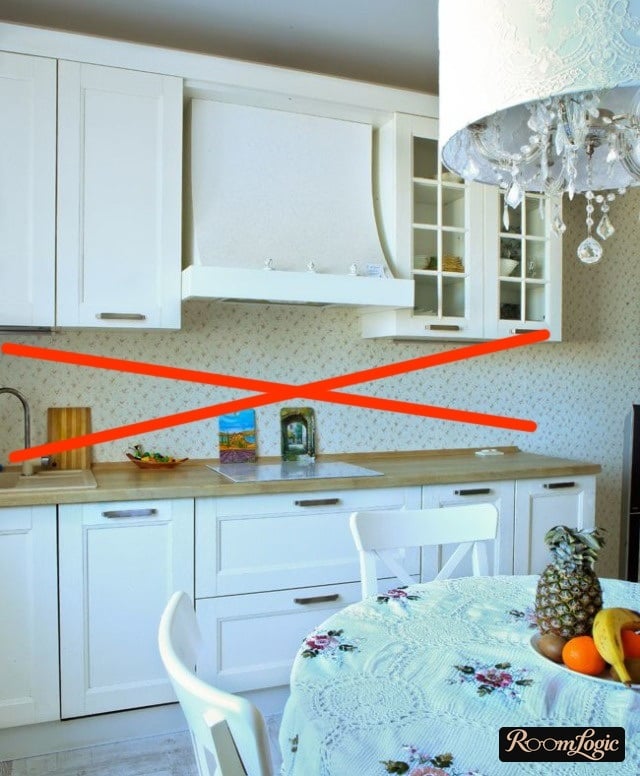
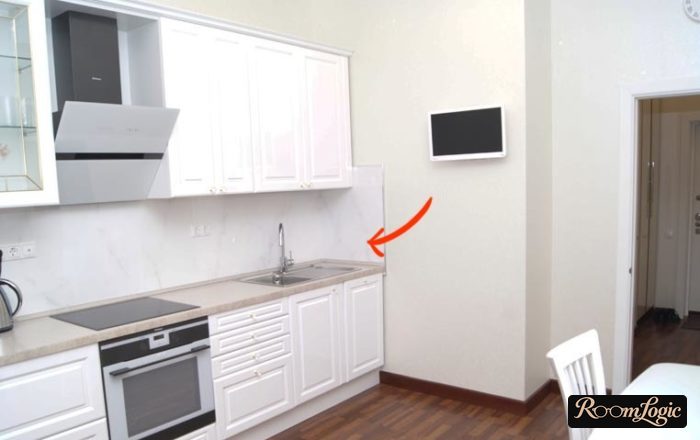
- No wallpaper can be installed in the work area. If the sink is near the edge, the backsplash must always continue onto the perpendicular wall.
- If a dining table is placed against a wall, either do not wallpaper there or use it as carefully as possible.
Do not assume that imported wallpaper automatically passes one strict indoor-air certification. The EPA notes that indoor-product VOC labels and certifications are not standardized. Check the wallcovering and adhesive information, follow the manufacturer’s directions, and ventilate during installation.
Washable and Suitable for Kitchens
Almost every type has 2 layers: the backing and the surface.
These can be installed:
- Nonwoven wallpaper. Both the inner and outer layers are nonwoven polymer material – the most durable option.
- Vinyl. It comes with either paper or nonwoven backing. The second can be used in a kitchen; the first cannot.
- Glasscloth wallpaper. Woven fiberglass, usually used for painting. The appearance is repetitive.
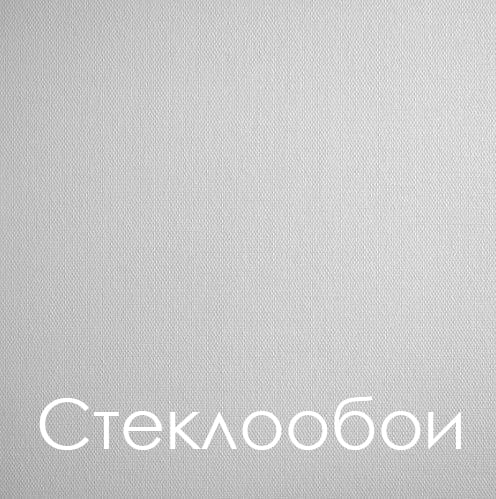
In practice, water-resistant nonwoven-backed wallpaper is easy to identify by bending the corner of the roll: nonwoven is denser and more flexible, so no crease remains.
If a visible fold line remains, the backing is paper and definitely cannot be used.
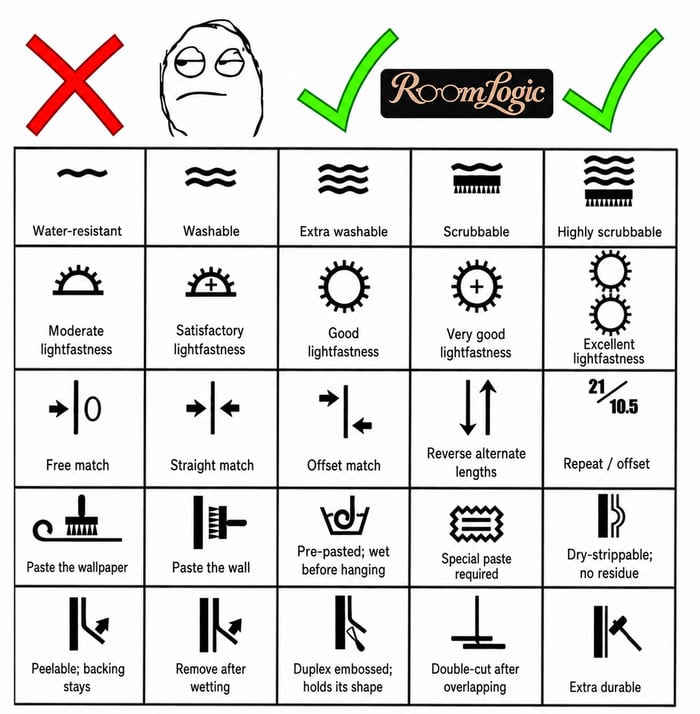
Below is a table of label symbols. I marked the suitable ones based on water resistance:
Not Suitable
Because temperature and humidity change throughout the room, do not use these on any kitchen wall:
- Acrylic
- Textile (fabric)
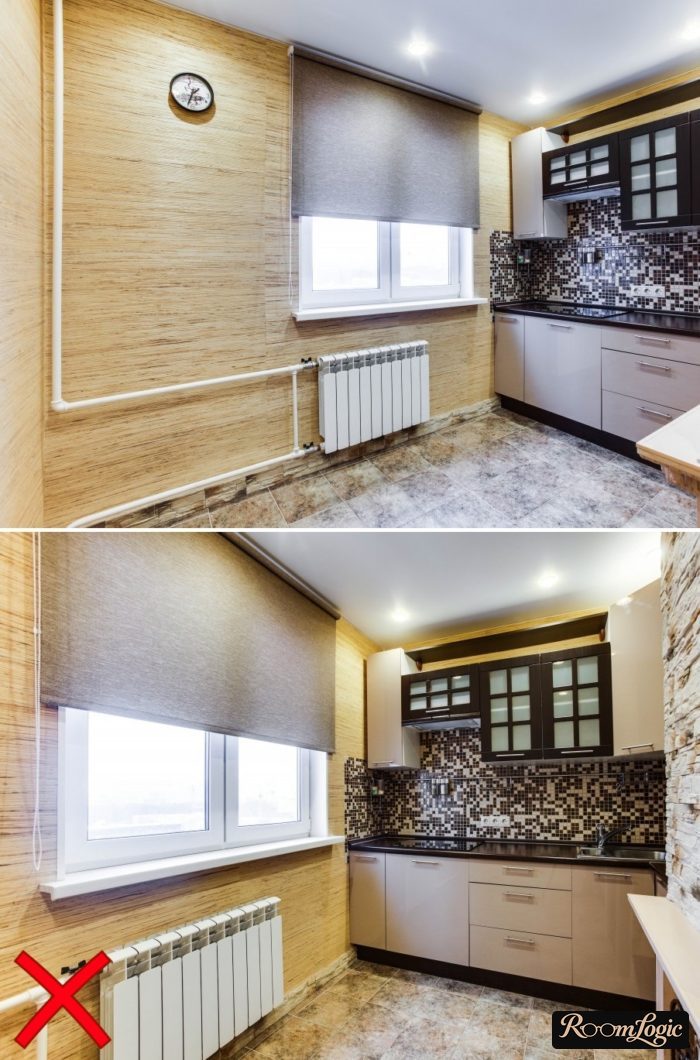
- Natural (bamboo and so on)
- Vinyl, nonwoven, and any other wallpaper with paper backing
- Liquid wallpaper (it looks bad too)
I hope you found a couple of interesting ideas. Good luck with your remodel!