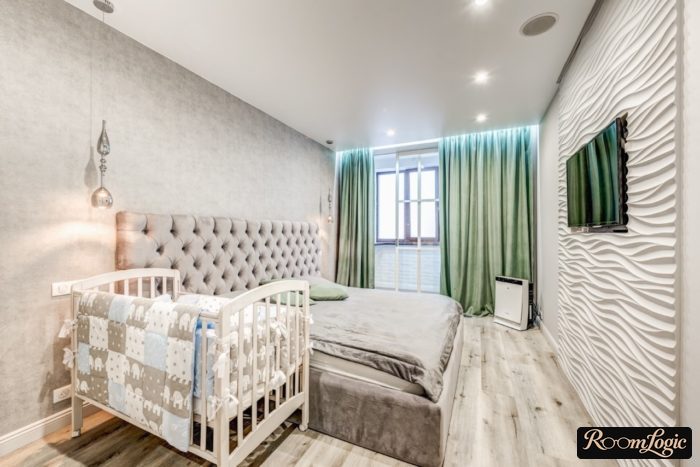
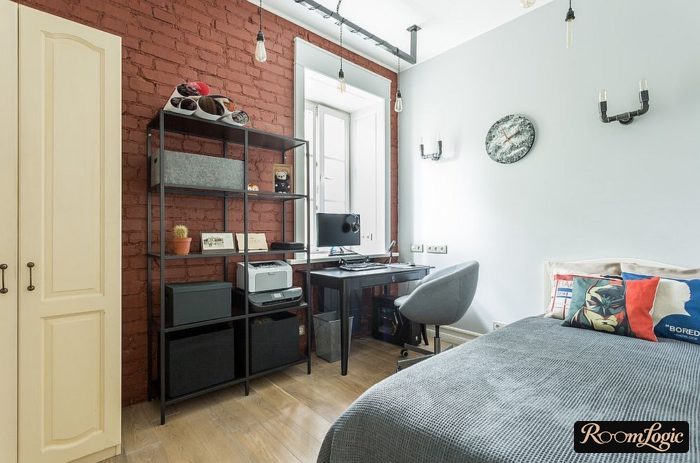
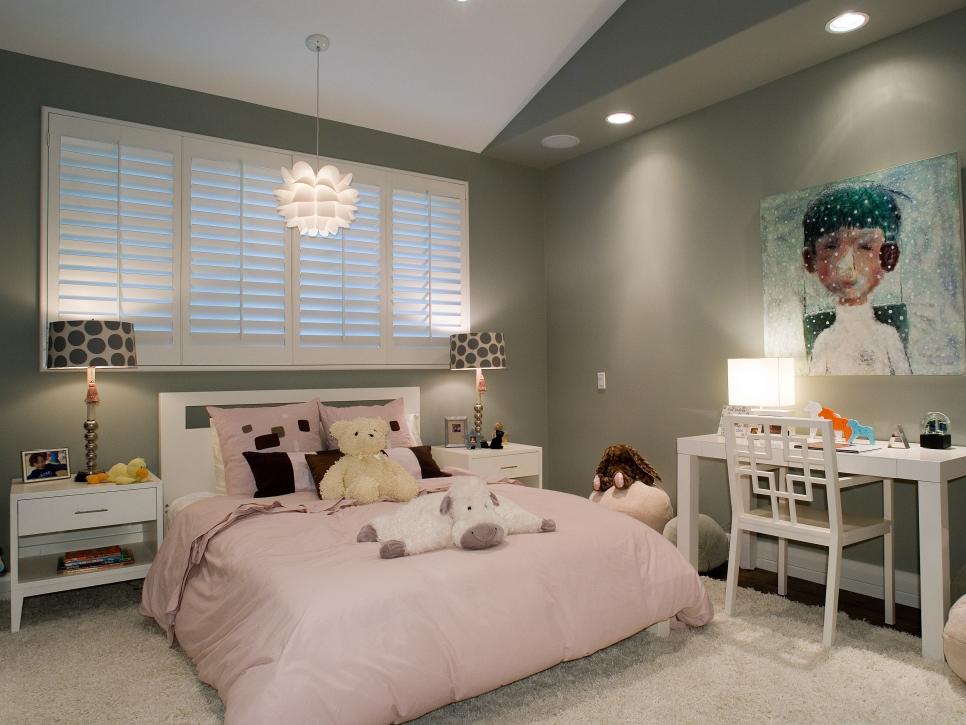
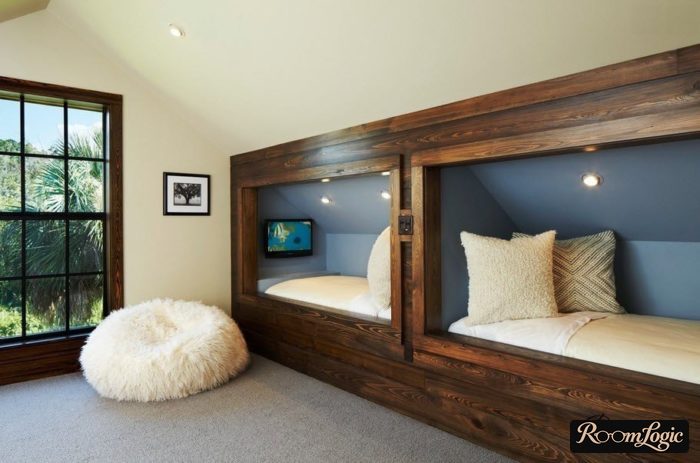
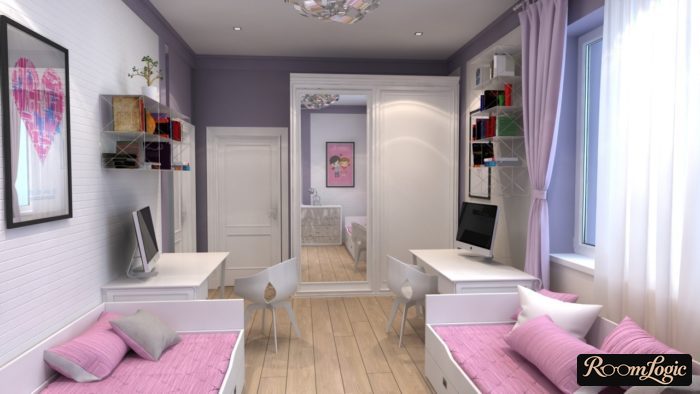
These seven rules are essential for a kids’ room design to remain contemporary and stylish for many years.
Kids’ Room Design Ideas
Here are current rules for approaching the design of any kids’ room. See separately:
1. Neutral Finishes
This is the most important point. First, it will save money, and second, it will make the kids’ room interior pleasant for both children and adults.
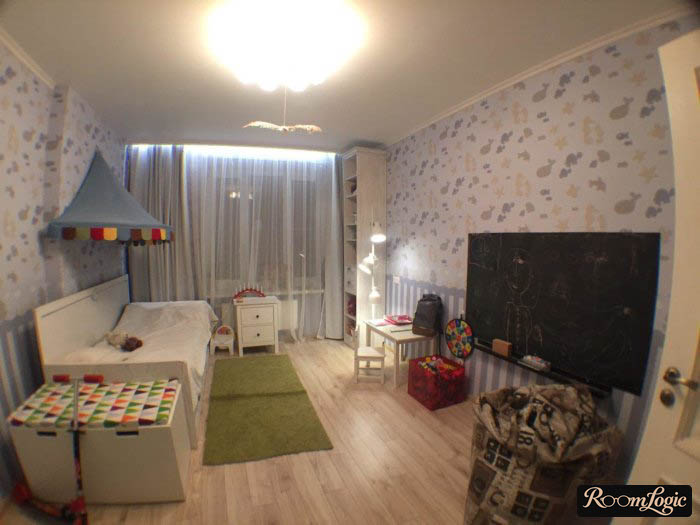
- All the permanent work in a kids’ room – the ceiling, floor, walls, all electrical work, and lighting – is done in a neutral adult style. This is the background.
- Decor makes the kids’ room design bright: bedding, pillows, curtains, decals, posters and drawings, toys, and a rug.
- For the visual perception of design by people in general and children in particular, it makes no difference how brightness is added to the kids’ room interior.
- Simply changing the decoration without redoing the remodel will let you adjust the kids’ room design to the child’s age and interests inexpensively.
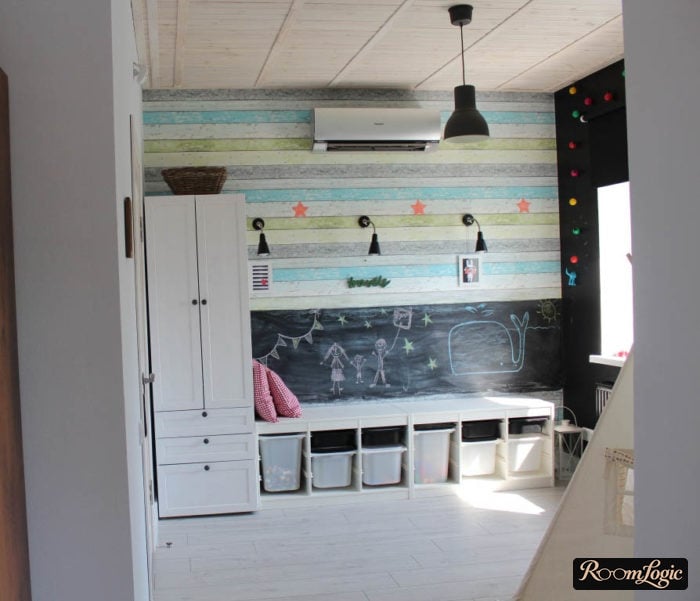
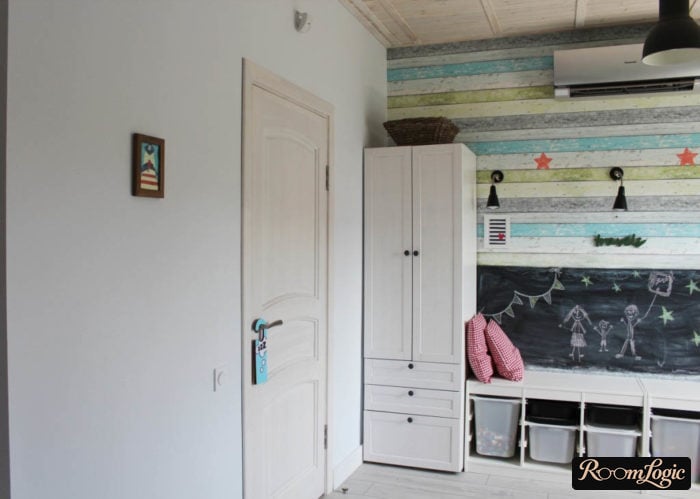
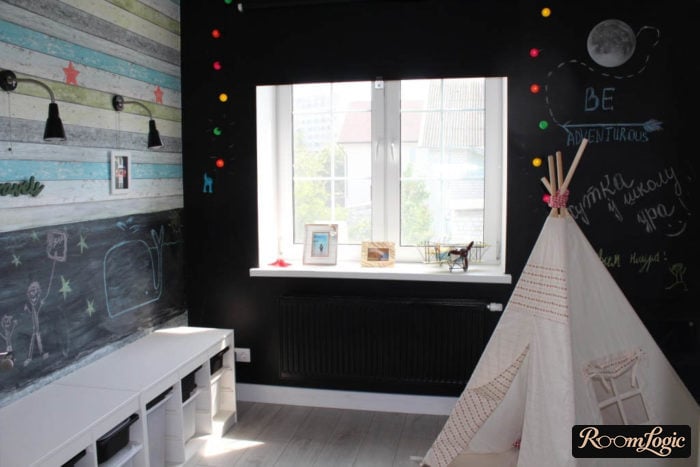
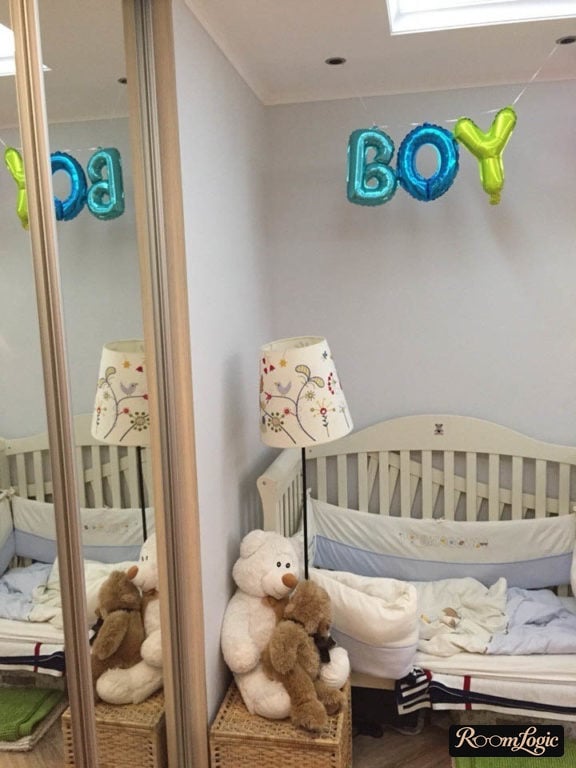
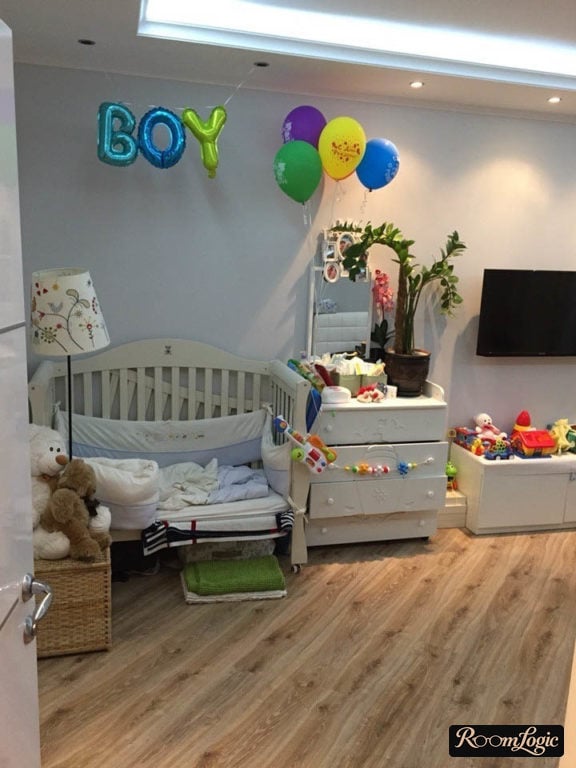
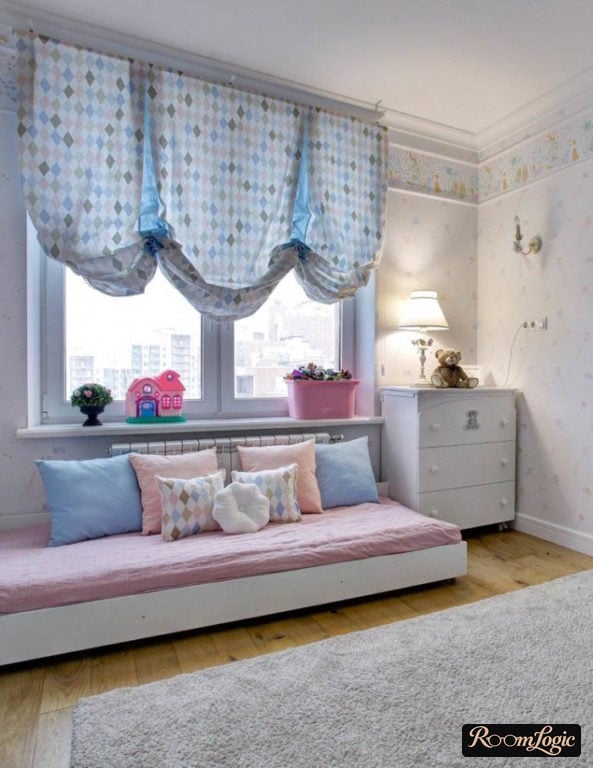
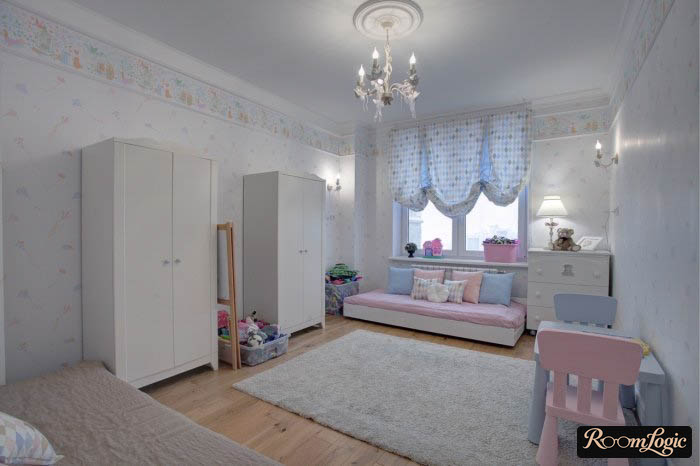
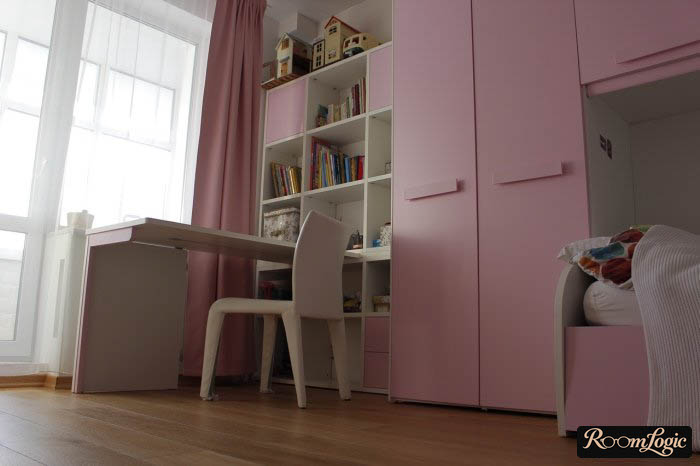
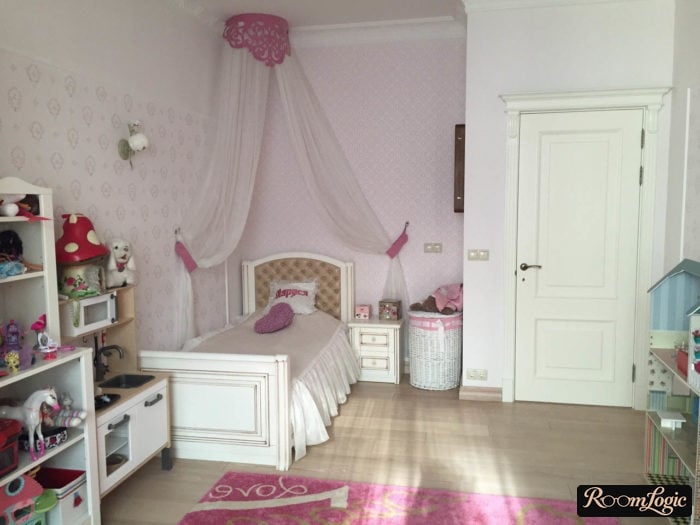
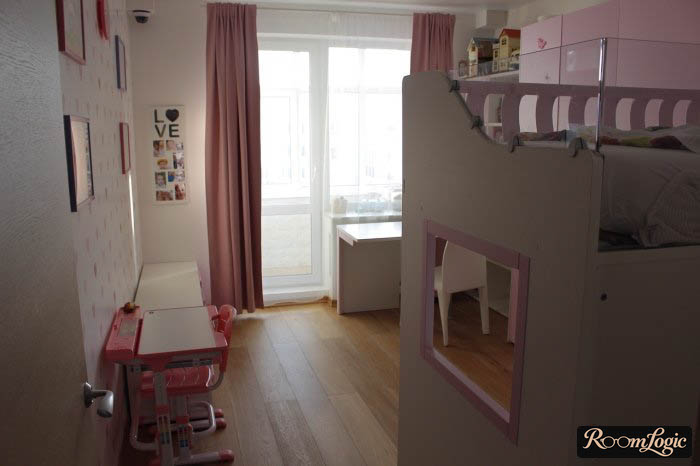
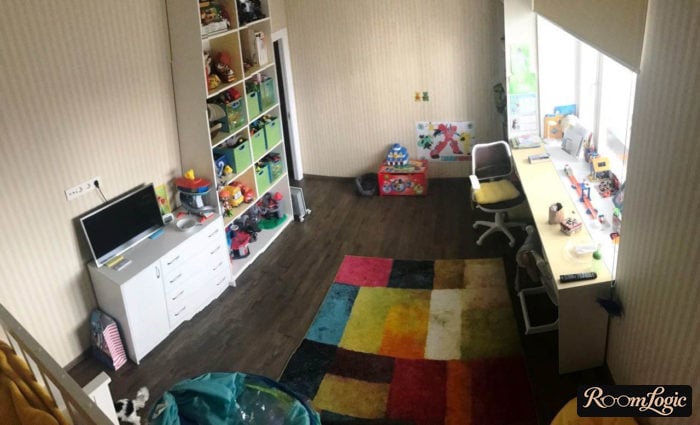
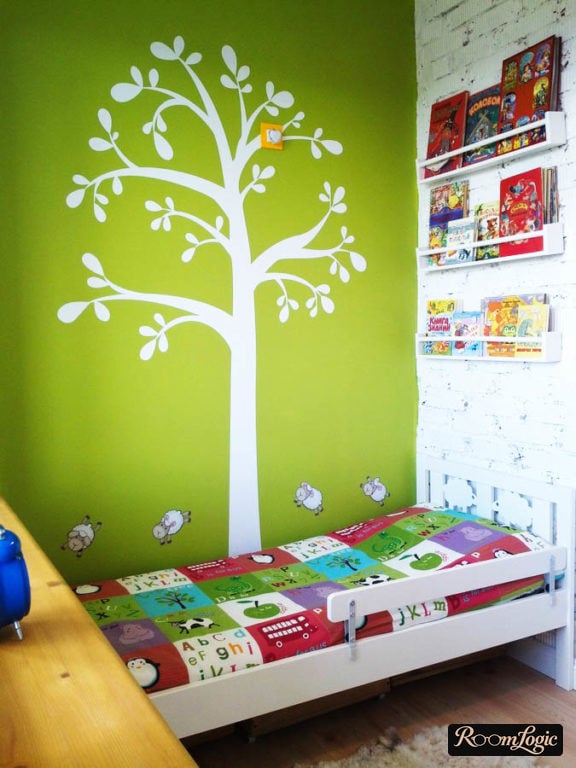
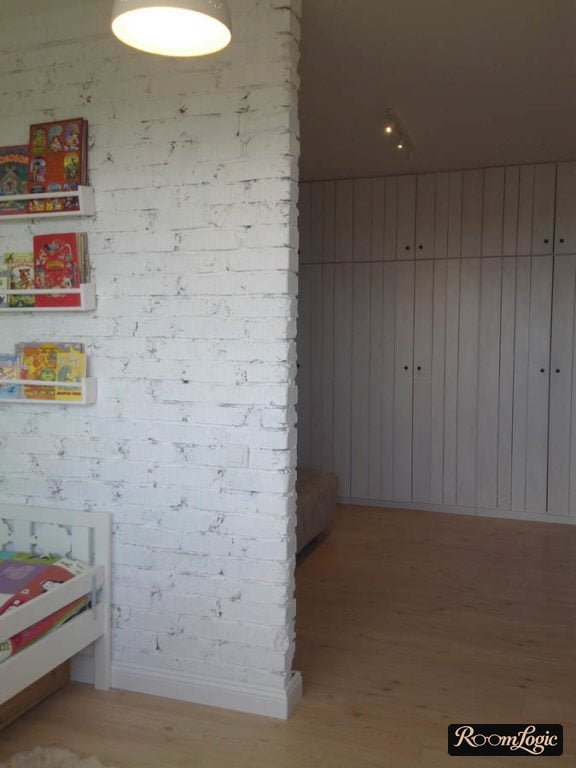
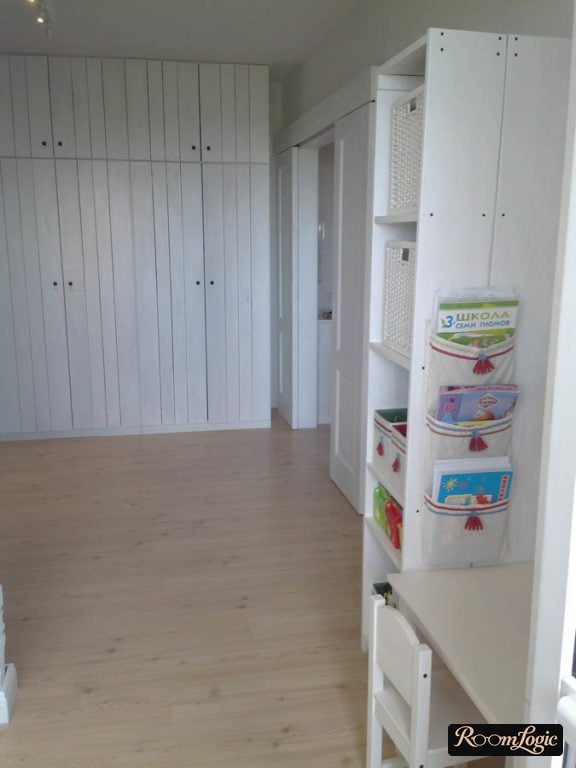
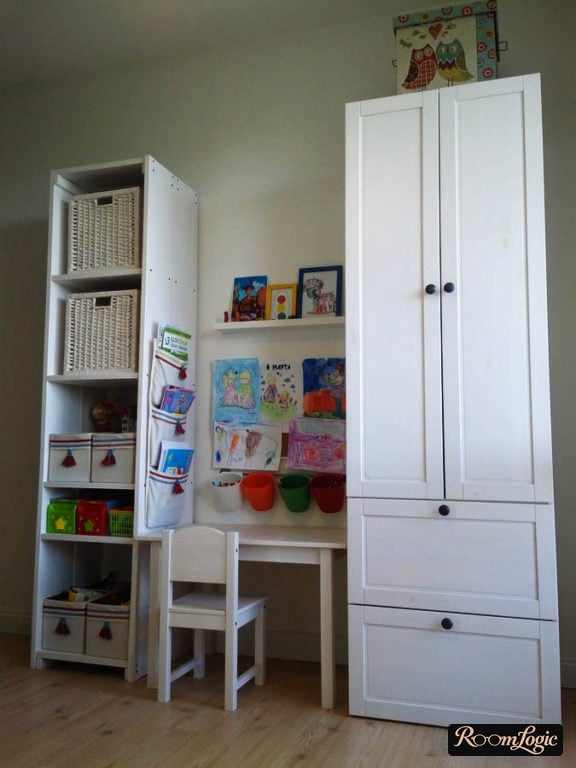
A test:
Imagine the room with all its finishes but without furniture or decor – it should not be clear that it is a kids’ room.
You may disagree with this, but pay attention to it in the photos. As a guide to transforming it with age, read about a teen bedroom, a teen girl’s room, and a teen boy’s room.
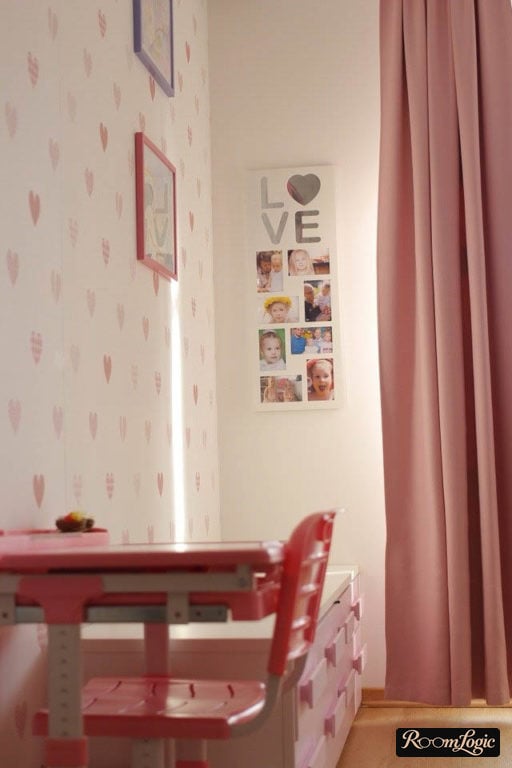
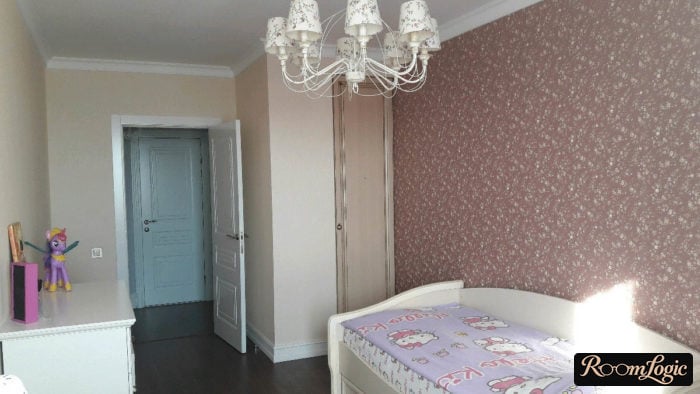
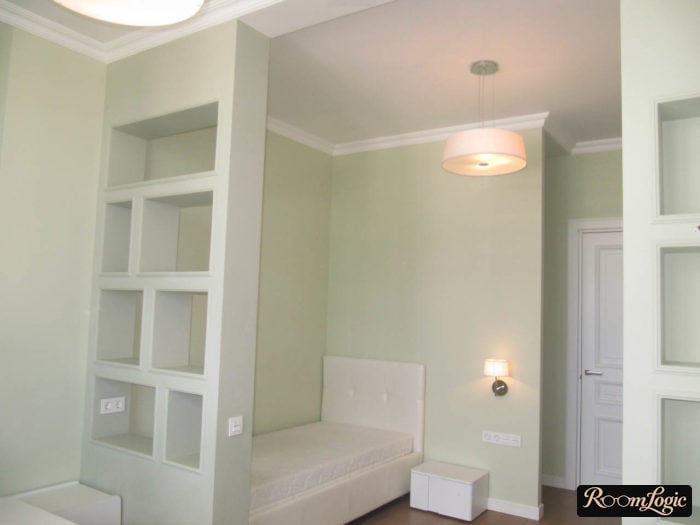
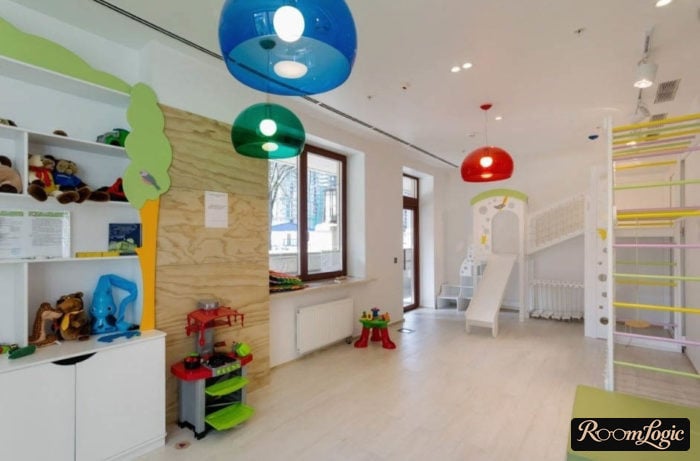
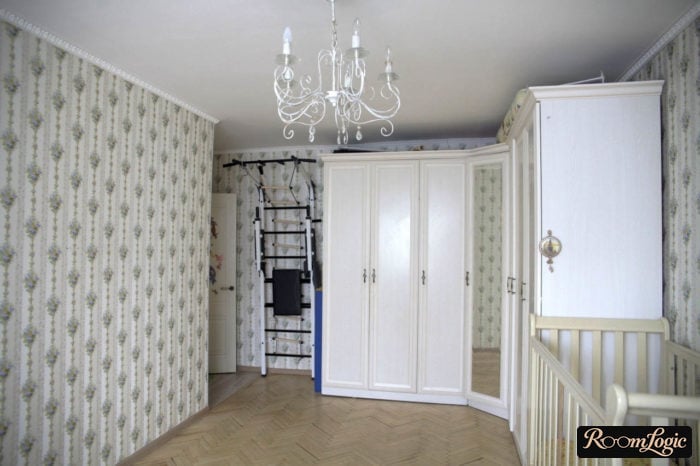
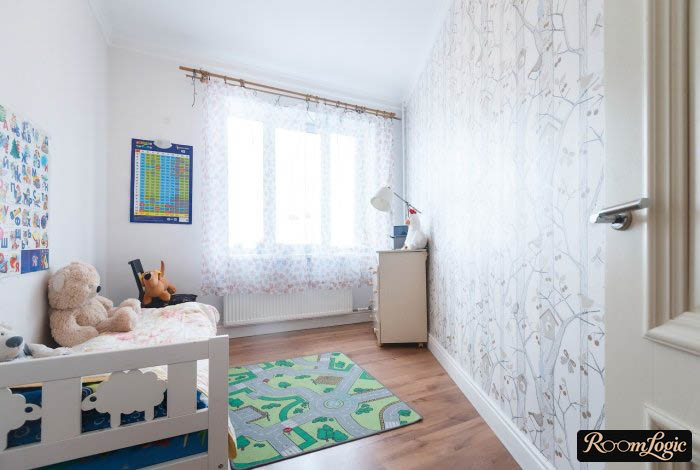
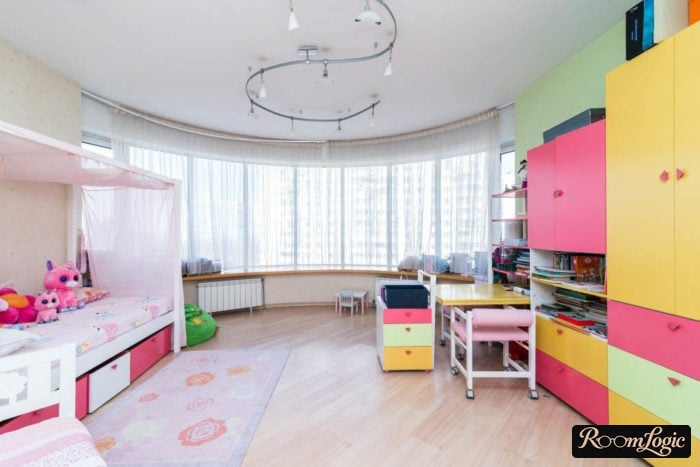
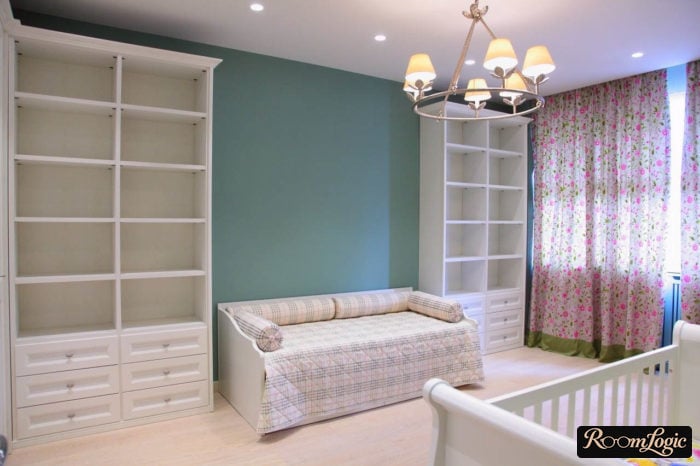
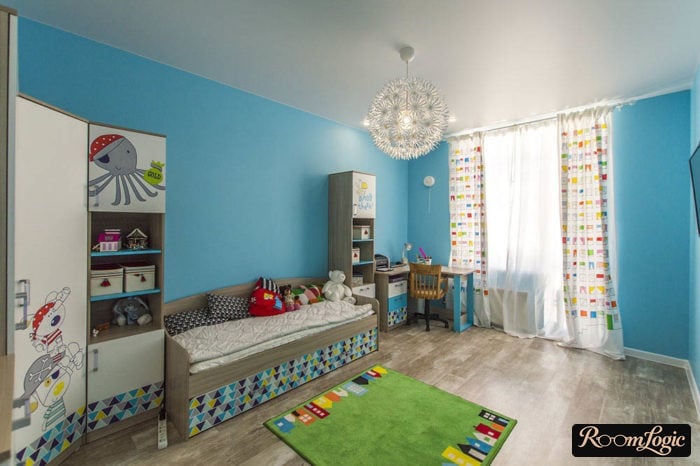
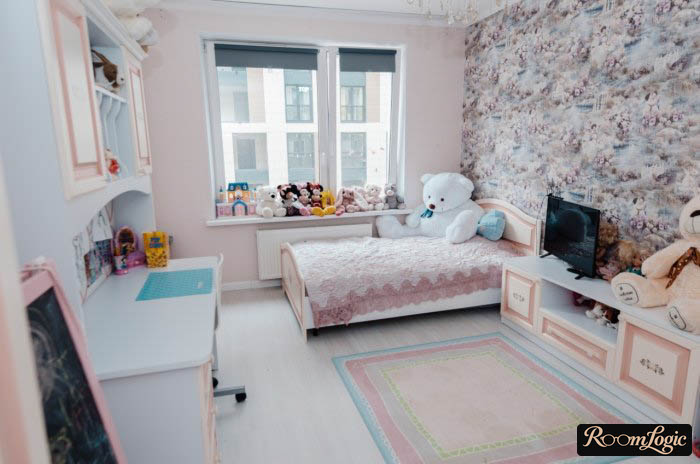
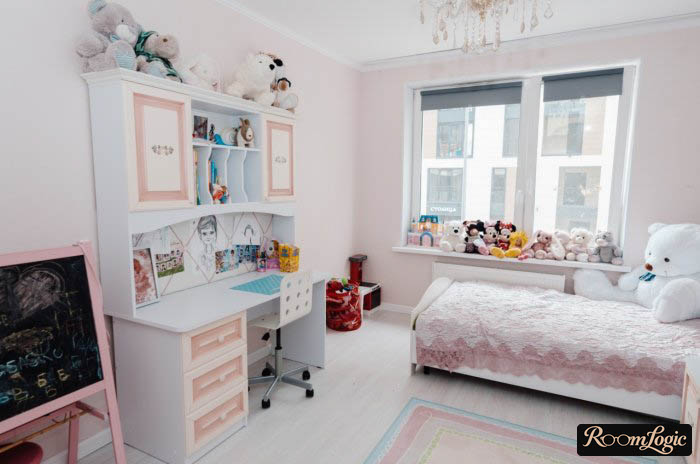
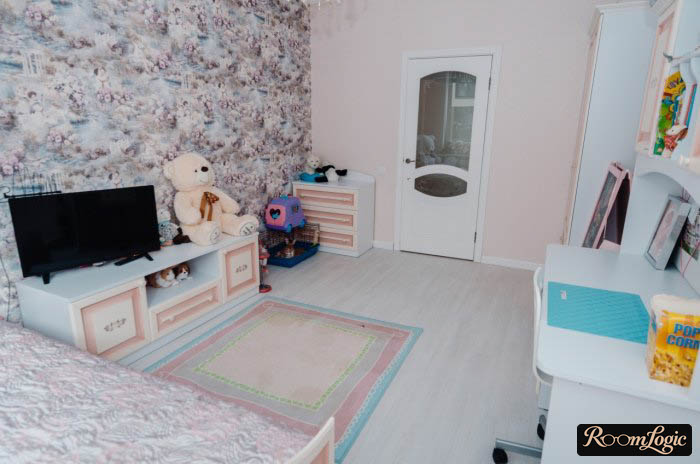
The exception is wallpaper and wall murals, which can be replaced quickly and inexpensively.
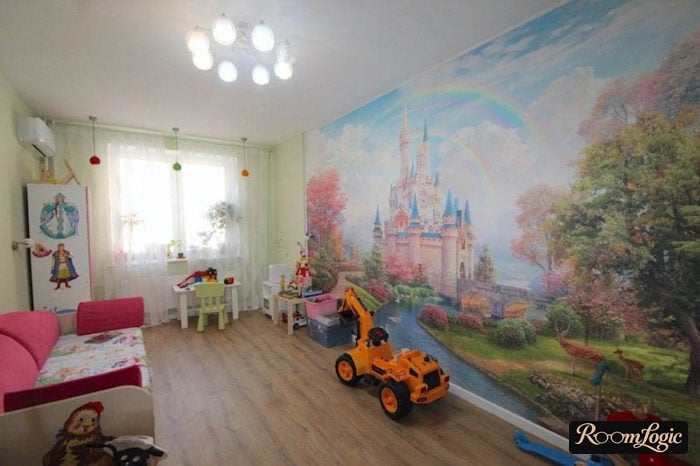
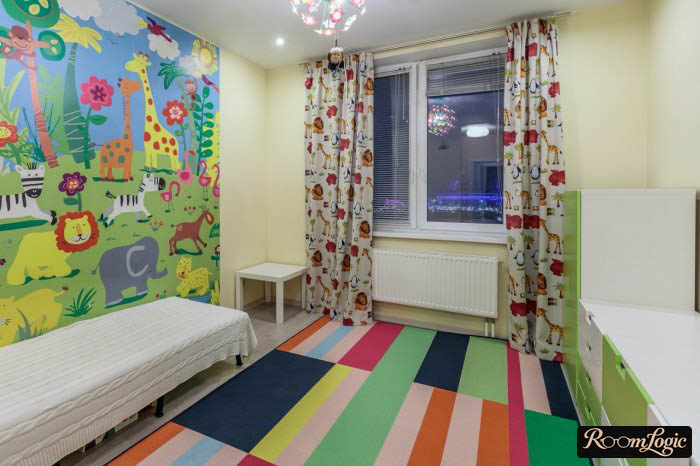
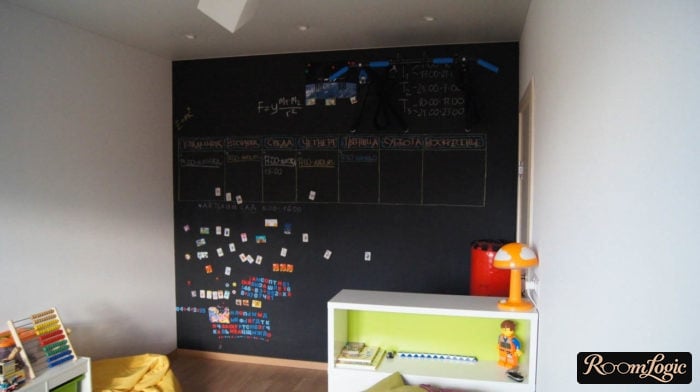
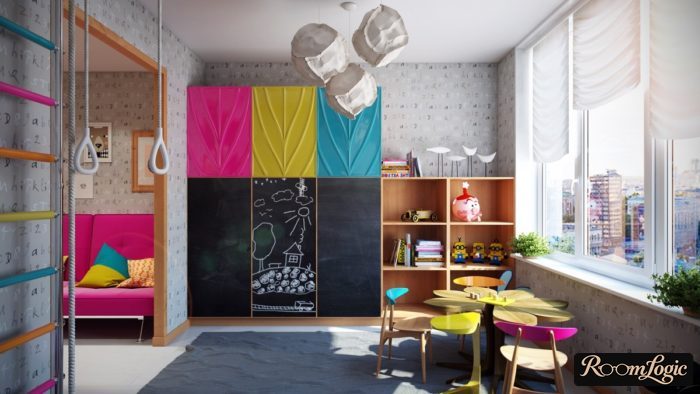
Since with this approach we are making the kids’ room design for a long time, it is important to consider that the child may try to “improve” it with pencils, markers, or anything else. It is better to provide a place for drawing: a chalkboard or dry-erase board, or an easel. It will both save the interior and provide a creative outlet.
The most practical materials are laminate for the floor; decorative plaster or stone for the walls – they are nearly indestructible – or paint, which is easy to damage but costs very little to repaint once the wall is already smooth; and a matte stretch or drywall ceiling.
2. White Furniture
The furniture will have to be changed, but here too there is good news and a strict rule.
The rule:
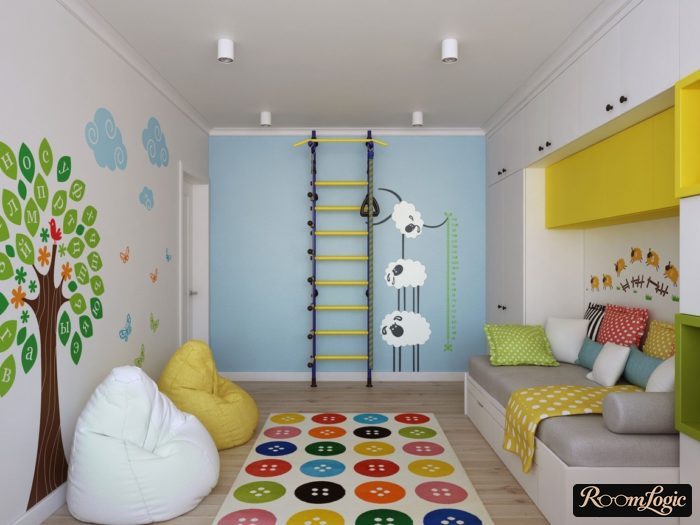
The younger children are, the more they like everything bright. Saturated colors do not work with wood tones. This is exactly why kids’ room designs often turn out ridiculous. If the colors are bright, use only white furniture.
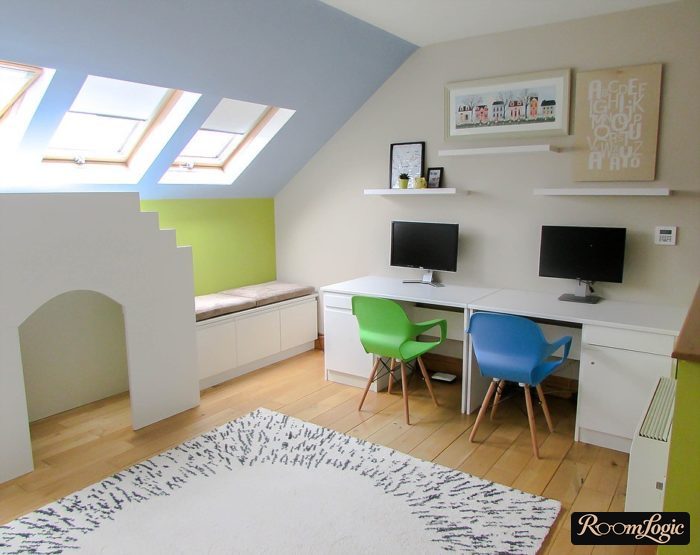
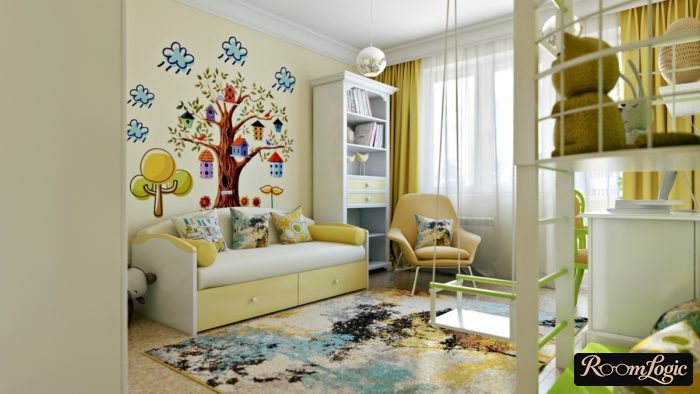
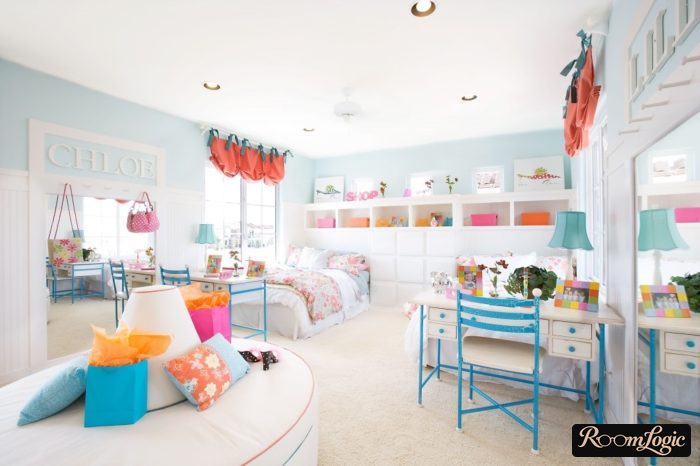
Most designer kids’ room remodels use white furniture. Many designers do this unconsciously – they simply feel the combinations. The photos prove it best; just look at the furniture color.
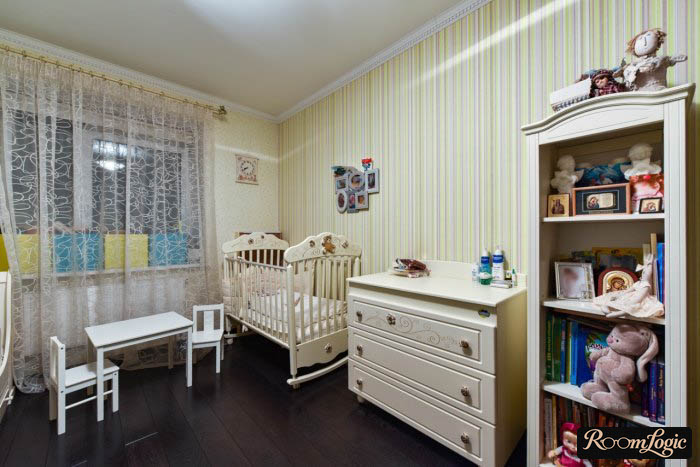
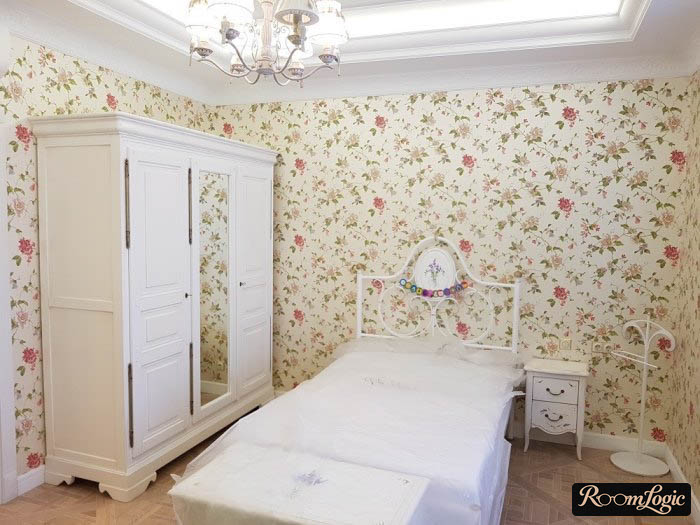
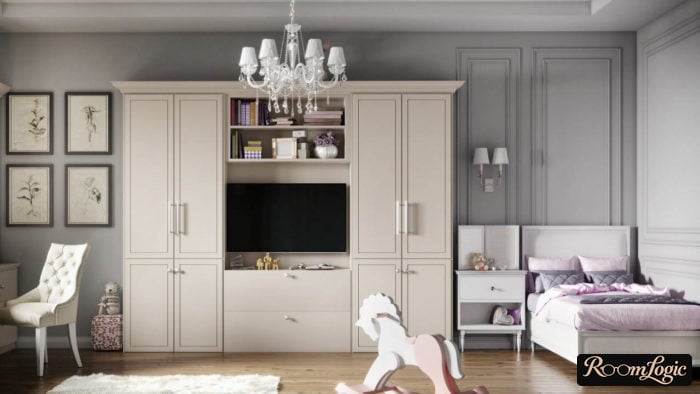
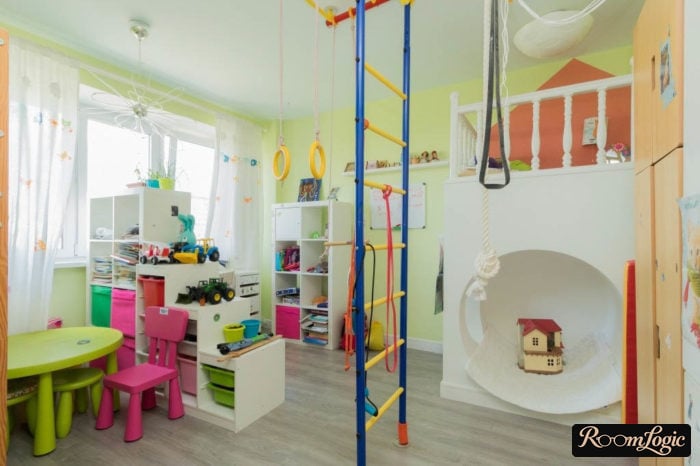
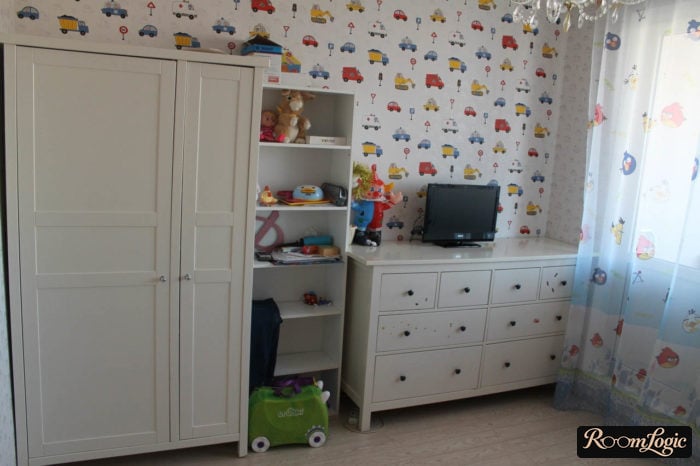
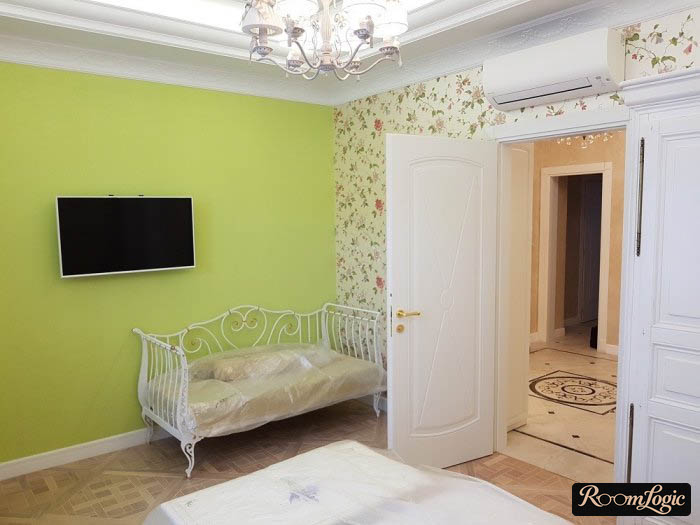
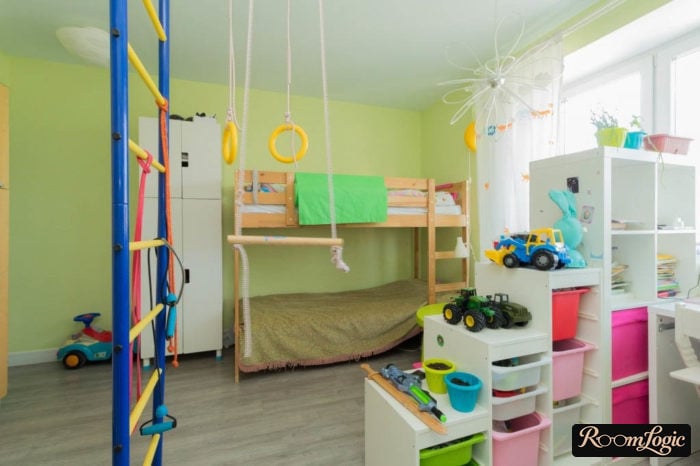
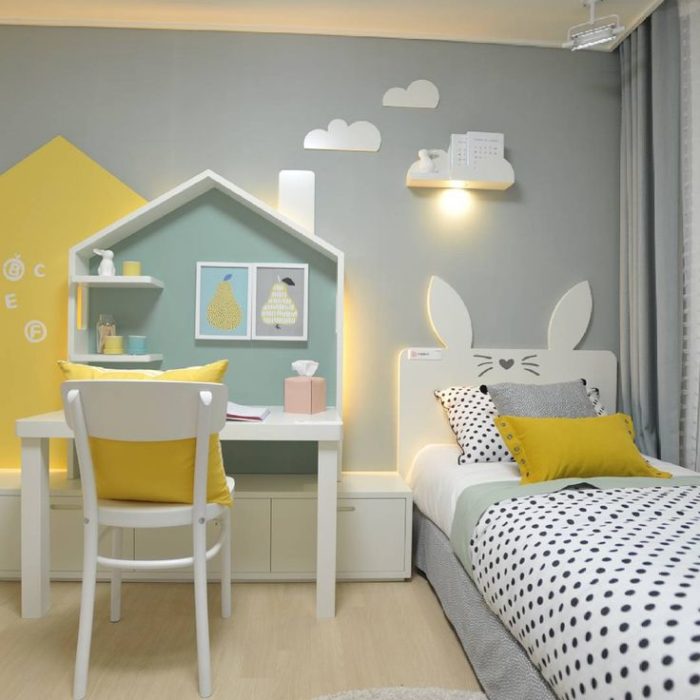
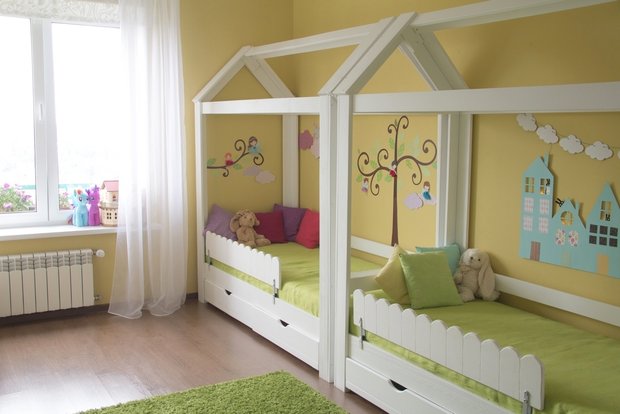
A nice point is that you absolutely do not have to buy deliberately childish miniature cabinets, tables, and small cabinets. It is a waste of money. For a younger child, open floor-level cubbies and toy baskets are enough. You will not achieve order at this age anyway, so there is no point making closed storage.
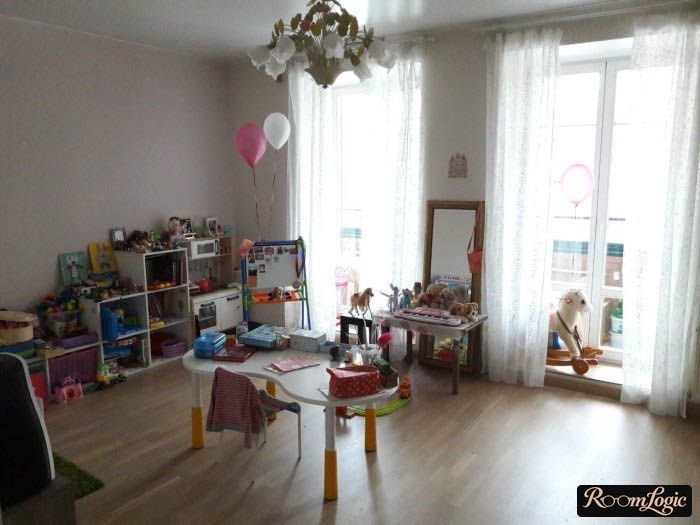
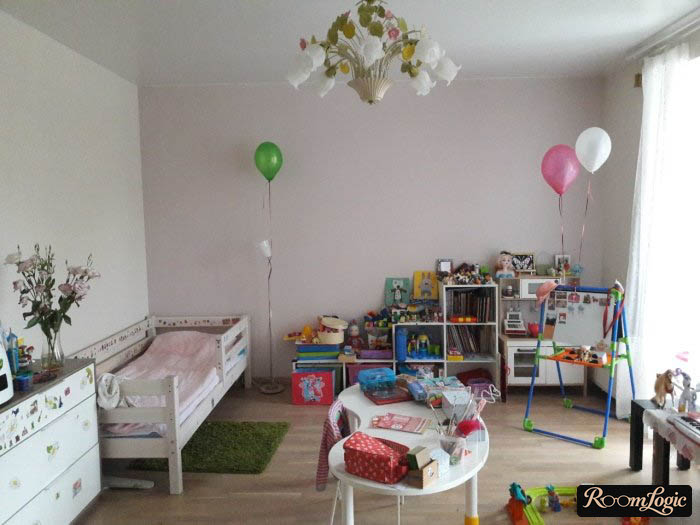
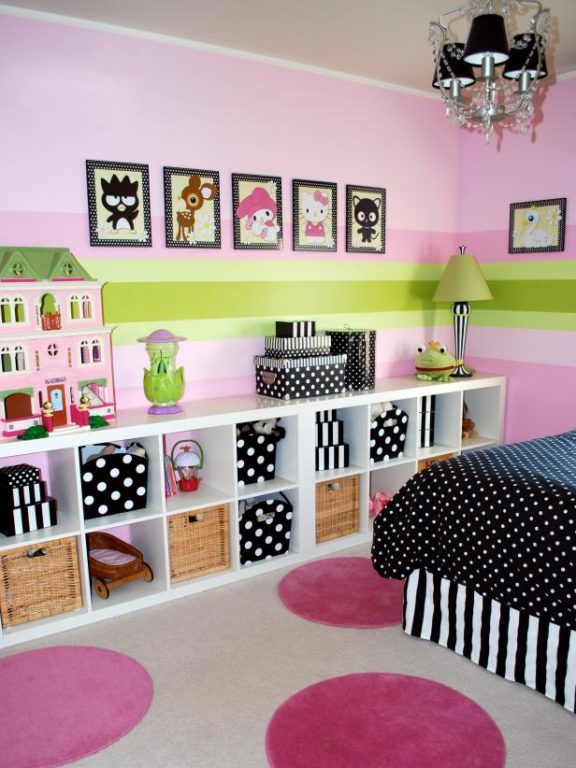
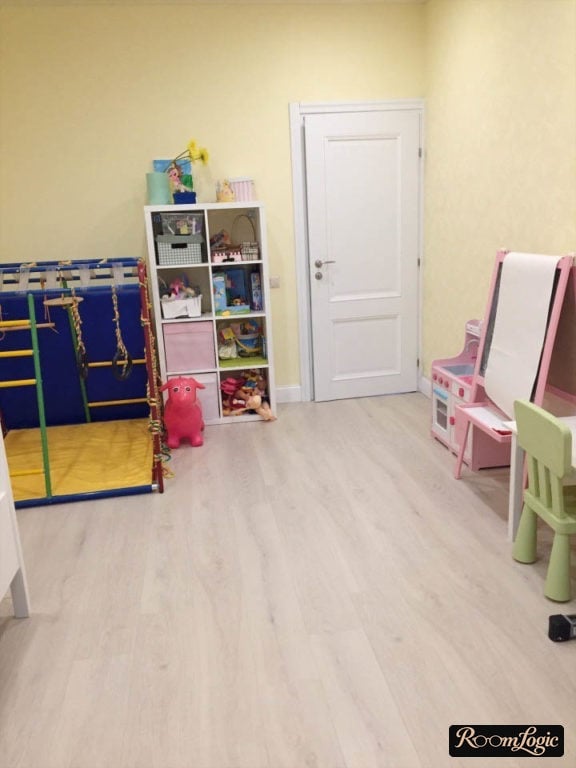
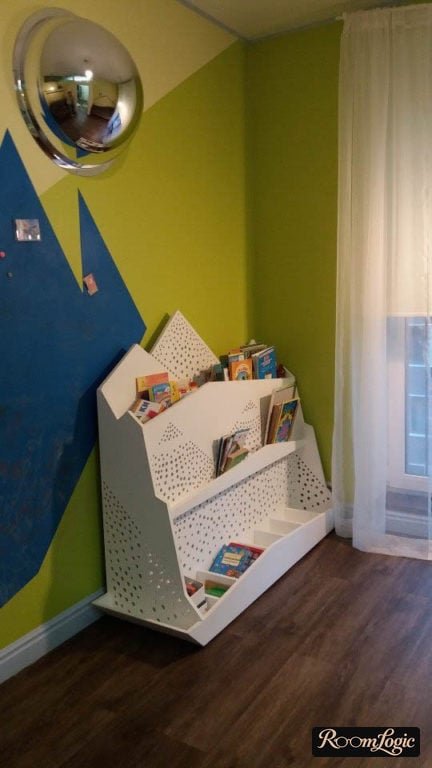
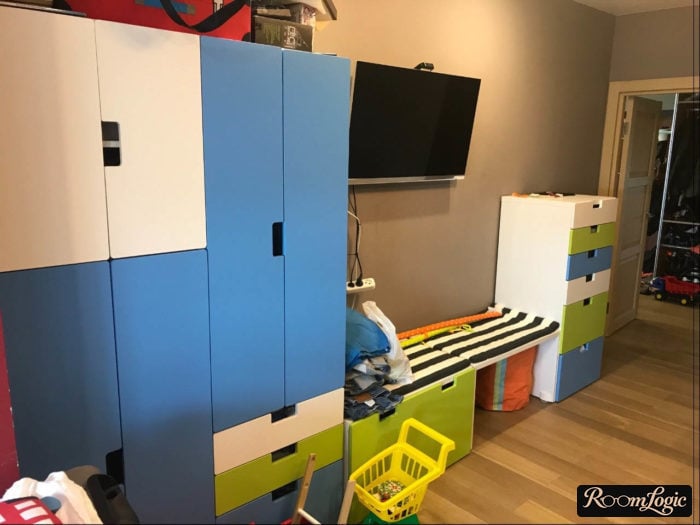
For an elementary-school child, you will already have to buy full-size furniture and later replace it with adult furniture by high school, but that is only one complete change of furnishings.
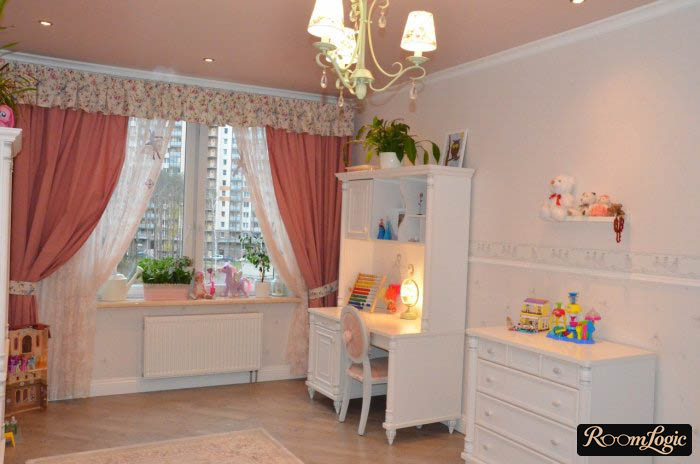
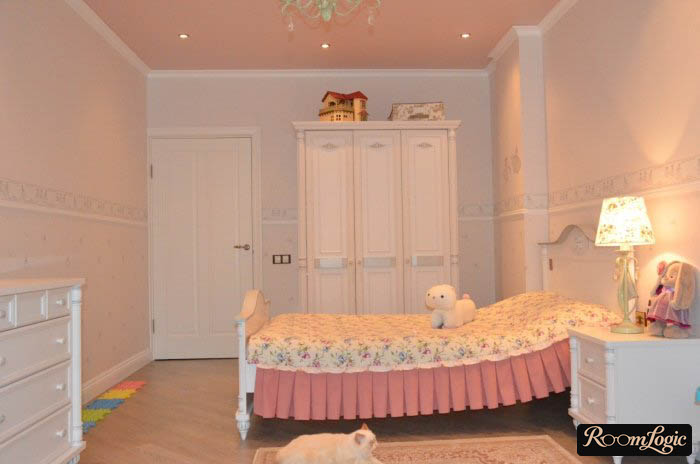
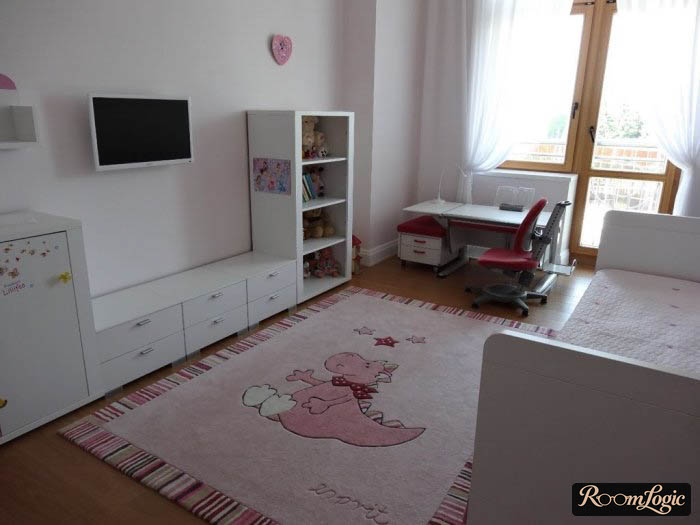
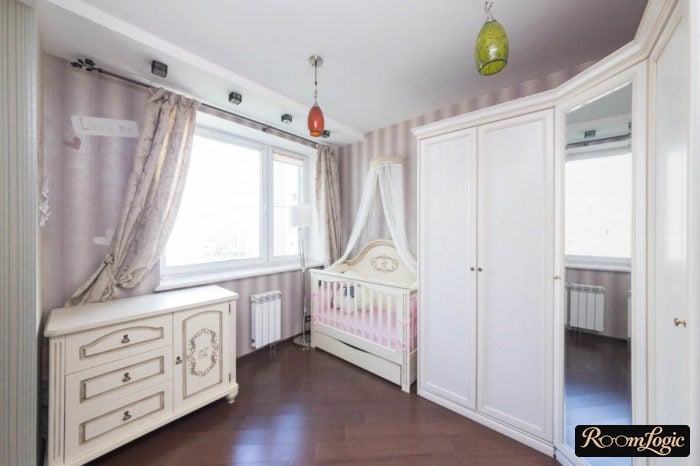
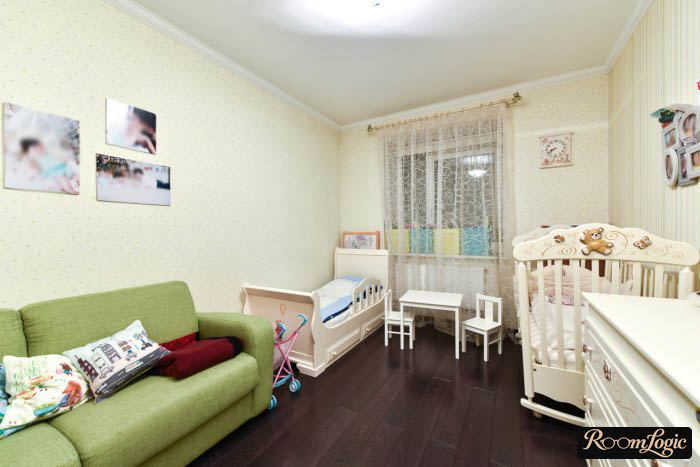
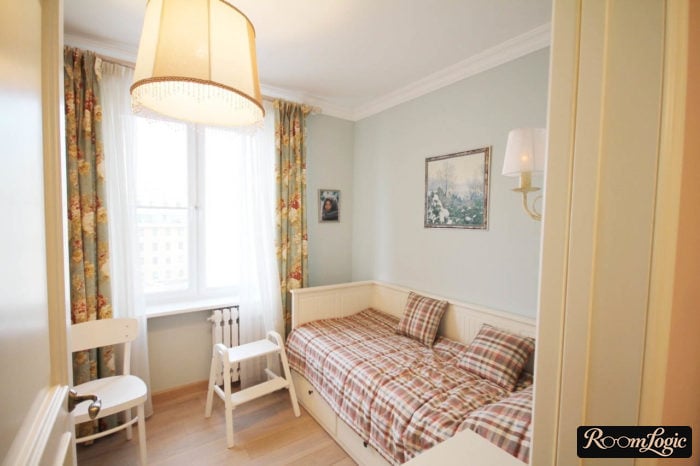
There are exceptions to the rule; they are in the section about styles.
3. Combining Colors in a Kids’ Room
I have a really good article about combining colors in an interior, and all of it applies to kids’ rooms too.
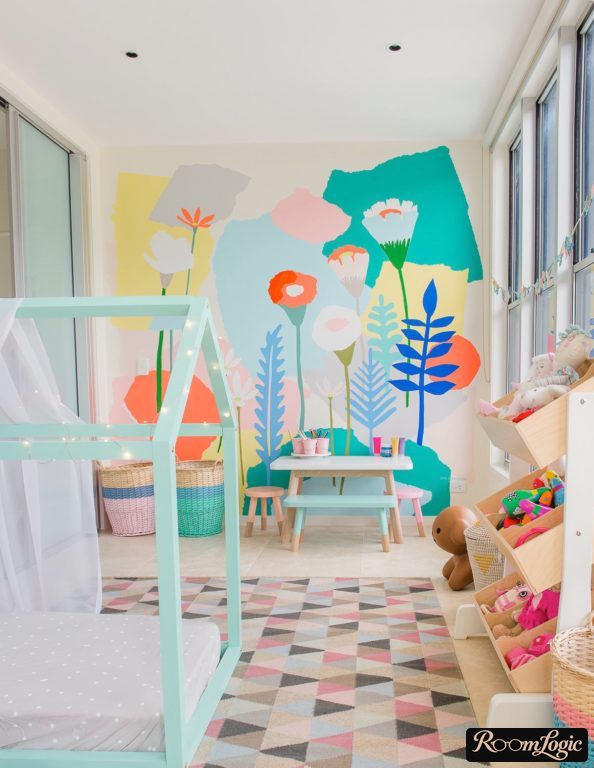
Colors combine based on brightness and saturation. Therefore, choose unsaturated pastel tones, and then you can combine and mix any colors and it will look harmonious.
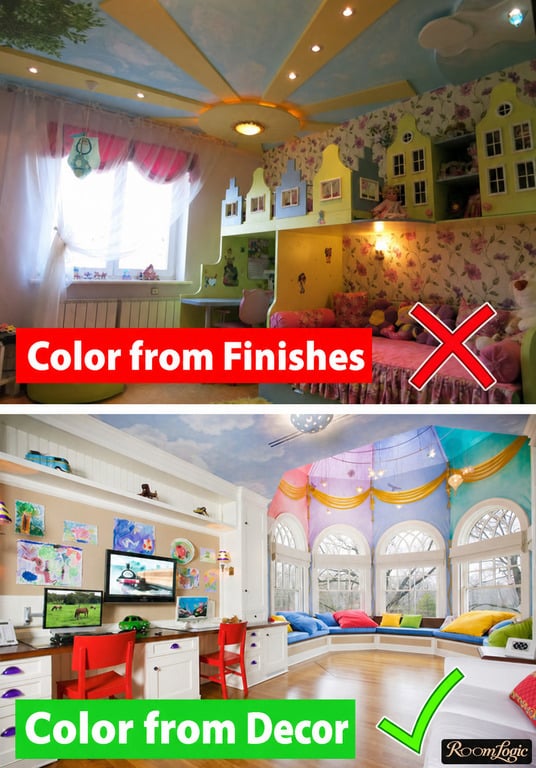
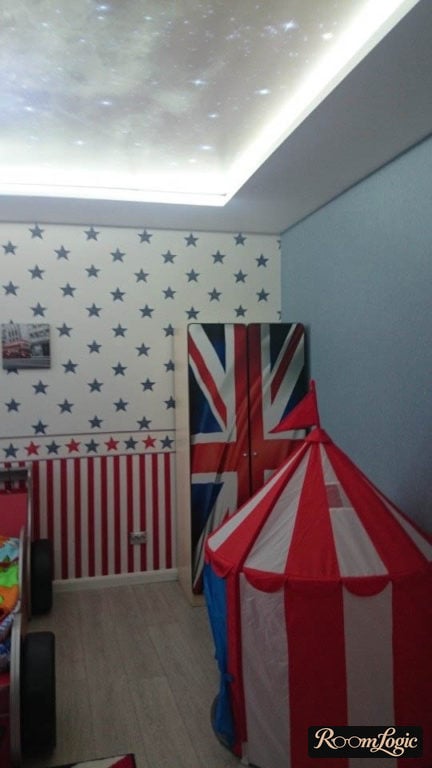
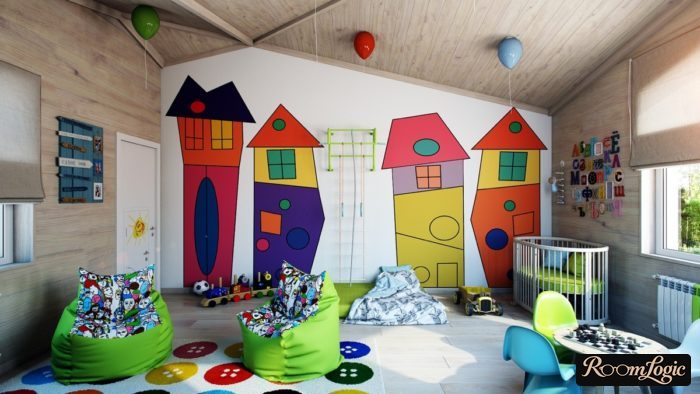
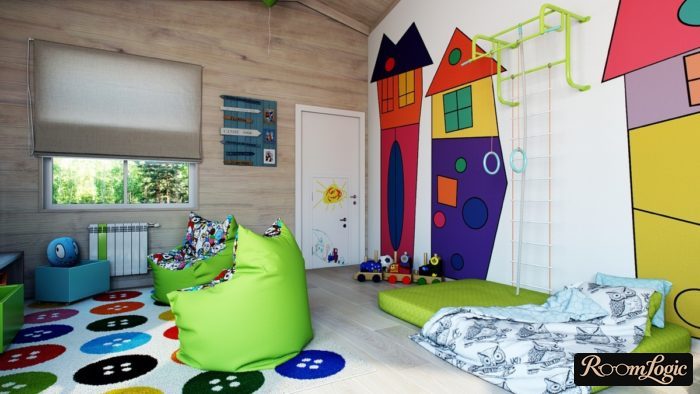
And do not make kids’ rooms in acidic, eye-searing colors. If you would not want to live in them yourself, a child should not either. A colorful interior may appeal to a child at first, but the child will spend a long time in the room, and aggressive colors will become oppressive.
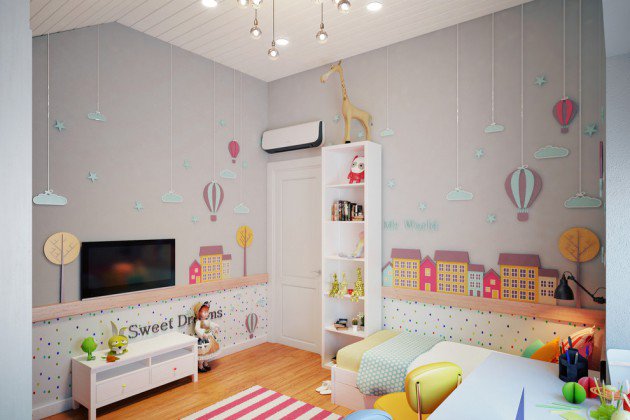
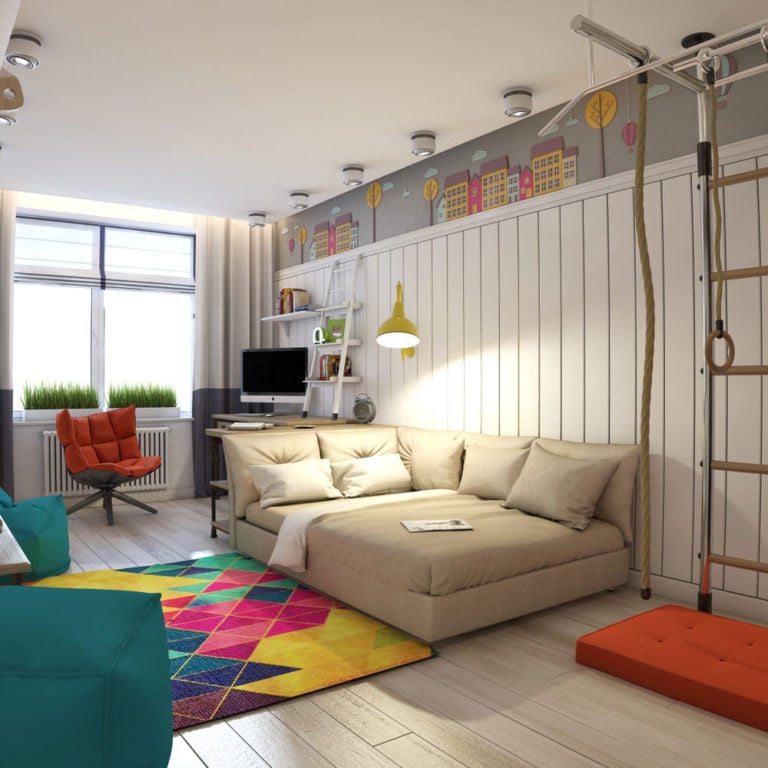
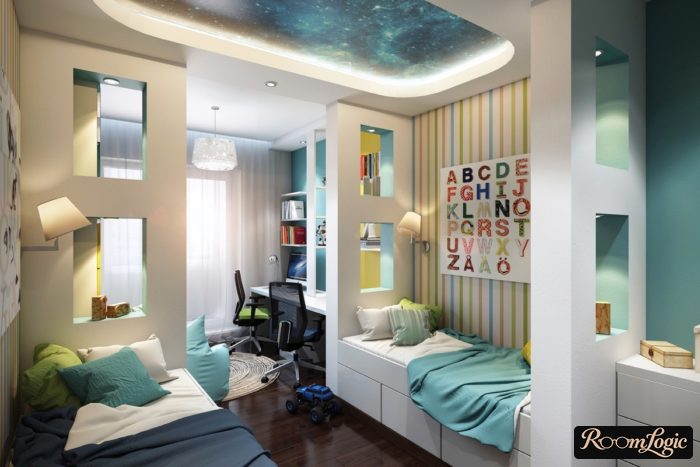
Muted blue, pistachio, pale yellow, turquoise, pale pink, and grass green – a bunch of great pastel colors suitable for a kids’ room.
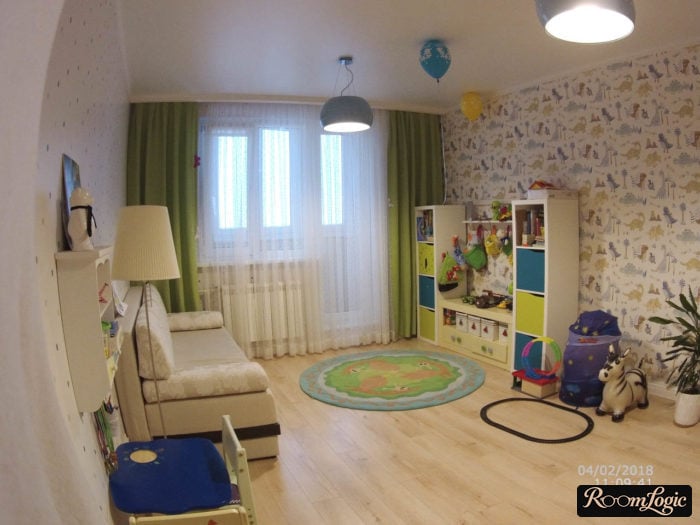
4. Choosing a Style
Considering everything we have already discussed, the design style for a kids’ room is more or less clear.
Basic finishes – minimalism or Scandinavian style suit both sexes, Provence suits a girl’s room, and loft suits a boy’s room. Each article has many themed photos and ideas; be sure to read them.
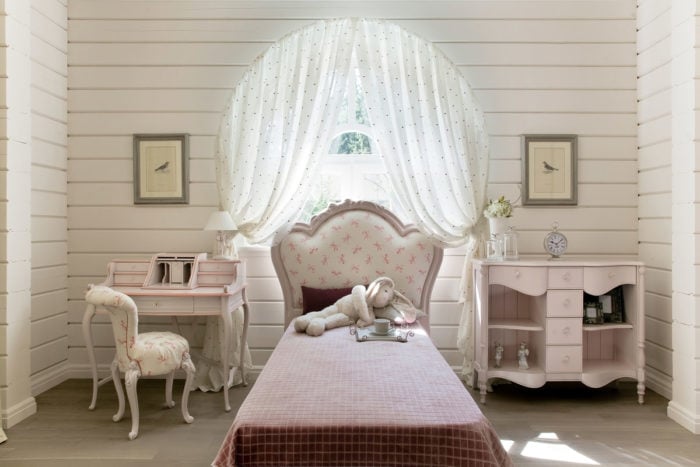
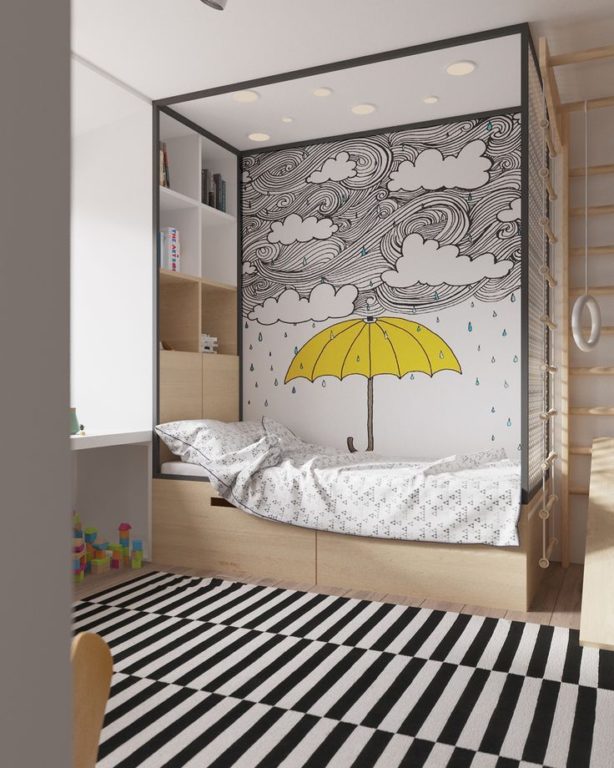
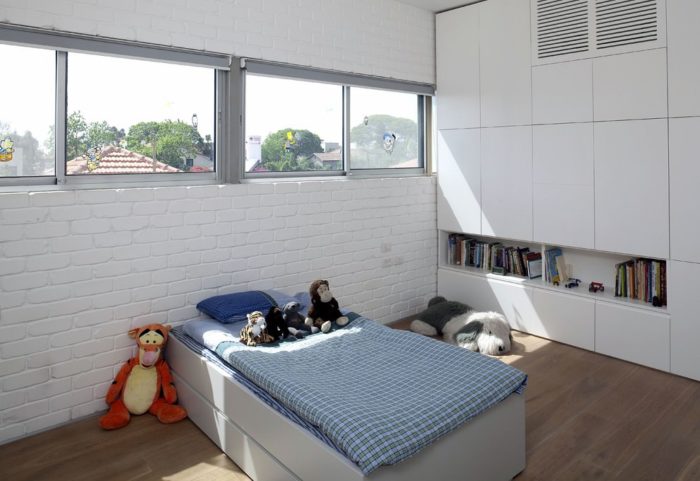
These are serious, adult contemporary styles that the remodel can transform into over time, but they also suit a very young child perfectly because of the brightness added by the decoration.
If you decide to stay within one of these styles, white will no longer be so critical.
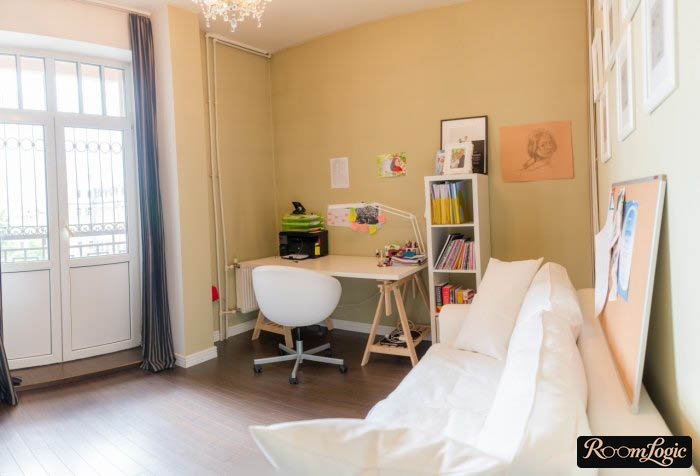
For example, a Scandinavian-style kids’ room design uses only pastel accent colors, and they work perfectly with light wood furniture.
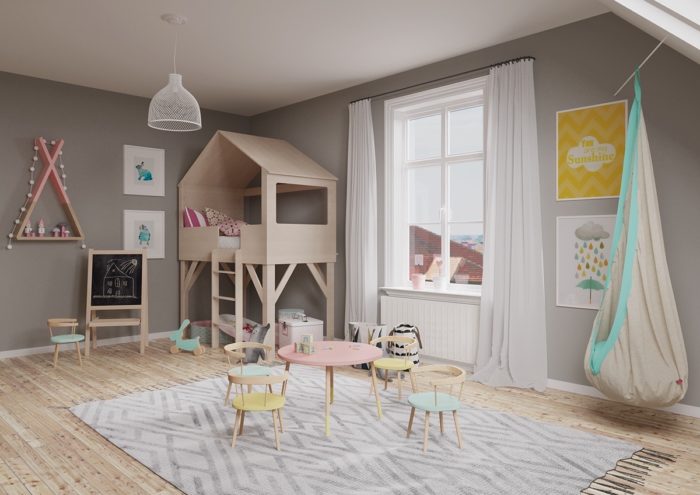
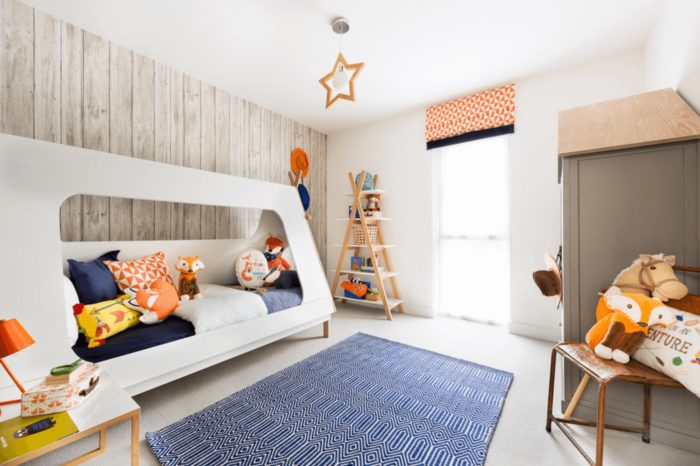
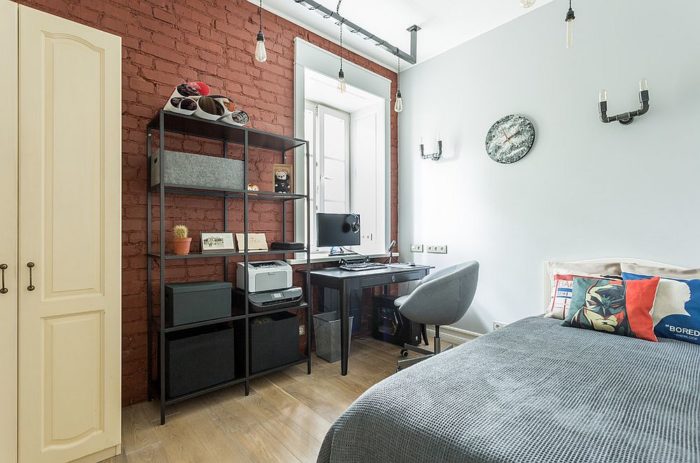
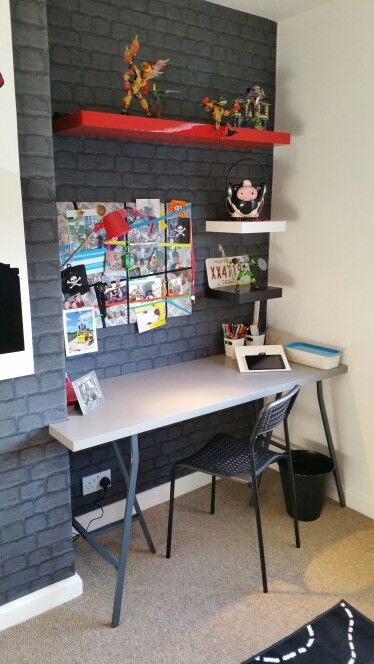
In loft style, the furnishings can be dark, while the kids’ room interior is balanced with warm colors: orange, yellow, brick red, and so on.
5. Zoning
There are two types of kids’ room zoning: horizontal and vertical. The second is more interesting and extreme, but first things first.
Horizontal
A kids’ room layout usually has to be made within a very small area. That is why permanent, nonfunctional partitions are not an option for us. If the space is divided at all, it should be only with cabinets. The ideal partition is a cabinet or shelving unit.
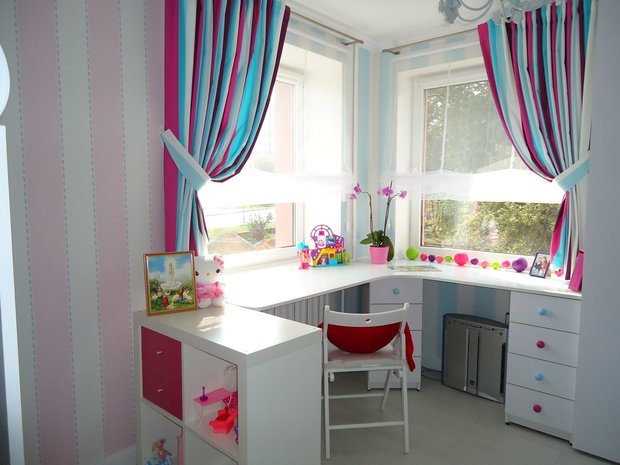
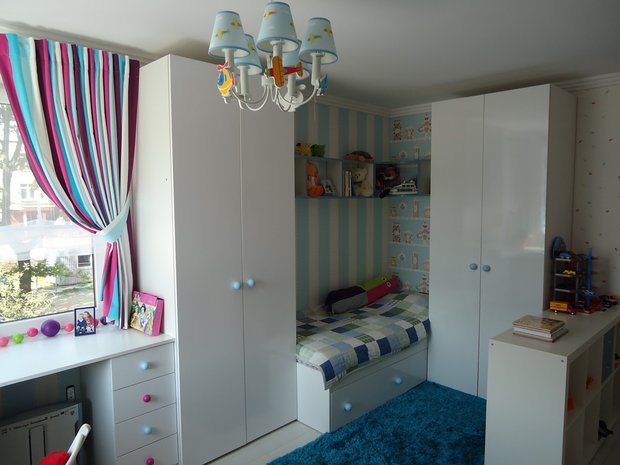
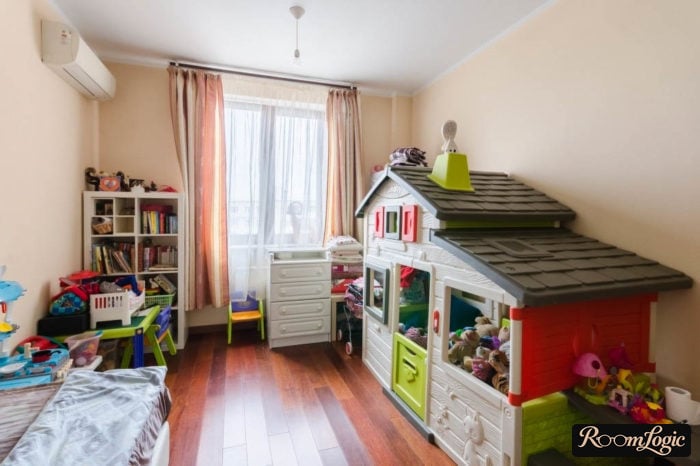
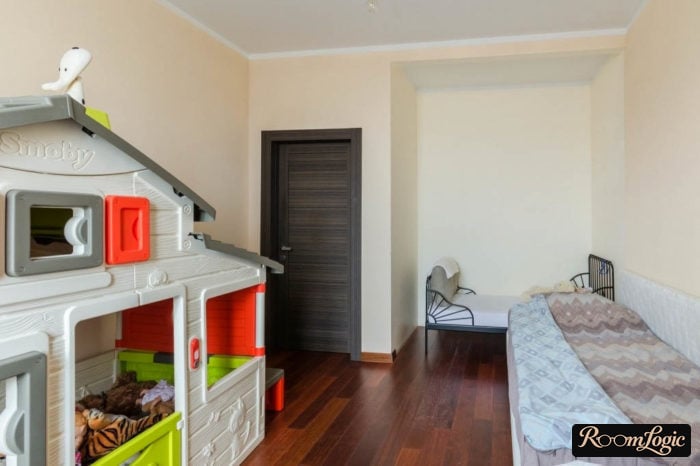
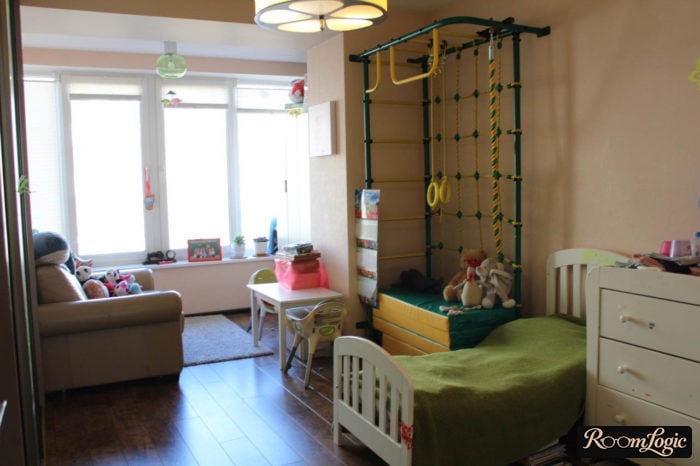
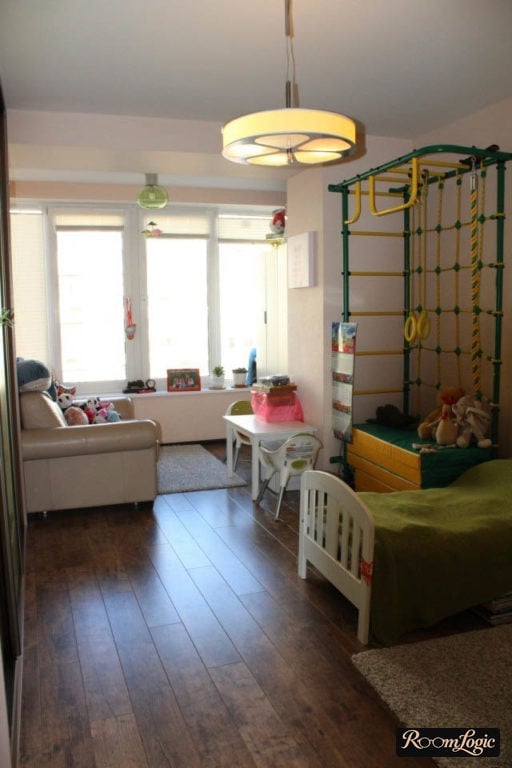
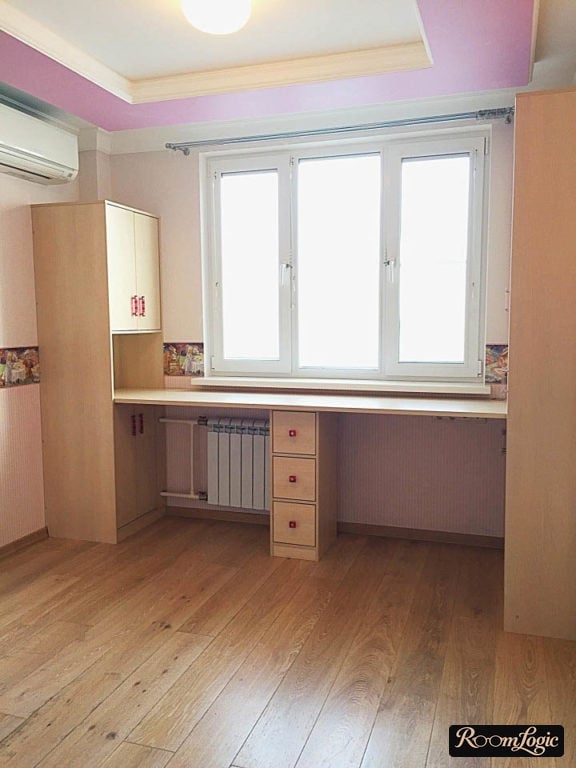
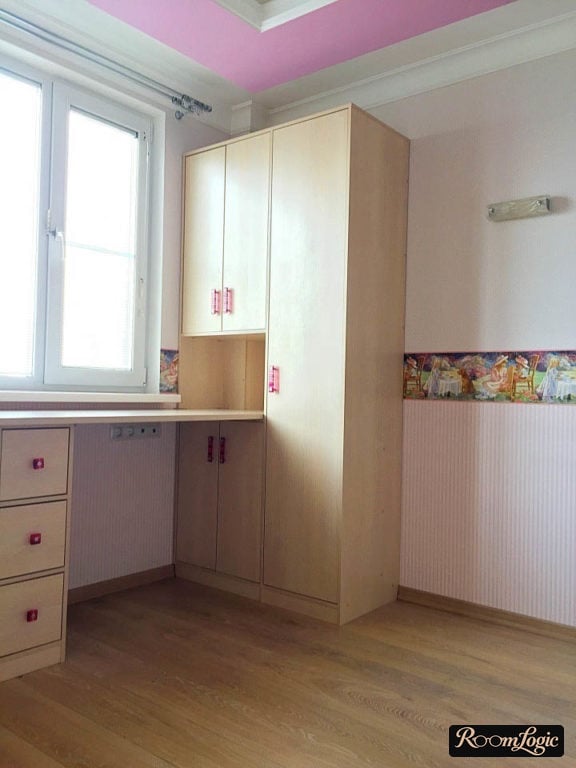
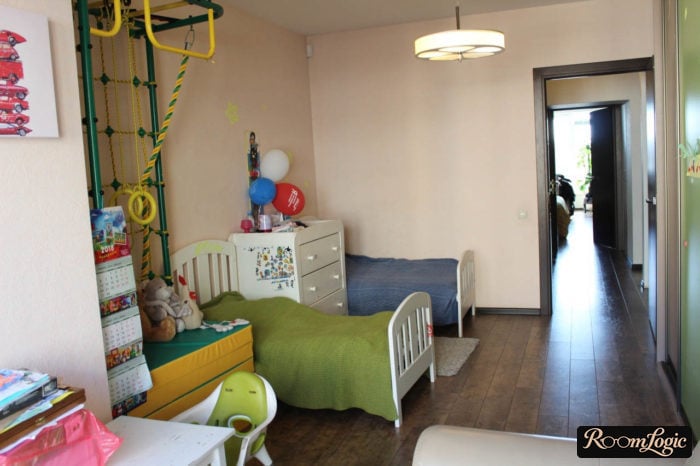
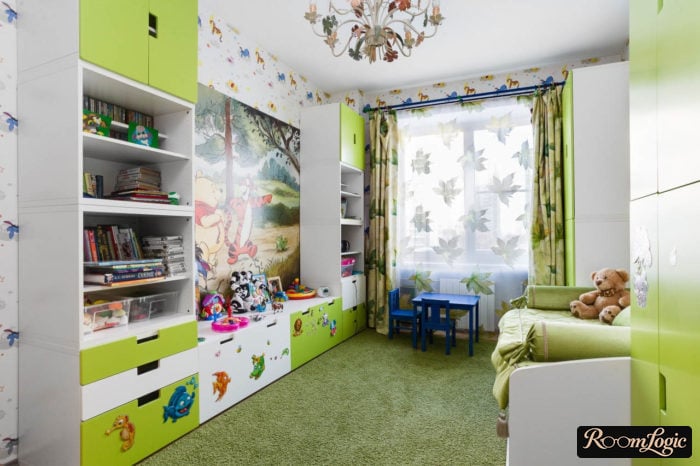
Usually, the task is to move the play area and desk as far apart as possible. To do this, the sleeping and resting area should be between them. A child is more likely to be distracted by play than by sleep. That is why placing the bed by the desk is relatively safe.
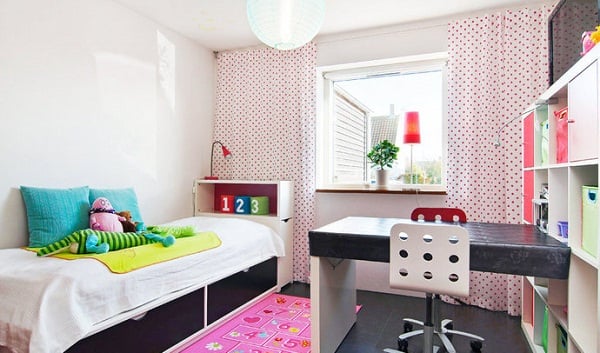
Vertical
A more interesting and complicated option is zoning a kids’ room by height. Placing different zones at different heights uses volume, not only floor area. Most importantly, children really like vertical zoning; it gives them a feeling of protection and their own little corner.
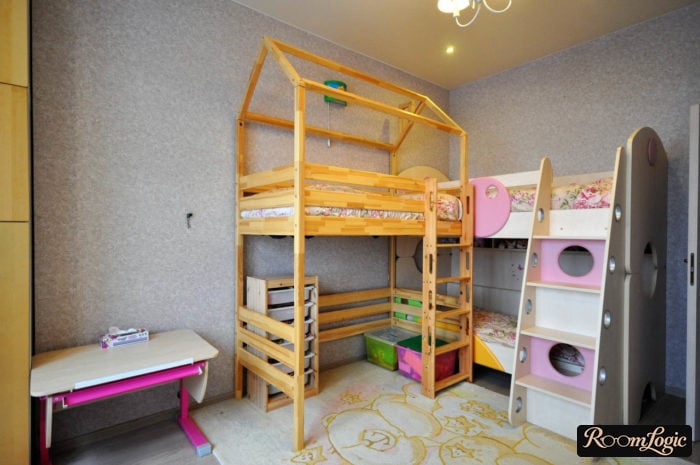
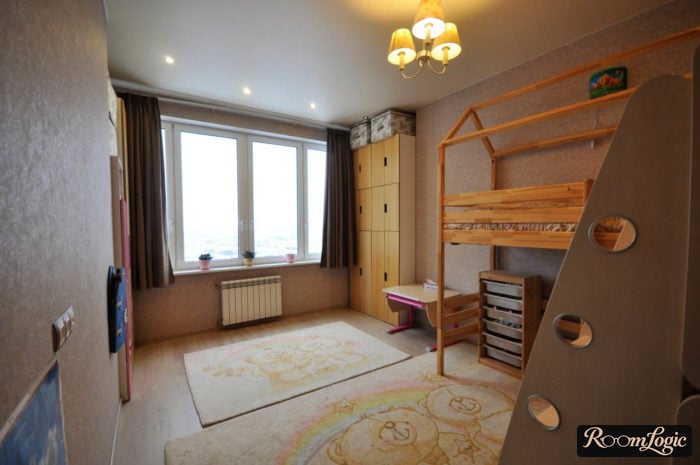
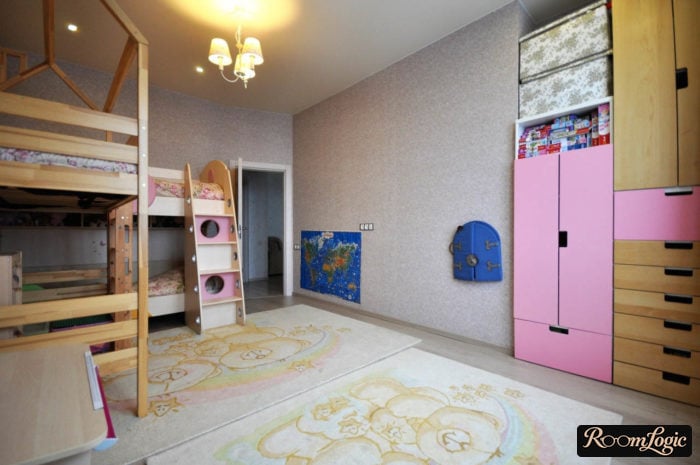
Since fitting several children at once is the hardest task, you can find the most interesting vertical-zoning ideas in the articles:
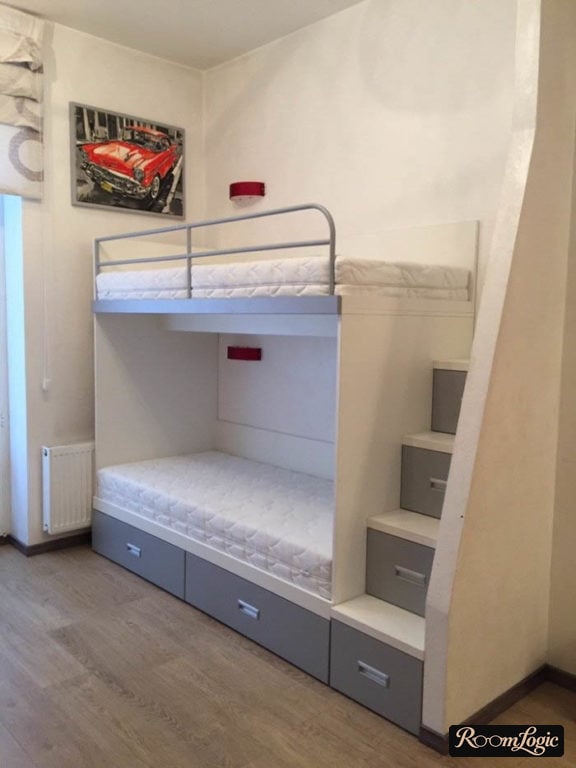
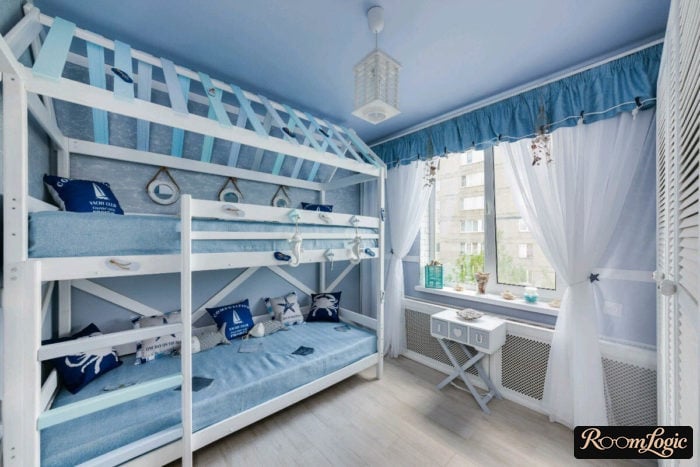
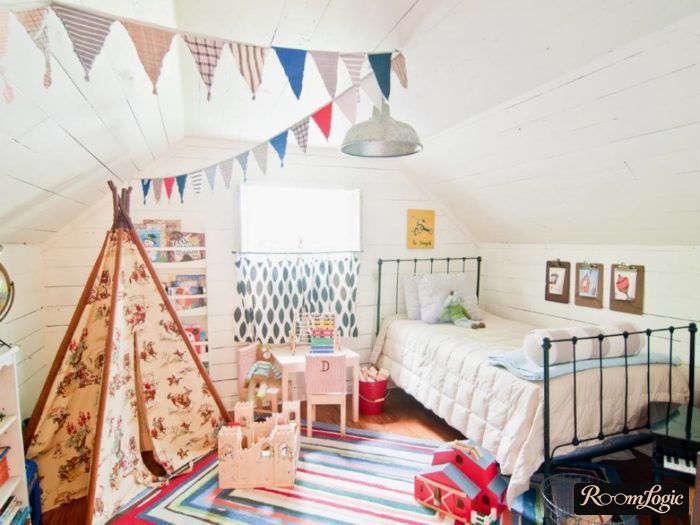
Children sometimes want a cozy place that belongs only to them. That is where the love of tents, blanket forts, and forts under tables comes from. The ability to climb up and settle a little higher belongs to the same category. This design technique is fashionable now.
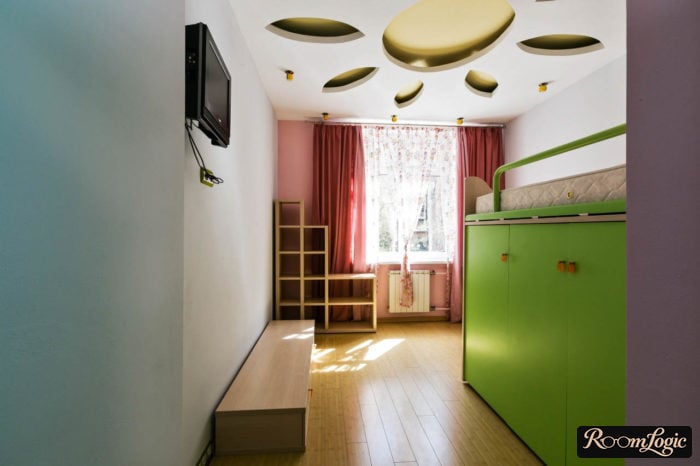
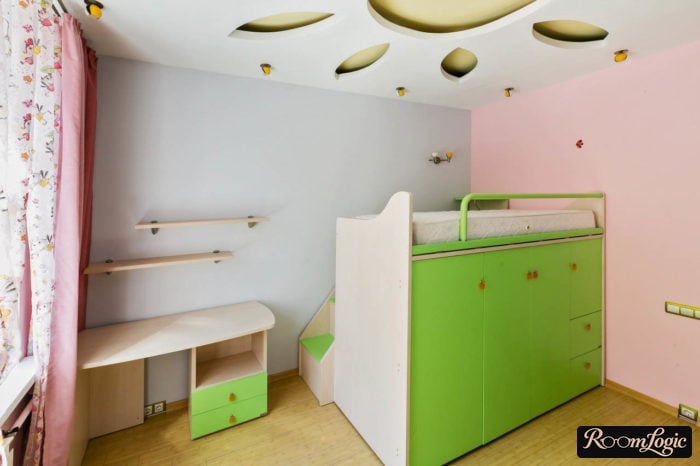
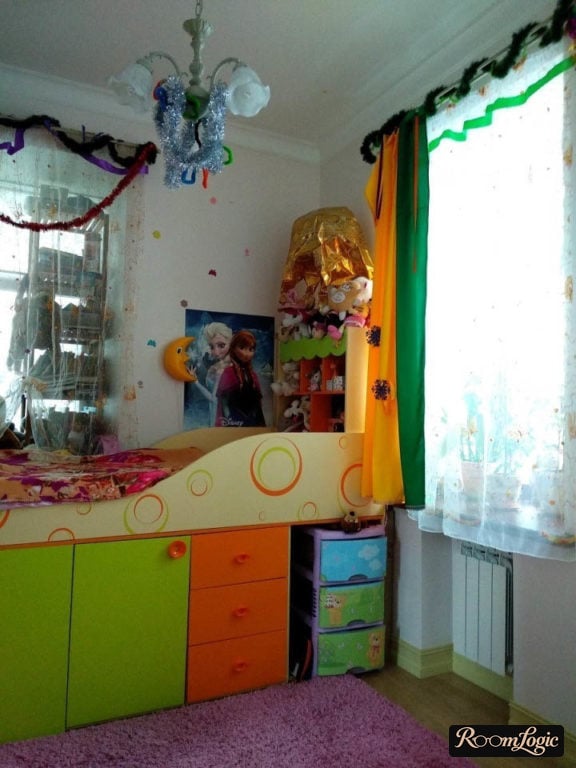
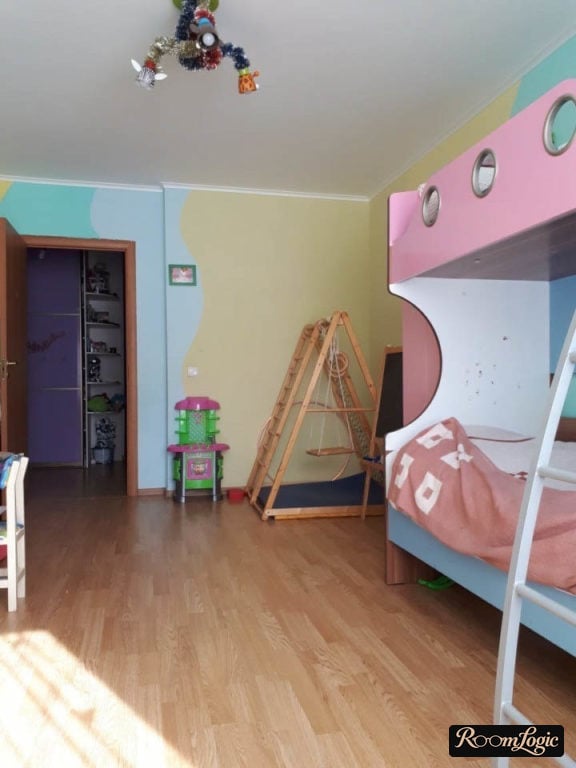
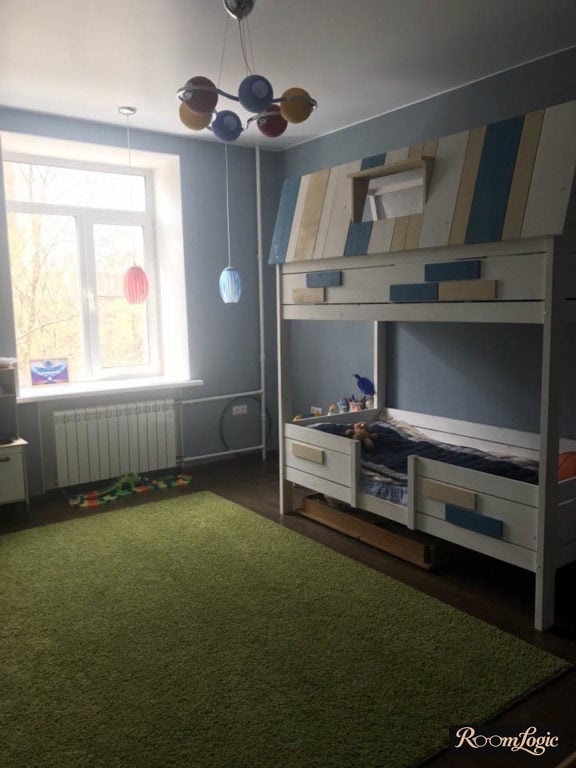
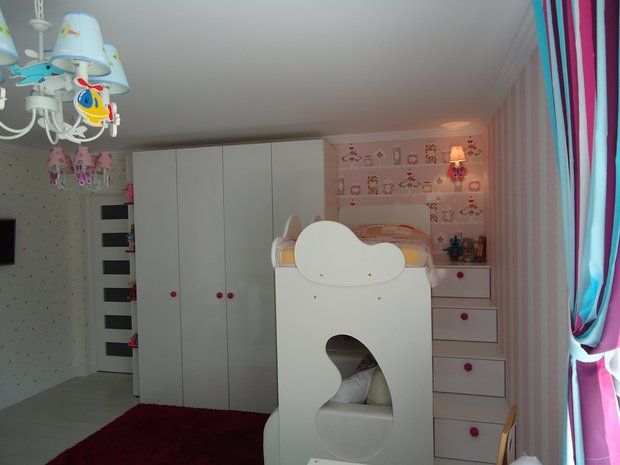
A bunk bed or loft bed is the best solution for zoning a kids’ room. It is impossible to invent anything more practical, attractive, and rational. If it is custom-made, its appearance will be excellent too.
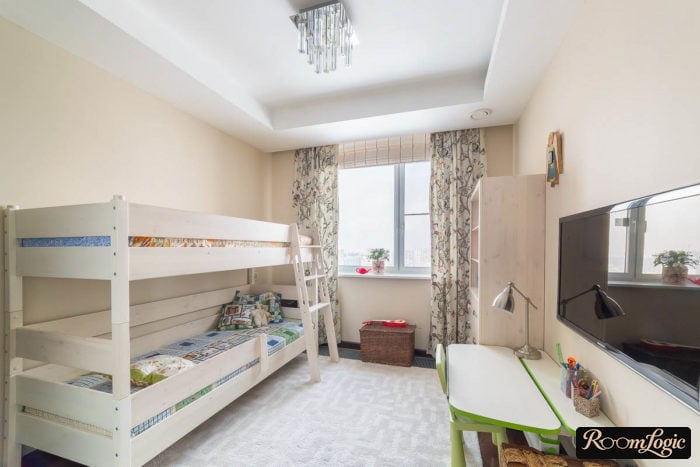
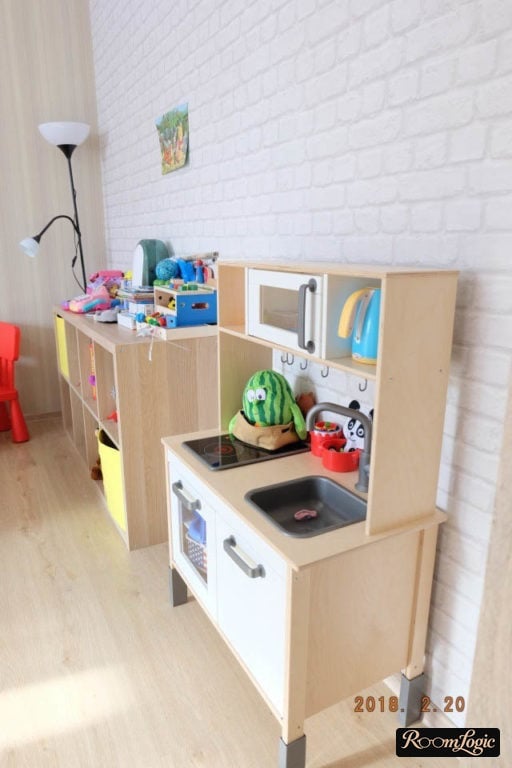
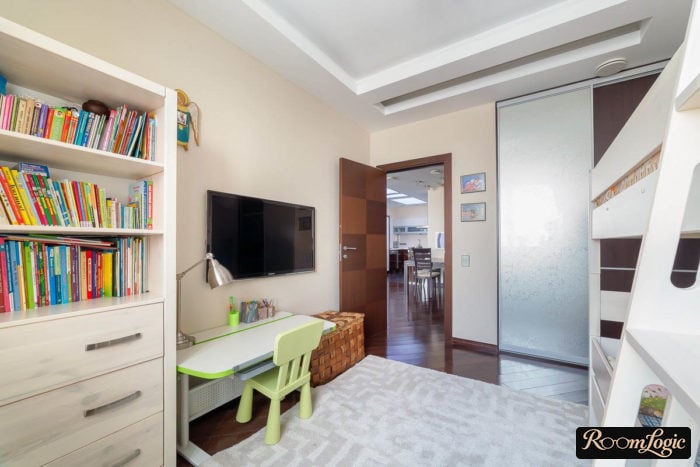
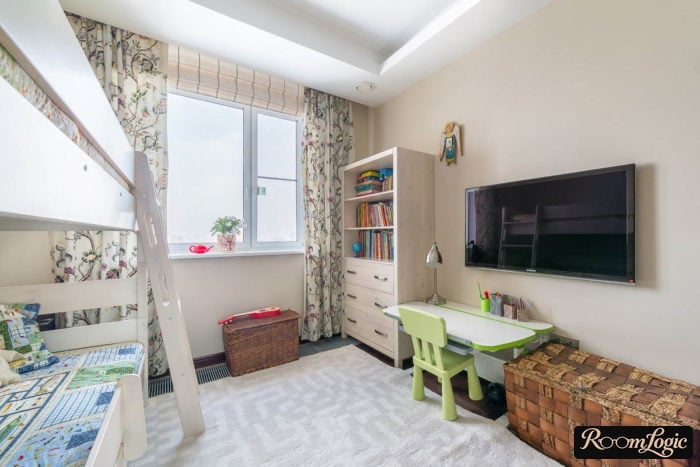
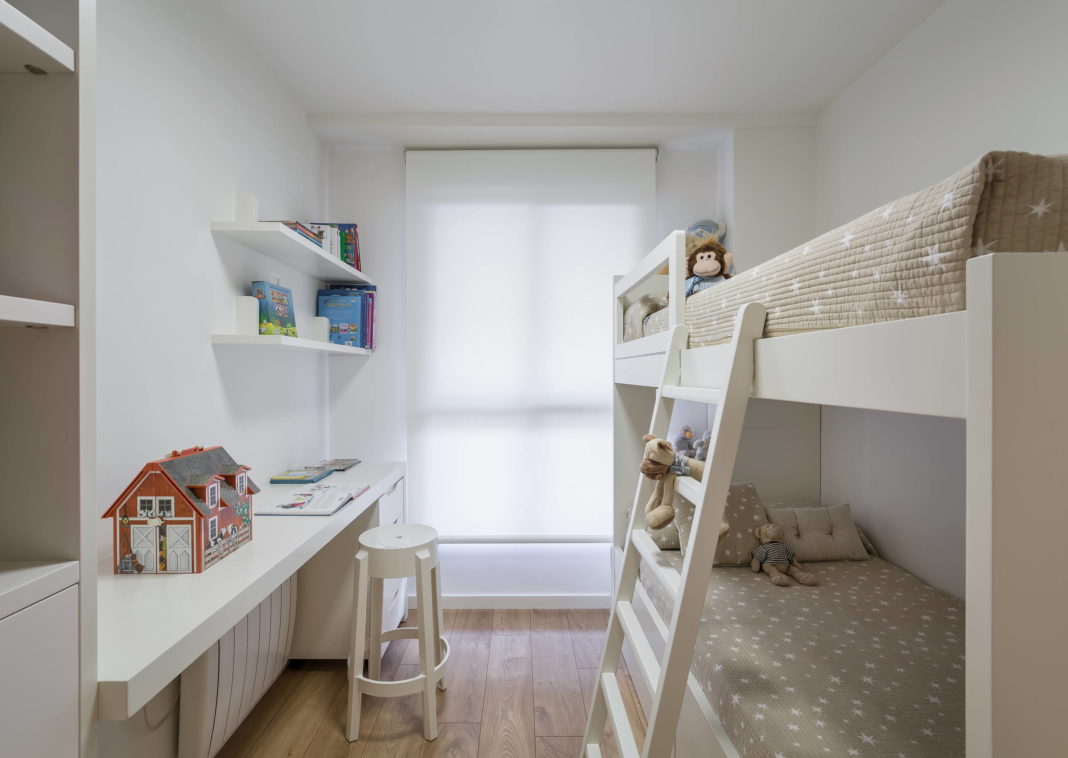
The first level can hold a cabinet, desk, sofa, play area, or another bed. One idea is to make pullout drawers in the steps. Here are several photo examples of stylish two-level beds:
6. Lighting
Planning the electrical system and lighting is extremely important. A kids’ room is a bedroom, living room, home office, and playroom – a bunch of functions.
Separate lighting circuits:
- Bed – for reading.
- Desk – for homework.
- General overhead light.
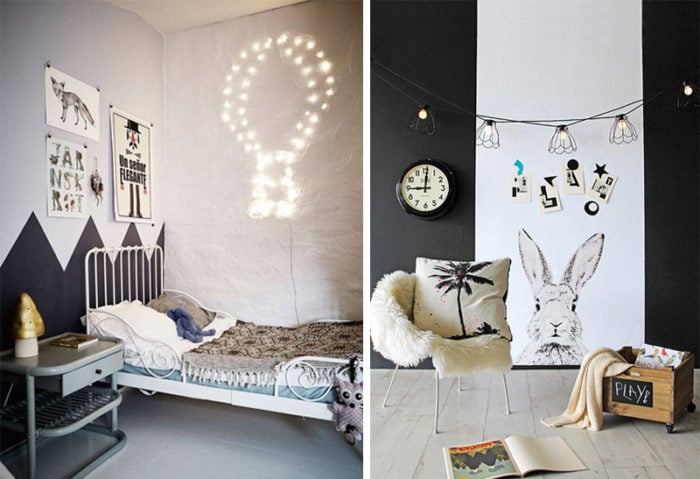
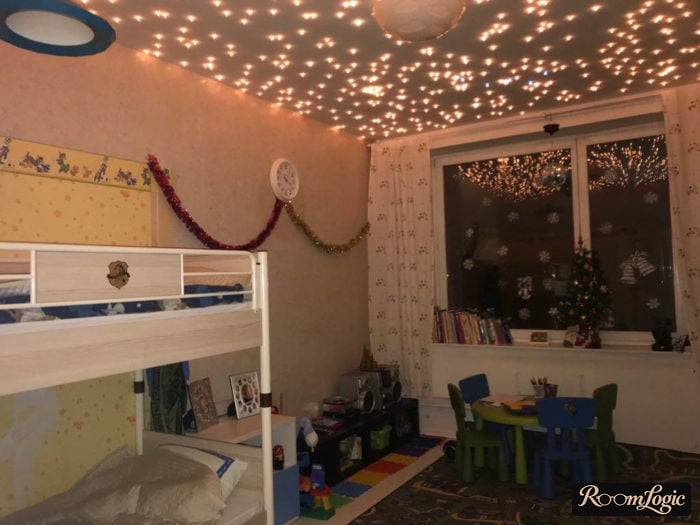
- Background ambient lighting for the evening, when bright overhead light is not needed.
Lighting is both an element of kids’ room design and a clever zoning method. Make separate controls for the light by the desk, plus a desk lamp, and for the toy area. Even on a day that is not particularly bright, the play area will already be less well lit than the desk and will attract slightly less attention. In the evening, it should be possible to light only part of the kids’ room.
7. Safety
Furniture can cause harm in two ways:
- Emission of harmful substances
- Injuries
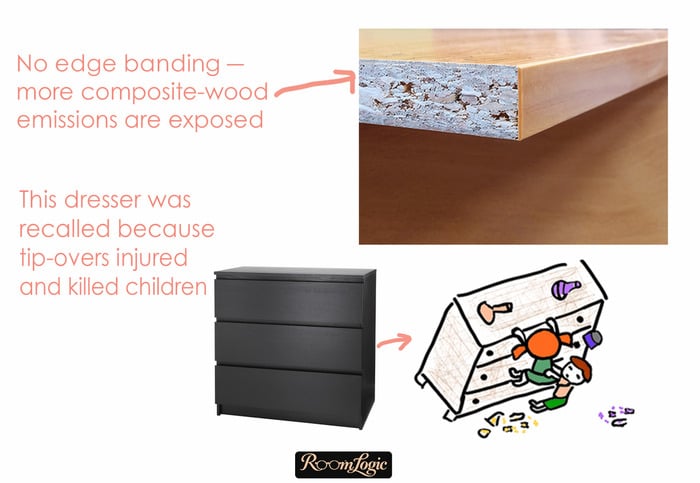
MDF and particleboard are two ways to create a wood texture in furniture. Both use resin binders and can emit formaldehyde. For furniture sold in the United States, look for a label stating that the product is TSCA Title VI compliant.
It is important that the MDF and particleboard be fully laminated and the edges covered with edge banding. On cheap models, edges are often not covered where they cannot be seen, for example, on the back. This is absolutely unacceptable – edge banding should be everywhere.
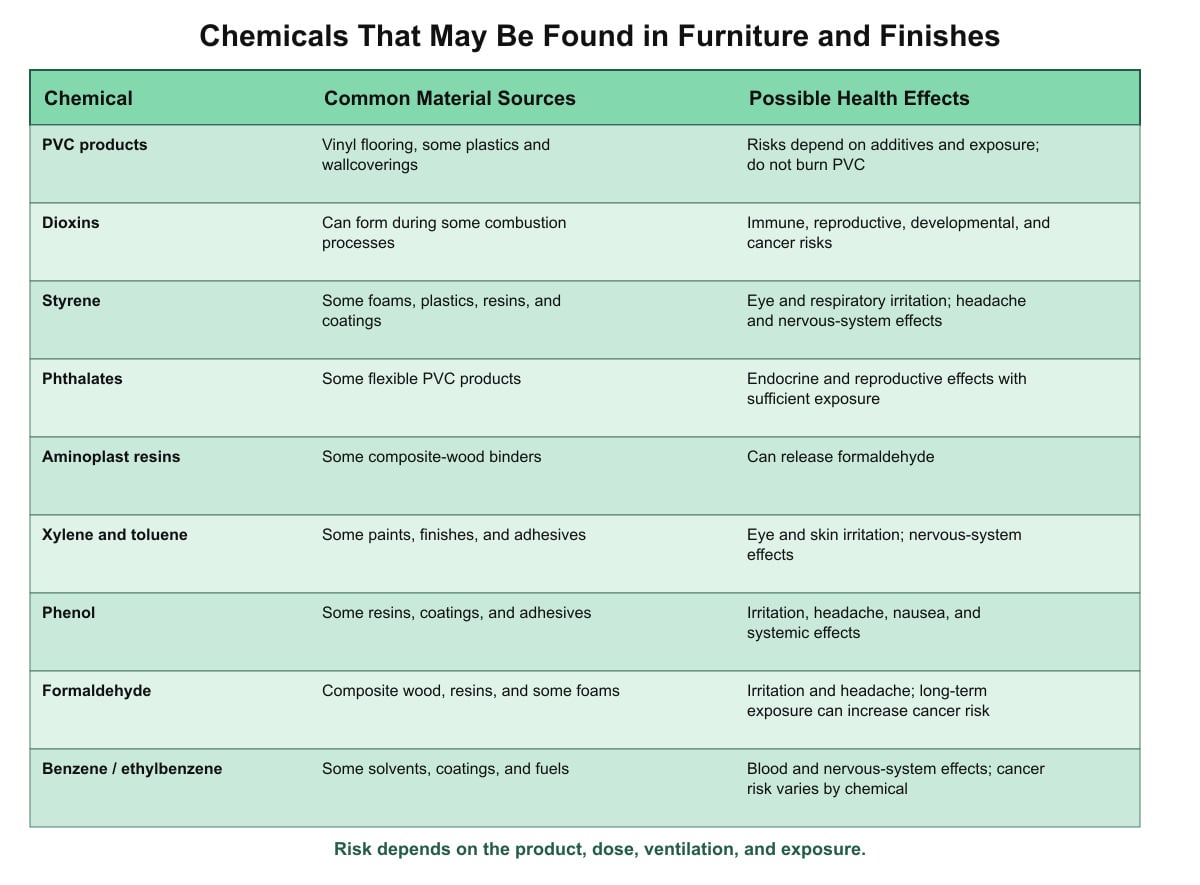
After remodeling a kids’ room or bringing in new furniture, wait at least two weeks before moving in because emissions are stronger at first. Do not keep the windows closed – the air should circulate.
Smell is an indicator; there should not be one. Even if the smell of new furniture or a remodel seems pleasant, it is harmful.
Ordinary bumps and falls are not the main risk here.
But furniture falling on a child is dangerous. That is why everything must be firmly secured so it will not tip even if a child hangs on it. There was a widely reported recall of 29 million dressers and lawsuits after children pulled on an edge, the dresser fell, and six children died.


Conclusions:
- Keep the main finishes and furniture neutral. Adjust the kids’ room design to the child’s age with accessories so it changes as the child grows.
- If bright, saturated colors are planned, use white furniture.
- It is better to stay with a pastel color palette.
- Choose contemporary design styles.
- Everything must be secured reliably. If there is particleboard or MDF, the edge banding should cover even the hidden sides. Make sure the ventilation is working properly.