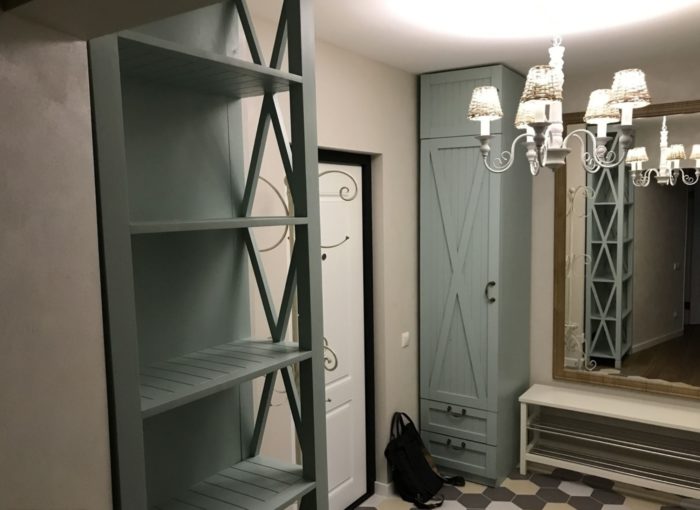
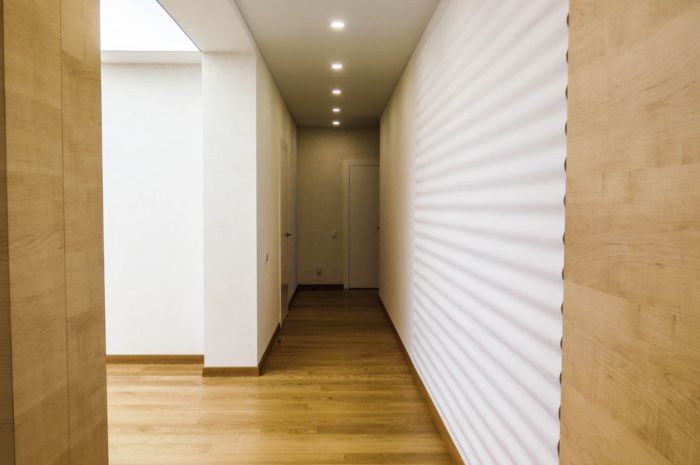
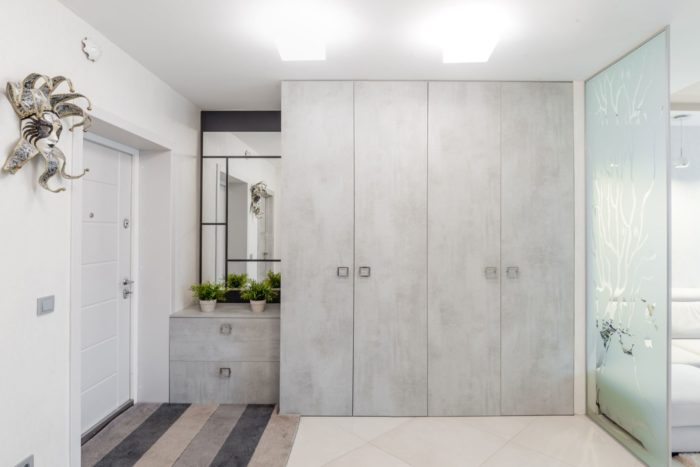
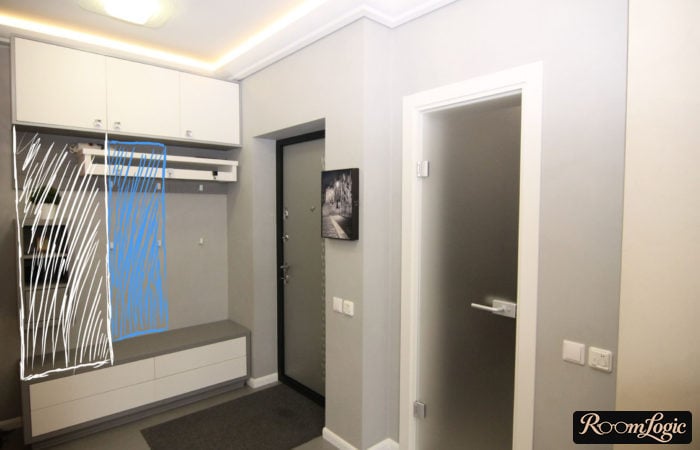
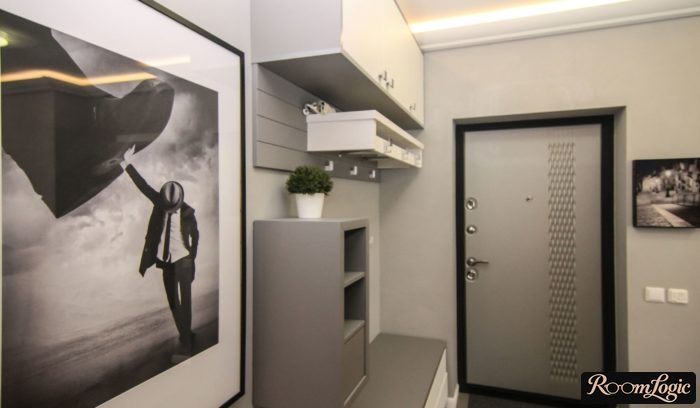
An entryway is the part of an apartment by the front door. We will talk about choosing flooring for this area, sometimes calling it a hallway, although that is not completely correct.
No, tile on a hallway floor is not required, although it has advantages; modern laminate handles normal entryway use. To be objective, we will look at every entryway flooring option and combination and compare tile and laminate with reasons.
In case you do not have the patience to read to the end, the main point of the article is that tile and laminate are equally suitable for an entryway floor. The most serious mistake is making a tile area in front of the door and joining it to laminate with a transition strip.
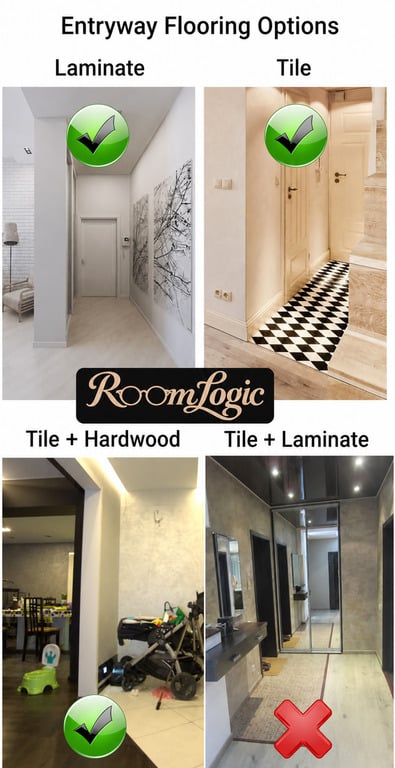
Is Tile Needed on a Hallway Floor?
Floor tile for an entryway is standard, but can it be replaced?
Theorists have argued for many years about which floor is better in a hallway, although practice has repeatedly shown that modern laminate is durable enough for every kind of normal entryway use. I have white laminate that is not even the highest grade right by my door, and there are no problems with it. Let’s discuss it in more detail.
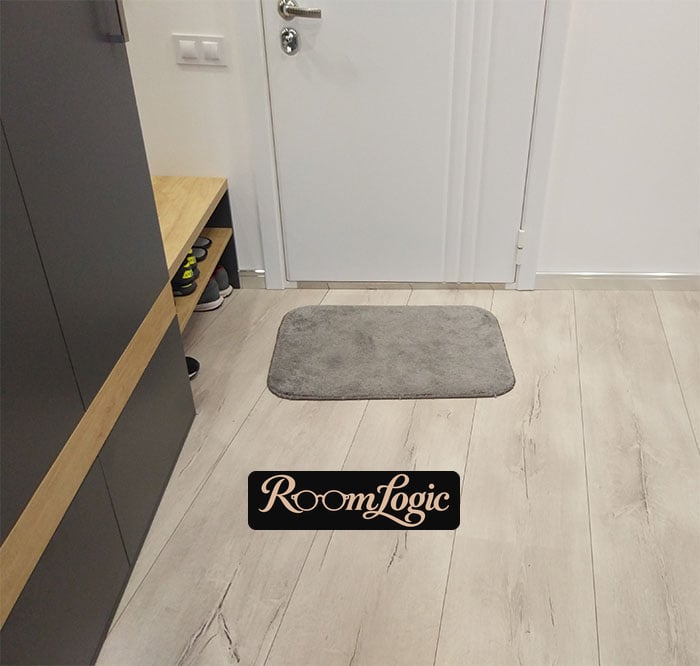
Laminate in a Hallway
The claim that laminate is sufficient in a hallway applies specifically to residential apartments without constant foot traffic. Bad reviews of laminate remain from long ago, when this material was just beginning to be used and its quality left much to be desired.
There is now a huge selection of laminate manufacturers and wear ratings on the market, and competition, as everyone knows, produces quality. As a result, all current products are very strong and durable. Almost all old laminate had square edges, while beveled edges have instead become standard on current models. Deservedly so, by the way.
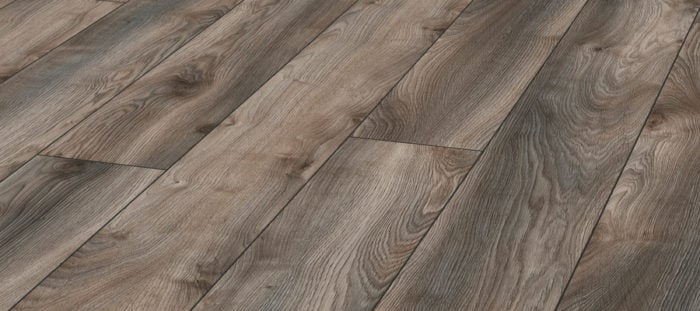
Always choose laminate with beveled edges on all four sides.
For a hallway specifically, laminate has a bunch of advantages over tile, while insufficient strength is listed among its disadvantages, although reviews do not support that. Advantages of laminate for an entryway:
- Cheaper than tile
- Feels warmer because of its low thermal conductivity
- Better sound insulation
- No need to rack your brain over how to make a joint
- Does not break objects dropped on it and does not chip itself
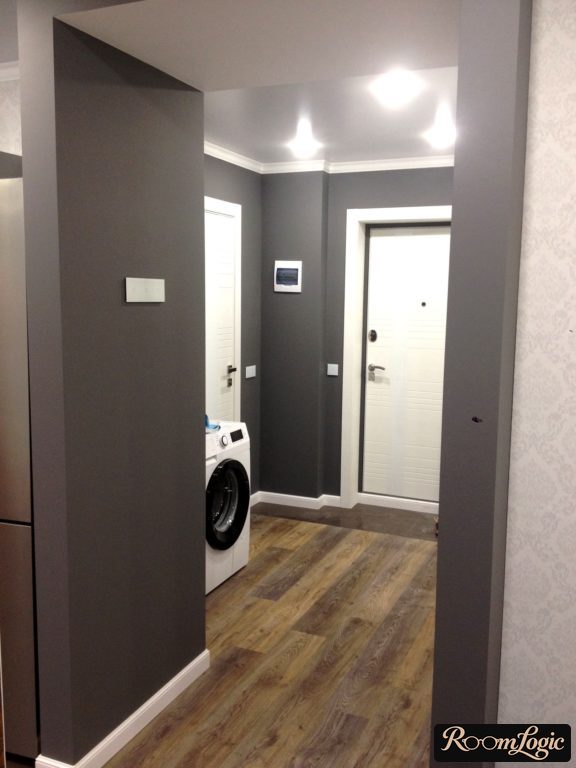
And if you have a small entryway, most of the floor will be covered by a mat anyway. Also read what a contemporary entryway in a narrow hallway should look like.
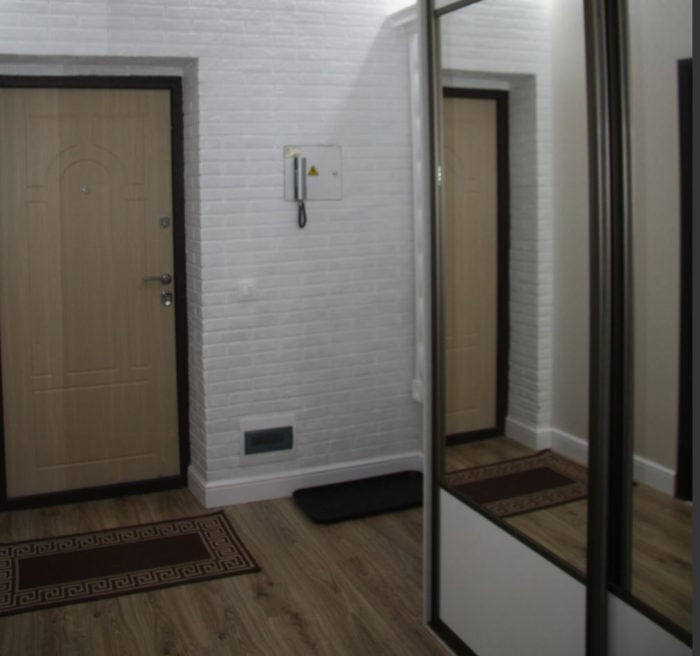
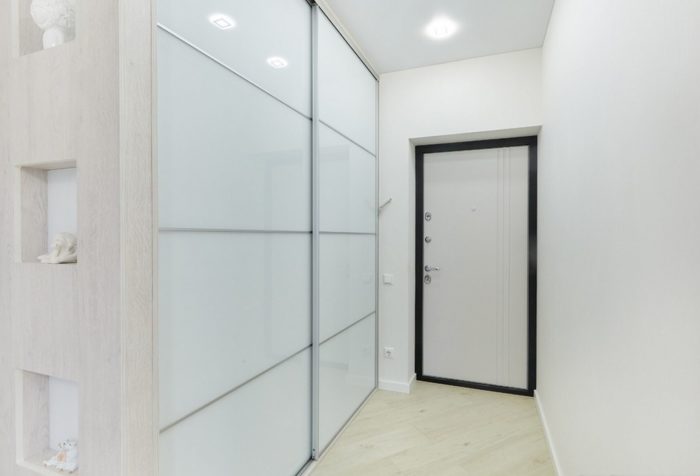
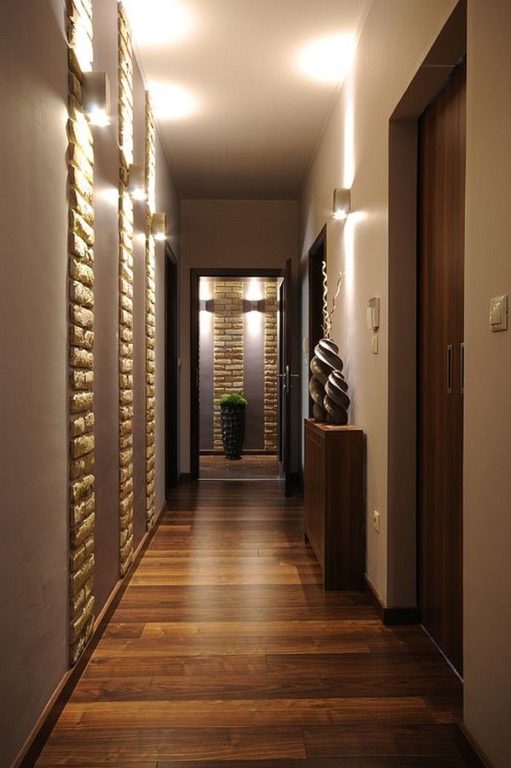
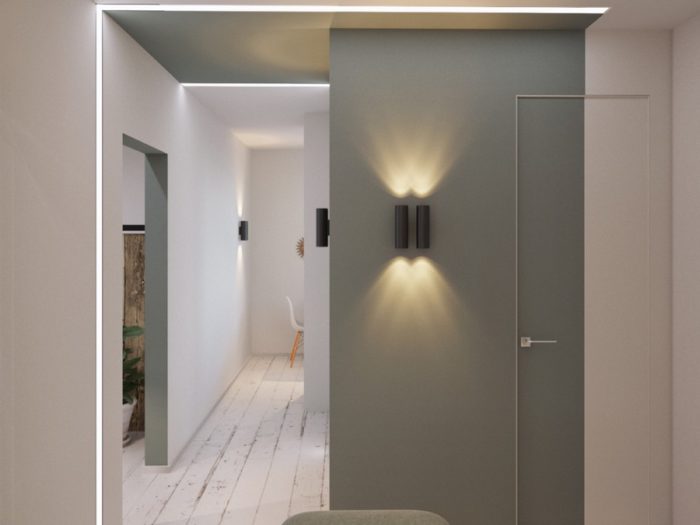
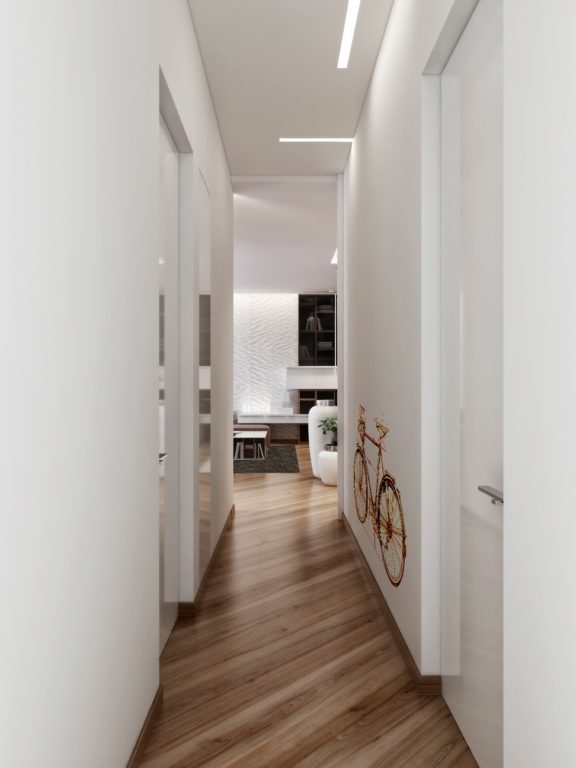
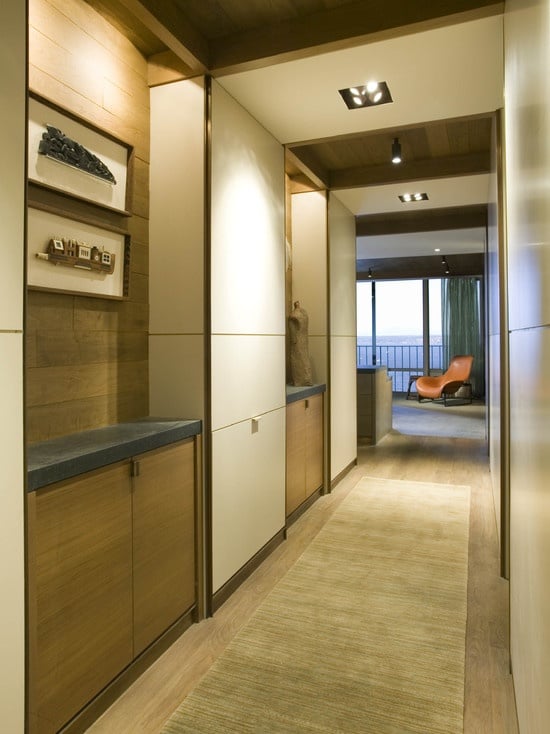
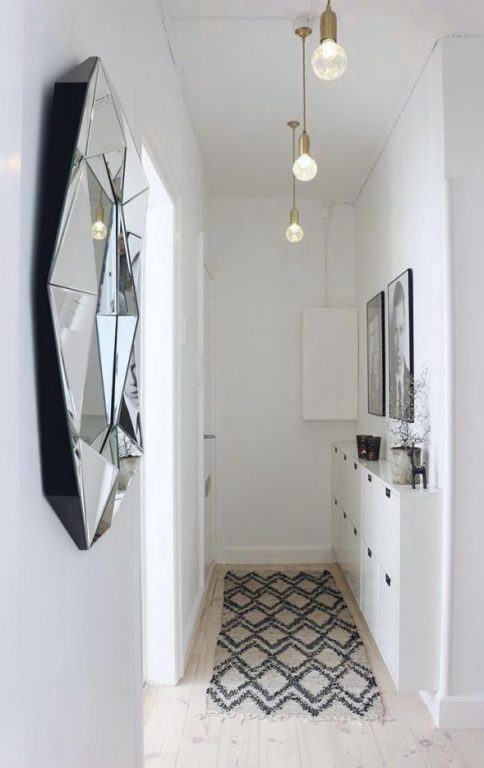
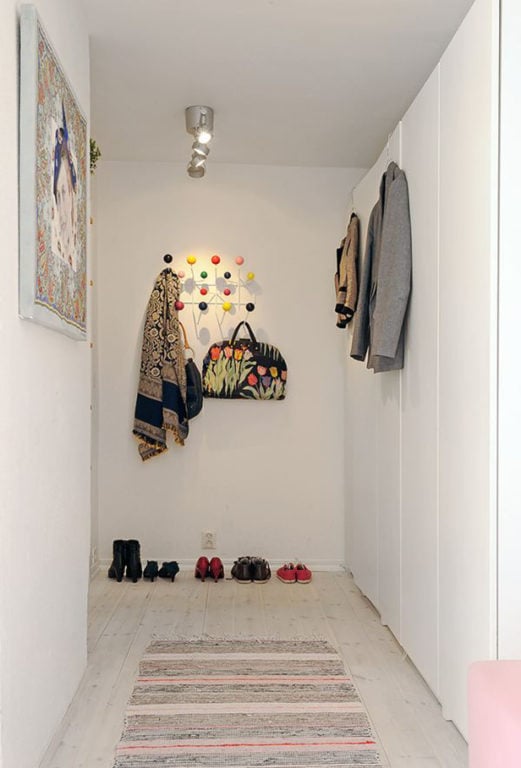
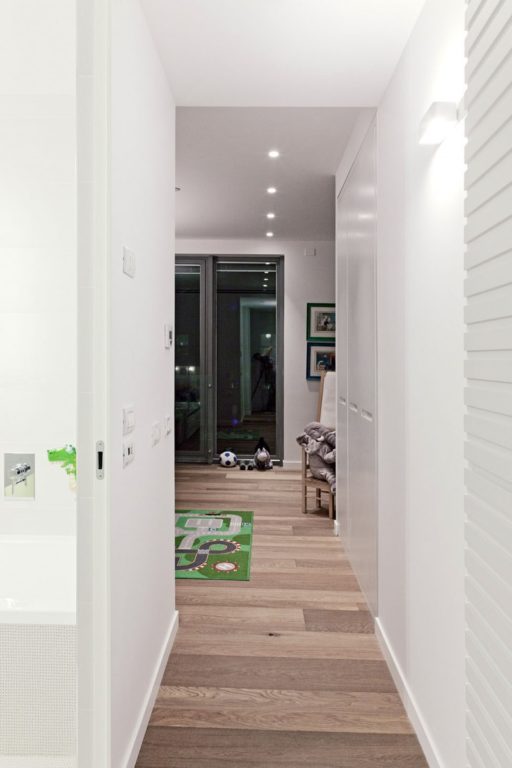
Disadvantages compared with tile for an entryway floor:
It is afraid of water. That is all.
And specifically water, not humidity or dampness. Laminate can be damaged only if it is seriously flooded with water. A weak argument, considering it is unclear where that much water would come from in a hallway.
Laminate has several wear ratings, and a common residential rating is already enough for an entryway. It is already installed in the hallways of millions of people. If there were problems with it, the internet would simply be buried in negative reviews. The few bad reviews are a statistical error and the result of installation mistakes.
We described laminate installation direction – straight, across, or diagonal – here: Apartment Hallway Design. To avoid walking through the entire entryway in shoes and outerwear, it is important to choose and arrange furniture properly. We discussed this topic in the article about Apartment Entryway Design.
Ceramic or Porcelain Tile on an Entryway Floor
When people say “tile,” they usually do not specify whether they mean ordinary ceramic tile or porcelain tile. If you want to use tile on a hallway floor, you need to know that ordinary wall tile is not suitable for this. Wall tile is no good for an entryway floor – it scratches and chips too easily. That is why it is better to use floor-rated porcelain tile for a floor, not only in a hallway.
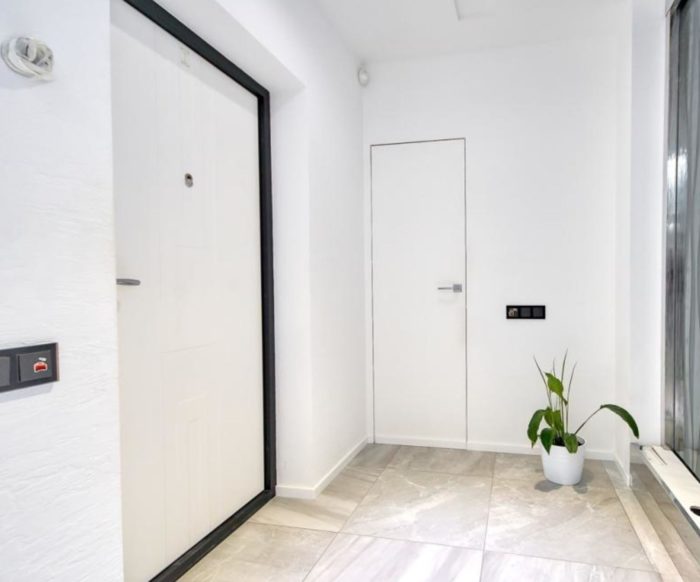
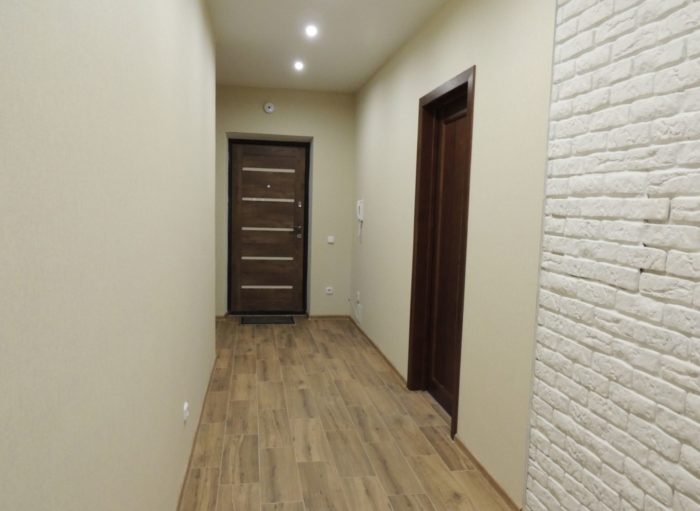
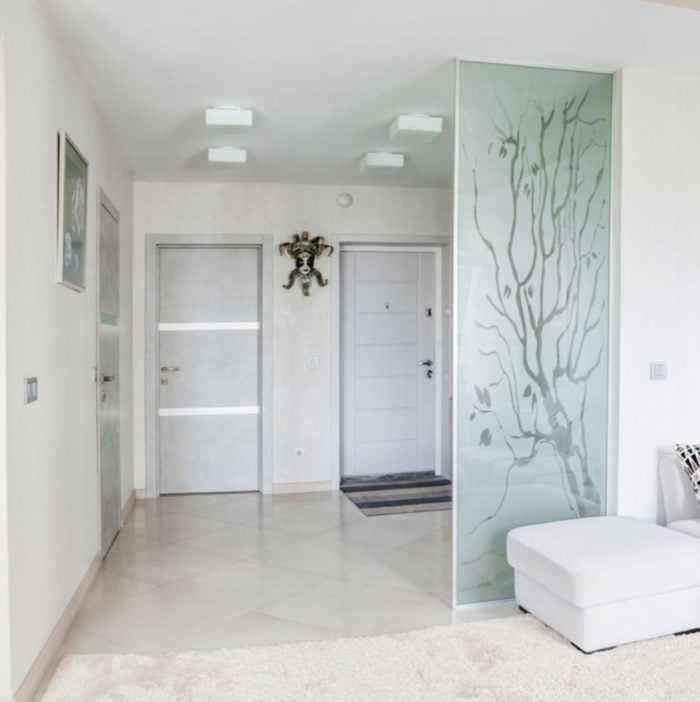
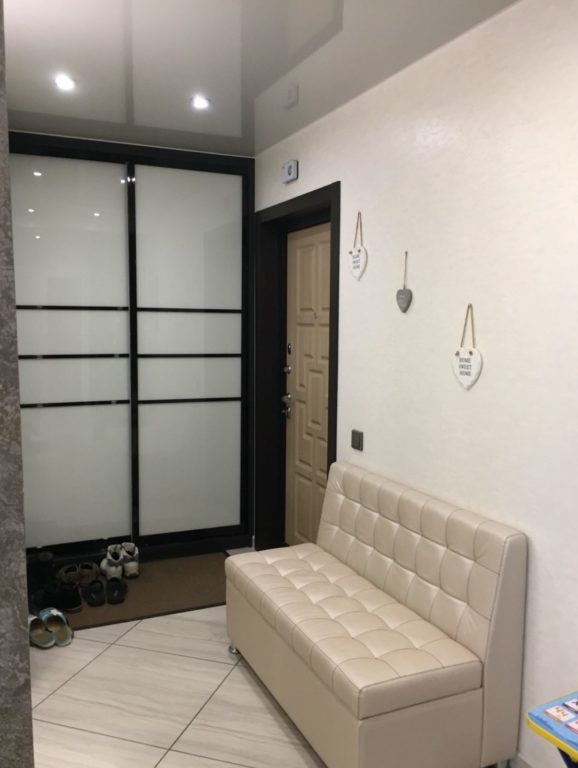
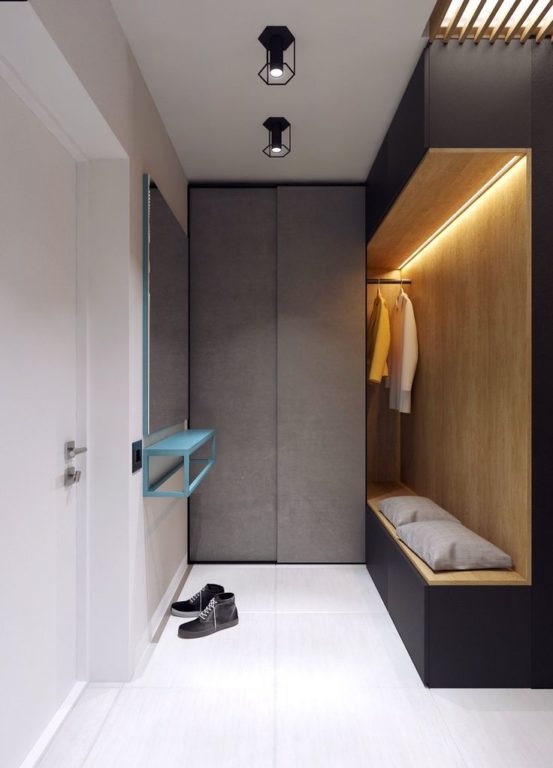
For floor tile, it is always better to use porcelain.
It is impossible to distinguish ordinary ceramic tile from porcelain visually; either can have any pattern. But as soon as you pick it up, everything becomes clear – the density and therefore the weight of porcelain tile is much greater. Because of this, it is much stronger and generally not subject to wear. Porcelain tile is so strong that it can be laid on floors in public places and will not lose its appearance for years even there.
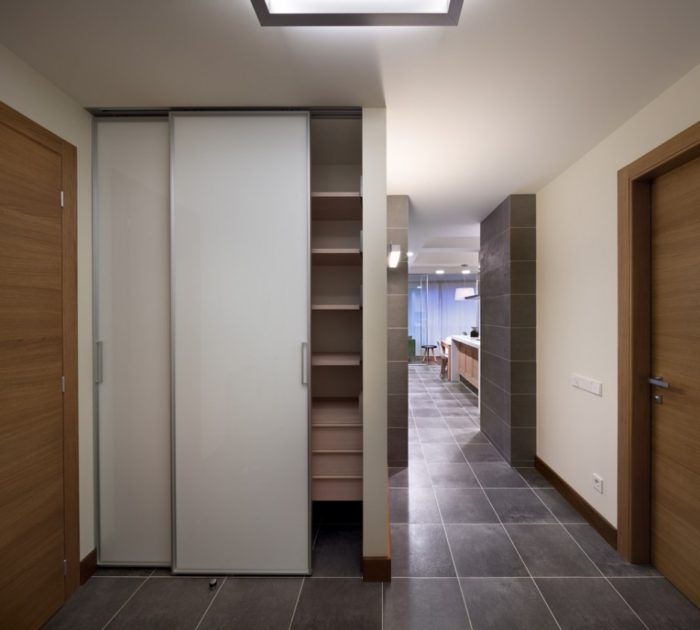
And this property of porcelain tile is of course very useful, but it simply is not needed in an apartment hallway. The load is not as heavy as it may seem. Putting on and taking off shoes a couple of times a day is nothing. That is exactly why we say that laying tile on a hallway floor is excessive. This is not a kitchen or bathroom, where a lot of water constantly gets on the floor. And water resistance is the only thing laminate lacks.
But tile on a hallway floor has no disadvantages in terms of design – the selection is enormous.
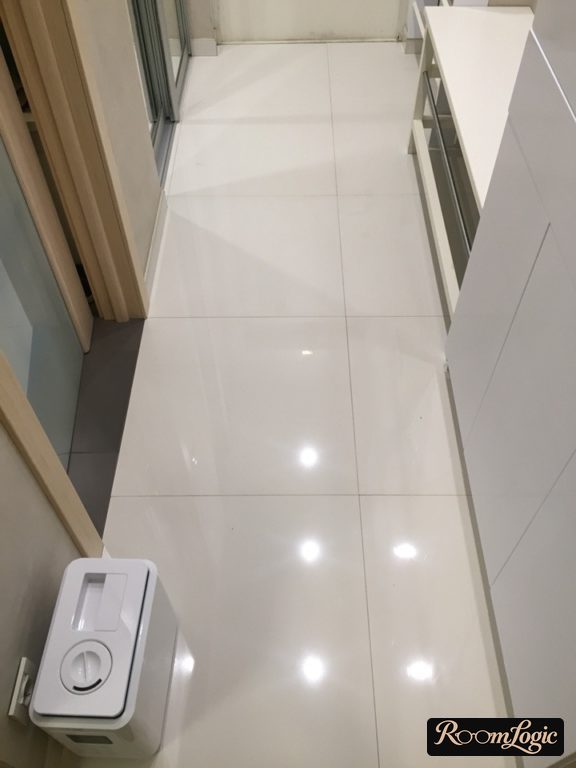
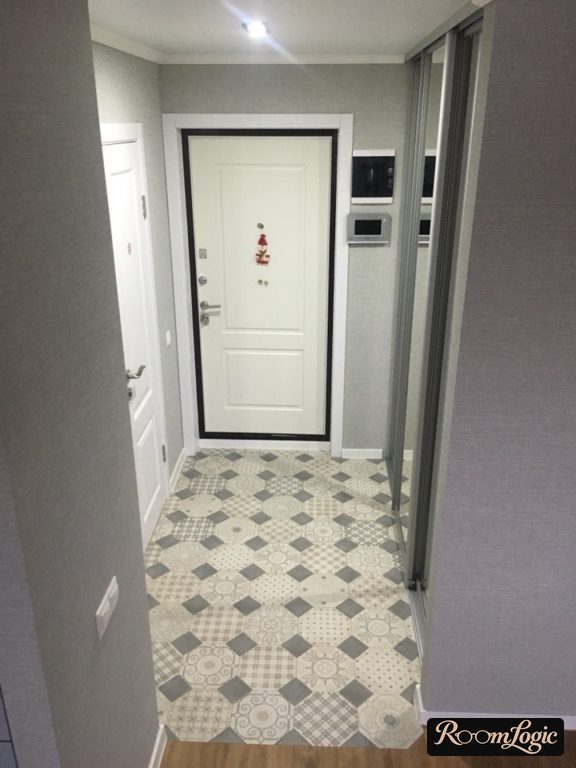
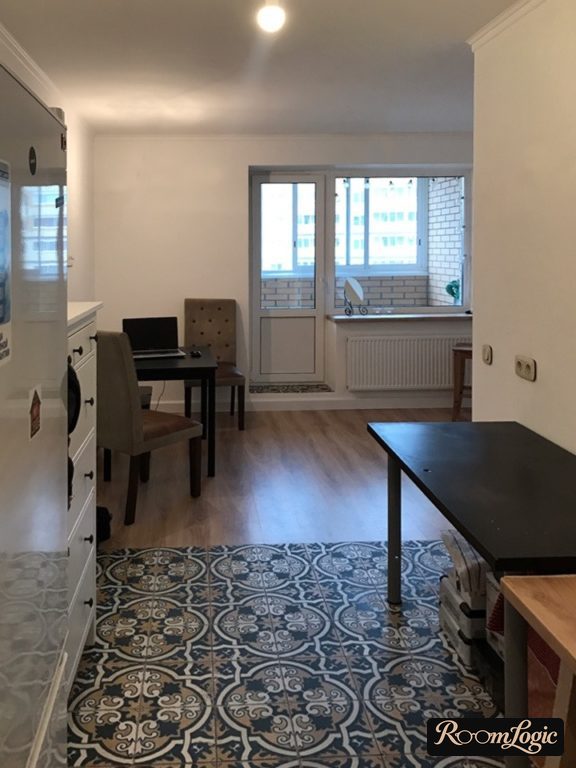
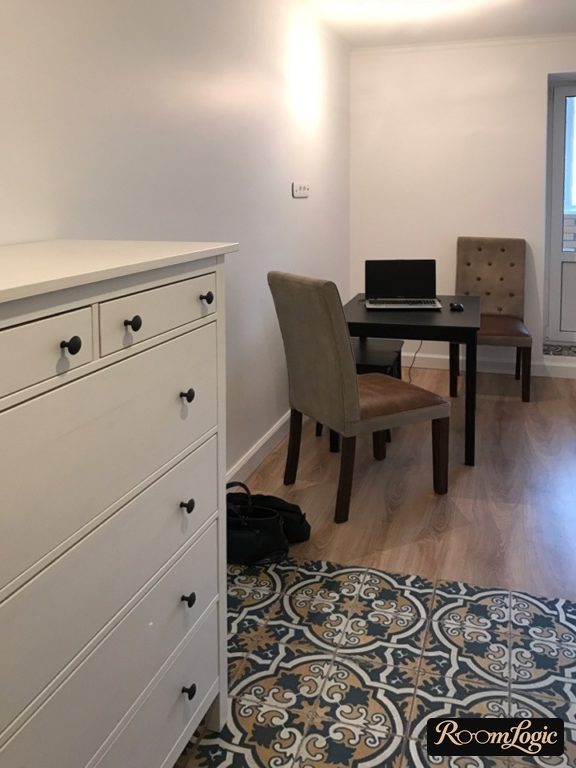
There is a huge number of appearance options. I already wrote about this in the neighboring section: Bathroom Tile – Design and Photos. Even if you consider only porcelain tile, you can easily find stylish contemporary options imitating wood, concrete, or anything you like. In terms of appearance specifically, laminate has no particular advantages. That is why it is also wrong to say tile is a bad option for a hallway floor: tile and laminate are equally good.
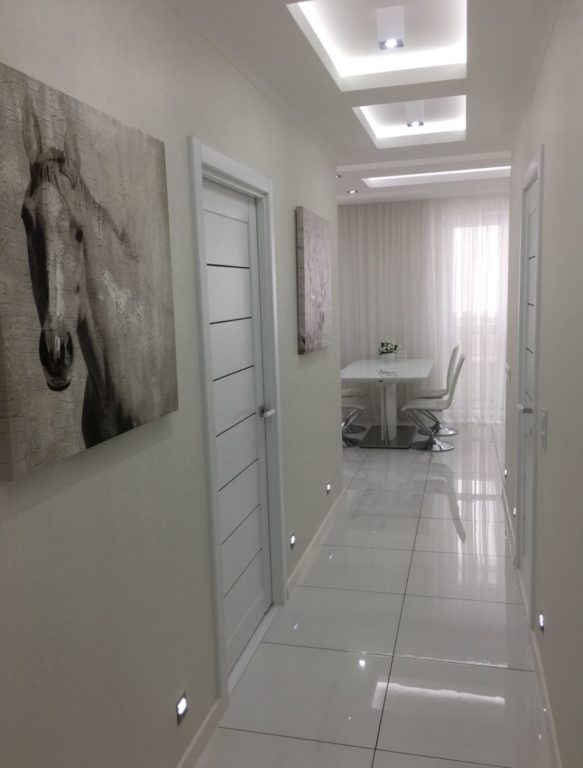
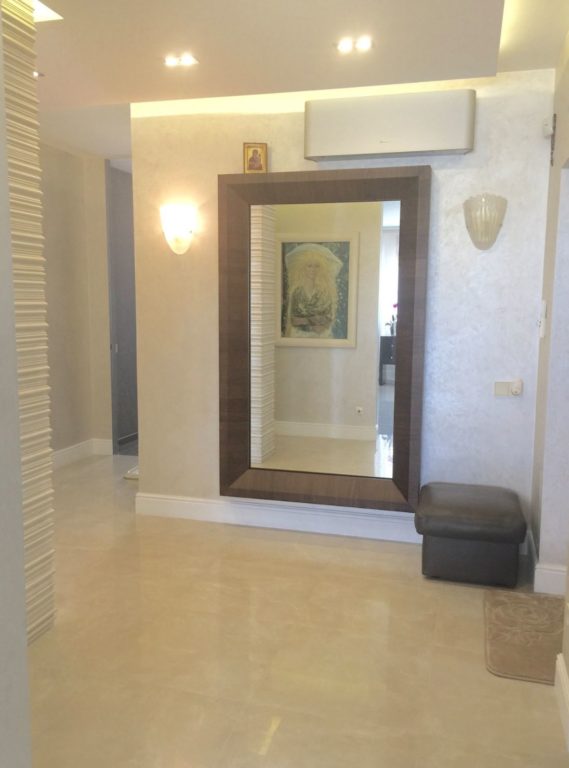
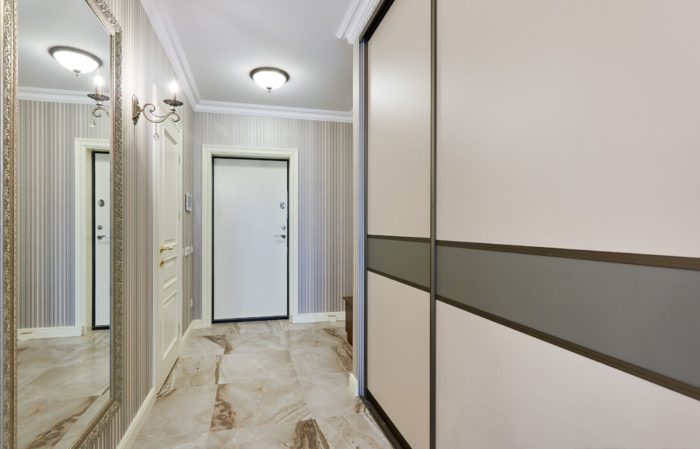
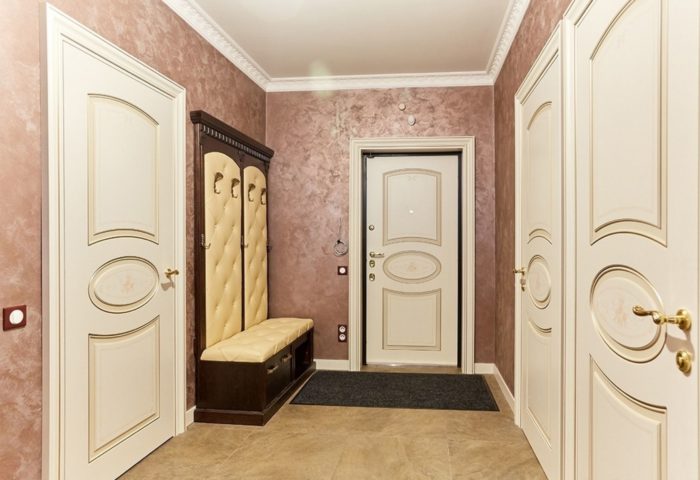
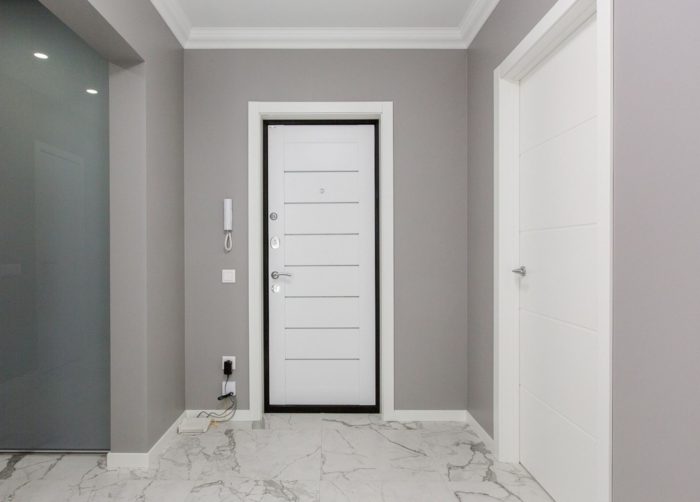
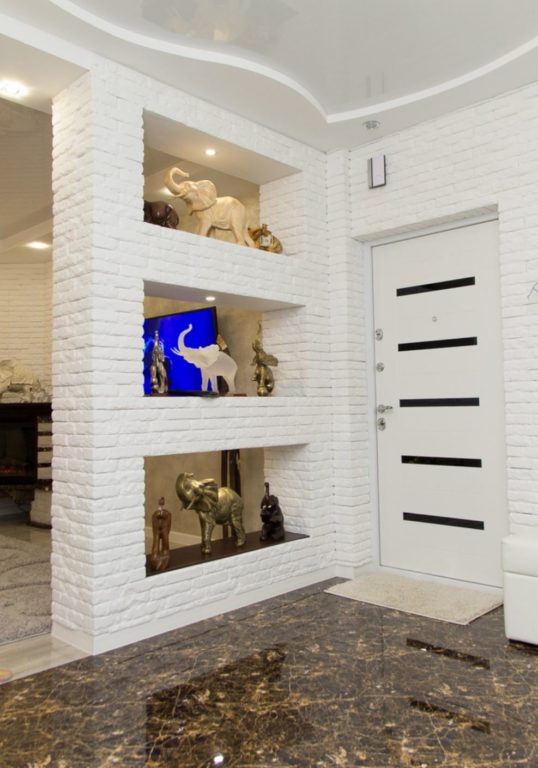
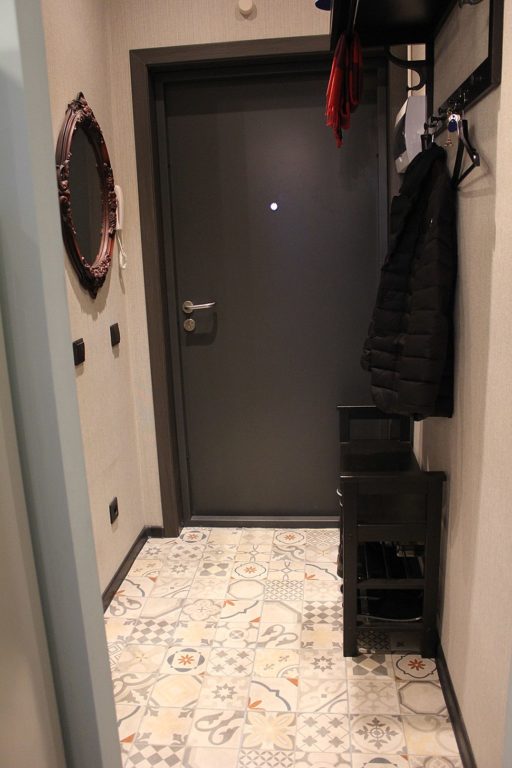
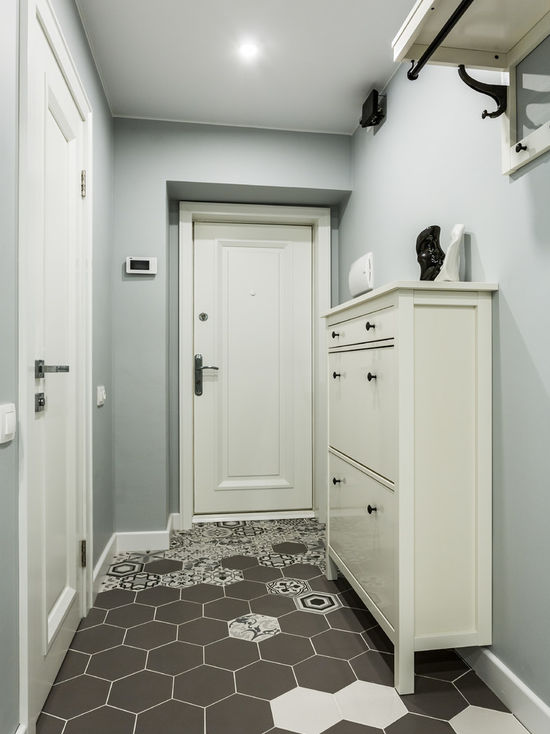
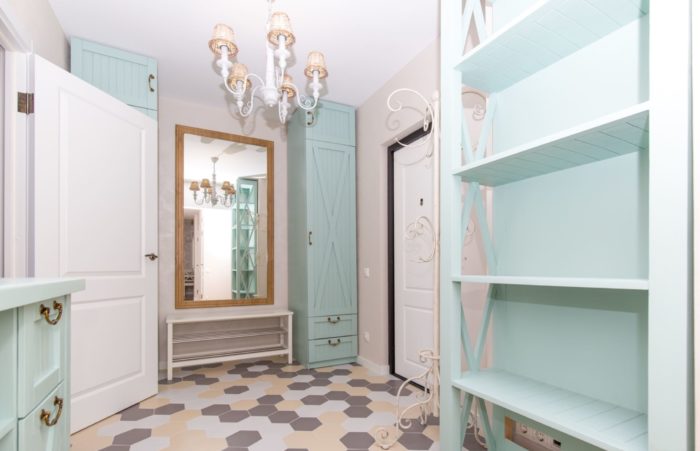
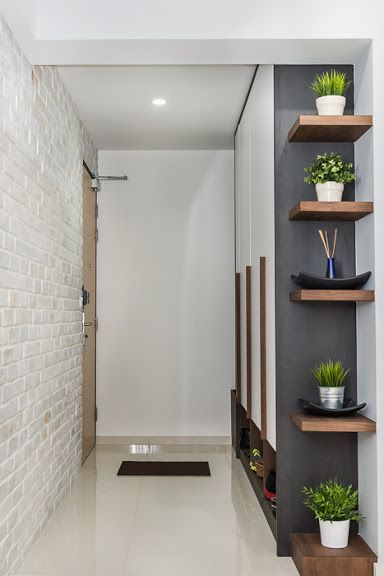
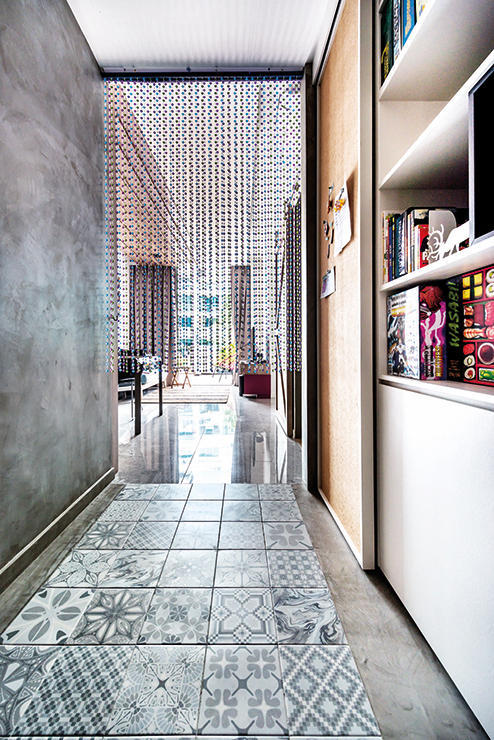
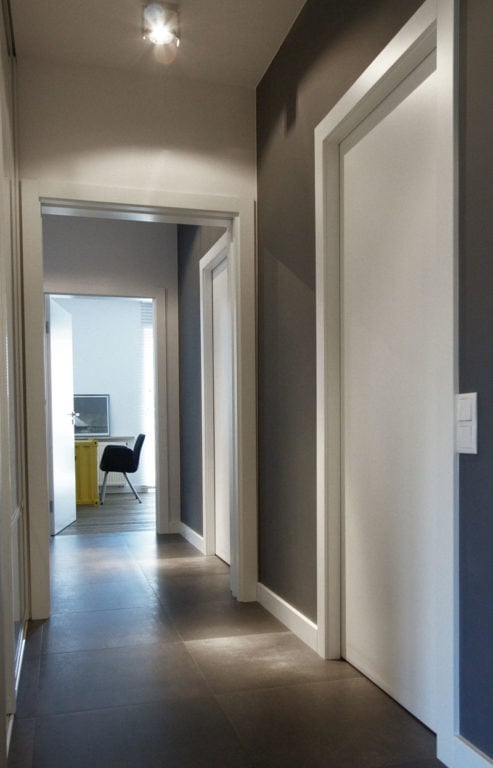
Two situations where tile should definitely be laid on a hallway floor are when you use glue-down hardwood in the rest of the apartment and when the entryway borders the kitchen. Tile and glue-down hardwood can be joined perfectly in one plane. We lay tile in the kitchen, so it can also be laid on the hallway floor because our task is to make as few joints as possible.
Choosing and Combining Flooring Materials
It is important not to forget that the apartment does not end with the hallway, and there are floors everywhere. This means that whatever flooring you choose, it will have to be combined and joined with other rooms.
If the entire apartment has laminate, there are no questions. But what if several types of flooring are used? How do you choose and join the hallway floor in that case?
Combined Entryway Floor: Tile, Laminate, and Hardwood
Tile and Laminate on a Hallway Floor
An absolutely pointless, even defective option. We have already established that there is no reason to use tile in the entrance area and laminate in the rest of the apartment because laminate will handle everything without a problem.
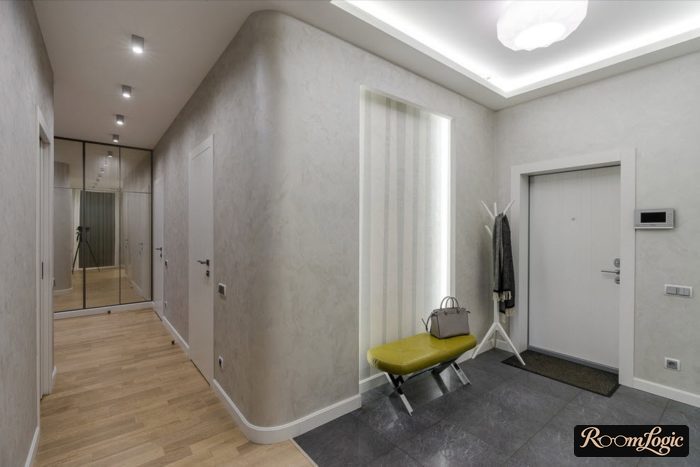
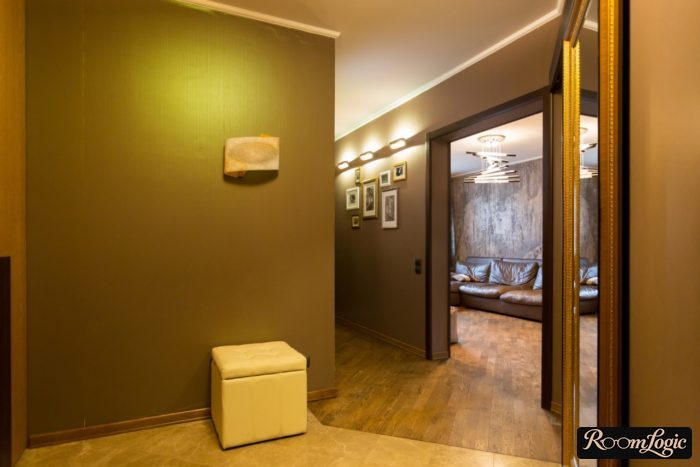
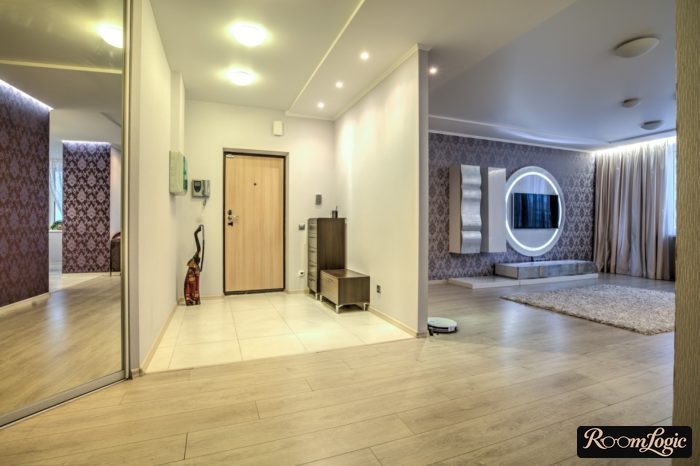
The most important thing is that laminate cannot be joined flush with tile. Tile is attached with mortar, while laminate requires floating installation with gaps at the wall. This is an important technical point. If you do not leave gaps between laminate and the wall during installation, it can buckle. That is why every transition strip used to finish the joint gives it this gap, which means it simply cannot be small. If the joint runs in a straight line, it may still look more or less acceptable. But then you will have the problem of choosing a contemporary-looking transition strip. Choosing stylish contemporary laminate or tile for the hallway is not a problem, but transition strips are a disaster: their appearance is ten years behind.
Rule: make the joint at the narrowest point, preferably under the door slab.
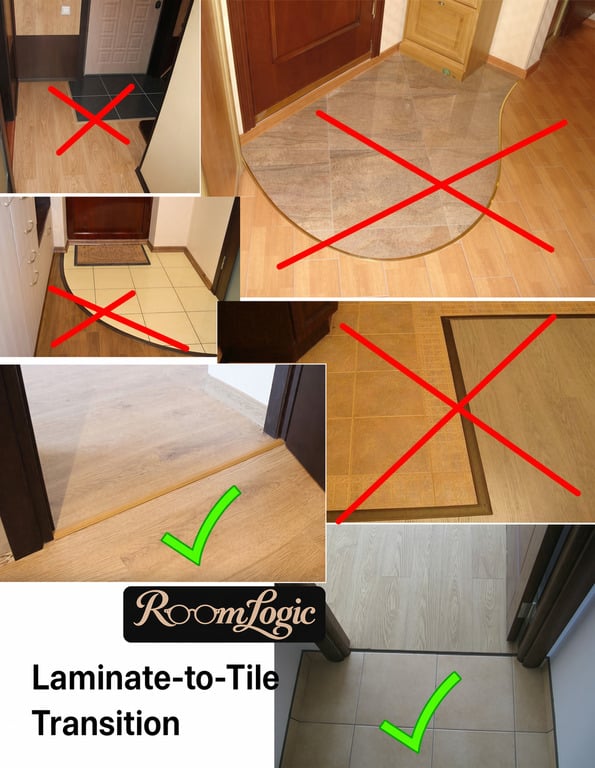
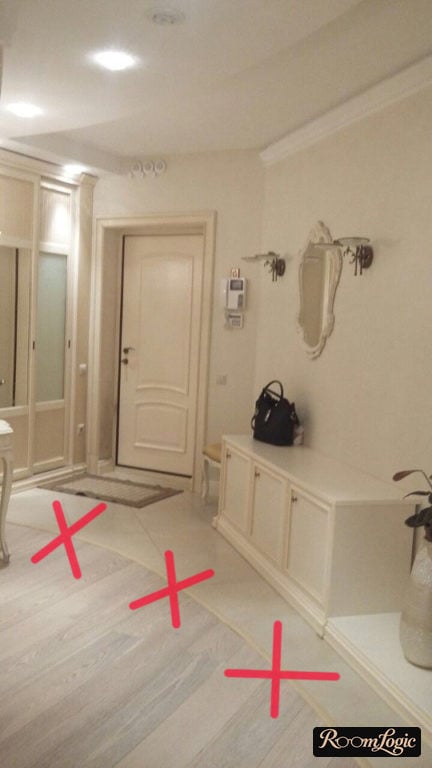
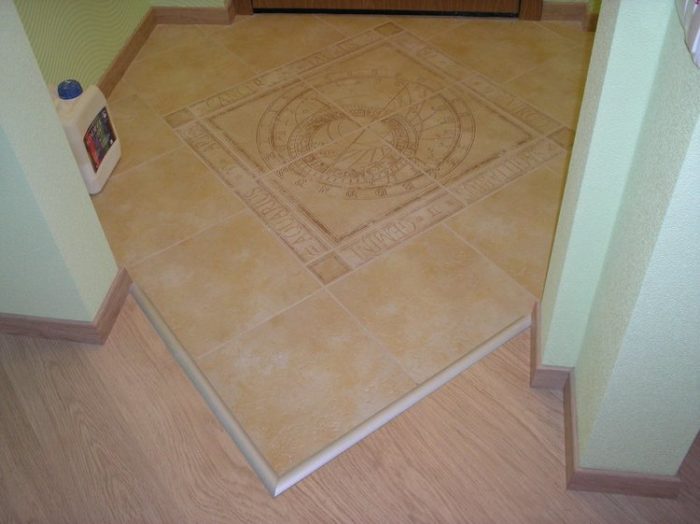
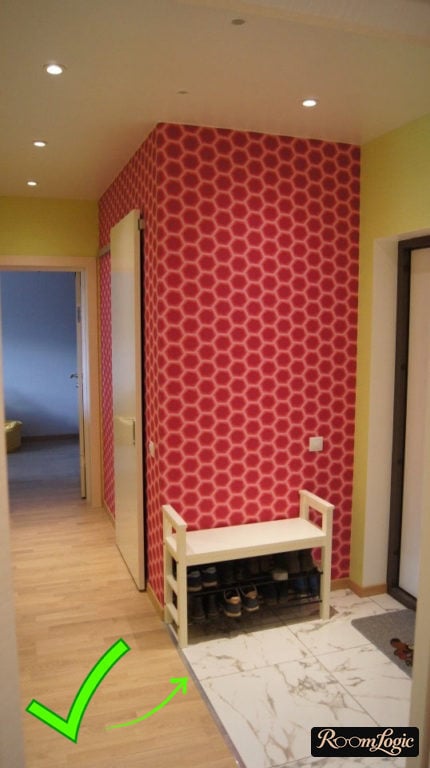
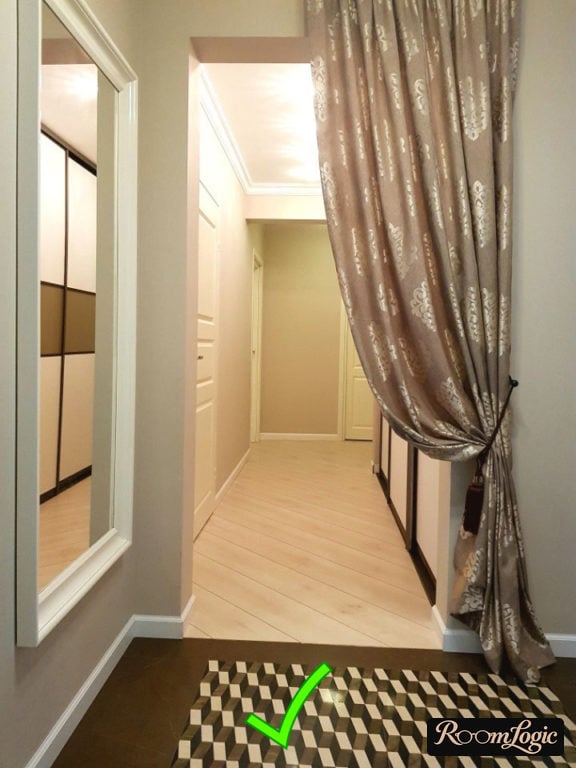
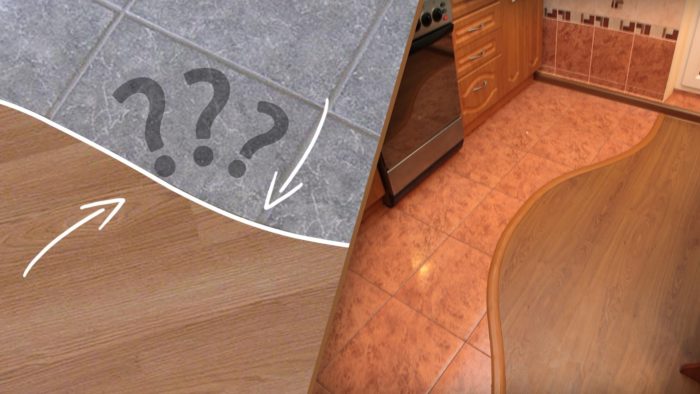
There is simply no way to join tile and laminate beautifully. No matter how hard you try or what tricks you use, the joint will look awful. The situation is similar in the kitchen: Tile or Laminate for a Kitchen Floor.
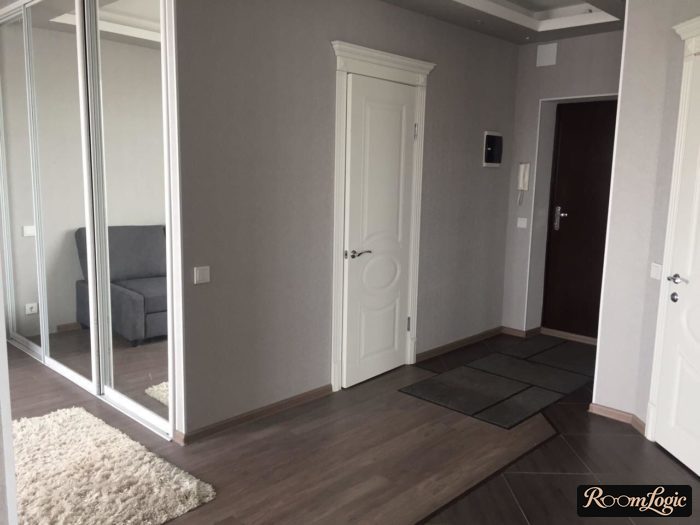
Most people even make the dirt problem worse at the entrance because they make the tile area too small and also manage to use white grout. We have a good article about choosing grout color. As a result, the transition is in the dirty area, dirt constantly gets under it, and it is extremely inconvenient to clean. What were people thinking when they made the tile area so small? In the second case, there is also a combo of an area that is too small and white grout.
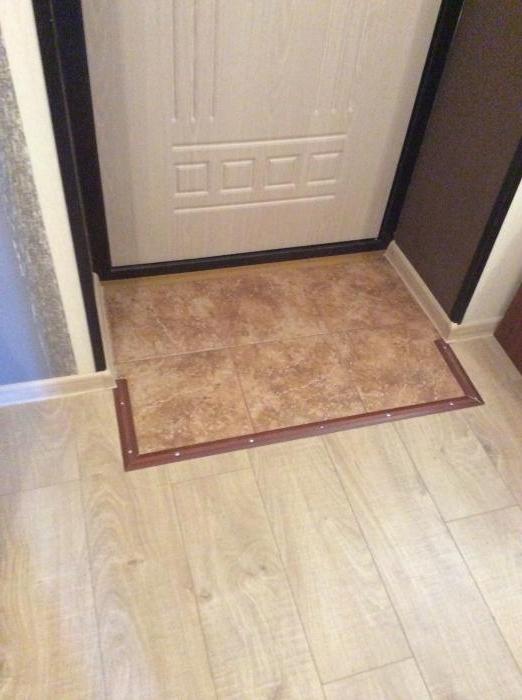
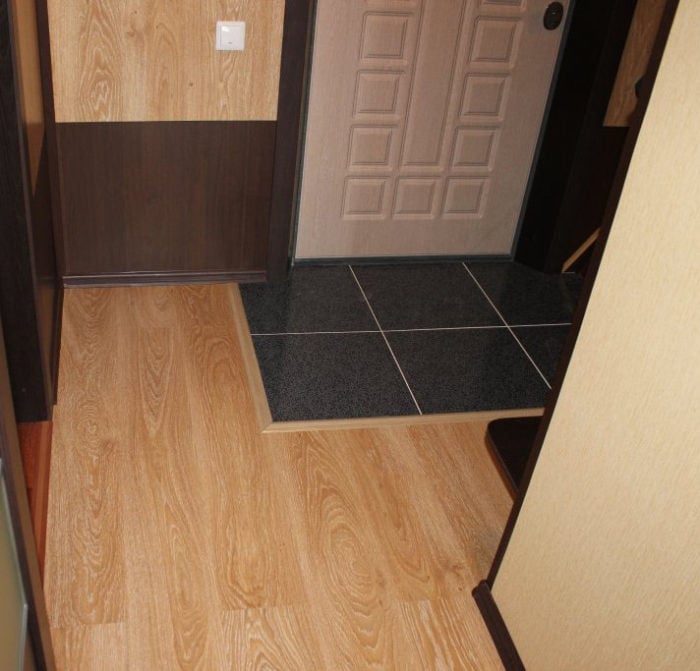
Grout for an entryway floor should be exclusively dark gray.
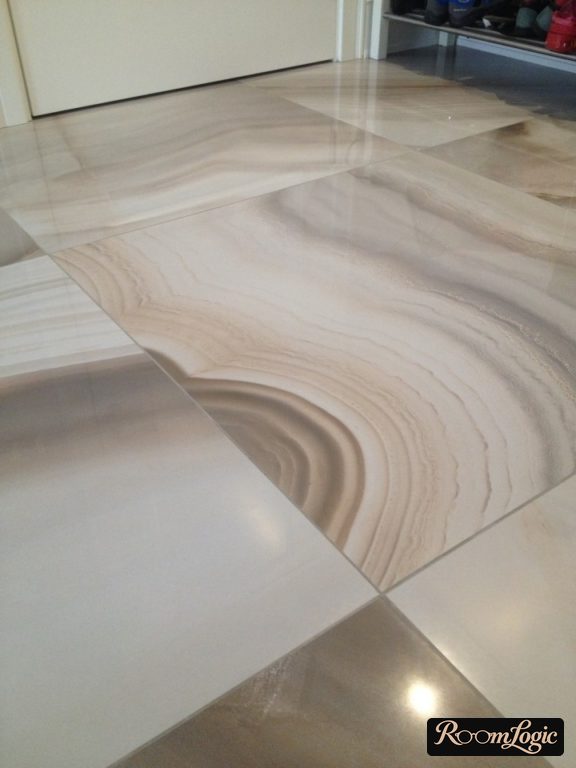
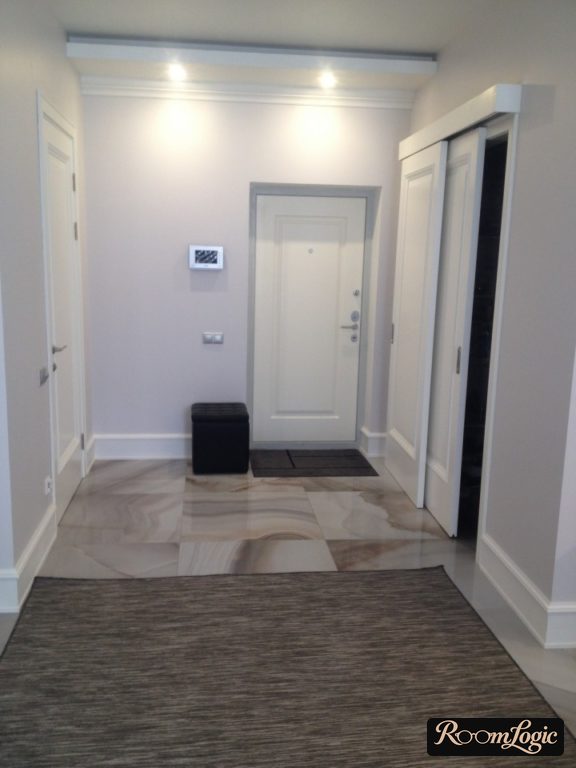
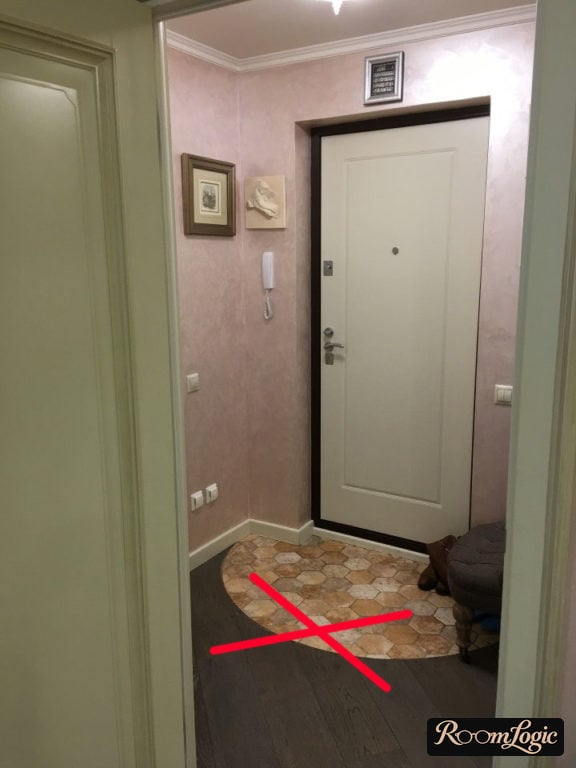
If you really want to make an island of tile in the hallway, at least make it a normal size so the joint is not in the dirty area. Although our advice is to lay tile over the entire area up to a door or arch, or not lay it at all.
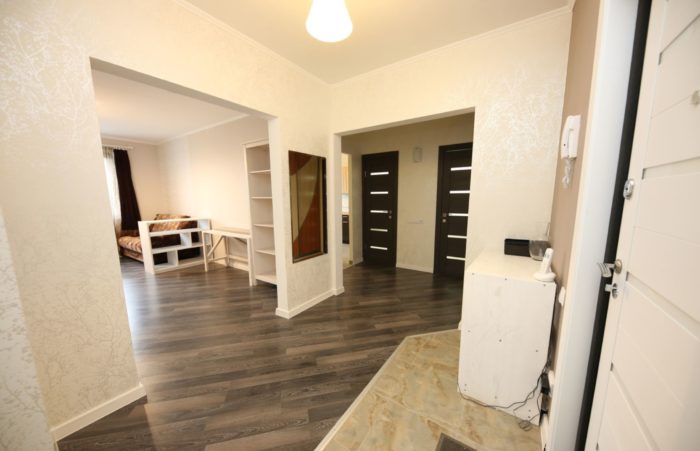
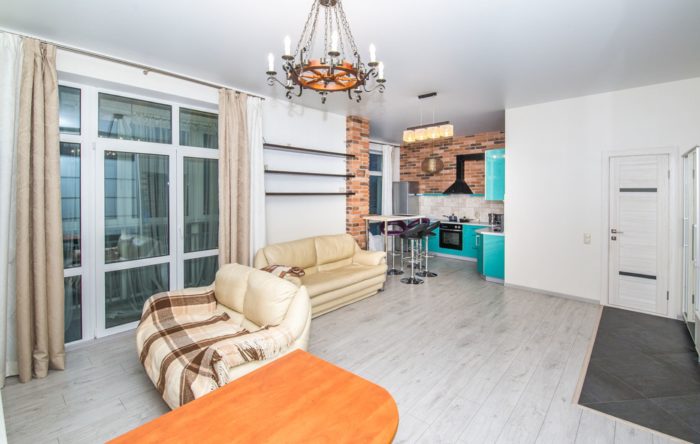
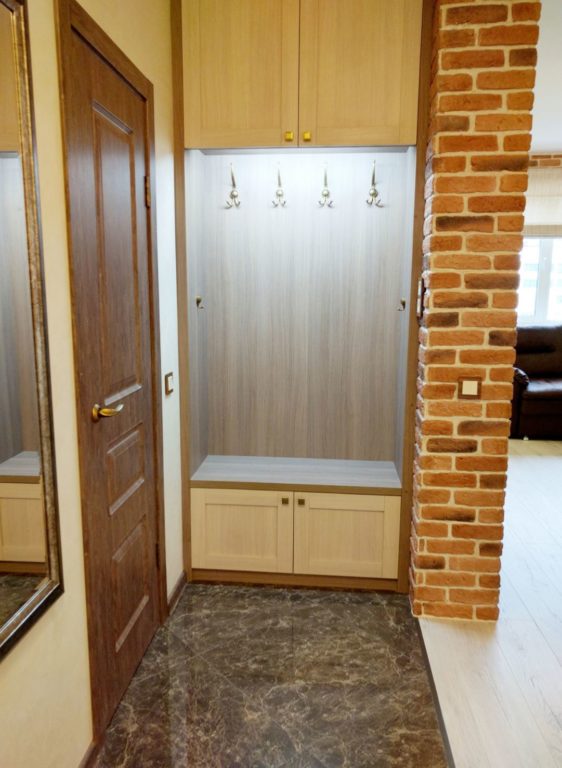
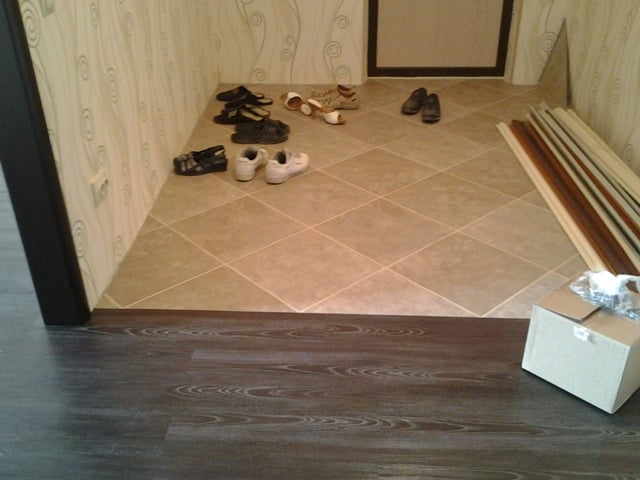
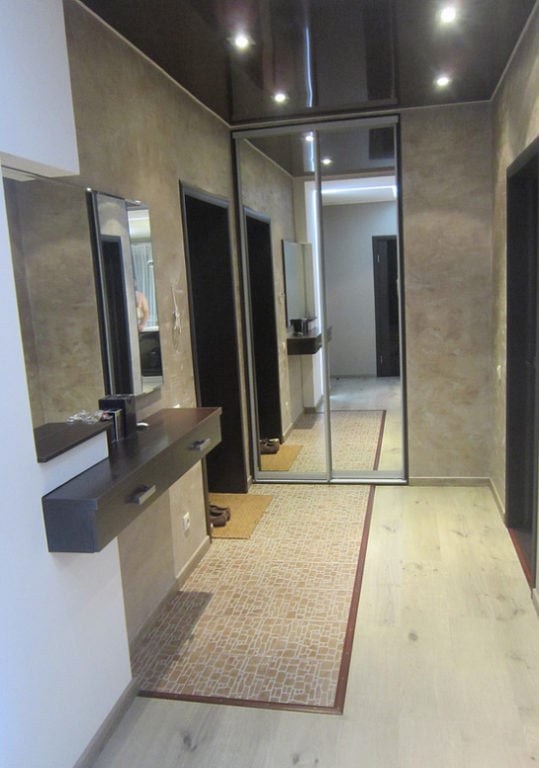
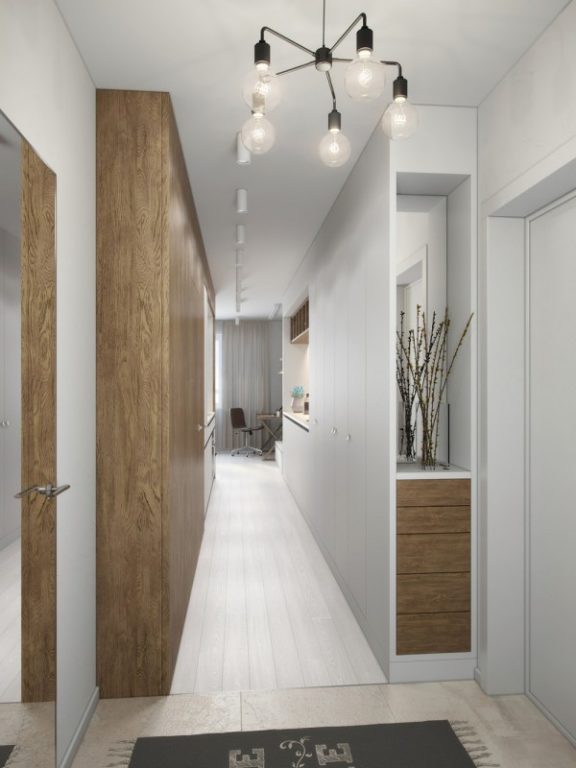
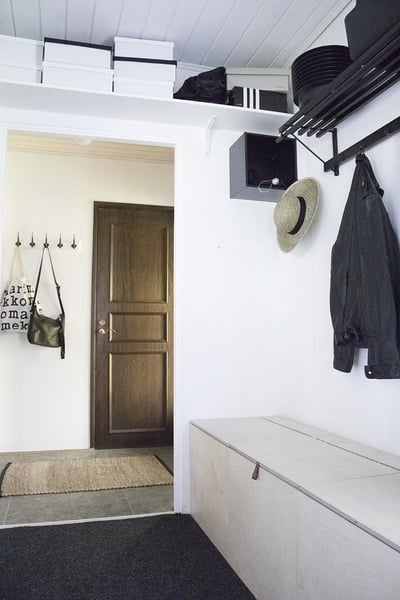
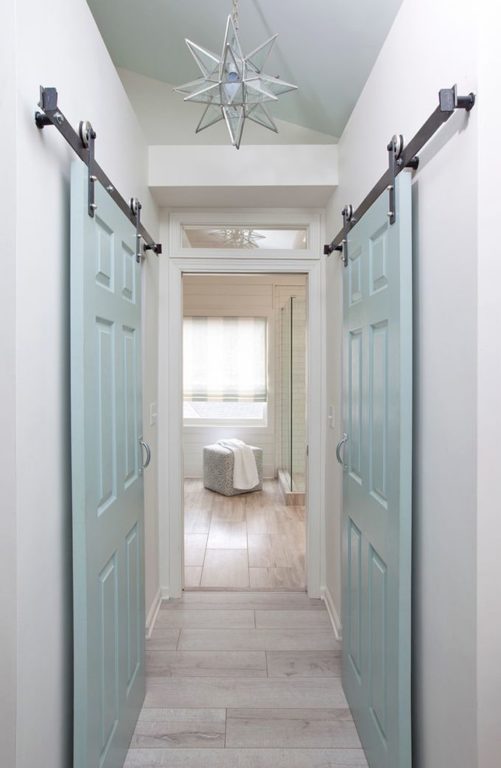
Conclusion: a straight joint under a door, under an arch, or at any narrow point is okay; any other joint is not. The best option is to lay either only tile or only laminate throughout the hallway.
Hardwood and Tile in a Hallway
Hardwood is the most delicate flooring. You definitely cannot use it for a hallway floor. It is very soft, scratches easily, and can even be damaged by heels. Absolutely every object enters the apartment through the front door, including heavy and hard ones. Hence the rule:
If you use glue-down hardwood throughout the apartment, you absolutely must make a tile area at the entryway door.
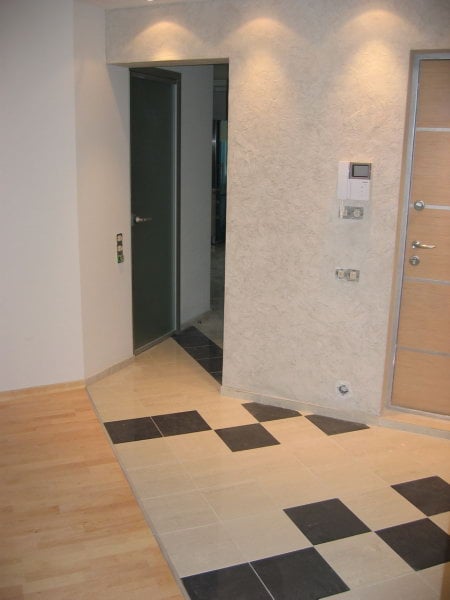
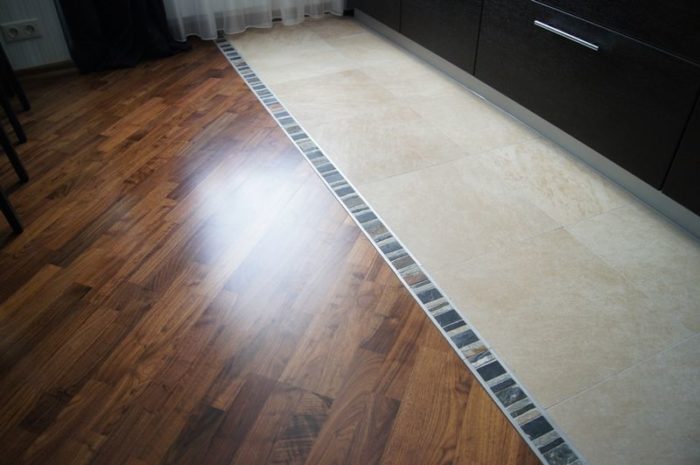
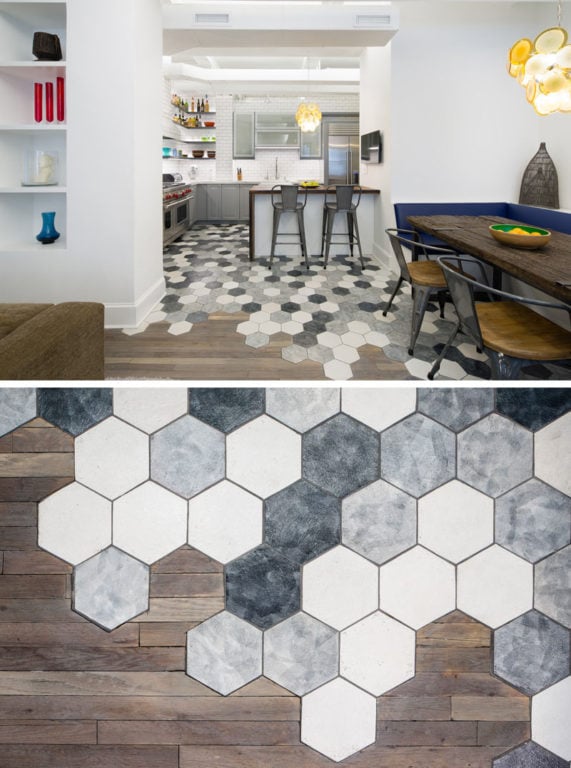
The good news is that glue-down hardwood joins perfectly flush with tile. Both materials are attached with adhesive, and neither needs a buffer zone at the joint. That is why hardwood and tile can be butt-jointed perfectly, and the seam is filled with grout. No T-shaped or other transition strips, no changes in height, nothing – tile and glue-down hardwood were made for each other. Just look at the photos; it is completely different:
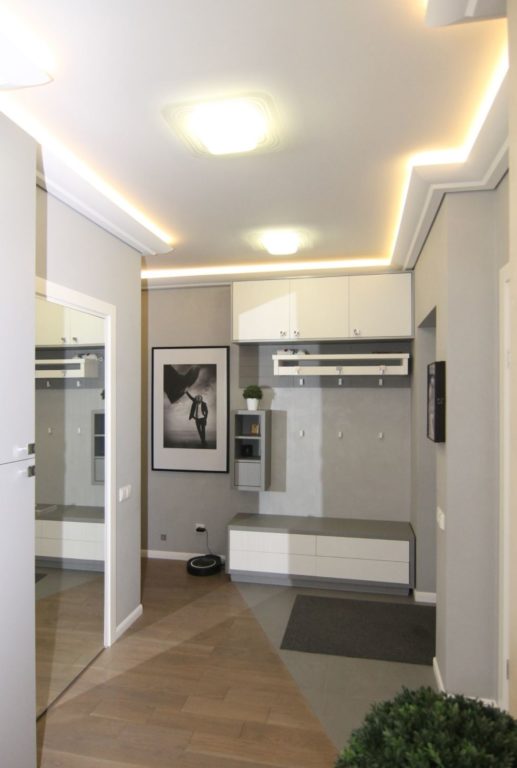
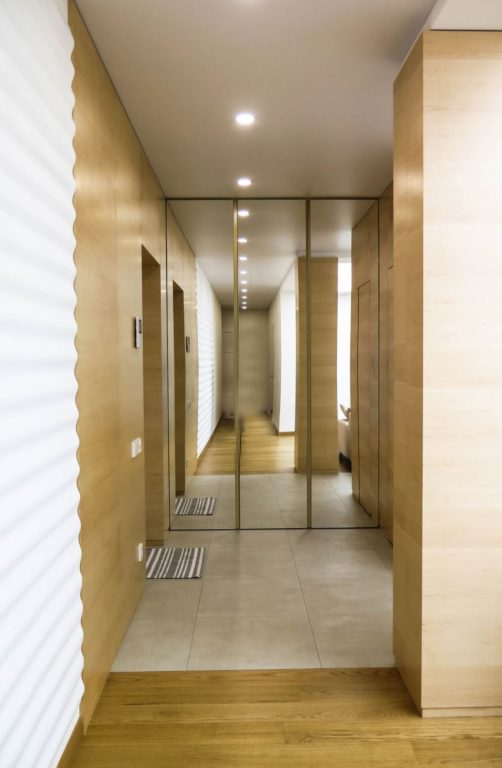
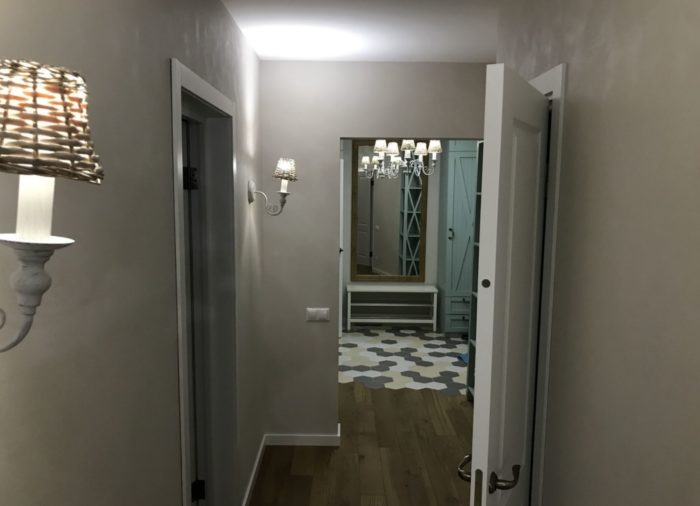
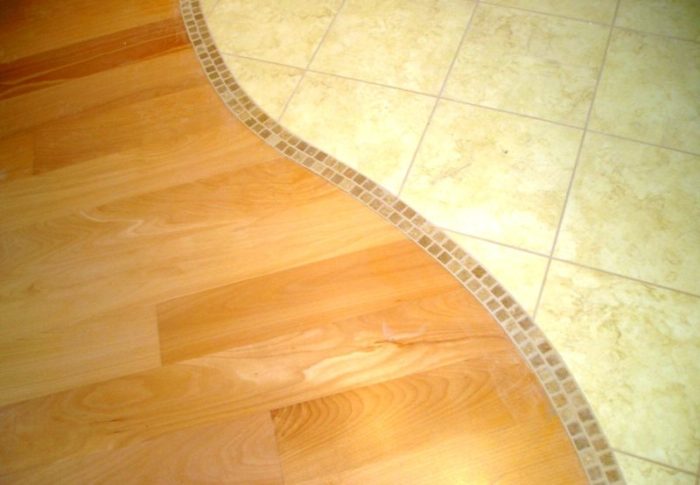
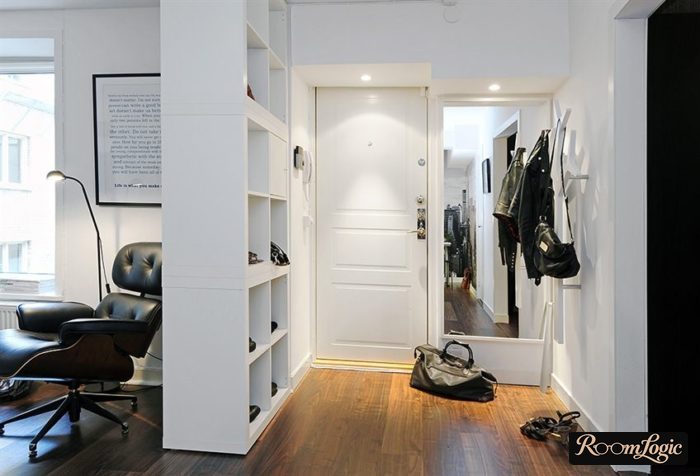
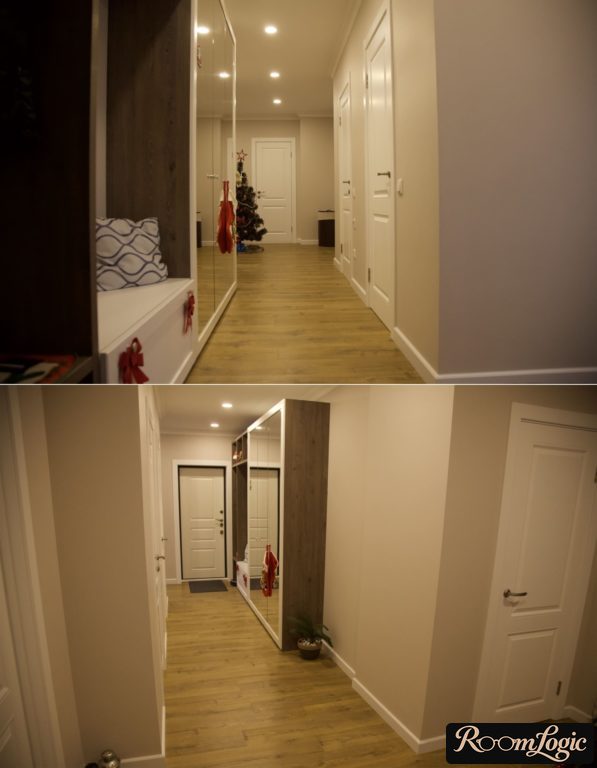
Although some people take the risk and make an entryway floor from natural wood.
Light and Dark Entryway Floors
It does not matter whether you choose tile or laminate for the hallway; they are equally suitable. But the color and texture matter.
The material should have a contrasting, nonuniform pattern. This is essential so small dirt spots, stains, sand, and salt marks from dried water are not visible. This parameter is even more important than the color because with a contrasting texture, the color no longer matters. I have white wood-look laminate with black streaks right by the hallway door, as in the rest of the apartment. I looked for it for a very long time because on other models the wood pattern was pale and did not stand out enough. It both looked bad and was wrong in terms of practicality.
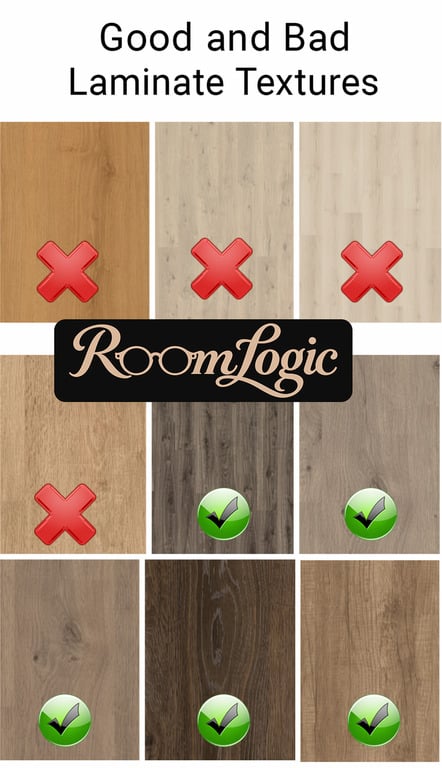
For tile, choose either a good imitation of concrete, stone, or wood, with a pattern that is not only printed but also emphasized by texture. To check this, do not hesitate to touch every tile with your hands. Or choose tile with small dots, as though grains of sand were embedded in it; dirt is not visible on that either. This tile looks a little old-fashioned, but it is practical. The photo below shows wood-look porcelain tile.
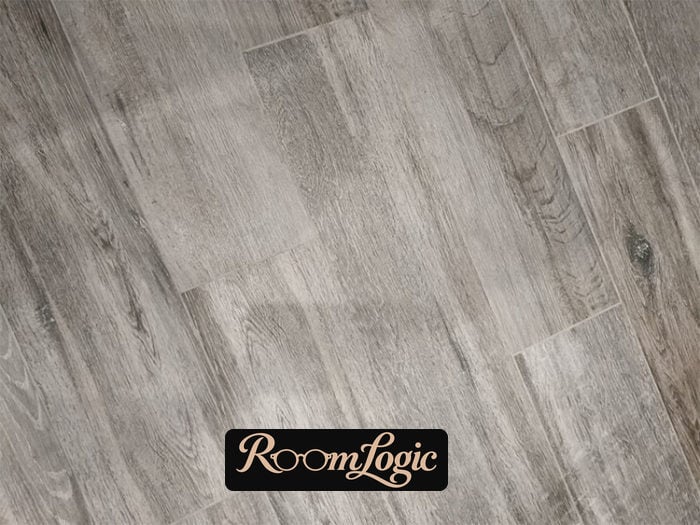
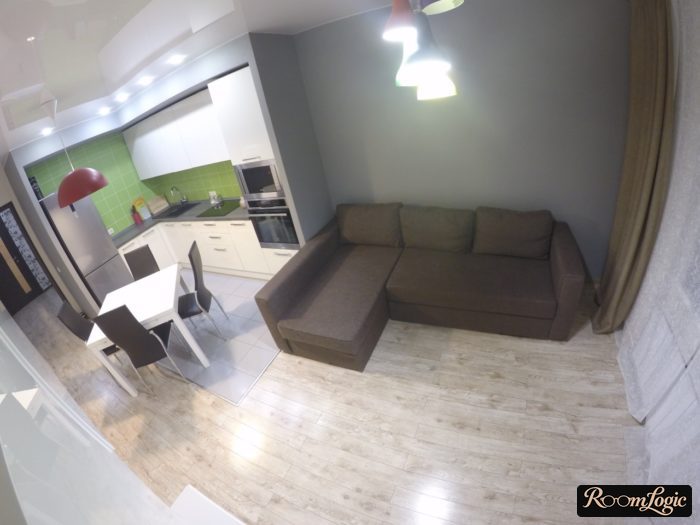
Both light and dark entryway floors are equally impractical. If there is a strong texture, that is not a problem. But if there is not, it is better to choose colors with medium saturation, meaning gray tile and laminate or other medium-value colors. The reason is that every dirt spot and grain of sand is visible on a light floor. Salt marks from water dripping off shoes remain on a dark entryway floor. Nothing will be visible on medium-value floors.
Brief conclusions about choosing an entryway floor:
- Tile and laminate are equally good.
- Porcelain is better for the floor.
- There is no point making a tile area and joining it to laminate.
- If glue-down hardwood is planned in the apartment, make a tile area by the hallway door.
We hope you find the perfect floor for yourself and that it makes you happy for many years.