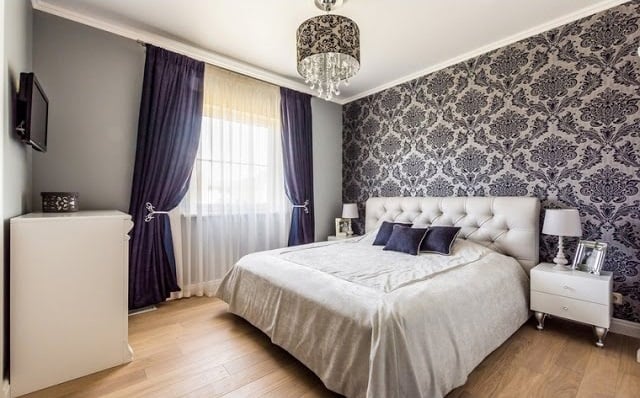
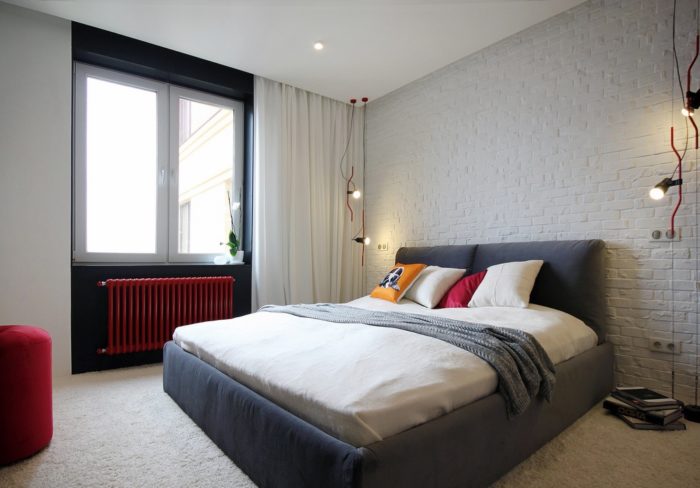
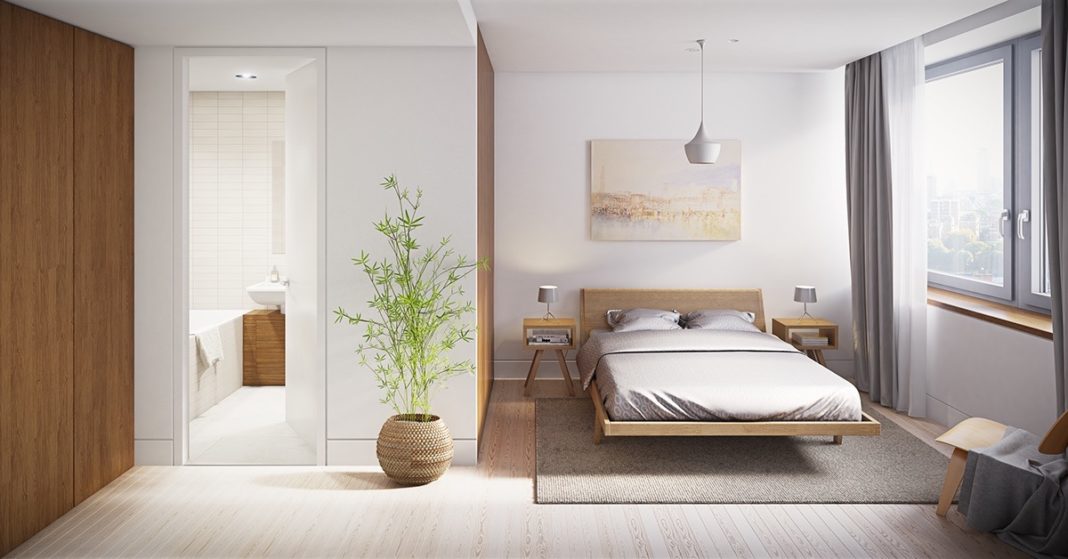
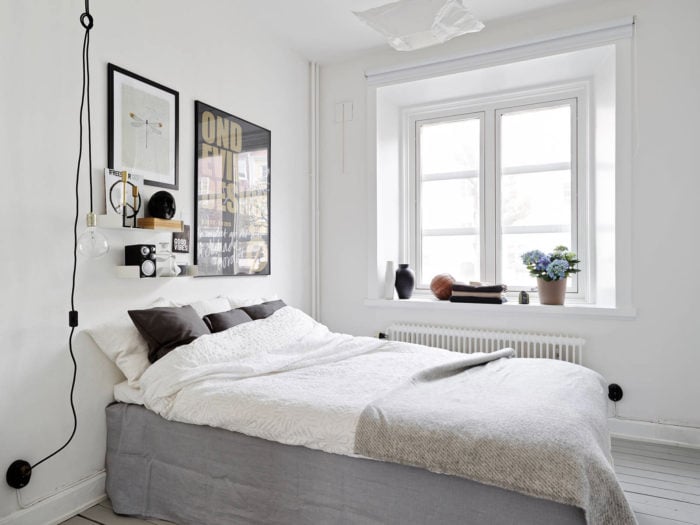
Bedroom wall color is the background for the interior, not the main design accent. A bedroom has a lot of textiles with their own colors and textures, so they should not compete.
Color Theory: Tone, Shades, and Light
Nonprofessional designers think the main thing is the colors. In fact, shades and tones are more important, especially color temperature and interaction with light in the bedroom.
Color Temperature
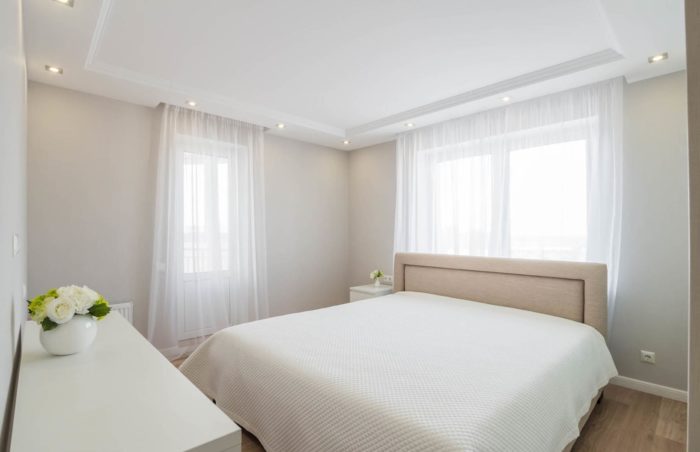
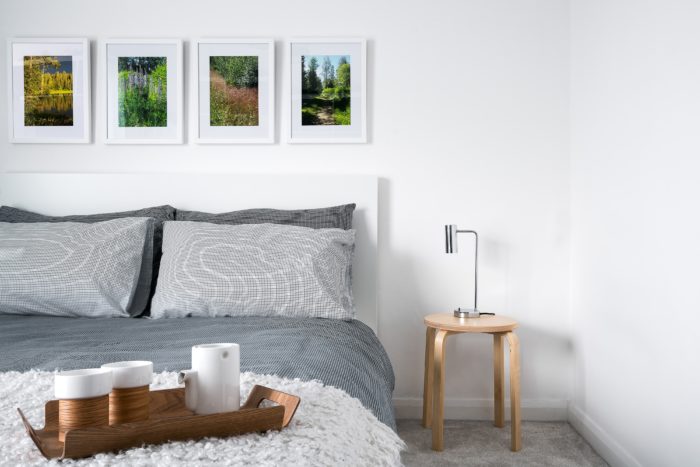
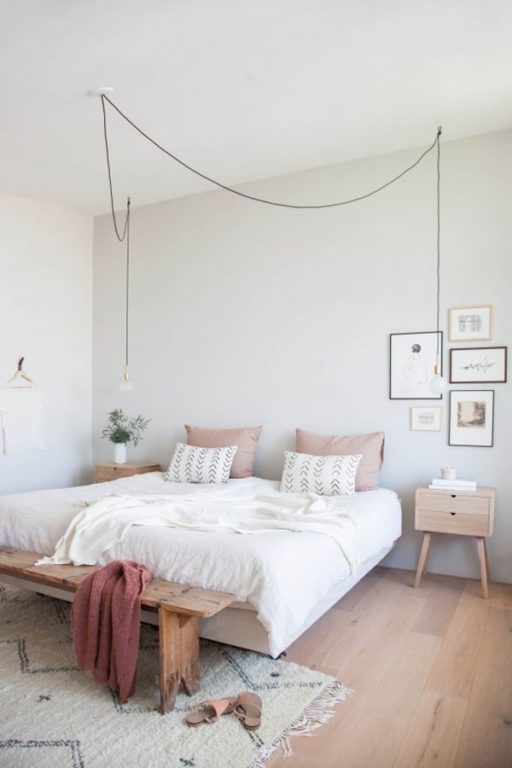
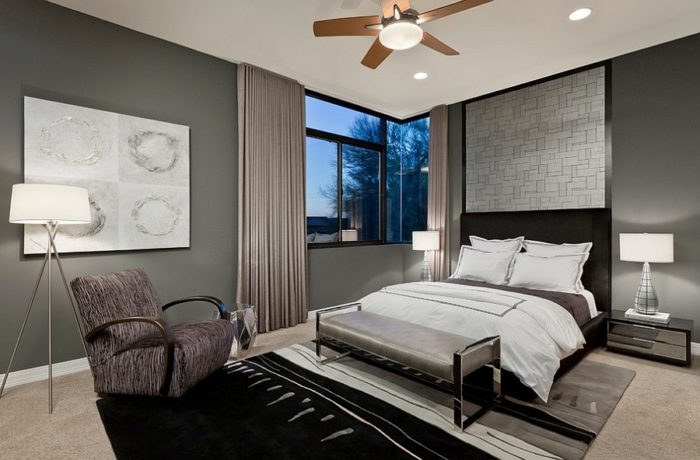
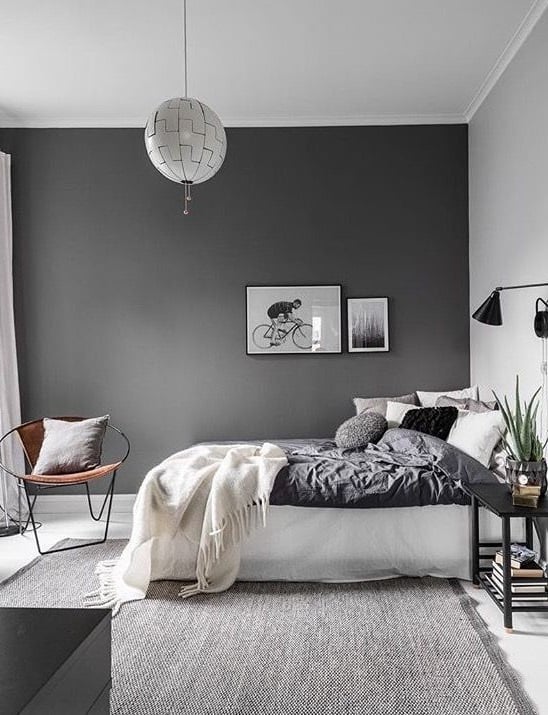
There are warm and cool colors; many people know this. When choosing a bedroom wall color, it is much more important to know that colors can have warm and cool shades. This especially applies to the most common background colors: white and gray. Although these colors can have different levels of saturation, they combine perfectly in any variation except one – color temperature.
You cannot use white and gray with different color temperatures in the same room.
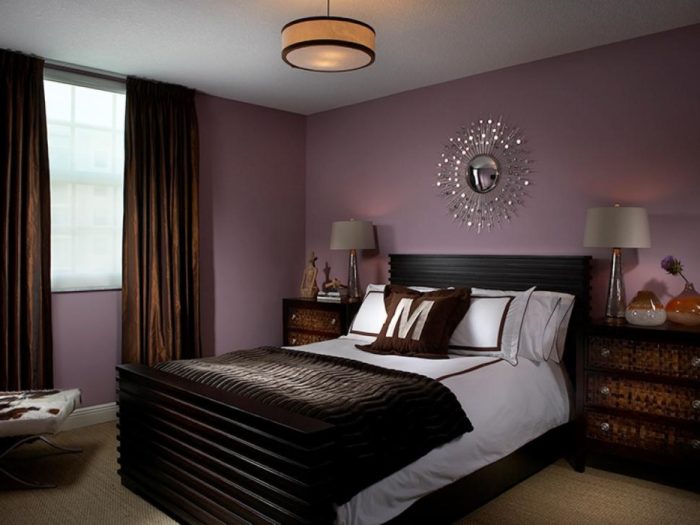
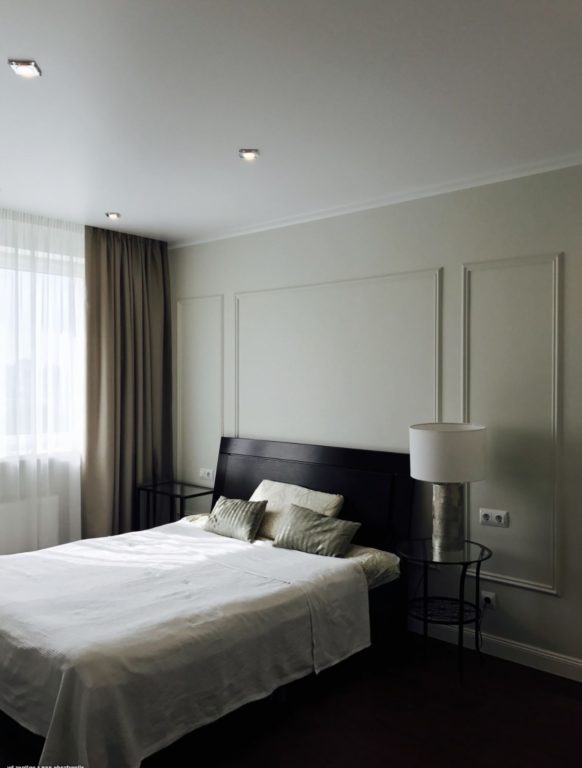
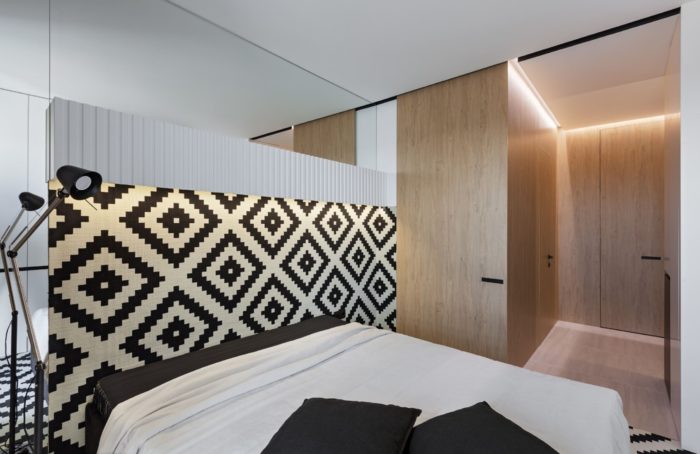
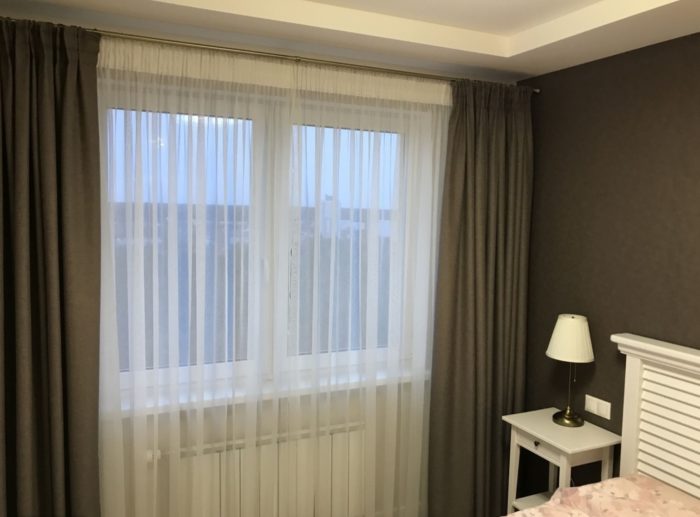
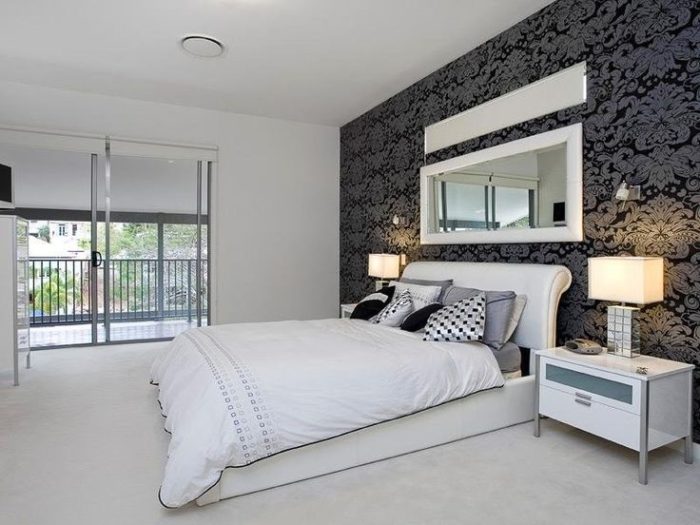
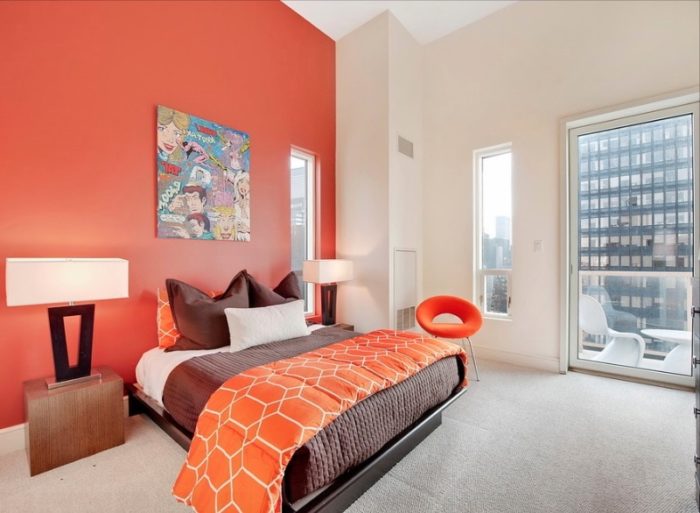
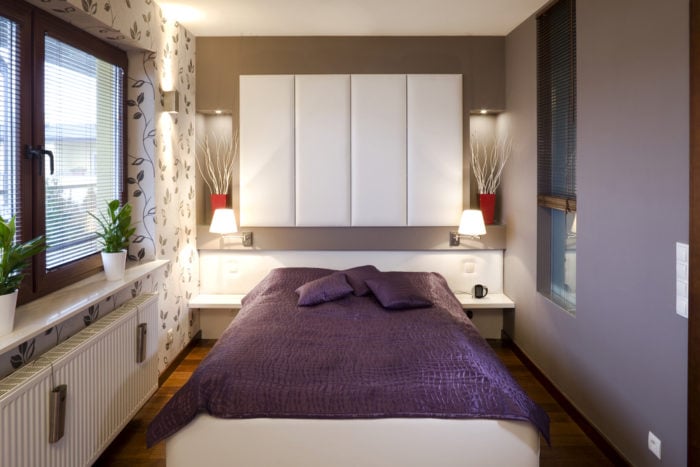
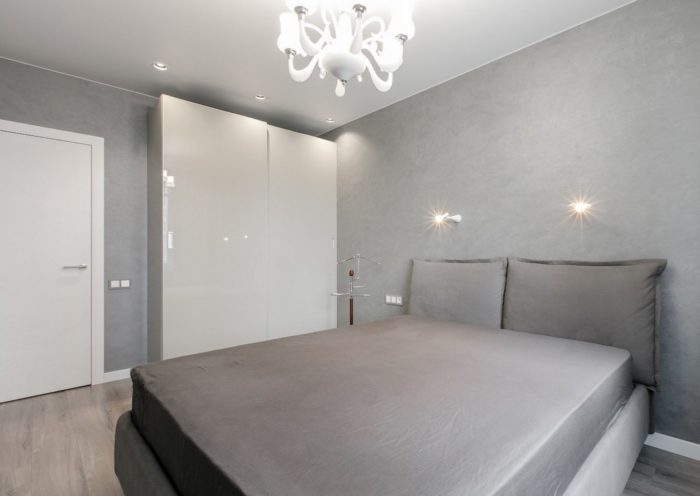
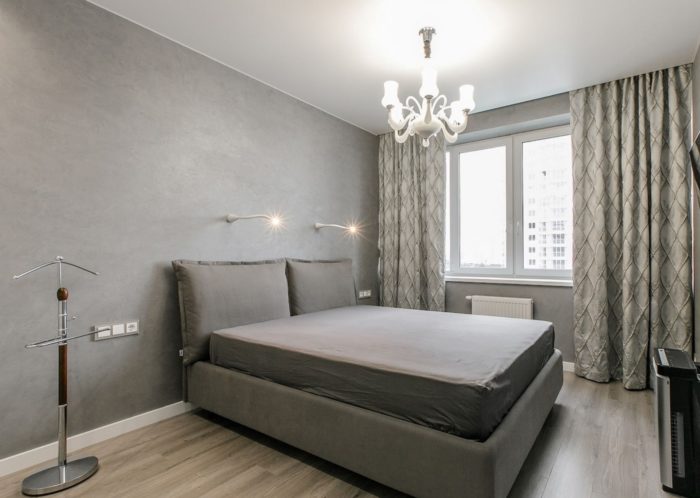
In other words, you can use as many shades of gray as you want in the bedroom, but they must all be either warm or cool. This is difficult to follow because until you put two objects side by side, you cannot always tell which way the color leans. And this is why photos online differ from real designs in real life. Even in a real photograph of a bedroom, the camera will not show the difference in shades. As a result, everything looks great in the photo but not so good in real life. Following the rule highlighted above is exactly what prevents this difference.
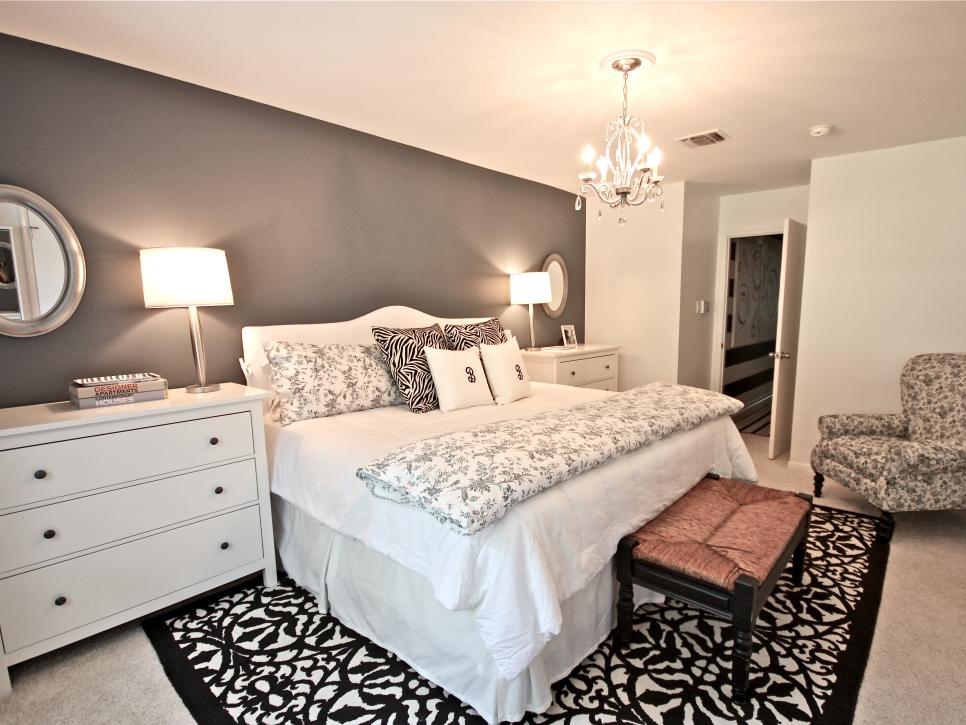
Interaction with Light
In addition to your color preferences, you should consider the direction the windows face. If they face north, it is better to choose warm tones, while cool and bright shades suit the south side. You should also take the room’s size into account and use light colors to expand a small space.
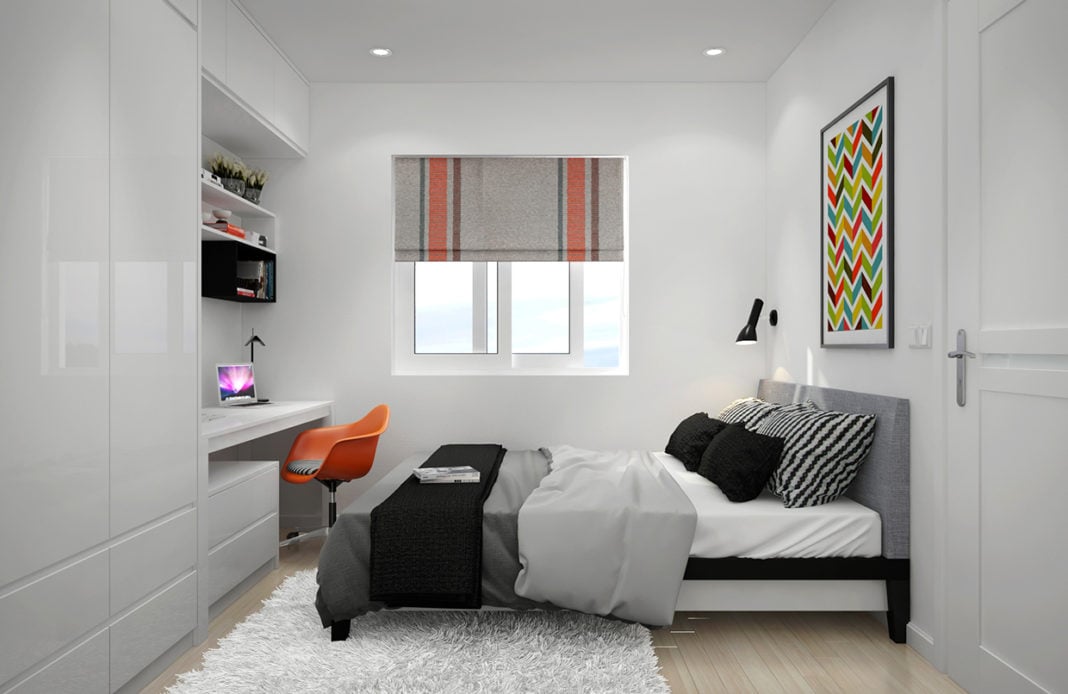
Bright colors look better in daylight, while calm pastels look better in artificial light. Think about what time you are usually in the bedroom and what lighting is used then. Since most people will answer that they are there in the evening and the lighting is artificial, the standard choice for a bedroom is calm pastel colors.
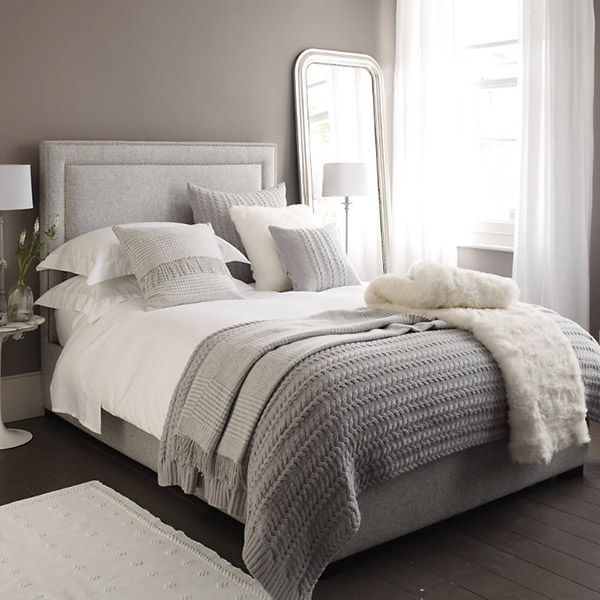
Very bright colors are unlikely to suit a calm, relaxing setting – they are invigorating and keep you from sleeping, while calm colors have a soothing effect. That is why you need to decide right away what the bedroom interior should do: help you get up early or help you fall asleep quickly.
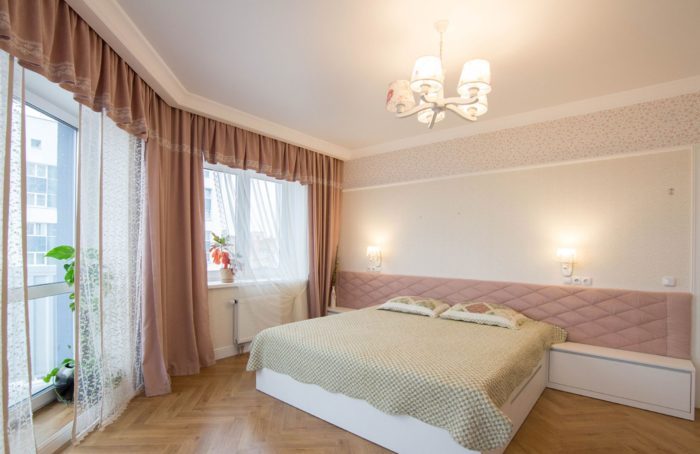
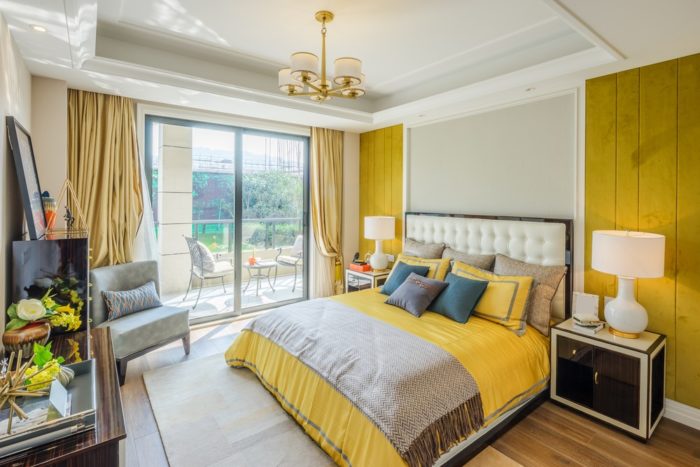
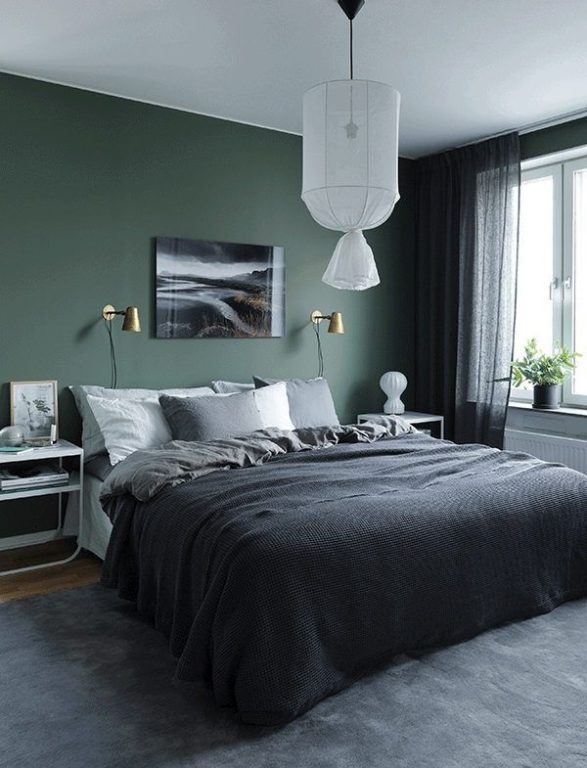
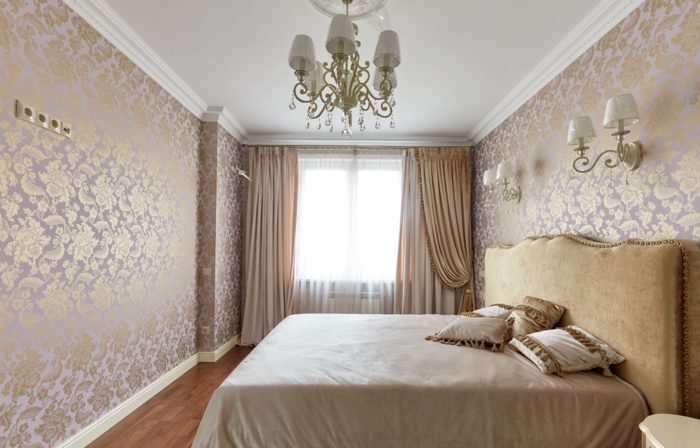
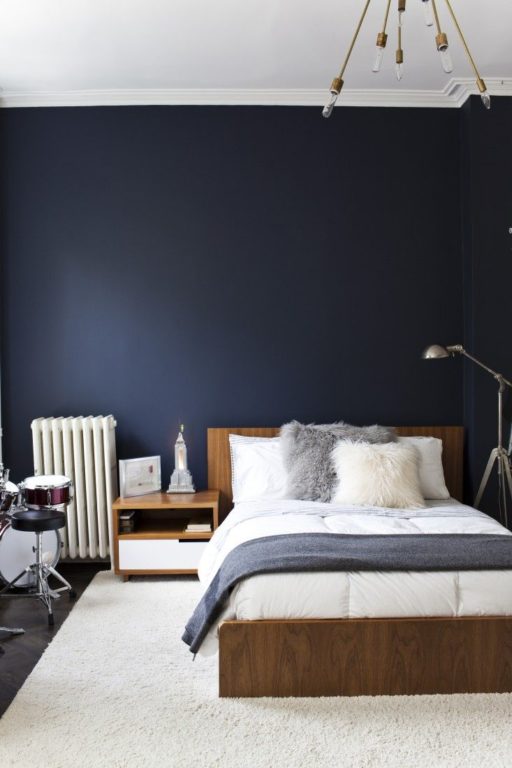
When choosing a bedroom wall color, it is important to consider how it combines with the other surfaces in the room. You should plan the entire interior together in advance, choosing colors and materials for the floor and ceiling, furniture, and textiles, of which there are really a lot in a bedroom. It is better to paint the walls after you know what the furniture will be, since changing their color is easier than replacing a furniture set.
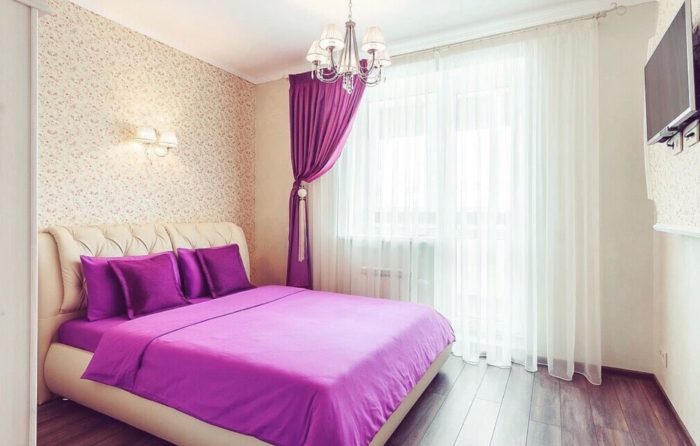
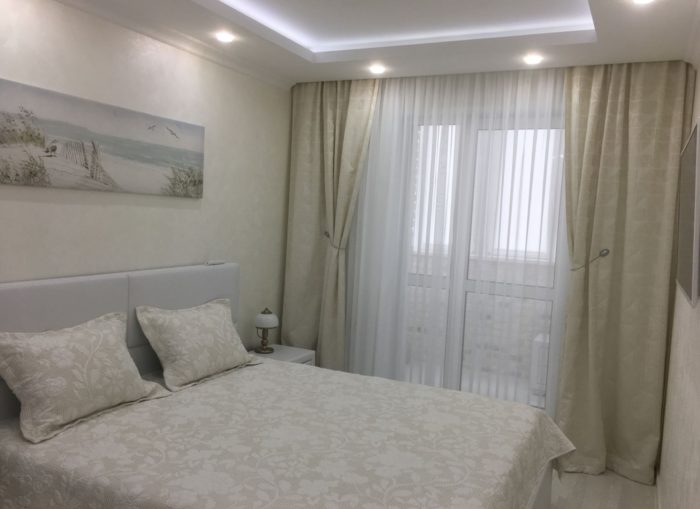
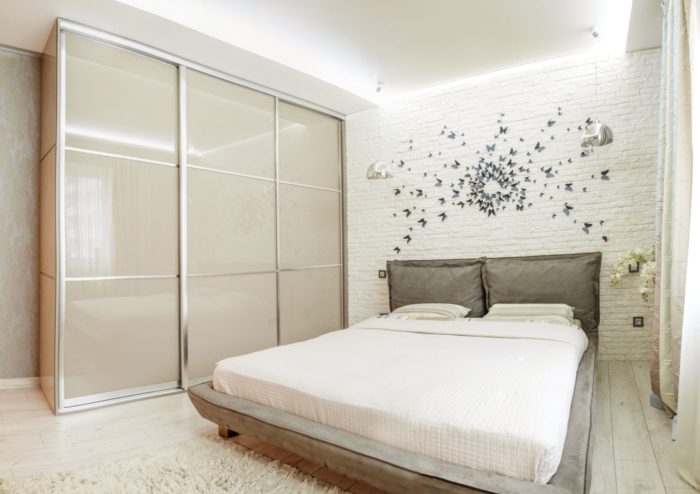
Wallpaper can interact with color in very interesting ways; we have already written about bedroom wallpaper.
Choosing and Combining Bedroom Colors
We have a really good article about choosing and combining colors in an interior. All the color theory and combination principles are there, so we will not repeat them here.
Combinations
After choosing one color as the base, it is combined with other shades to bring a monotonous setting to life and add variety. Contrasting combinations look interesting. The strongest contrast is the combination of black and white, which suits bold, creative people. However, you should fill the space with these colors carefully because there is a risk of ending up with a dark, uncomfortable bedroom.
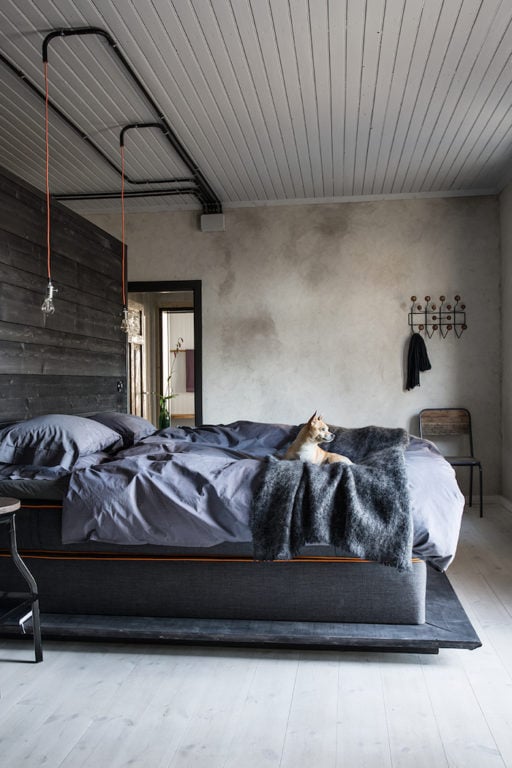
Current combinations:
- White combines with yellow, blue, and rich green shades.
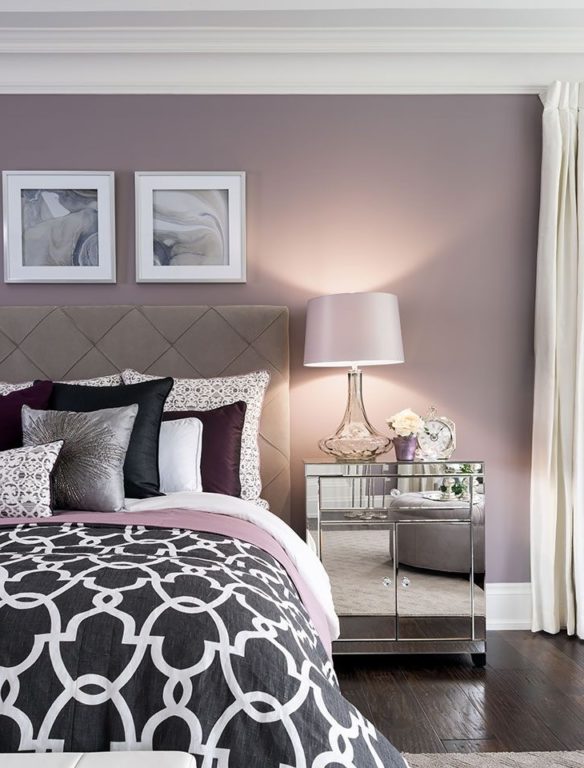
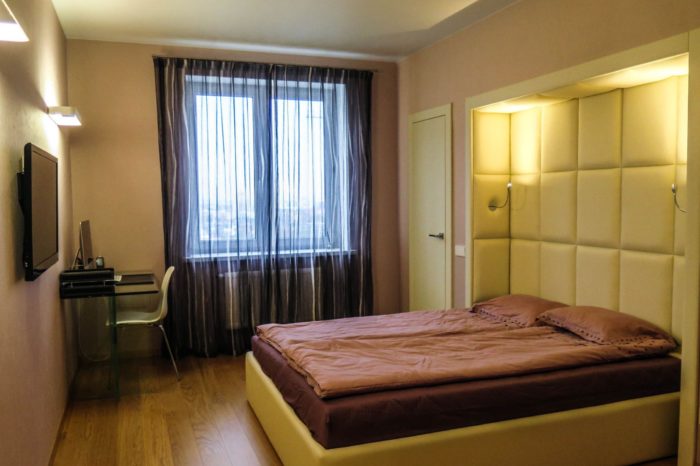
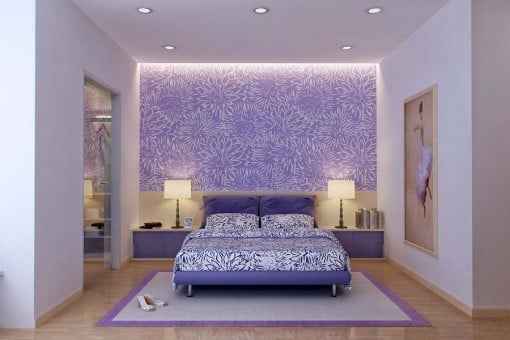
- Brown, cream, and yellow shades combine well with lilac. This wall color gives the room restraint and coziness.
- A combination of warm yellow and orange shades with olive and shades of brown looks stylish and bright.
- A fashionable color scheme with coffee and caramel shades.
- Cream with gray or rich chocolate brown. A bedroom with walls in these colors looks warm and cozy.
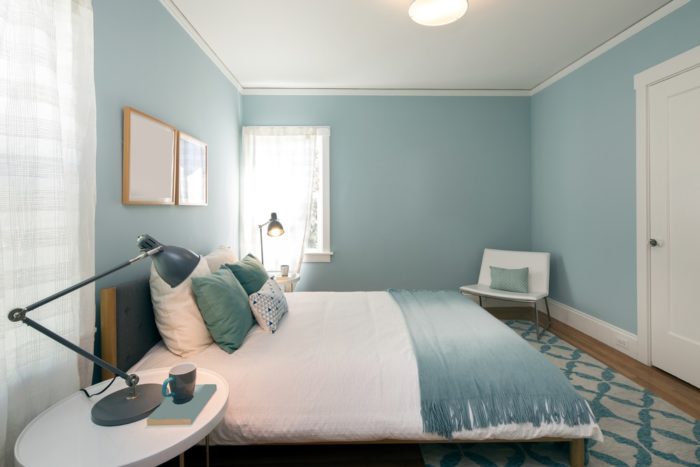
- Beige with bright turquoise is a bright and original color combination.
- A combination of different shades of green and blue-green.
- Yellow with red and orange on the walls creates a cheerful, lively setting, but it is better to use muted shades in a bedroom.
- Purple is acceptable in a bedroom in combination with beige shades because by itself it has a depressing psychological effect.
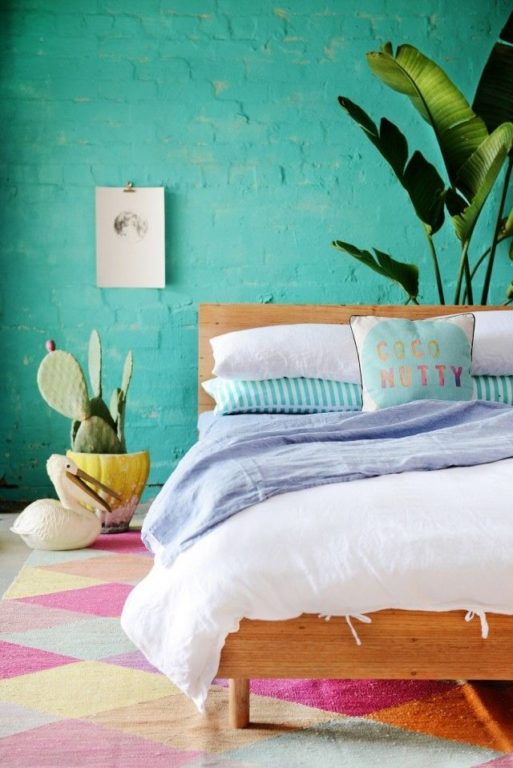
Choosing a Wall Color
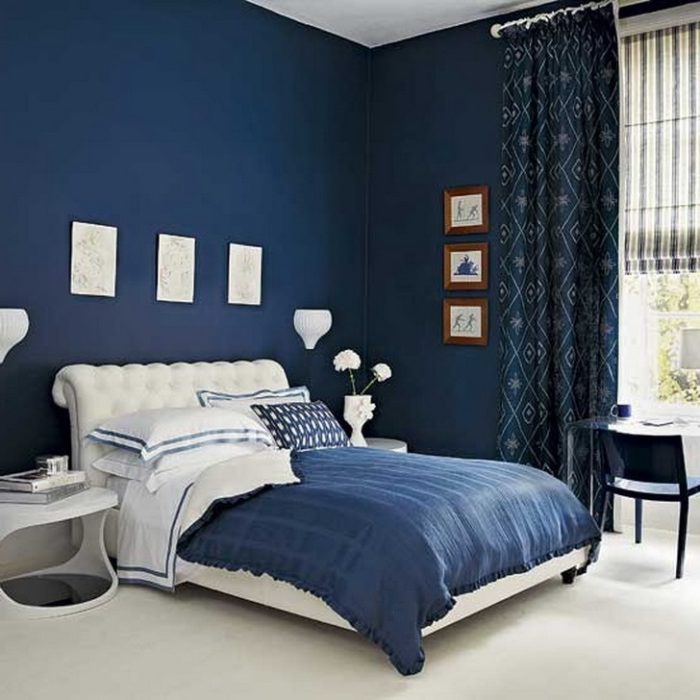
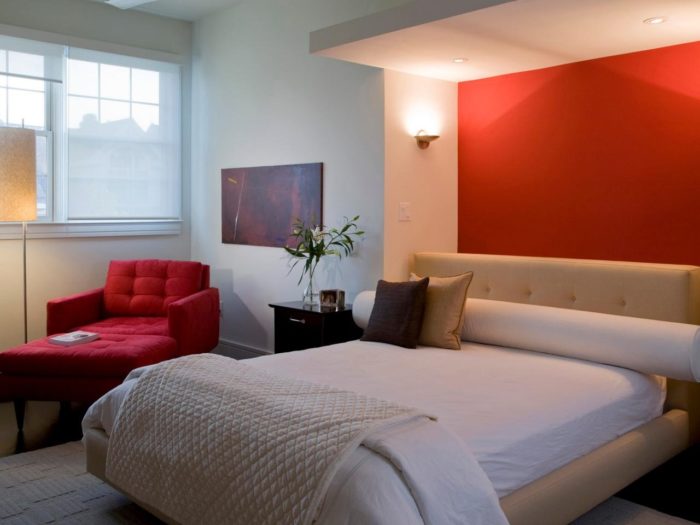
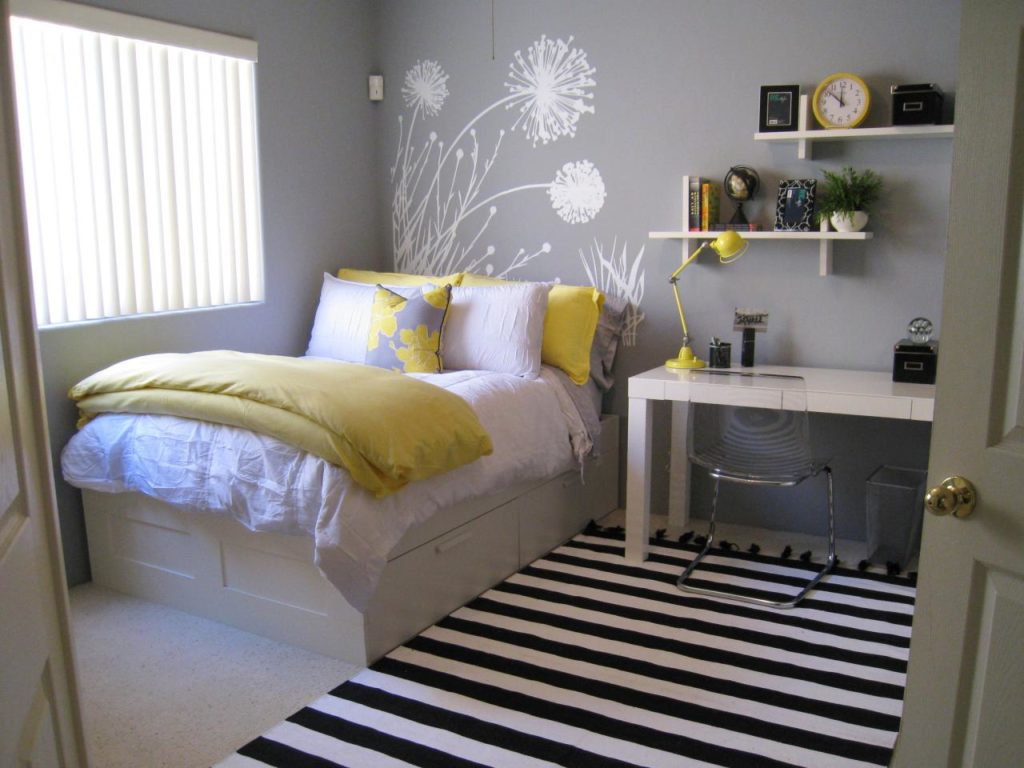
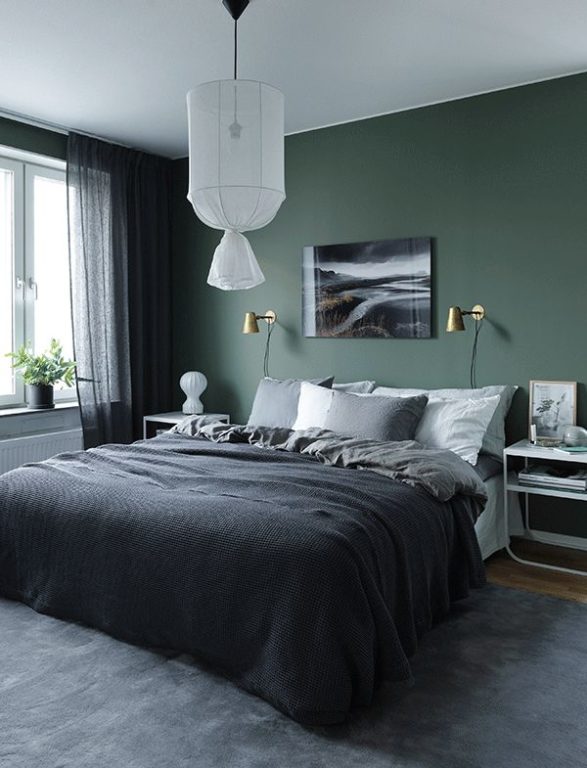
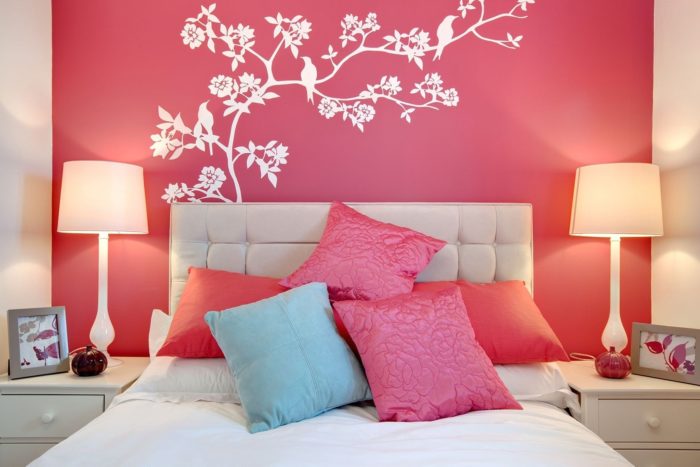
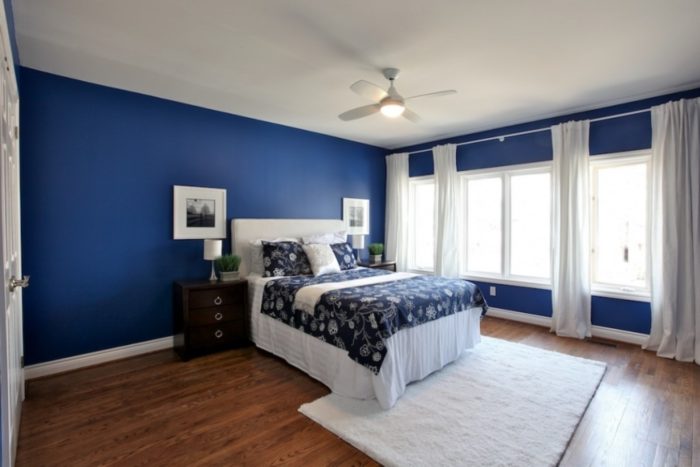
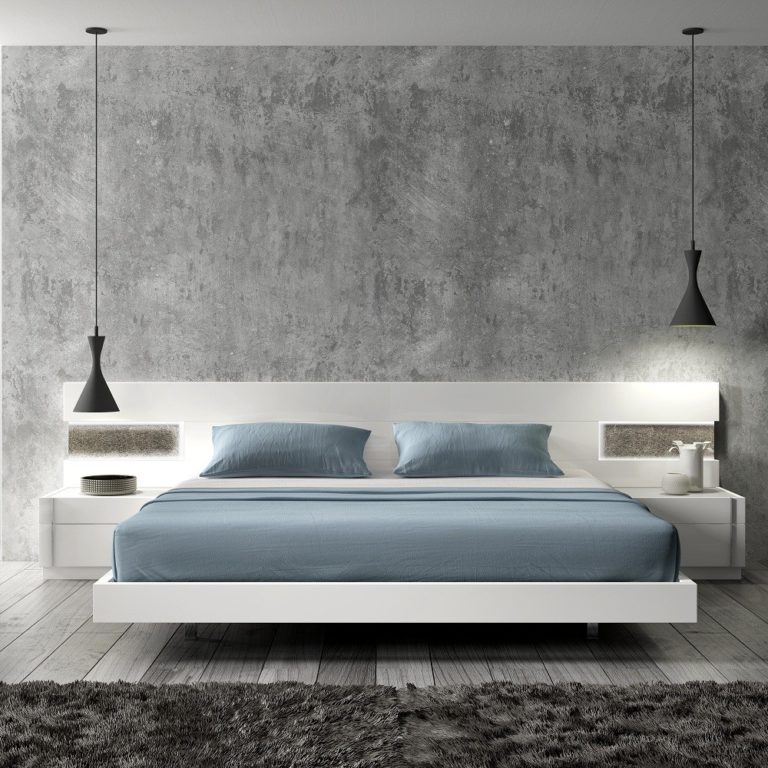
Soft, light shades are used most often for bedroom walls. Interiors with dark or overly bright walls are sometimes seen, but by themselves these colors may have a negative effect on the occupants’ mood and even health. That is why these colors are used to finish one wall or create accents. By the way, when choosing a wall for this type of decoration, it is better to use the one behind the headboard. In that case, the saturated color will not flash before your eyes while you rest.
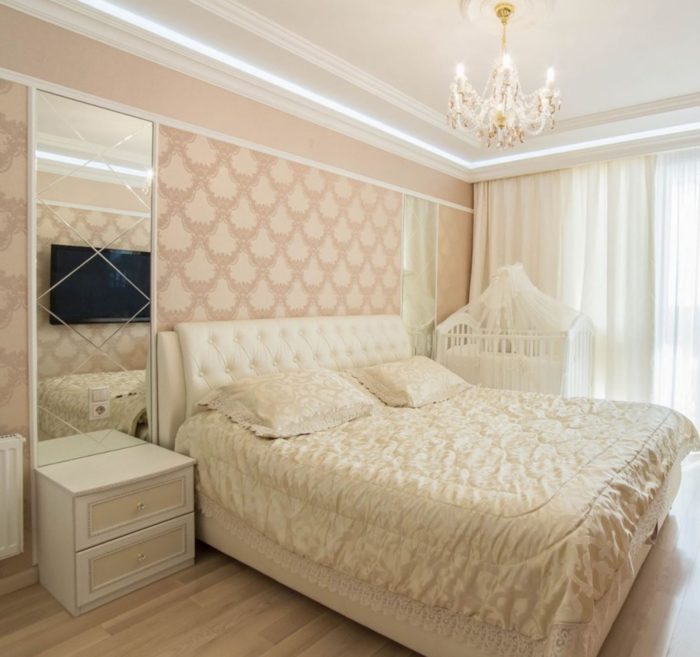
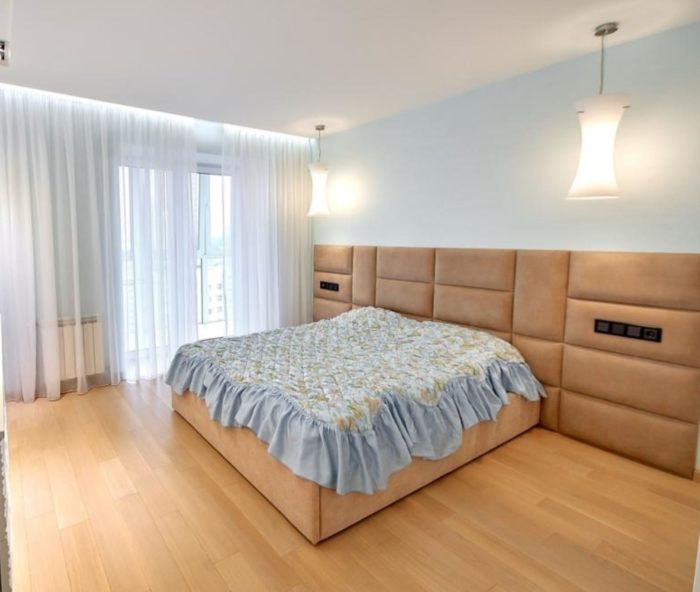
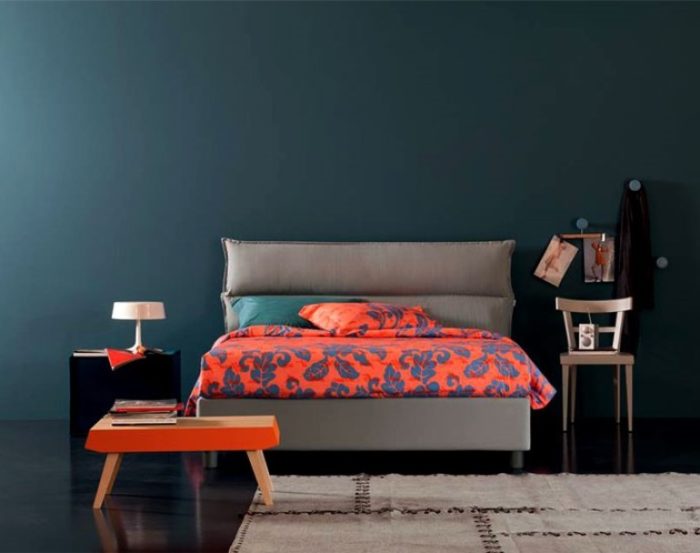
Tips for creating a harmonious bedroom design:
- If the walls in a small room have to be finished only in pastel colors, you can add color and originality by using different wall textures. For example: wallpaper with a raised surface or decoratively applied plaster. With this technique, the color seems deeper and the interior more interesting.
- To create a harmonious design, you should keep a balance between the wall color and accessories. For example: if the walls are painted in calm pastel colors, the accessories should be bright and original, and if the walls are bright, everything else should be kept neutral.
- When choosing wall materials with shiny flecks, you should not repeat the shiny particles in other interior elements.
- It is better to choose the main shade at home rather than in the store, using special samples or palettes, because colors can look very different under different lighting.
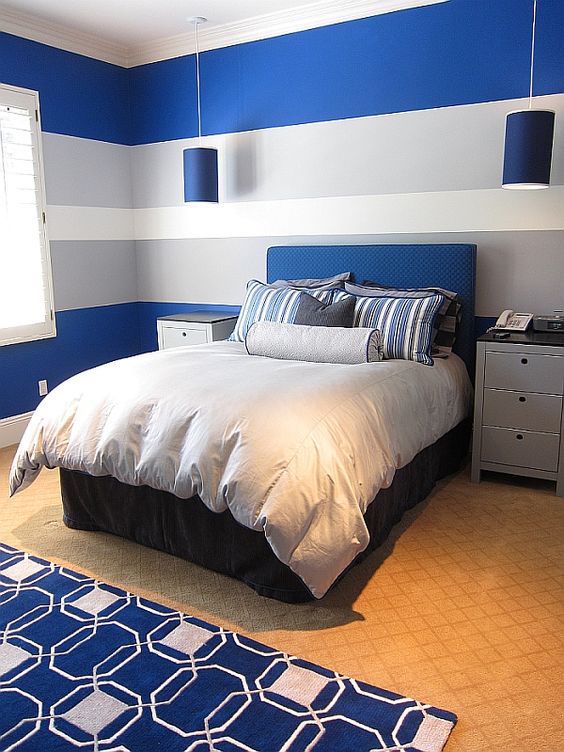
When choosing a bedroom interior, you should not be guided only by fashion and current new products because these solutions do not always fit standard apartments and do not look cozy. It is important to create a calm, relaxing setting for yourself while considering the room’s size and the intensity of natural light.
Fashionable Combinations
There are no limits when choosing a bedroom color – it all depends on the purpose of the room and the owner’s taste. Any color can be presented well with details and accents, producing a stylish, contemporary design. First of all, it is important to decide on the base color around which the rest of the interior will be built. The most popular shades are yellow, sand, orange, pink, light blue, light green, and gray. Dark blue and light blue promote healthy sleep more than other shades.
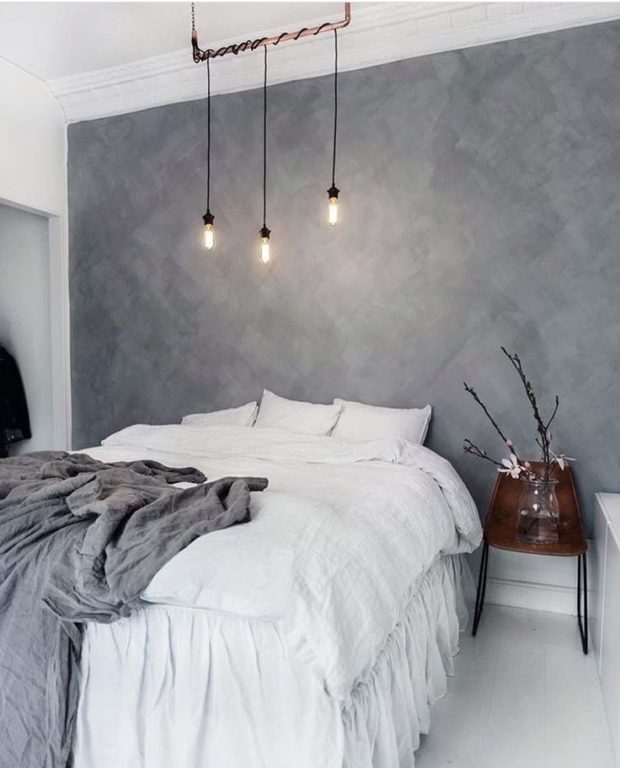
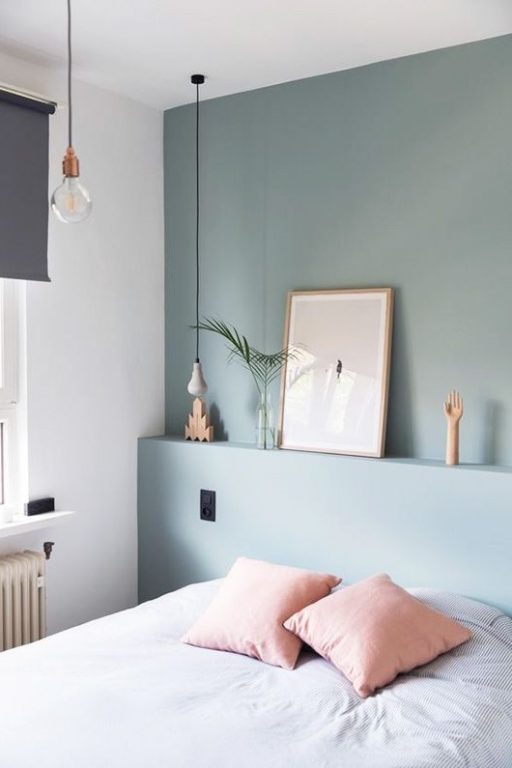
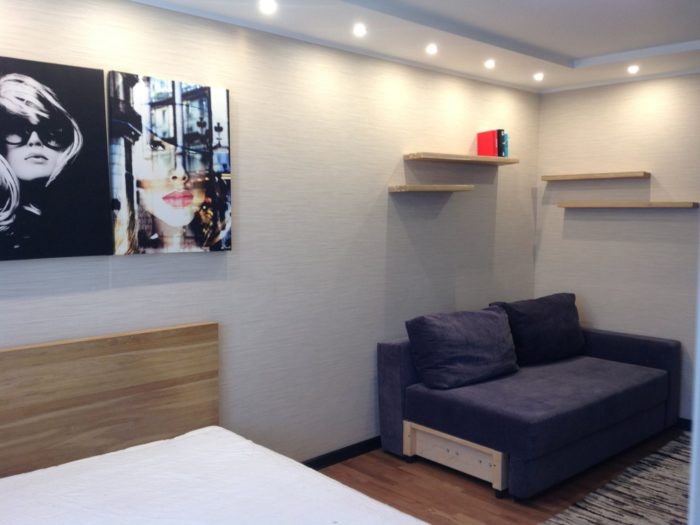
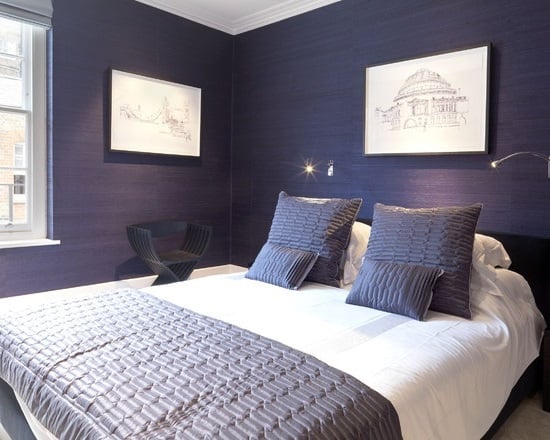
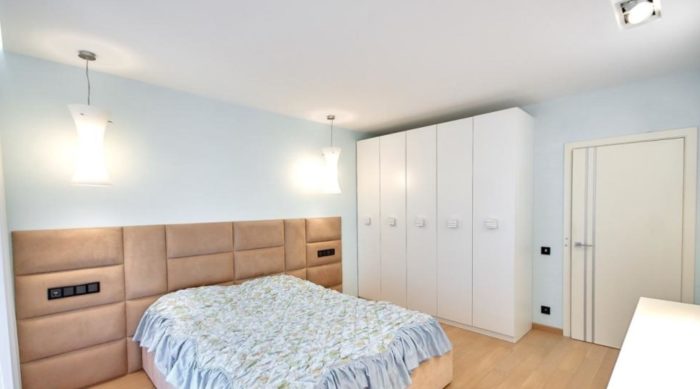
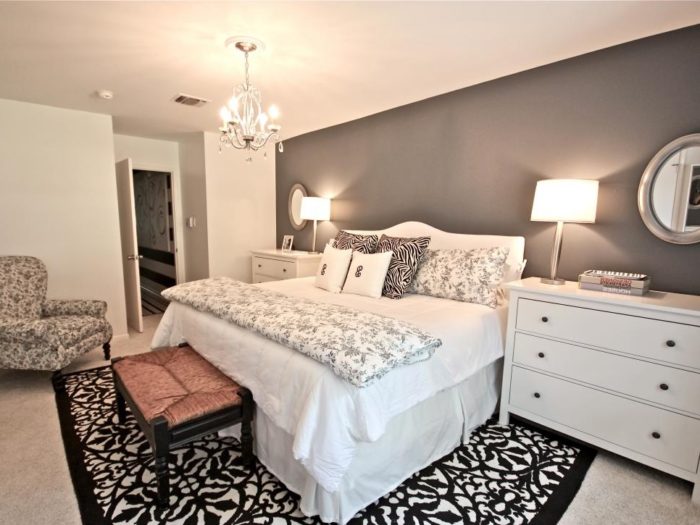
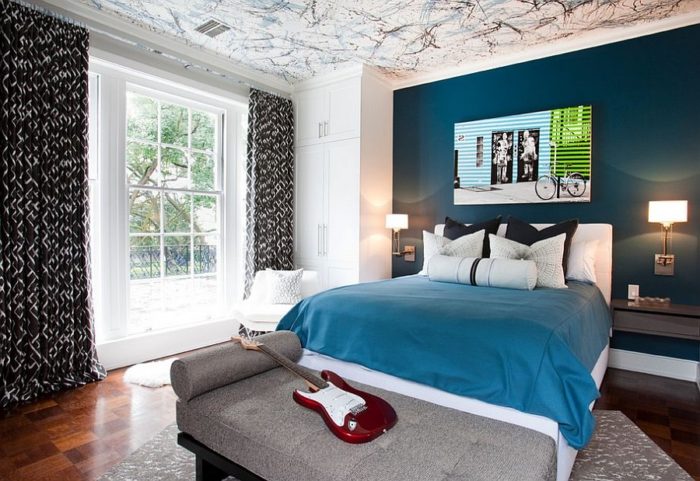
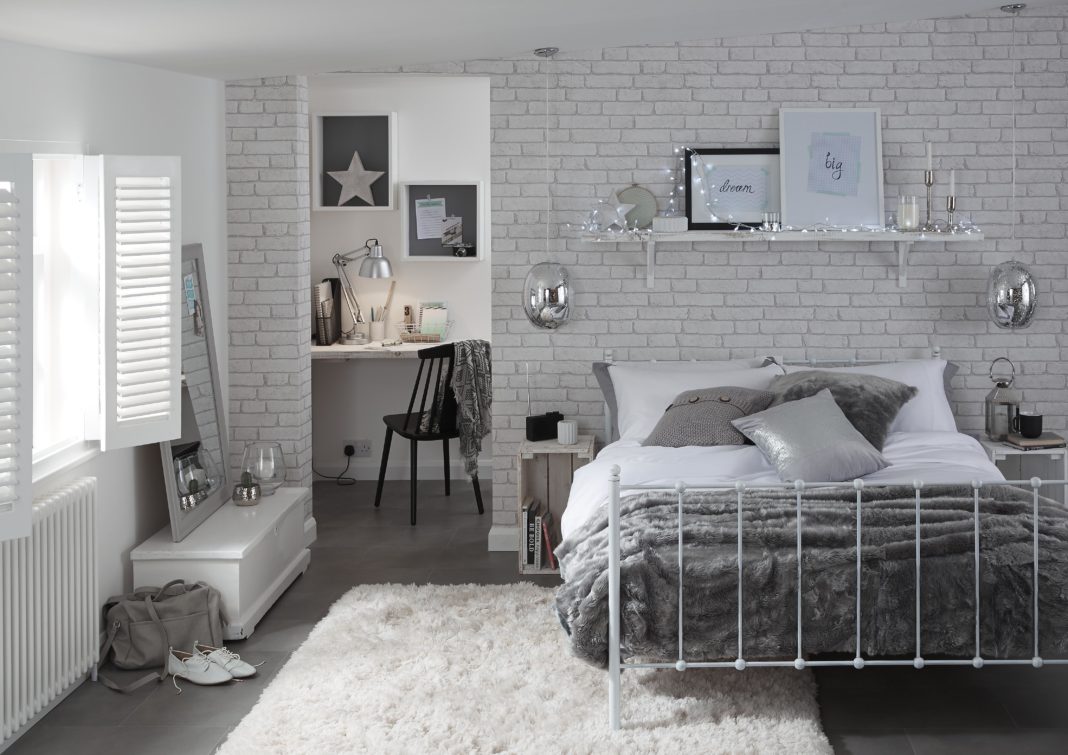
White has become the base color of most contemporary bedrooms. It is the perfect background against which both furniture and any accessories look good. Its ability to reflect light visually expands the boundaries of the room. When choosing white as the base of the interior, you can easily combine it with any shades.
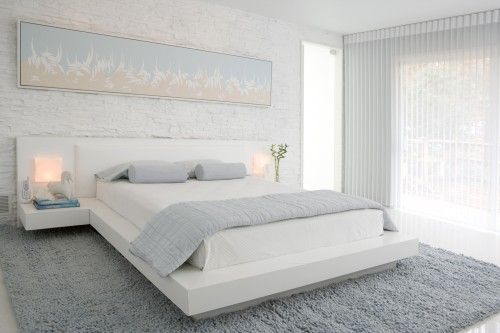
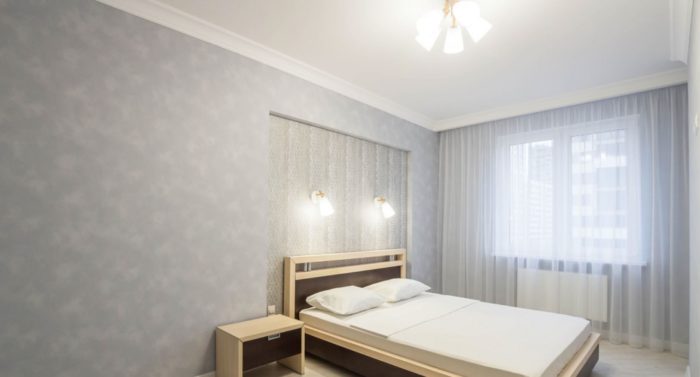
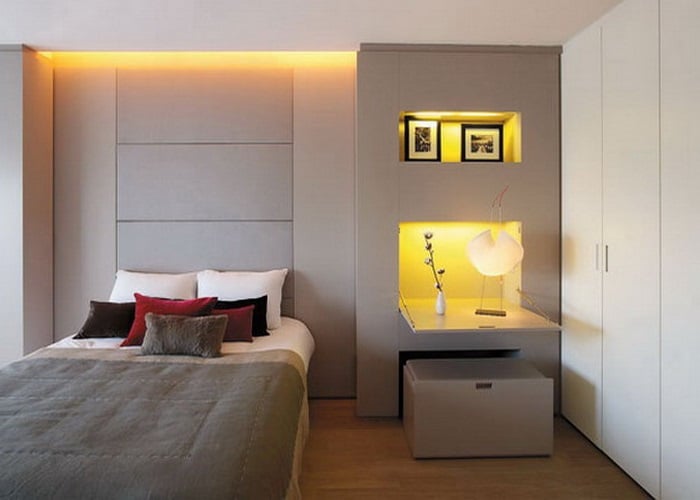
Gray in the bedroom suits rooms with little natural light. Its shades look really good under contour lighting, so when choosing gray, it is important to add many light sources, including hidden ones.
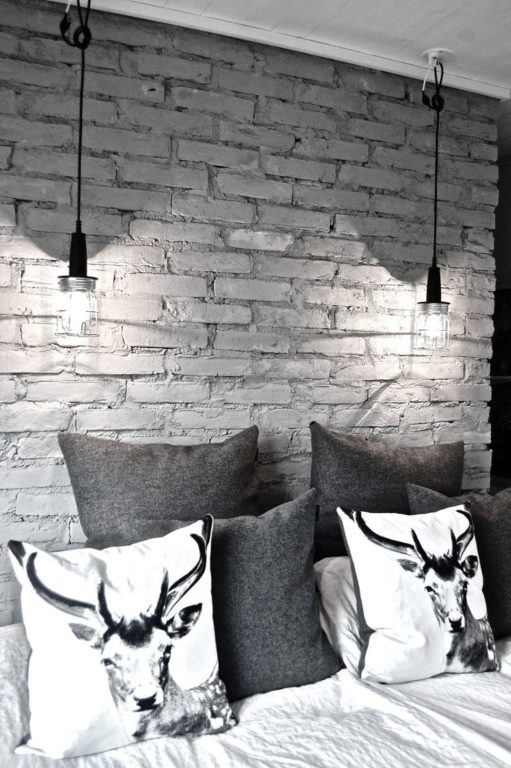
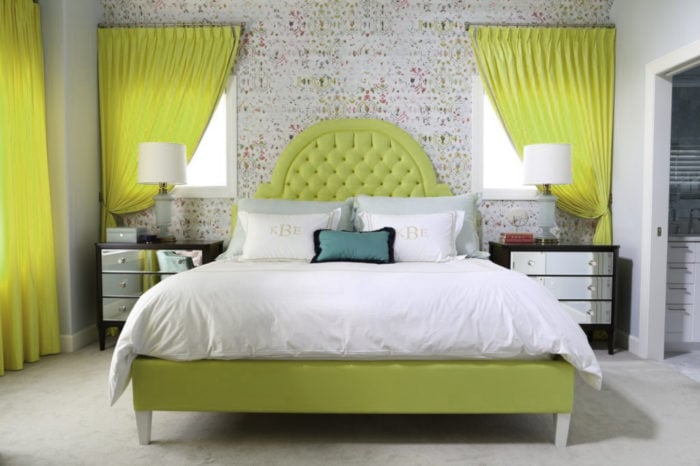
Pistachio bedroom walls are a British classic. But our advice is to make the walls neutral and add pistachio through accessories, such as curtains. It combines with white, gray, and coffee-colored shades of brown.
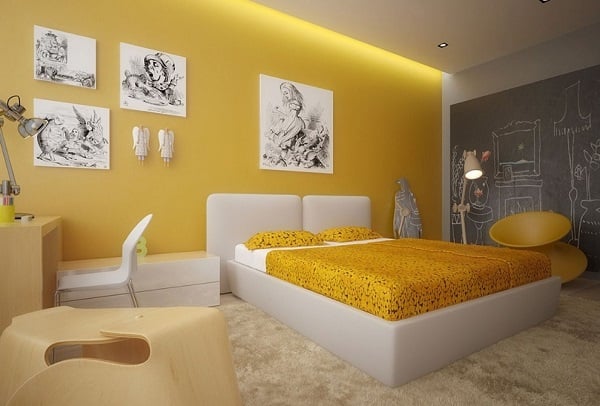
Yellow. It relieves tension, gets rid of fatigue, and creates an optimistic mood. A bedroom with yellow walls looks fresh and spacious, which is especially important in a small area. Sunny shades fill the room with light and a good mood even in cloudy, rainy weather.
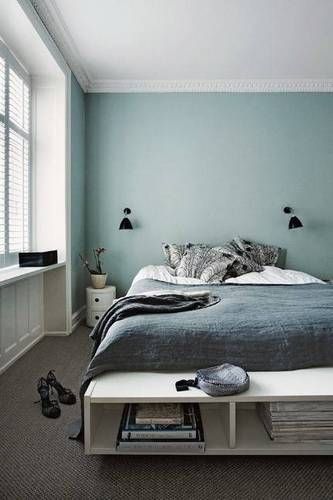
Green and light blue have a calming effect, but do not use shades that are too saturated.
To add variety to familiar interiors, original shades with a silver or gold shine are used. This finish creates a feeling of wealth and luxury and will not fit every bedroom.
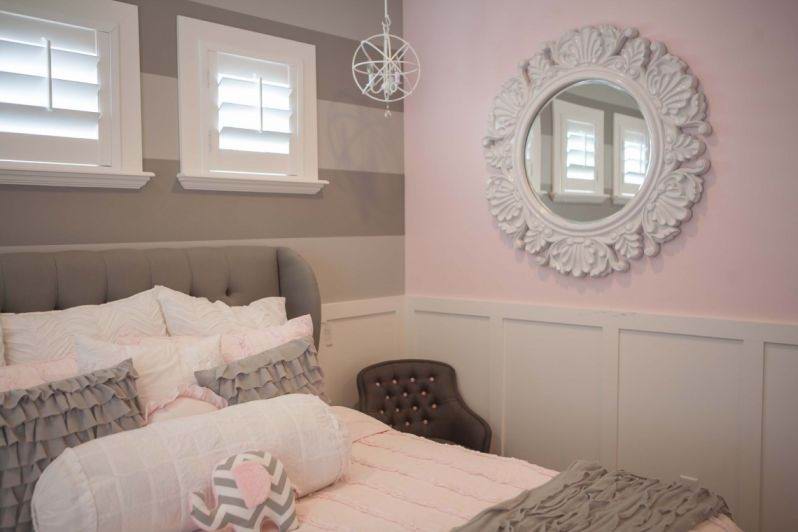
Pink walls add tenderness and create good conditions for sound sleep. But under no circumstances use bright, saturated pink, only its calm, neutral version.
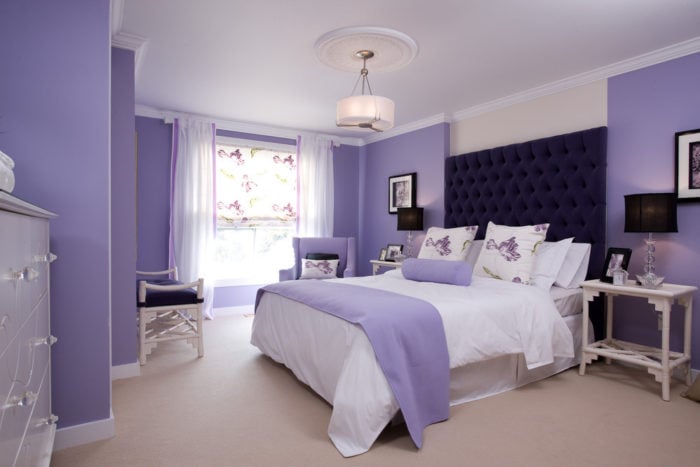
Lilac works if you really want to stand out. It must be supported with bedding or accessories.
Conclusions:
- Basic white and gray wall colors are enough to create a stylish bedroom interior. You can add one calm accent color.
- Do not mix warm and cool shades.
- If you have a favorite color, you can paint the walls that color, but choose a calm, unsaturated shade.
In general, calm colors and natural materials are currently in style, but it is better to read about that in the article on modern bedroom design.